AI Lip Sync and Audio-to-Video Workflows for Creators
Audio is often what separates an AI clip that feels unfinished from one that feels intentional. Lip sync, voice timing, and sound design do not matter in every scene, but when they do matter, they change the result more than another round of visual generation.
Where These Workflows Help Most
They are especially useful for:
- talking characters
- anime dialogue scenes
- story clips with narration
- creator shorts that need stronger timing
Where Audio Fits in the Workflow
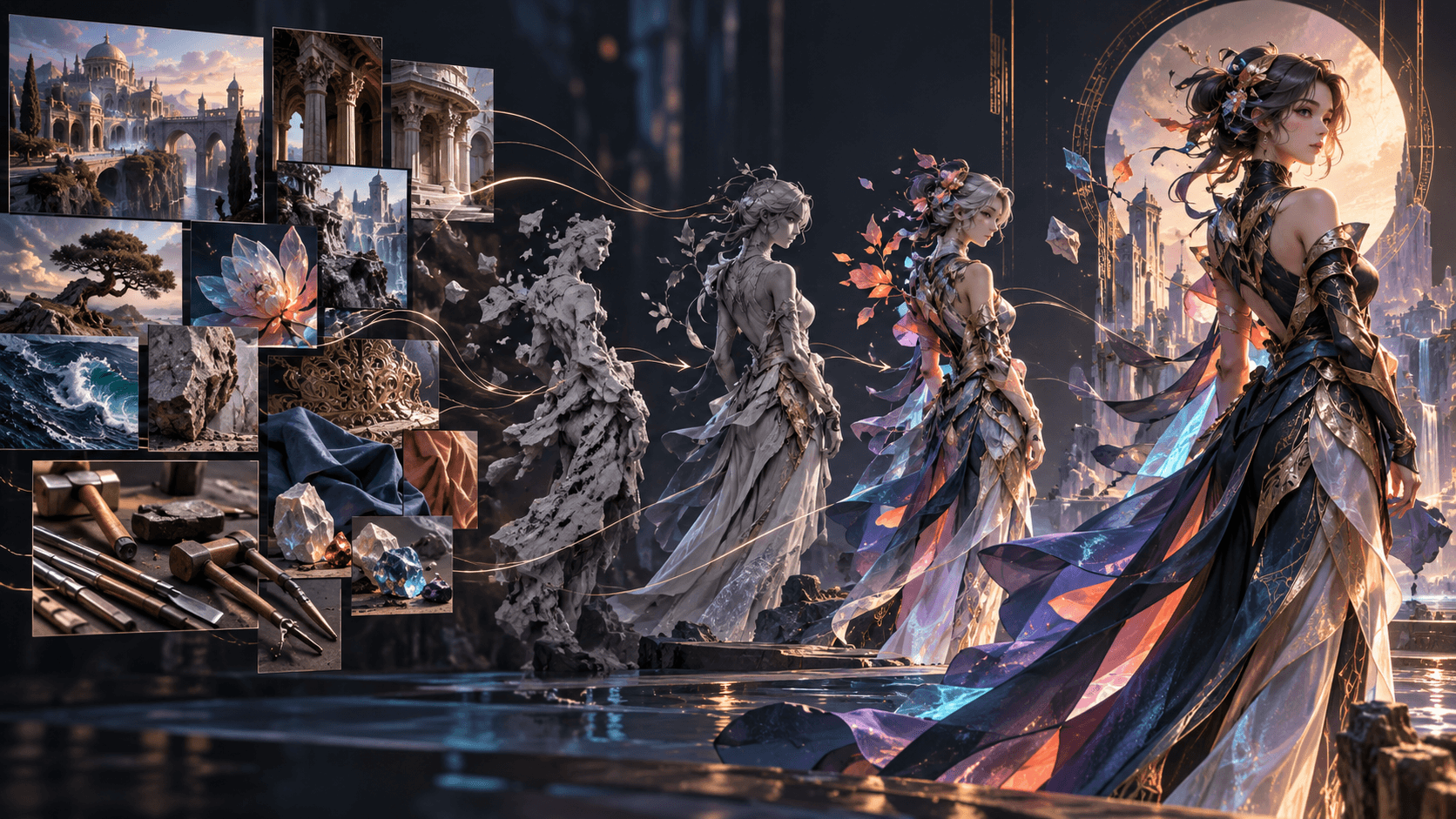
The strongest order is usually:
1. define the scene
2. build the visual asset
3. decide where dialogue or sound belongs
4. add lip sync or voice timing
5. refine atmosphere and impact sounds
Why Audio Changes So Much
Even a decent visual scene feels stronger when:
- the cut timing is cleaner
- dialogue lands correctly
- the atmosphere supports the mood
- the impact sounds add weight
That is why audio often improves perceived quality faster than one more visual pass.
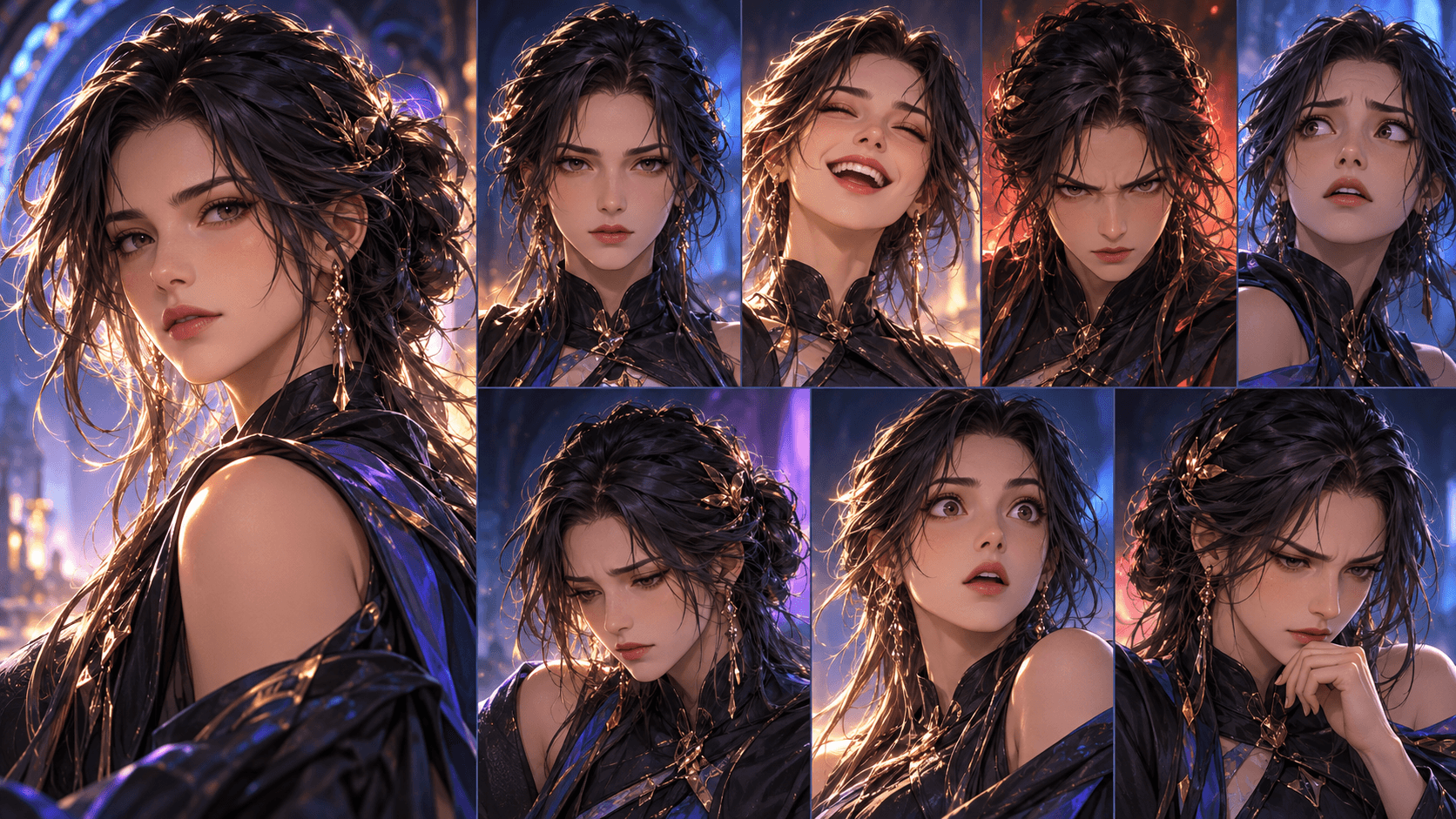
Where Lip Sync Helps Most
Lip sync is most useful when:
- the scene has clear dialogue
- timing is part of the performance
- the subject stays readable on screen
If the scene is chaotic or cut too quickly, sound design often matters more than lip-sync detail.
Where Elser AI Fits
The AI video generator is relevant here because the page scope includes music, voice, lip sync, and sound-related workflows. When paired with a broader AI video generator workflow, it gives creators a cleaner path from visual idea to finished scene.
Common Mistakes
- adding sound too late
- trying to lip-sync weak scene timing
- forcing dialogue into a scene that was never designed for it
- treating sound like a bonus instead of part of the scene design
Audio-First and Visual-First Scenes Need Different Thinking
Some scenes are visual first. You build the image, then support it with sound. Other scenes are audio first. The line delivery, narration, or spoken rhythm is what defines the beat, and the visuals need to follow that timing.
Knowing which kind of scene you are making changes the whole workflow. If the scene is performance-led, audio decisions should happen earlier.
Lip Sync Works Best When the Shot Is Designed for It
Lip sync tends to work better when:
- the face stays readable
- the framing is not too wide
- the cuts are not too fast
- the dialogue is important enough to justify attention
If the scene is mostly about atmosphere or action, heavy lip-sync work may not add much value. In those cases, cleaner sound design often matters more.
Atmosphere Is Often More Important Than People Expect
Creators sometimes think audio means dialogue only. But atmosphere often does just as much work:
- room tone
- wind
- footsteps
- cloth movement
- subtle impacts
These elements make scenes feel grounded. Even when nobody is speaking, a thoughtful audio layer can make the visual work feel much more complete.
Use a Timing Pass Before a Sound Pass
One practical mistake is designing audio before the scene timing is stable. It usually works better to do a quick timing pass first:
1. lock shot lengths
2. decide where the beat changes
3. place dialogue or sound accents
4. refine atmosphere and impact
This order prevents sound design from chasing an edit that is still moving underneath it.
A Good Audio Workflow Makes the Scene Easier to Believe
The final value of lip sync and audio is not technical perfection. It is believability. The scene feels more intentional, the performance feels more placed, and the edit feels less like a test. That is the point where many AI videos start feeling like creator work instead of only generated output.
The Audio Layer Often Decides Whether the Scene Feels Finished
Many AI scenes look visually complete before they actually feel complete. Audio is often the layer that closes that gap. It gives the scene rhythm, physicality, and emotional credibility, which is why even modest sound work can transform how finished the project feels.
A Simple Audio Pass Can Change the Whole Scene
Even a light audio pass can make a big difference if it adds:
- one atmosphere bed
- one clear impact or transition cue
- cleaner dialogue placement
- a more deliberate sense of timing
The gain often comes less from complexity and more from coherence.
Dialogue-Led Scenes and Atmosphere-Led Scenes Need Different Priorities
If the scene is dialogue-led, the audience needs timing clarity and readable performance. If the scene is atmosphere-led, mood and transition weight matter more. Mixing those priorities without deciding which one matters first often leads to weak audio choices.
Review Audio Once With the Screen Off
A very useful trick is to listen once without watching the visuals. If the timing, emotional shift, and scene structure are still readable, the audio layer is probably doing real work instead of just decorating the clip.
Finished Scenes Usually Sound More Intentional Than They Look
Many creator videos become convincing not because every frame is perfect, but because the sound makes the sequence feel deliberate. That is why a thoughtful audio pass often delivers more polish than one more visual iteration.
If the scene sounds intentional, viewers often forgive visual imperfections they would otherwise notice immediately.
That is one reason audio polish so often changes perceived quality faster than another visual pass.
In practice, many scenes cross the line from "test" to "finished piece" the moment the sound layer starts supporting the edit instead of just sitting underneath it.
That is why audio work so often changes the audience's impression of quality faster than another visual tweak.
When the sound feels intentional, the whole scene usually feels more authored.
That authored feeling is often what audiences interpret as quality, even before they notice any technical detail.
It is also why sound decisions often carry more emotional weight than creators expect at first.
Even small timing choices in sound can reshape how the whole scene lands.
That is why audio often becomes the last layer that makes the project feel truly complete.
It is also why creators who learn even a simple audio workflow often see a noticeable jump in overall polish.
Once the sound supports the scene instead of trailing behind it, the work usually feels much more finished.
That shift is often small in effort and large in perceived quality.
That leverage is what makes audio such a valuable finishing tool.
If you want a more finished creator workflow for sound-led scenes, start with Elser AI and build the audio layer after the visual structure is already clear.