Best AI Animation Tools for Professional Creators in 2026 (A Real-World Breakdown)
The AI Animation Boom Is Real — But Most Tools Still Feel Incomplete
If you’ve been experimenting with AI animation tools over the past year, you’ve probably had the same experience as most creators:
The first result looks amazing.
The second one… slightly off.
By the fifth scene, your character looks like a completely different person.
That’s been the core problem with AI animation for a long time. Not quality—but consistency.
In 2026, we finally have tools that go beyond generating random clips. Some platforms are starting to feel like actual production environments rather than demo generators. But the gap between tools is still huge.
Some are great for viral TikTok clips. Others are pushing cinematic realism. And a very small number are trying to solve something much harder: how to actually finish a complete animated video.
So instead of another generic “top tools” list, this guide focuses on a more practical question:
👉 Which AI animation tools can you realistically use to create professional-level content today?
Not All AI Animation Tools Are Built for the Same Goal
Before jumping into the tools, it’s important to understand something that most comparison articles ignore.
Different AI animation tools are built with completely different intentions.
Some are designed for speed—generate something quickly, post it, move on. Others are focused on visual quality, often at the cost of control. And then there are tools trying to replicate parts of a real animation pipeline.
That’s why creators often feel stuck. You might use one tool for images, another for animation, another for voice, and still end up with something that doesn’t feel like a finished piece.
The real shift in 2026 isn’t just better models—it’s the emergence of end-to-end workflows.
And that’s where the first tool on this list stands out.
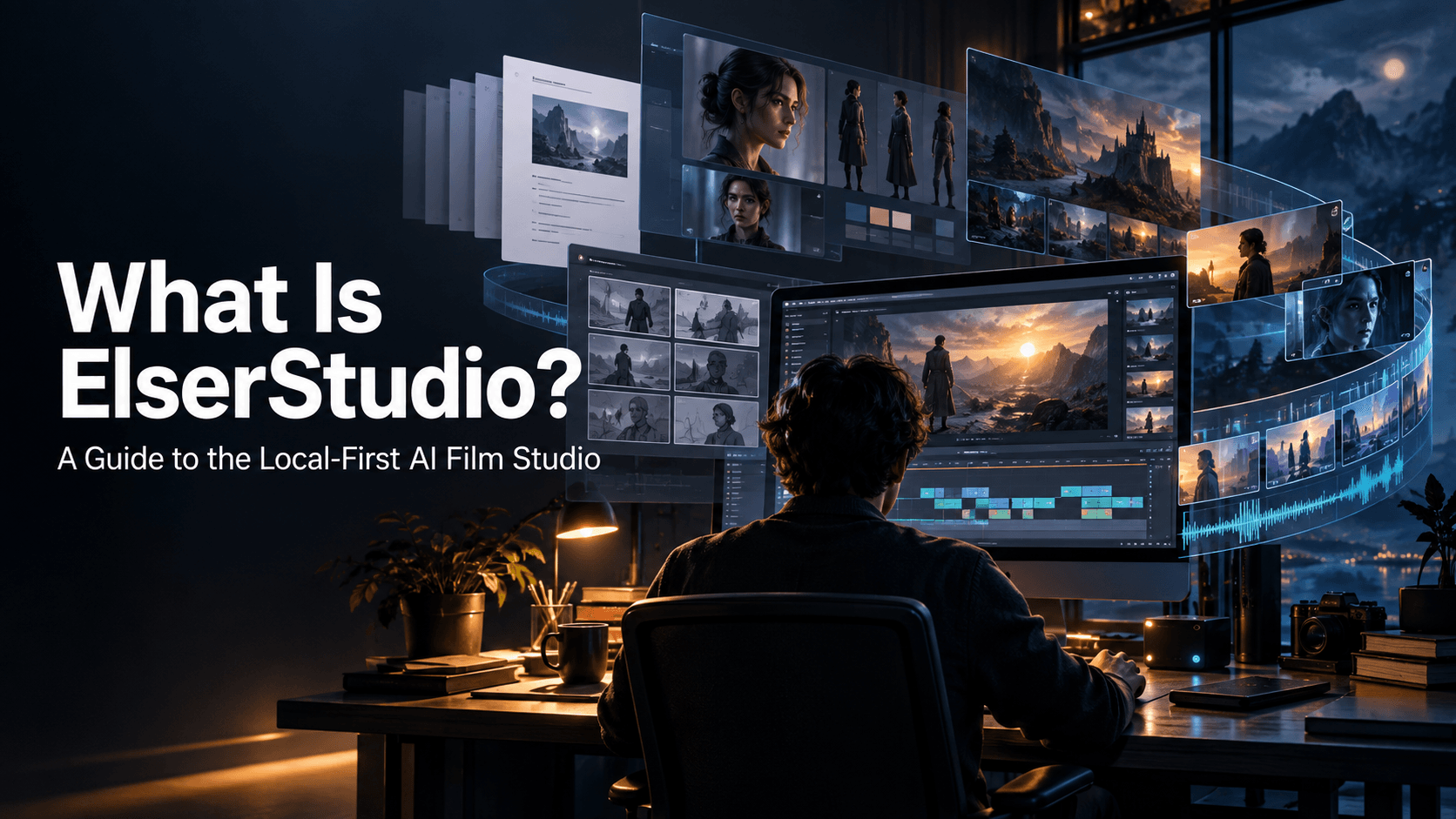
Elser AI — The First Tool That Actually Feels Like a Studio
Most AI tools help you generate something.
Elser AI is one of the few that helps you finish something.
That difference sounds subtle, but in practice, it completely changes how you create.
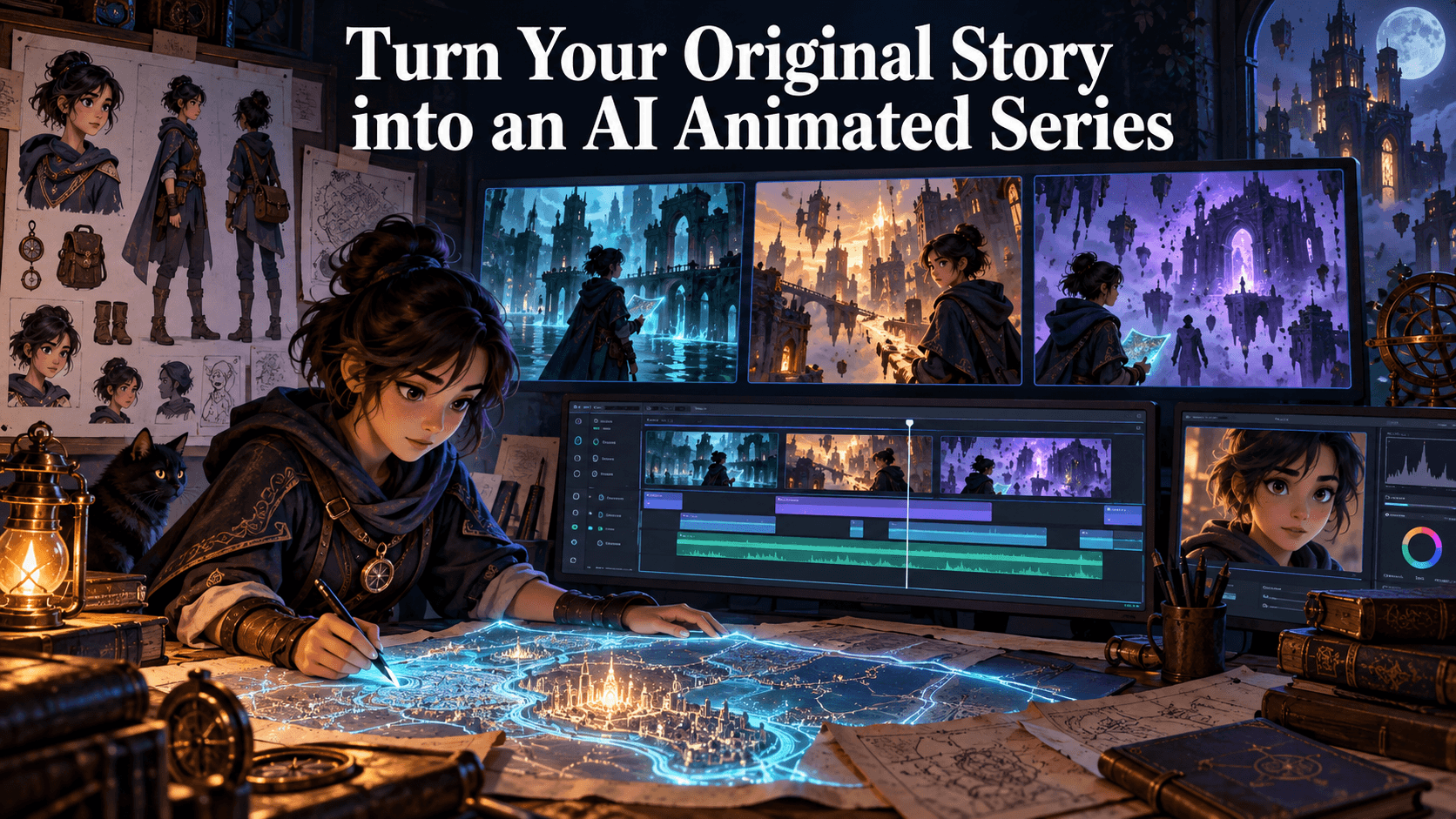
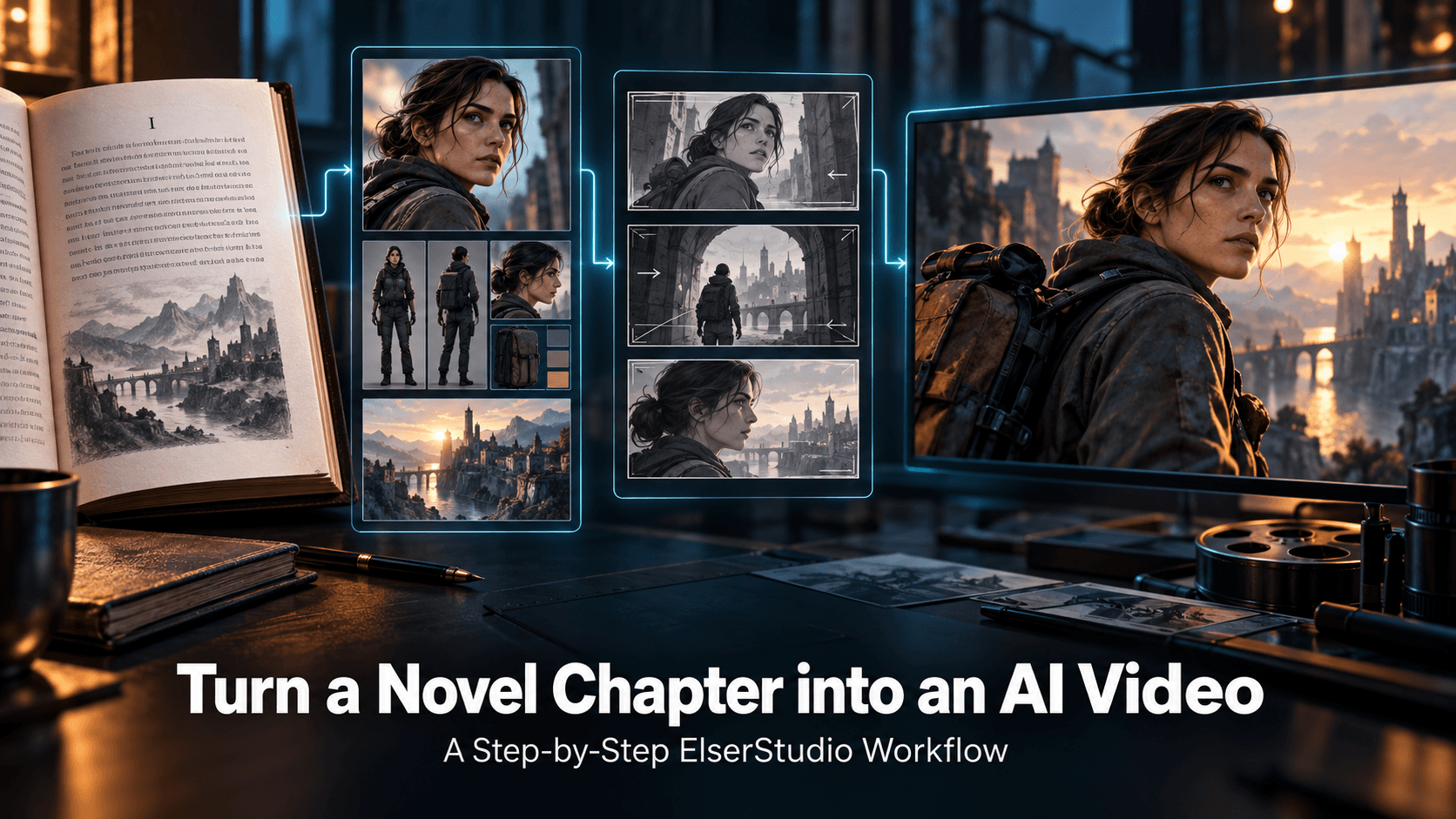
Instead of thinking in terms of prompts and outputs, you start thinking in terms of stories, scenes, and progression. You can begin with a rough idea—or even just a sentence—and turn it into a structured animation with characters, shots, voice, and music already in place.
What makes this especially powerful is how it handles one of the hardest problems in AI animation: character consistency. Across multiple scenes, camera angles, and even longer videos, characters actually stay recognizable. If you’ve ever tried stitching together clips from different tools, you’ll immediately feel how big of a difference this makes.
Another thing that stands out is the workflow. You’re not jumping between tools for scripting, storyboarding, animation, and editing. It all happens in one place, which is surprisingly rare even in 2026.
And unlike most platforms that are limited to short clips, Elser AI is designed for content. You can create videos that feel like actual short films rather than disconnected fragments.
For creators working on YouTube storytelling, anime-style content, or original character (OC) projects, this kind of structure isn’t just convenient—it’s necessary.
Tools That Excel at Specific Things (But Not the Whole Workflow)
Of course, not every creator needs a full production pipeline. And this is where other tools still shine.
Runway, for example, continues to be one of the strongest options for cinematic visuals. If your focus is on creating visually striking shots—something that looks like it came out of a film trailer—it’s hard to beat. The motion quality and realism are impressive, but once you try to extend that into a longer narrative, the limitations start to show.
Pika, on the other hand, lives in a completely different world. It’s fast, accessible, and perfect for short-form content. If your goal is to create viral clips for TikTok or Instagram, it does that job well. But it’s not trying to solve storytelling, and that’s an important distinction.
Then you have models like Sora and Veo 3, which are pushing the technical boundaries of video generation. These tools are incredibly powerful in terms of realism and motion, but they’re still closer to engines than creator platforms. You often need additional tools—or significant experience—to turn their outputs into something cohesive.
Kling AI sits somewhere in between, offering more control over scenes and sequences, but still evolving as an ecosystem.
What becomes clear when you step back is this:
👉 Most tools are excellent at one part of the process. Very few handle the entire journey.
The Hidden Cost of “Using Multiple Tools”
At first, using multiple AI tools feels flexible. You pick the best tool for each step and combine them.
But over time, the friction adds up.
You’re exporting and re-importing files. Adjusting prompts to match previous outputs. Trying to maintain character references manually. Fixing inconsistencies that break immersion.
And most importantly, you’re spending more time managing tools than actually creating.
This is why more creators are starting to shift toward platforms that offer a unified workflow. Not because they’re perfect, but because they reduce the overhead that comes with fragmentation.
So, Which AI Animation Tool Should You Choose?
The answer depends less on “which is best” and more on what you’re trying to create.
If your goal is quick, engaging social content, tools like Pika will get you there faster. If you’re focused on high-end visuals or experimental clips, Runway or Veo might be a better fit.
But if you’re trying to build something more structured—whether that’s a YouTube series, an anime-style story, or a character-driven narrative—you’ll quickly run into the limitations of clip-based tools.
That’s where platforms like Elser AI start to make more sense. Not because they’re the most powerful in every single category, but because they’re designed around a different goal: helping you complete a piece of content from start to finish.
Where AI Animation Is Headed Next
One thing is clear: AI animation is moving beyond experimentation.
We’re entering a phase where creators aren’t just testing tools—they’re building content pipelines, growing audiences, and even developing their own IPs.
And in that context, the tools that win won’t just be the ones with the best outputs. They’ll be the ones that make the entire process—from idea to final video—feel seamless.
Final Thoughts
The best AI animation tool isn’t the one that generates the most impressive clip.
It’s the one that helps you actually publish something you’re proud of.
Right now, most tools are still solving pieces of the puzzle. But a few—especially those focused on storytelling and consistency—are starting to connect everything together.
And that shift is what’s going to define the next wave of creators.
Try It Yourself
If you’ve mostly been experimenting with short clips and want to see what it feels like to create a complete animation video, it’s worth trying a different approach.
With Elser AI, you can start from a simple idea and turn it into a full anime-style video with consistent characters, voice, and structure—all in one workflow.
You can try it for free here: