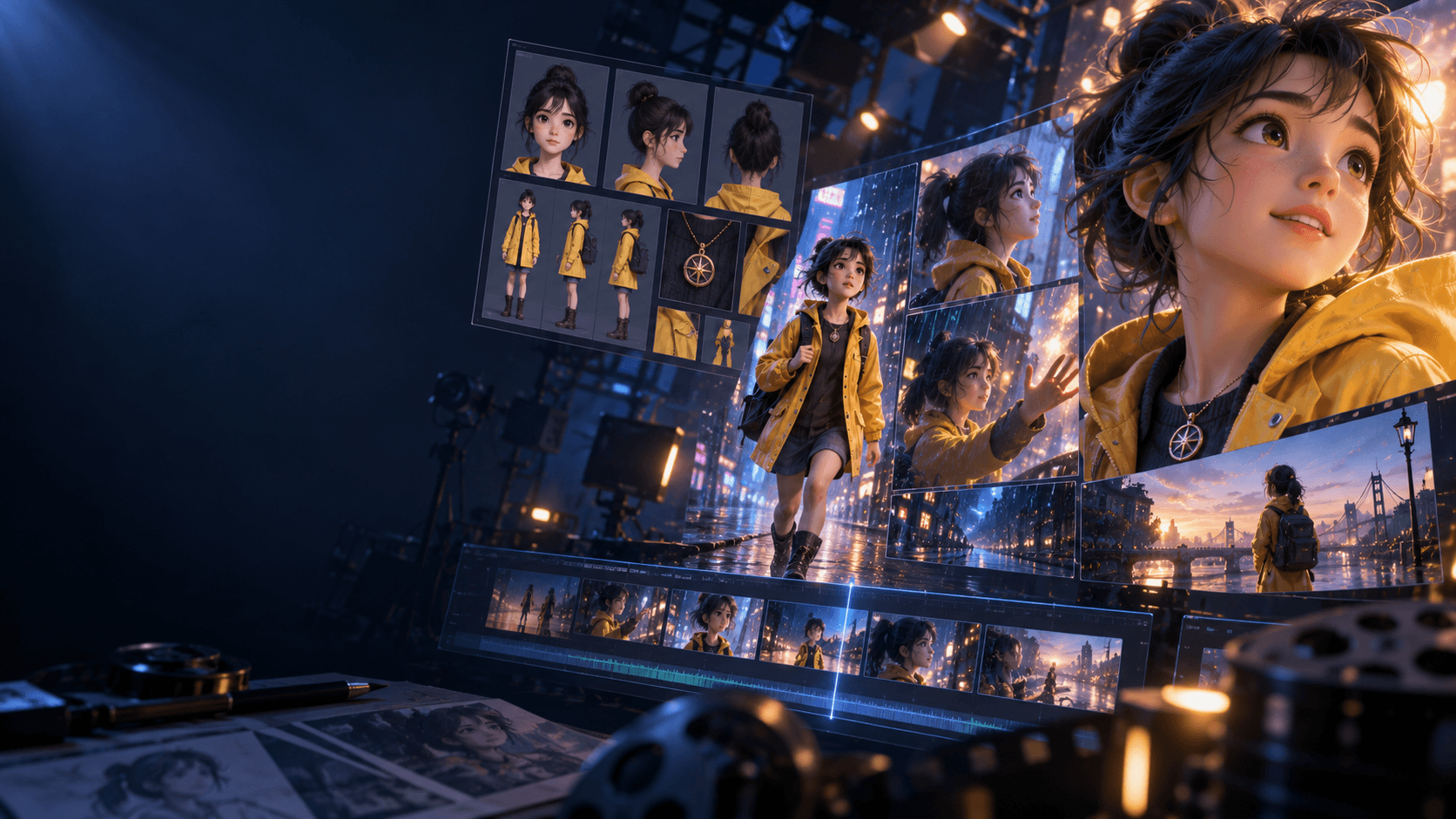
GPT-6 Features Explained: Memory, Agents & Multimodal AI (2026)
When people search for “GPT-6 features”, what they usually expect is a longer list of improvements—better text, faster responses, maybe a bigger model.
But that’s not really the story this time.
What’s happening with GPT-6 feels less like an upgrade, and more like a shift in what AI is supposed to do. Not just answering questions, but actually helping you get things done—sometimes without you having to spell out every step.
After digging into how GPT-6 is evolving, three things stand out: memory, agents, and multimodal understanding. Everything else is basically built on top of those.
It finally remembers things (and that changes everything)
For a long time, one of the quiet frustrations with AI tools was this: they forget you.
Every new session, you start over. Same tone instructions, same preferences, same context.
GPT-6 changes that with what people are calling persistent memory AI. Instead of treating every conversation as isolated, it starts to build continuity. It remembers how you like things written, what you’re working on, even patterns in how you ask questions.
That might sound like a small feature, but in practice it removes a lot of friction.
If you’re creating content regularly—blog posts, scripts, even AI anime prompts—you don’t have to keep re-explaining your style. The system gradually adapts. Over time, it starts to feel less like a tool and more like something that’s actually working with you.
From “answering” to “doing”: the rise of AI agents
The second shift is more obvious once you try it: GPT-6 doesn’t just respond—it acts.
This is where the idea of AI agents comes in. Instead of giving you a single output, it can take a goal and break it into steps. Plan first, then execute, then refine.
For example, if you ask for help creating a video idea, you’re no longer just getting a paragraph. You might get:
- a structured concept
- scene-by-scene breakdown
- visual direction
- even suggestions for turning it into actual video
This is why searches like “how to use GPT-6 agents” or “AI agent workflow examples” are starting to trend. People aren’t just looking for answers anymore—they’re looking for systems that can handle parts of the work.
And that’s really the key difference:
GPT-5 helped you think.
GPT-6 starts helping you execute.
Multimodal isn’t new—but it feels different now
We’ve heard “multimodal AI” for a while. Models that can process text and images aren’t new.
What’s different with GPT-6 is how integrated it feels.
Instead of switching between modes, it treats everything as part of the same context. A script can become a visual plan. An image can turn into a story. A rough idea can evolve into something closer to a full production outline.
This matters a lot for creators.
If you’re exploring things like AI video generation with GPT-6 or AI anime creation workflows, the gap between idea and output is getting smaller. You’re no longer jumping between completely separate tools just to translate formats.
It’s still not fully end-to-end—but it’s closer than before.
It’s also getting better at thinking (quietly, but importantly)
A less flashy improvement is reasoning.
GPT-6 is noticeably better at handling multi-step problems, especially when the answer isn’t obvious from the start. It can structure thoughts more clearly, check its own logic, and adjust mid-way.
You see this most in:
- complex writing tasks
- technical explanations
- planning and strategy
It doesn’t feel like a single response anymore. It feels like a process happening behind the scenes.
And while this doesn’t show up as a headline feature, it’s one of the reasons outputs feel more reliable.
So what does this actually change?
If you zoom out, these features point in the same direction.
AI is moving from:
- short interactions → ongoing collaboration
- single outputs → multi-step workflows
- text-only → content across formats
In practical terms, that changes how people use it.
A common pattern now looks like this:
You start with an idea → use GPT-6 to expand it → structure it into something usable → then move into another tool to produce the final asset.
For example, someone working on AI animation might:
- generate a script with GPT-6
- turn it into a scene plan
- then use an AI video generator to actually create the visuals
That bridge—from idea to execution—is where a lot of new workflows are forming.
The bigger picture
It’s easy to look at GPT-6 and focus on individual features: memory, agents, multimodal input.
But the more interesting shift is underneath all of that.
AI is becoming less of a “tool you use” and more of a “system you work with.”
You don’t just ask it questions. You give it direction, and it helps you move forward.
And that’s probably the simplest way to understand GPT-6:
It’s not just better at generating content.
It’s better at helping you turn ideas into something real.