AIを使った短編アニメ映画の作り方:実際に効く方法
AI短編映画に関するほとんどのチュートリアルでは、制作プロセスがアイデアから完成映画までの一直線のように描かれています。実際には、まともなAIクリップと完成した短編映画の違いは構造にあります。シーン同士がつながらなかったり、キャラクターの変化が大きすぎたり、ワークフローが対応しきれないほどプロジェクトが進展したりすると、短編映画は失敗に終わります。
だから本当の問いは「AIで短編映画が作れるのか?」ではなく、「どのようなワークフローなら短編映画を完成させられるのか?」です。
ビッグシフト:プロンプターではなくプロデューサーとして考える
プロジェクトに複数のシーンが存在するようになると、作業の内容が変化します。 画像やクリップの生成だけに留まらなくなります。 以下を管理することになります:
- ストーリー構造
- 定期的な資産
- シーンの順序
- ペーシング
- 改訂リスク
そのため、短編映画は、一連の孤立したプロンプトというよりも、プレプロダクション、撮影、編集といったワークフローから恩恵を受けることができるのです。
事前制作:ビジュアル制作より先にストーリーを固める
初めての短編映画として、上映時間は現実的に設定しましょう。1分から3分が適切な範囲です。映画らしく感じるのに十分な長さでありながら、管理しやすいほど短いからです。
単純な構造は次のようになるかもしれません:
1. オープニング画像
2. インサイティング・モーメント
3. 反応または衝突のビート
4. エンディング画像
もしシナリオの大綱がぐちゃぐちゃだと、最終的な映画もほぼ必ずぐちゃぐちゃになるだろう。
シーンの前にアセットを作成する
これが多くのAI短編動画が勢いを失うポイントなのです。制作者はキャラクターと背景環境が安定する前にシーンの生成を開始してしまいます。安定したキャラクターのワークフローを用いて、繰り返し使用するアセットを先に定義する方がはるかに効果的です、あるいは AI画像生成ツール、スタイルに応じて異なります。
小さな映画の場合、それは通常、以下を意味します:
- 1~2組のメインキャラクター参照セット
- 1 環境のムードボード
- プロジェクト全体における1つのスタイルの方向性
すべての重要なことをストーリーボードする
短編映画に完璧なプロの制作委員会は不要ですが、強固な計画層は必要です。大雑把な AI動画ジェネレーター ワークフローで決定するのに十分です:
どのショットが必要ですか
- 映画がスローダウンすべき場所
- アニメーションの労力を費やす価値がある場所
- どの瞬間を最小限に留めることができるか
この一つのステップを踏むだけで、プロンプトの微調整をもう一度行う場合よりも通常、多くの時間を節約できます。
パス単位で成果を出し、混沌の中ではなく
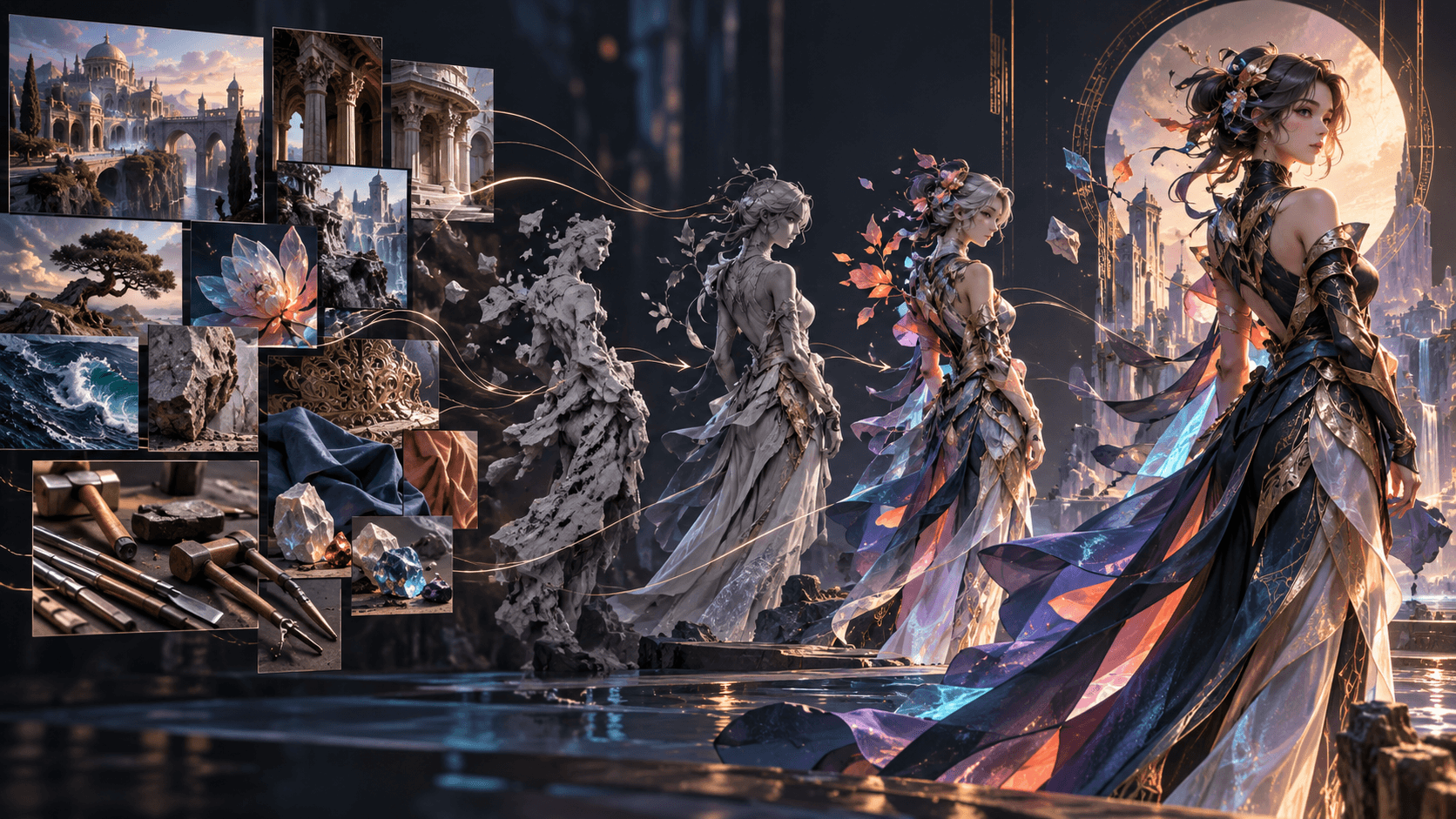
最も実用的な順序は次の通りです:
ストーリーボード
2. キービジュアル
3. 動作テスト
4. 最終シーン生成
5. オーディオと編集
これは堅苦しくありすぎることではありません。どの新しい世代もその映画自体を変えてしまう罠を避けることにあるのです。
編集こそが、それがフィルムとなるところです
短編映画には絶え間なく動き続ける必要はありません。時にはスティルショット、スロープッシュ、または雰囲気を湛えた一拍で十分です。視覚素材が用意できたら、編集という工程でプロジェクトは「興味深いクリップ集」から「リズムを持つ作品」へと変わるのです。
それもまたそこで エルサー AI ワンクリックツールというよりも、クリエイターのワークフローとしてより有用になります。 出力結果と同じくらい、構造が重要です。
よくある短編映画のミス
- 映画をあまりに長く作ろうとしている
- プロジェクト途中でビジュアルスタイルを変更する
- キャラクターが安定する前にシーンを生成する
- すべてのショットを個別の実験のように扱う
- 最後までサウンドとペーシングについて考えるのを待つ
確実に完成させられるように映画のスコープを設定する方法
多くのAIショートフィルムは企画段階で頓死してしまいます。アイデアがあまりに多くの内容を盛り込もうとしすぎているからです。完成した3シーンの短編フィルムは、通常、未完成の8シーンのものよりも優れた成果を上げます。たとえその大きなコンセプトがより野心的に聞こえたとしても。
最初のプロジェクトの範囲を定める際は、これらの制限を念頭に置いてください:
- メインの拠点は1つの方が4つより良い
- 一つの核心的な感情的転換点の方が、プロットツイストの連鎖全体よりも優れている
- 一人の主人公の方がグループキャストよりも扱いやすい
- 一つのスタイルの方向性は、混合美学よりもはるかに優れている
これはストーリーを悪い意味で小さくするものではありません。むしろ、その表現をより強固なものにします。視聴者は野心よりも分かりやすさをより強く記憶に残します。
パーフェクトパスではなく、プロダクションパスを使用してください
趣味での試作と本格的な短編映画の完成の間の最大の違いの一つは、クリエイターが却下を受け入れるかどうかです。
有用なパス構造は次のようになります:
1. ストーリーパス:そのアイデアは成り立つのか?
2. ビジュアルパス:各シーンのルックは統一されているか?
3. 連続性チェック:登場人物と環境は安定しているか?
4. モーションパス:どのショットが本当に動きを必要とするのか?
5. 編集パス:映画がどこでテンポが滞る、あるいは早すぎる終わり方をするのか?
一度に5つすべてを解こうとすると疲れ果ててしまう。それらを一つの層ずつ解くことこそが、その映画を完成可能にするのです。
フィルムが動作しなくなったときに最初に何を切断すべきか
短編映画がごちゃごちゃしてきたとき、解決策は大抵引き算だ。
最初にカットする価値のあるものは次の通りです:
- リアクションショットを複製する
- ストーリーに何の価値ももたらさない余分なトランジション
- 感情の展開を支えない「クール」なショット
- 別の映画に向いている脇のアイデア
これが重要なのは、短編フィルムはそれぞれのショットがその場に値する存在意義を持つときにより質の高いものになるからです。クリエイターの仕事はあらゆる世代を残すことではなく、シーケンスを読みやすく保つことにあるのです。
初心者がエネルギーを使いすぎる場所
初心者はしばしば過度に時間をかけすぎてしまいます:
- 超詳細なプロンプトの推敲
- 最終カットに含まれないシーン
- シンプルなシーンの前にある長めのアクションセクションは機能します
- ビジュアルディレクションが既に十分に良かった後のスタイルの実験
その努力の大半は生産的に感じられるものの、映画の前進にはつながらない。真の進展は通常、ストーリーの骨格を固め、繰り返し使用する資産の安定化を図り、時間をかける価値のあるショットを選ぶことから生まれる。
「"良い"初めてのAI短編映画がどのようなものか」
良い初めてのAI短編映画は、必ずしも派手である必要はない。 それは分かりやすい作品である。 始まり、転換点、そして意図的に作られたように感じる終わりの映像を持っている。 登場人物は十分に安定しているように感じる。 テンポが筋が通っている。 スタイルがぶれることがない。
これで十分です。そのバージョンを完成させることができれば、2番目のプロジェクトをより映画的に、より感情的に、あるいはより野心的に仕上げるためのはるかに有利な立場になれます。
最終日のクリーンアップをスキップしないでください
短編映画の制作で役立つ習慣の一つは、編集調整のみを行う最終仕上げの日を設けることです。新しい主要なシーンを作成しないでください。既存の素材を確認し、以下を問いかけてください:
- ワンショットを削除できますか?
- トランジションを短縮できますか?
- 終わりは遅すぎるのでしょうか?
- 感情の転換を明確にするためのサウンドキューまたはカットはありますか?
この最終日のクリーンアップ作業は、多くの場合プロジェクトが顕著に改善される瞬間です。なぜなら、あなたに生成者ではなく編集者のように考えることを強いるからです。
孤立したクリップから短編形式のストーリーテリングに移行したい場合は、まず エルサーAI そして、シーンを作成する前にストーリーボードのワークフロー内で映画の計画を立てる。