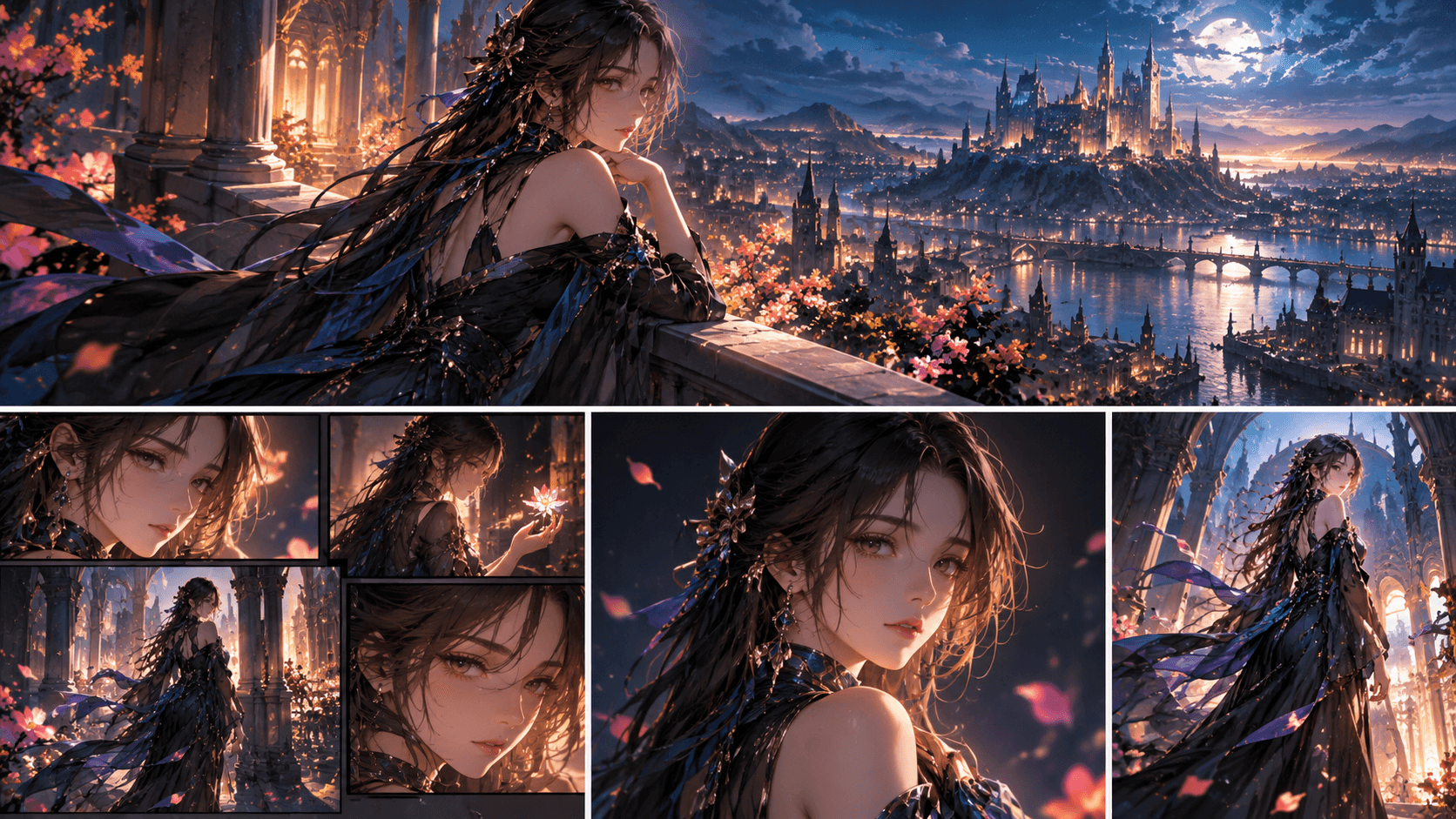
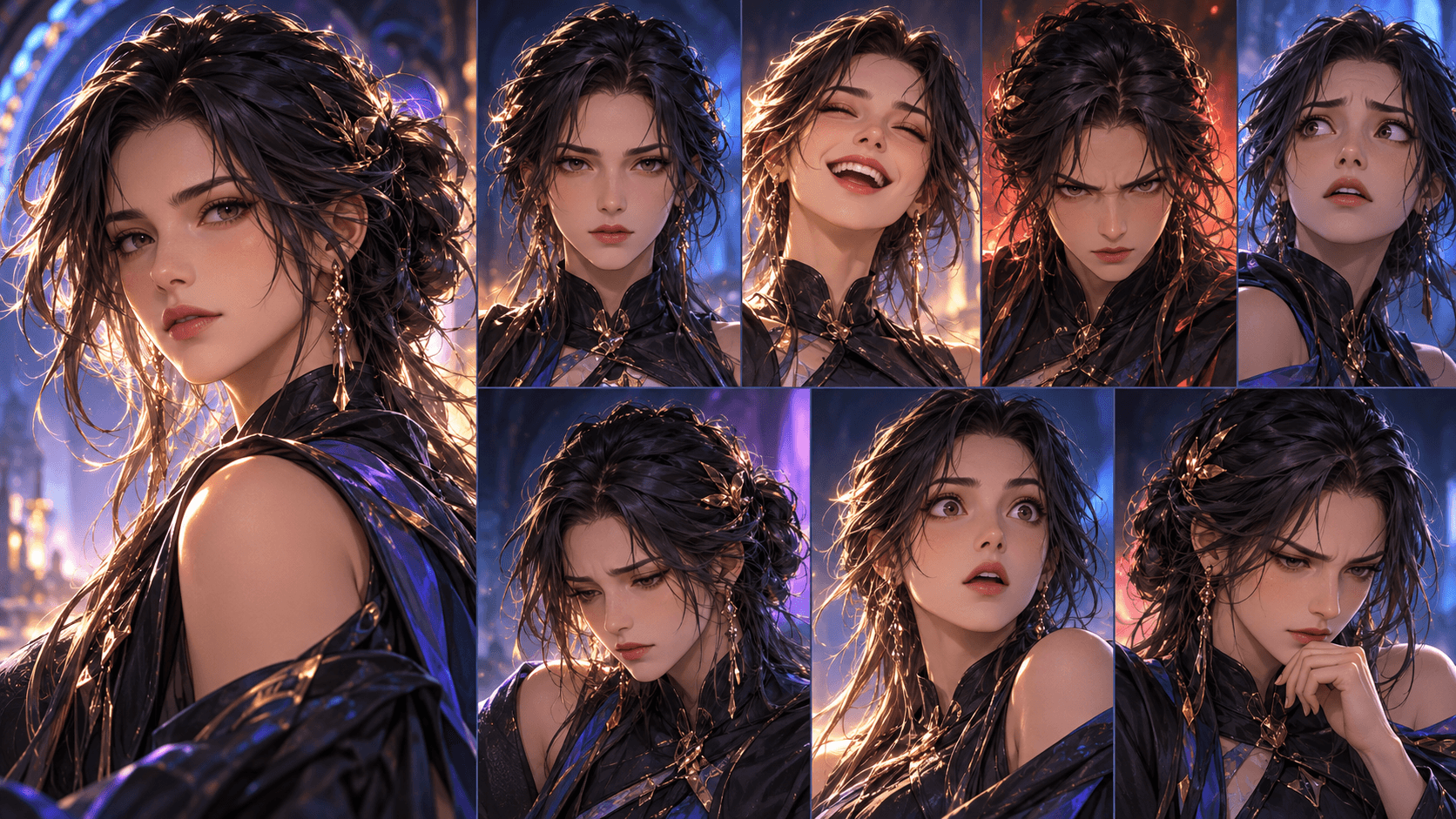
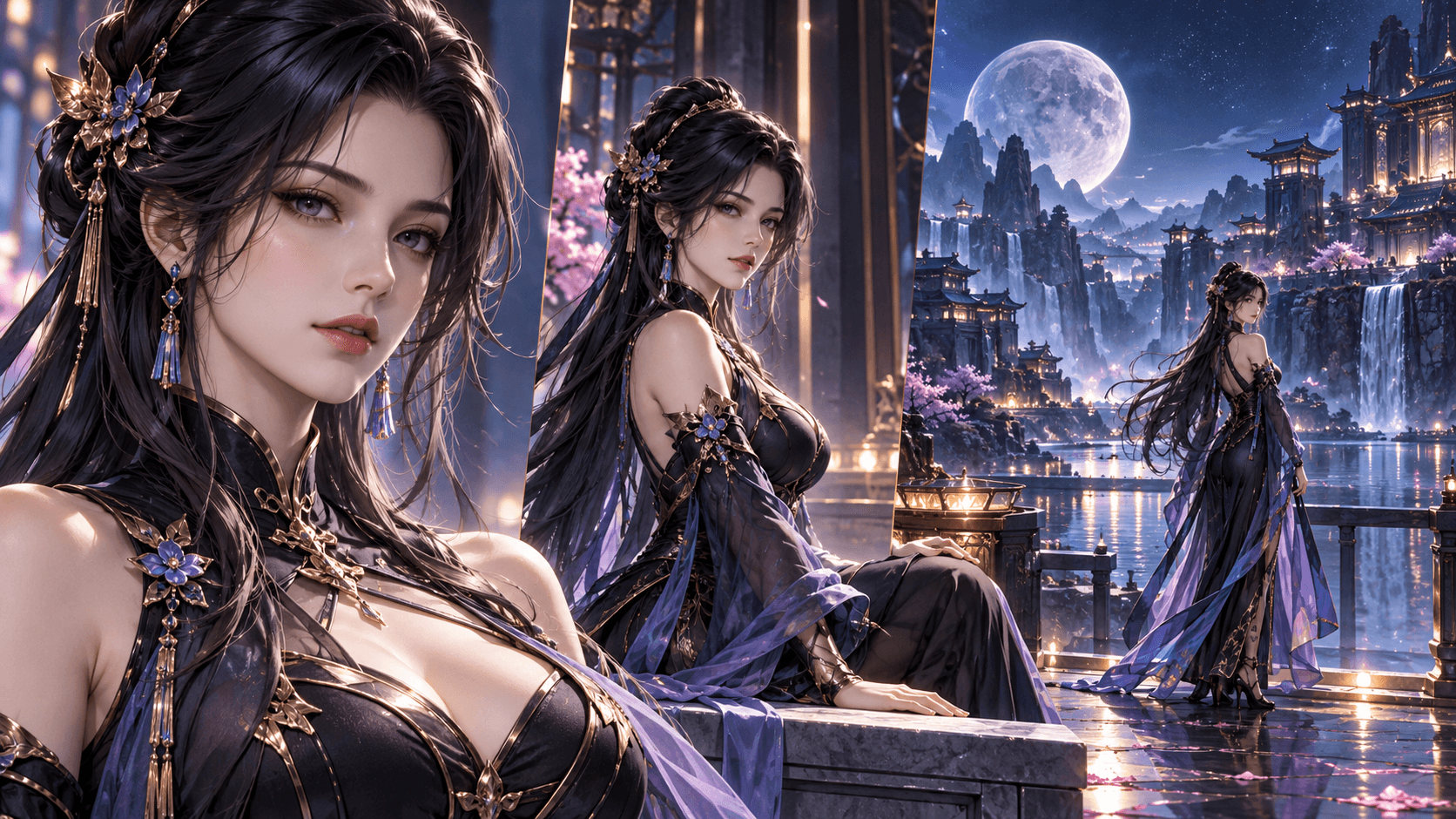
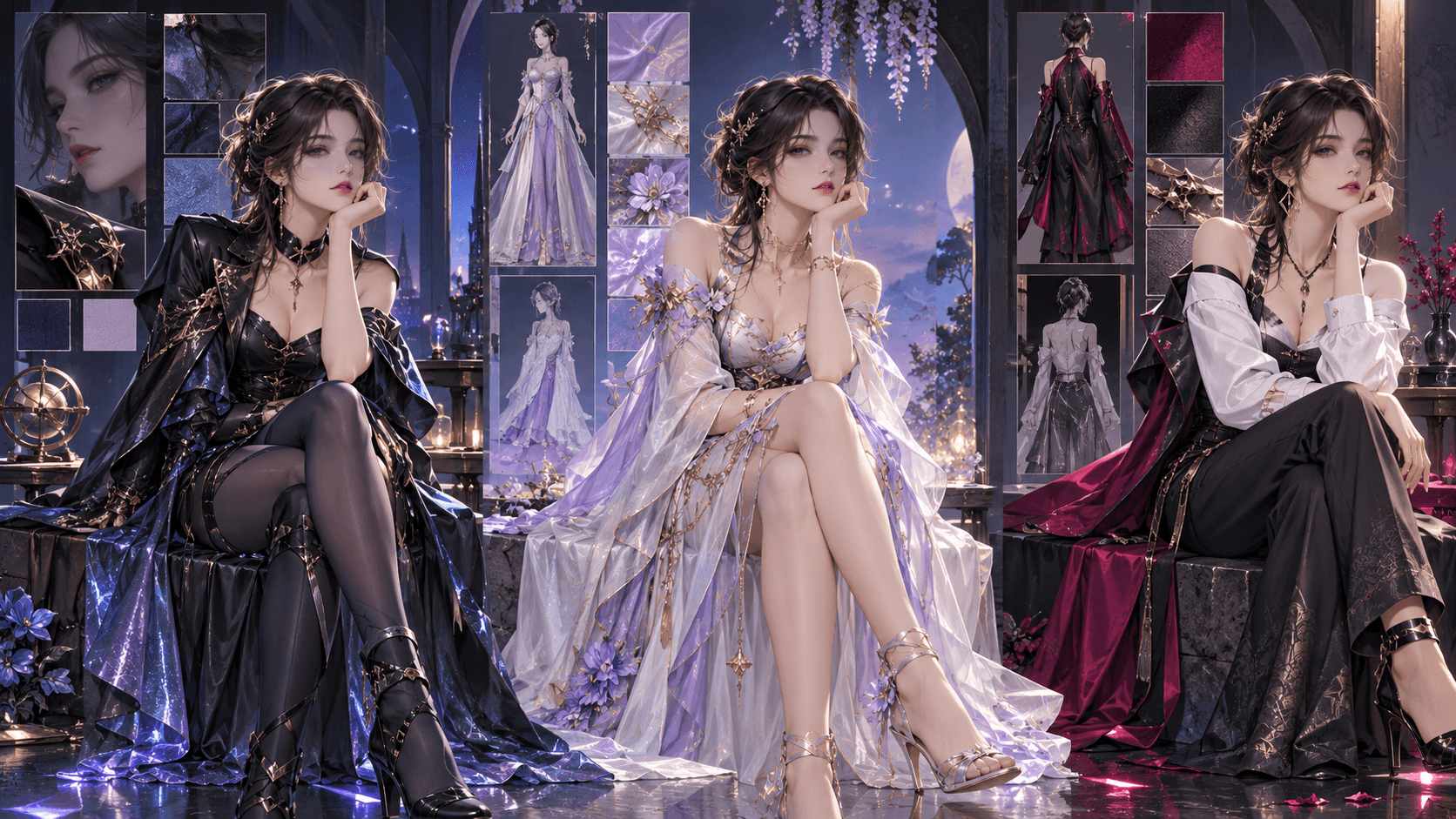
ChatGPT Images 2.0 vs GPT Image 1.5
ChatGPT Images 2.0 vs GPT Image 1.5 is not a simple “newer is better” comparison. The more useful question is what changed in OpenAI’s own product priorities. GPT Image 1.5 was already a serious step up from older image systems, especially around editing speed, instruction following, and dense text rendering. ChatGPT Images 2.0 builds on that foundation, but it shifts the story toward reasoning, multilingual output, structured graphics, and more production-ready visual tasks.
If you are deciding whether 2.0 is a meaningful upgrade, the answer depends on what kind of work you do.
Quick Answer
For most teams, ChatGPT Images 2.0 is the better long-term choice because OpenAI is clearly framing it as the next serious image layer in ChatGPT and the API. But GPT Image 1.5 still matters because it shows where OpenAI’s image progress accelerated, and because some users may still value its lighter, faster-feeling generation profile for certain jobs.
The short recommendation looks like this:
choose GPT Image 1.5 if your main goal is straightforward image generation and edit loops with a known older workflow
choose ChatGPT Images 2.0 if you need stronger text, more structured visual outputs, and a model that fits OpenAI’s current product direction
What OpenAI Emphasized in GPT Image 1.5
GPT Image 1.5 was important because it made OpenAI’s image stack feel more usable for real work. OpenAI’s earlier materials for 1.5 emphasized:
faster generation
stronger instruction following
better multi-turn editing
better dense text rendering
more reliable output quality across sizes and quality settings
That release mattered because it turned the image model into something more controllable. It was no longer only about taste and aesthetics. It was about whether the model could actually respond to clearer user intent.
What OpenAI Is Emphasizing in Images 2.0
ChatGPT Images 2.0 expands that same logic, but in a broader direction. The new launch materials stress:
stronger multilingual text rendering
layouts and infographic-style outputs
better support for comics and manga continuity
more deliberate “thinking” around image creation
deeper product integration inside ChatGPT
This is an important shift. GPT Image 1.5 felt like a better image model. ChatGPT Images 2.0 feels like OpenAI trying to make image generation behave more like a creative work surface.
The Real Difference Is Utility Scope
The easiest way to compare these two versions is to ask what kind of job each one is best prepared to handle.
In terms of fast iteration, both versions perform strongly. However, for dense text rendering, CategoryGPT Image 1.5 mainly serves its own generation capabilities, while ChatGPT Image 2.0 places stronger emphasis on overall product performance. Regarding multi-turn edits, the former treats it as an important launch advantage, whereas the latter, while still valuing it, now pairs it with reasoning capabilities. For structured graphics, CategoryGPT Image 1.5 is capable, but ChatGPT Image 2.0 makes it a central selling point. As for comics and continuity, CategoryGPT Image 1.5 gives it limited launch emphasis, while ChatGPT Image 2.0 provides a stronger, explicit emphasis. Finally, in reasoning‑assisted image creation, this is not the main story for the former, but becomes a major part of the story for the latter.
Why This Matters for Actual Creators
If your work is mostly one-off concept art, the difference may feel incremental. If your work involves repeatable assets, the difference becomes larger.
For example, stylized visual pipelines often break when the underlying model cannot hold design intent across multiple outputs. That is why teams still benefit from a stable anime image generator step before they start comparing minor model revisions. Strong references reduce noise and make the model differences easier to evaluate honestly.
In that kind of workflow, Images 2.0 has a clearer advantage because OpenAI is directly emphasizing continuity-heavy use cases and more deliberate prompt interpretation.
Availability and Upgrade Direction
Another practical difference is rollout direction.
ChatGPT Images 2.0 is now the version OpenAI is actively spotlighting in current launch materials, release notes, and updated API references. GPT Image 1.5 still matters historically and may still be useful in documentation or older pipelines, but it no longer looks like the center of OpenAI’s image strategy.
That does not make 1.5 irrelevant. It just changes the recommendation. If you are building a new workflow today, the safer bet is to build around the version OpenAI is currently expanding and documenting most clearly.
Should Existing OpenAI Image Users Upgrade
If your current GPT Image 1.5 workflow already does what you need, there is no rule that says you must migrate immediately. But these are good reasons to test Images 2.0 soon:
you care about readable text
you need more layout-sensitive outputs
you create explainers, ads, posters, or slides
you want a more reasoning-aware creative flow
you expect your image process to connect to broader multimodal work
That last point matters most. A modern image workflow usually does not stop at one final still. Once planning, editing, and motion enter the process, a broader system matters more than a narrow image benchmark. That is where the Elser AI workflow can be helpful after the image stage, because the job shifts from “generate a picture” to “build a repeatable visual pipeline.”
Bottom Line
GPT Image 1.5 was the release that made OpenAI’s image stack feel meaningfully more usable. ChatGPT Images 2.0 is the release that tries to turn that usability into a broader creative platform story.
If you are choosing between them in 2026, the honest answer is simple: GPT Image 1.5 remains a valuable reference point, but ChatGPT Images 2.0 is the version that better matches where OpenAI is clearly heading next.