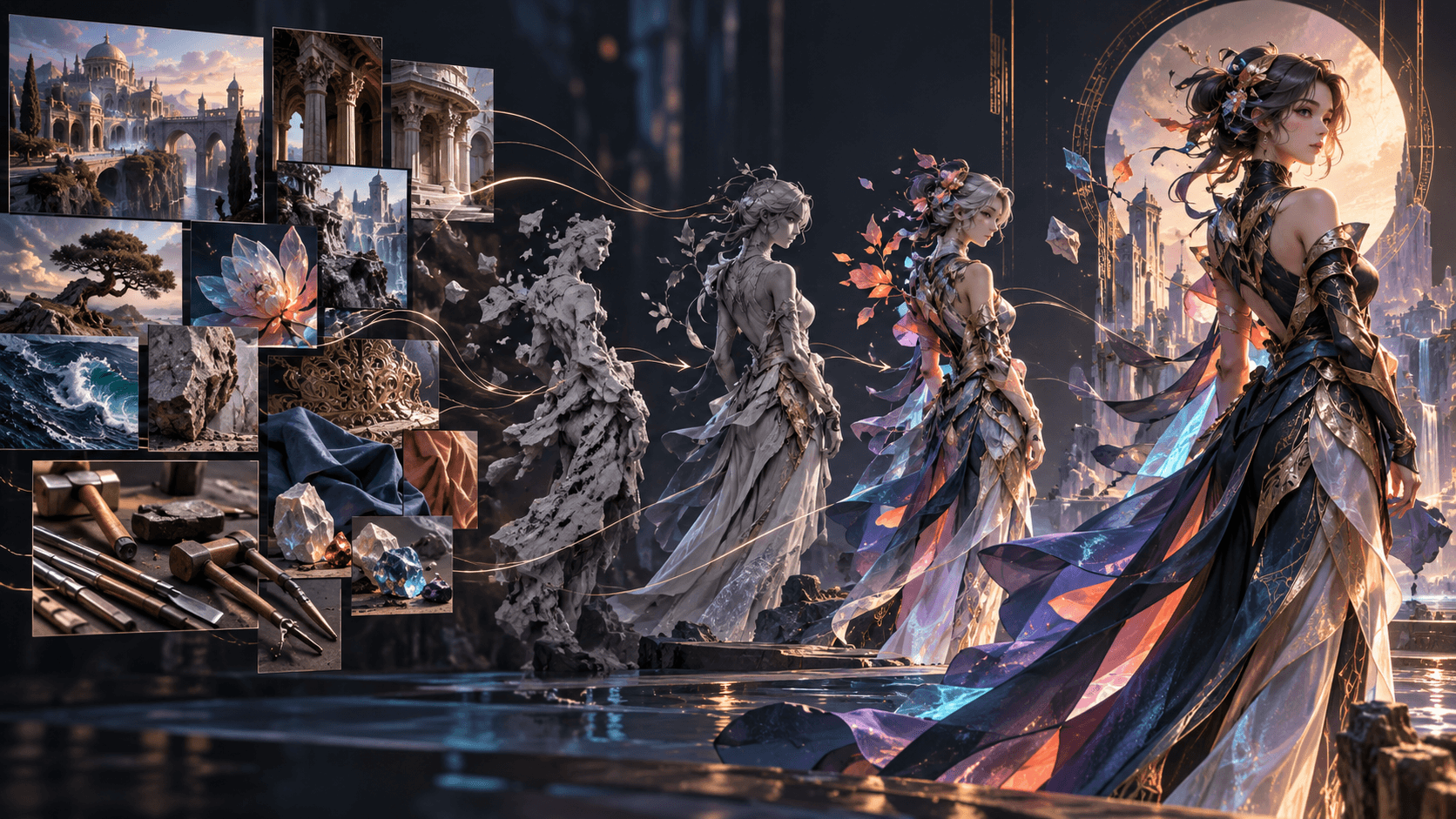
How to Create Animated Characters with AI: From Idea to Reusable Design

The biggest mistake in AI character creation is treating the character like a pretty portrait instead of a reusable design. If the character cannot survive different poses, angles, or scenes, it is not really ready for animation yet.

That is why high-performing character guides usually spend less time on flashy prompts and more time on role, silhouette, and consistency. The tools matter, but the design decisions matter more.

What to Figure Out Before You Generate Anything

Start with three questions:

1. what does this character do in the story?

2. what should make them recognizable from a distance?

3. what details must stay stable later?

Those three questions will usually improve the final character more than adding ten extra adjectives to a prompt.

The Role Comes First

A lead, rival, villain, mascot, and comic-relief character should not feel interchangeable. The role shapes:

- posture

- expression range

- costume logic

- color choices

- visual intensity

This is why good character articles often sound more like design coaching than tool tutorials.

Build a Silhouette People Can Read

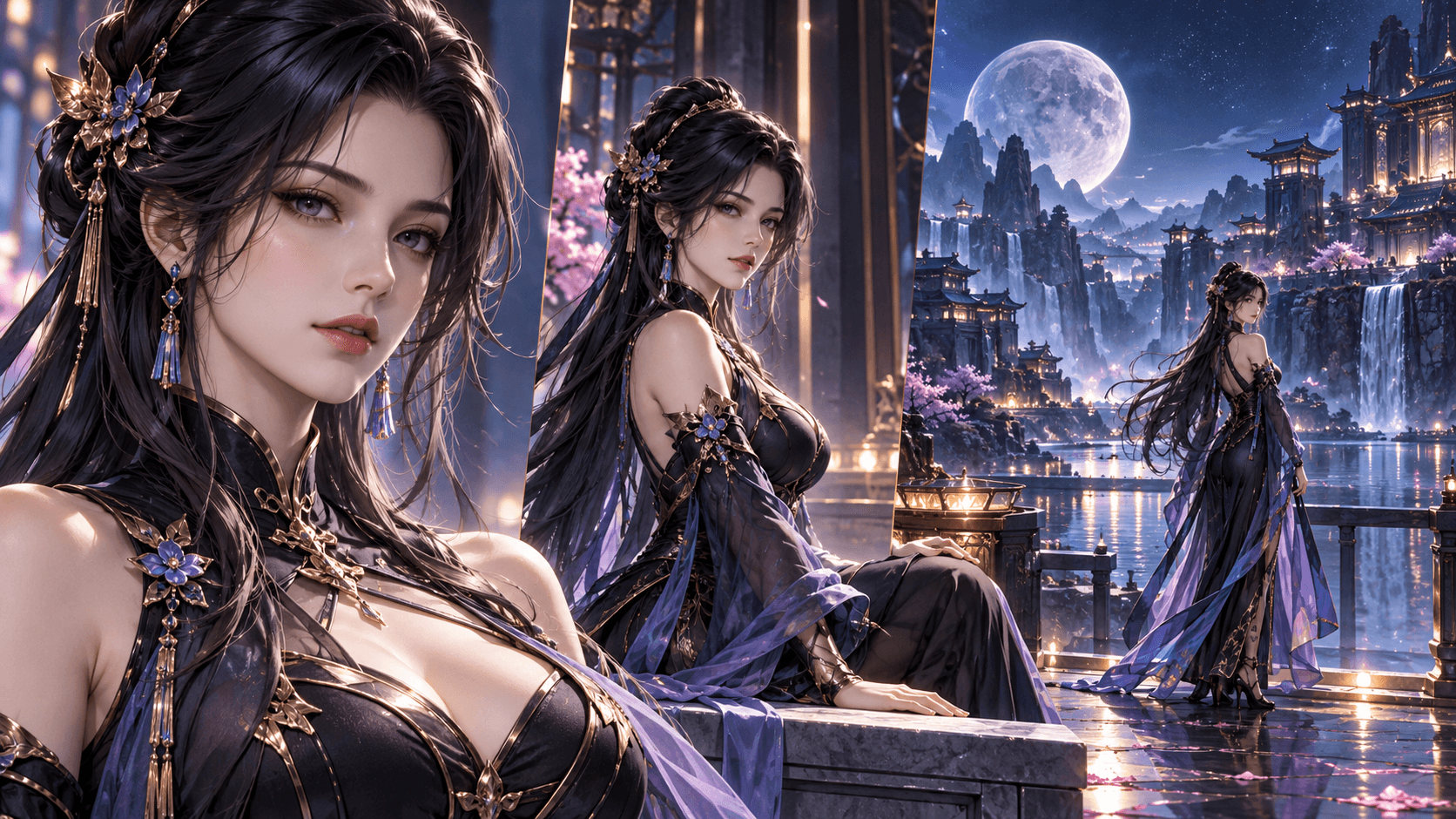
A strong character should still be recognizable before you zoom into the face. Hair shape, clothing outline, body language, and props all matter here.

An AI image generator helps because it keeps the identity part of the workflow in focus before motion and scene changes add more complexity.

Separate Fixed Traits From Flexible Traits

This is one of the most useful habits for any AI character workflow.

Fixed traits:

- face shape

- base hairstyle

- core outfit logic

- main color palette

Flexible traits:

- pose

- emotion

- camera angle

- lighting

When those two layers stay separate, later scene generation becomes much more stable.

Pick the Right Character Path

If your goal is anime-first or fandom-adjacent design, the AI image generator is usually the better starting point. If you need broader style flexibility, start from the AI character maker and then move the final design into your wider anime workflow when needed.

Save a Small Reference Pack

One image is not enough if the character needs to appear again. Save at least:

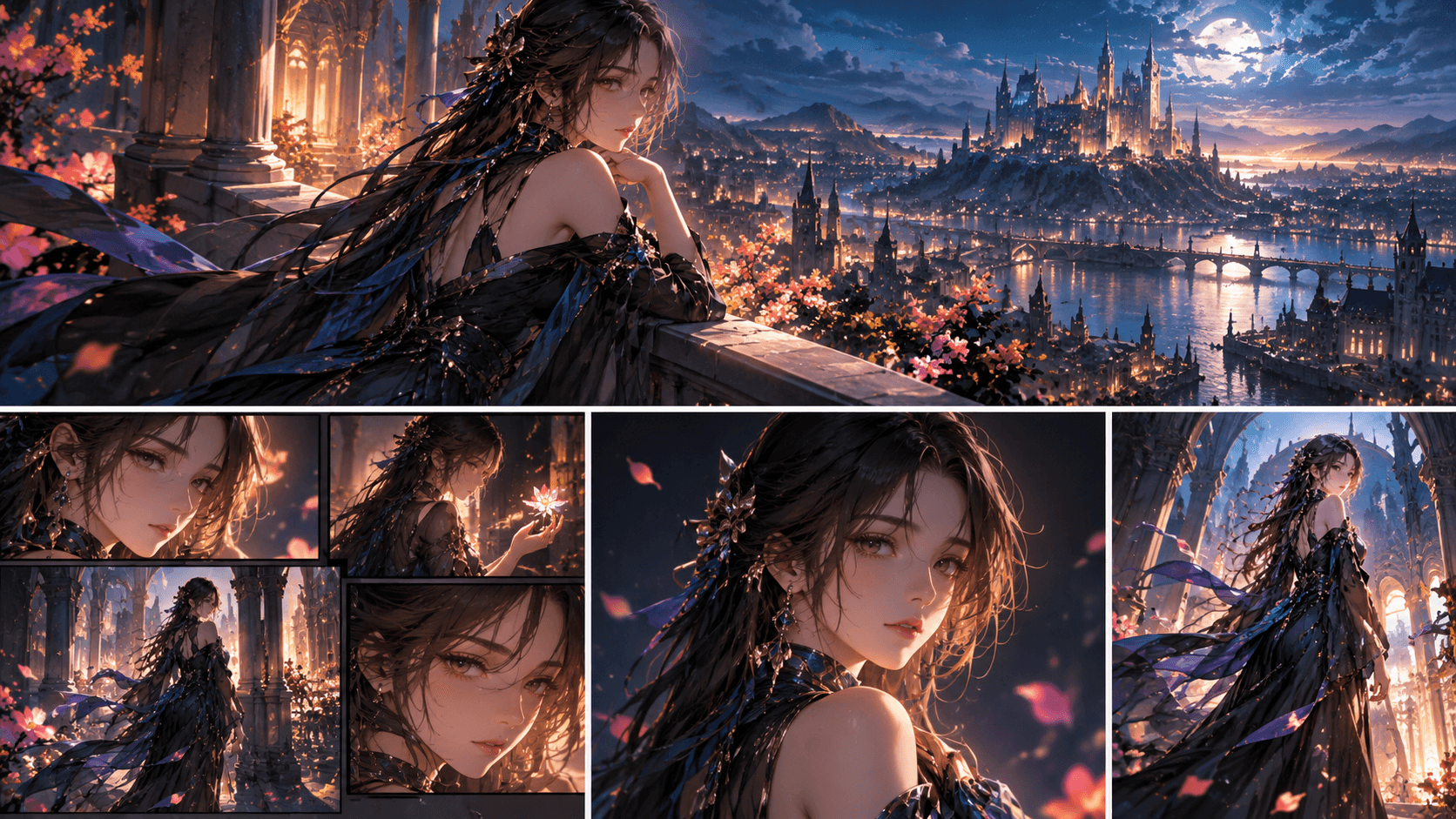
- one neutral portrait

- one expression variant

- one side or three-quarter angle

- one action-ready frame

That small set is enough for many creator workflows and is much more useful than dozens of random variations.

Design for Reuse, Not Just for the First Image

If the character is meant to live inside a story, use a storyboard pass to decide where the design will appear and what kinds of variation are actually needed. That changes the character from "cool output" into "production-ready asset."

Where Most AI Characters Go Wrong

- the role is vague

- the silhouette is weak

- the outfit logic keeps changing

- only one usable reference is saved

- animation starts before the design is stable

Build a Character Bible, Even If It Is Tiny

The phrase "character bible" sounds bigger than it has to be. For most creator workflows, it can be a one-page set of notes that explains how the character should behave visually.

A useful mini character bible can include:

- one-line role summary

- three visual keywords

- one sentence about personality

- a fixed outfit description

- a short color palette note

- a list of details that should never change

This small document does two important things. First, it keeps you from reinventing the character every time you write a prompt. Second, it makes later decisions faster because you are comparing new outputs against a standard instead of against your memory.

Think in Expression Sets, Not in Random Variations

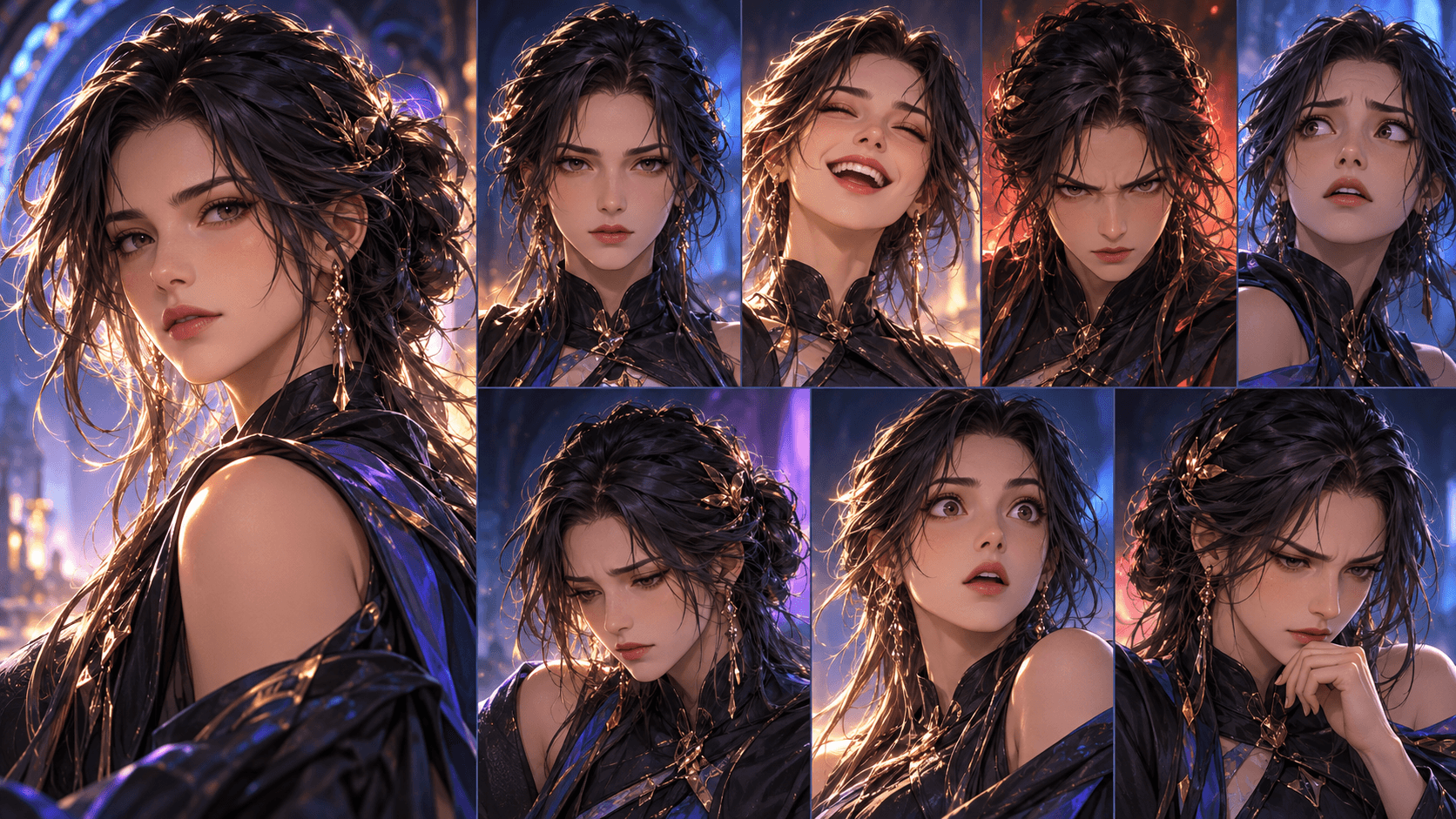
Many AI character workflows create lots of images but very few useful expressions. In practice, a reusable character needs a small emotional range more than endless visual variety.

For most animated or story-led projects, start with:

- neutral

- focused

- surprised

- angry or determined

- soft smile or relief

If those expressions look like the same person, the design is probably stable enough to move into scenes. If they look like five different characters, the design still needs work.

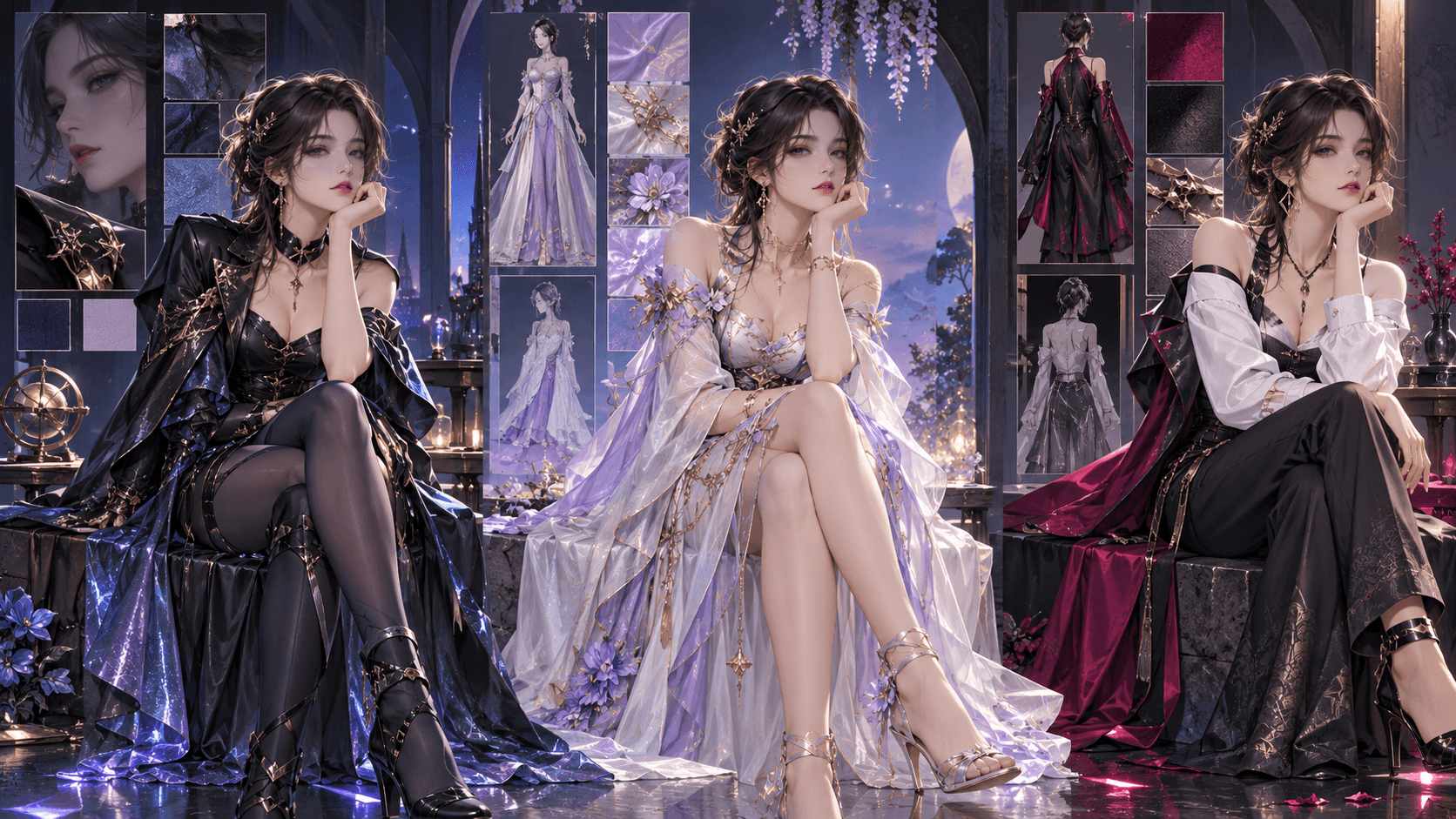
Clothing Logic Matters More Than Detail

Creators often over-focus on decorative details and under-focus on silhouette and repeatability. In motion or multi-scene work, readable clothing logic almost always matters more than how fancy the costume is.

Ask:

- does the outfit support the role?

- is it recognizable at medium distance?

- will the same shapes still make sense in different poses?

- is there one element that makes the silhouette memorable?

This is especially important when the character will later move through a larger anime workflow. Reusable design beats decorative noise almost every time.

What to Save for Later

A good character process does not need to solve every possible variation on day one. Some things can wait until the base identity feels stable.

Usually safe to delay:

- alternate costumes

- weapon variants

- special effects

- seasonal versions

- complex action poses

Design gets better when the core version becomes strong first. Variants are much easier once the base identity is already trustworthy.

A Strong Character Usually Feels Obvious

One sign that a character is working is that later decisions start to feel easier. You know what expression fits. You know what color adjustments feel wrong. You know when a pose breaks the identity.

That feeling is useful. It means the character has moved out of "interesting image" territory and into "creative asset" territory. That is the point where the design can support scenes, motion, and storytelling without falling apart every time the prompt changes.

Test the Character in a Real Scene Before You Approve It

A character can look strong in a neutral portrait and still fail once the scene adds lighting, angle changes, or movement pressure. Before you consider the design complete, place it into one simple scene context.

Good test situations include:

- a low-light close-up

- a medium-distance pose with background detail

- an emotional reaction shot

- a slight action pose or movement beat

If the character still reads clearly in those conditions, you probably have a design that can survive production. If not, it usually means the identity relies too much on one flattering angle.

Character Quality Shows Up in Decision Speed

Another sign that the design is ready is that you stop hesitating over basic choices. You know which hair variation is "off." You know when a pose looks too generic. You know when the expression fits the role and when it does not.

That speed matters because it saves time later in scenes and animation. A weak character design creates endless uncertainty. A strong one creates useful constraints.

If you want a character you can reuse across scenes, start with Elser AI and build the design as a reusable creator asset instead of a one-off image.