How to Make a Short Animated Film with AI for Free
If you want to make a short animated film with AI for free, the first thing to understand is that free workflows are usually good at testing, not at carrying a project forever. That does not make them useless. It just changes what kind of film you should try to make.
The creators who succeed with free AI filmmaking usually do one thing very well: they keep the project small enough to finish.
What "Free" Actually Means in Practice
In most AI workflows, free means:
- a limited free tier
- a trial period
- a small-credit system
- combining more than one tool
So the real goal is not "find unlimited free AI filmmaking." The goal is "use free tools in the part of the workflow where they help most."
Start With a Much Smaller Film Than You Want
The free version of a creator workflow works best for:
- a 10 to 30 second teaser
- a one-scene emotional clip
- a short character reveal
- a style test that could later become part of a bigger film
A five-minute film is a bad first free project. A clean 20-second scene is a great one.
Use Your Free Credits Where They Matter Most
Free systems usually punish waste more than anything else. That is why one strong source frame matters more than a pile of weak motion attempts. If the source image works, you can move it into the AI video generator later instead of burning time on random generations.
Treat Free as Discovery, Not Final Production
Use the free phase to answer:
- what style looks best?
- which character design is strongest?
- which shot is worth expanding?
Once you know the answer, you can decide whether the film still fits the free path or needs a fuller AI video generator workflow.
The Real Limitation Is Usually Control
What breaks first in free filmmaking is often not quality. It is:
- fewer retries
- weaker settings
- export limits
- poor continuity across scenes
That is why the smartest free workflow is often a two-stage process: experiment for free, then move the strongest idea into a more stable system.
A Smarter Free Workflow Starts With Reuse
The biggest waste in free creation is rebuilding the same idea over and over. If you want a free workflow to last longer, reuse more than you regenerate.
That usually means:
- pick one subject and keep it
- keep one visual direction instead of testing five
- reuse the strongest source image for multiple motion tries
- keep your runtime short enough that one scene can carry the whole idea
Free projects become much more realistic once you stop thinking like every test must begin from zero.
What to Spend Time On Instead of Credits
When budget is tight, trade money for planning.
Good planning work includes:
- shortening the script
- cleaning the shot list
- collecting references
- deciding what the ending image should be
- writing a more constrained prompt before generation
These cost time rather than credits, and they often improve the final project more than another random generation pass would.
Best Free Film Formats for Different Goals
If the goal is storytelling, try:
- a one-scene reveal
- a before-and-after mood change
- an arrival or departure moment
If the goal is style testing, try:
- one environment test
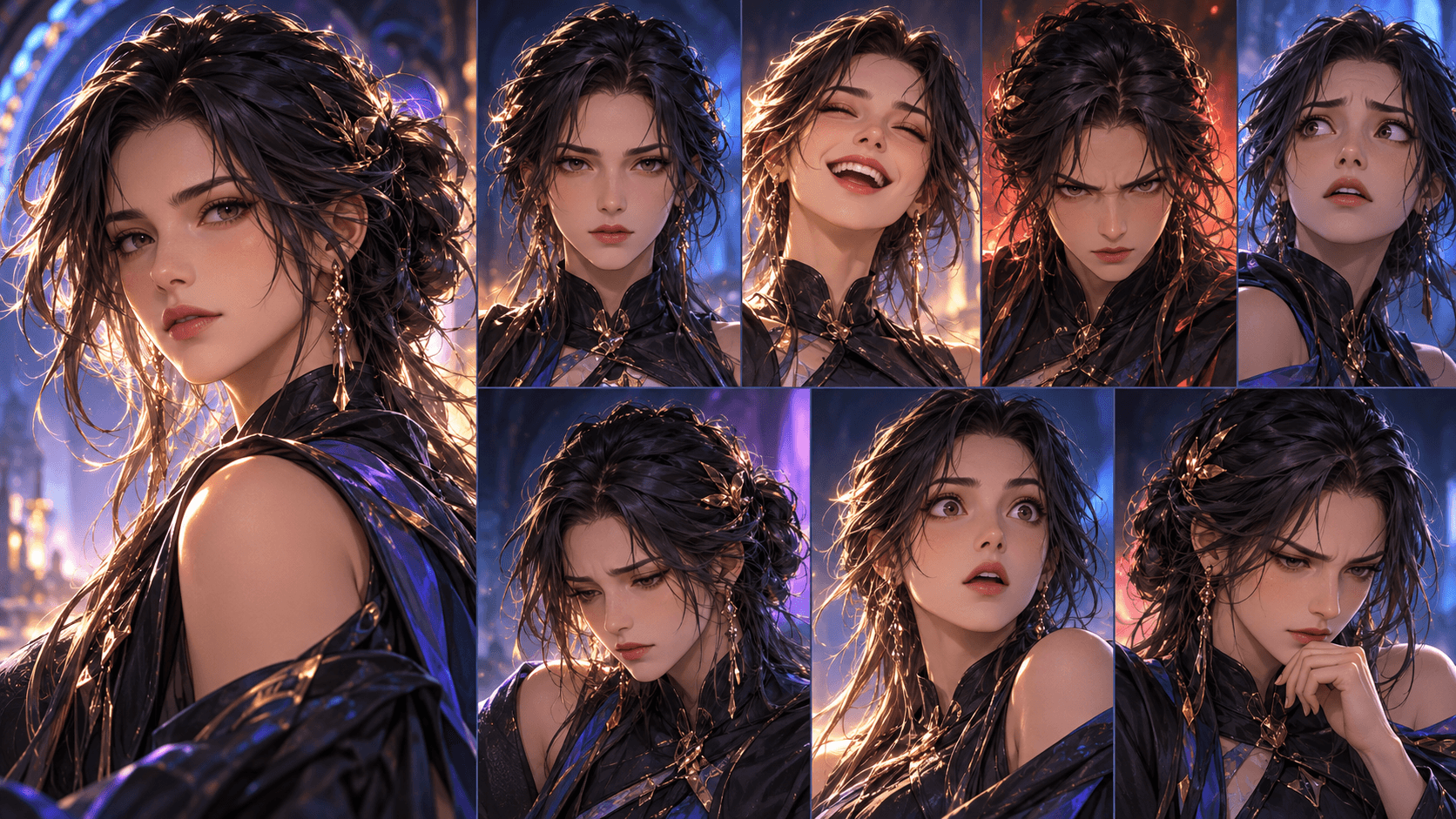
- one recurring character in two expressions
- one cinematic shot with subtle motion
If the goal is social sharing, try:
- a 10-second emotional clip
- a micro trailer
- a transformation moment
Each of these formats uses free resources differently, so picking the right one early saves a lot of frustration.
The Point Where Free Stops Helping
There is a moment in almost every free workflow where the project becomes less about generation and more about continuity. That is the moment where free systems start to resist you.
Typical signs include:
- you cannot get the same character twice
- the best version is trapped in one still image
- the project needs cleaner scene flow than the free tier allows
- you are spending more time dodging limits than making the film
Once that happens, the free workflow has done its job. It helped you discover the right direction. After that, a more stable creator pipeline is usually the smarter move.
Free Success Usually Looks Small but Clean
The strongest free AI films are rarely big. They are short, clear, and surprisingly finished. That is a useful benchmark to keep in mind. If you are deciding between a chaotic 90-second experiment and a clean 20-second scene, the shorter piece is often the better project.
A Good Free Project Should Teach You Something Specific
Before you start, decide what the free project is supposed to teach you. Maybe you want to learn:
- whether one character design holds up
- whether a certain art direction feels cinematic
- whether a short scene can carry emotion
- whether a teaser format is worth developing further
That learning goal keeps the project focused. Without it, free creation often turns into random testing with no clear decision at the end.
Build a "Free First, Paid Second" Mindset
For many creators, the smartest route is not choosing between fully free and fully paid. It is using free space for discovery, then moving the strongest version forward only after the concept proves itself.
That means the free workflow is doing pre-production work:
- testing the art direction
- finding the strongest opening shot
- confirming that the character reads well
- discovering whether the idea deserves a longer build
When you treat the free stage this way, the output becomes much more useful because every experiment is serving a decision.
What Not to Try in a Free Workflow
Free tools become frustrating when the concept depends on long continuity, complex dialogue timing, or too many scene variations. That is why it is usually smarter to avoid:
- multi-location stories
- cast-heavy scenes
- long chase or fight sequences
- anything that needs many retries to stay consistent
The more the project depends on control, the less likely a fully free workflow will stay enjoyable.
That is not a failure of the creator. It is simply the point where the project has outgrown the testing stage.
Knowing where that line is helps you protect both time and motivation.
That clarity is often what makes a free workflow feel empowering instead of frustrating.
If your test scene is working and you want a stronger production path, move into Elser AI and build the next version with a more structured workflow.