Professional AI Comic Generator: Is It Good Enough for Real Publishing? (2026 Review)
Let’s address the elephant in the room.
If you’re a professional comic artist or publisher, you’re probably skeptical of AI. “It can’t handle complex anatomy. It doesn’t understand panel flow. The characters all look the same.”
I was skeptical too. I’ve been in the indie comics scene for a decade. I’ve seen AI tools come and go.
But in 2026, something changed. Professional AI comic generator tools like Elser’s latest version are now being used by small presses and even some mainstream publishers for backgrounds, color flats, and even full short stories.
I spent two weeks testing Elser’s comic mode against professional benchmarks: character consistency, panel variety, speech bubble placement, and print resolution.
Here’s my honest review – including where it’s ready for prime time and where it still needs human help.
What “Professional” Means in 2026
A professional comic generator must deliver:
- Print-ready resolution (at least 300 DPI, 8.5×11 inches).
- Character consistency across dozens of panels.
- Style flexibility (manga, manhua, American, European).
- Export options (print PDF, web PNG, video MP4).
- Legal safety (no accidental copyright infringement).
Elser checks all these boxes. But let’s dig deeper.
Test 1: Character Consistency Across 20 Panels
I created a 20-panel short story: “A detective hunts a phantom thief.” 4 main characters. 20 panels.
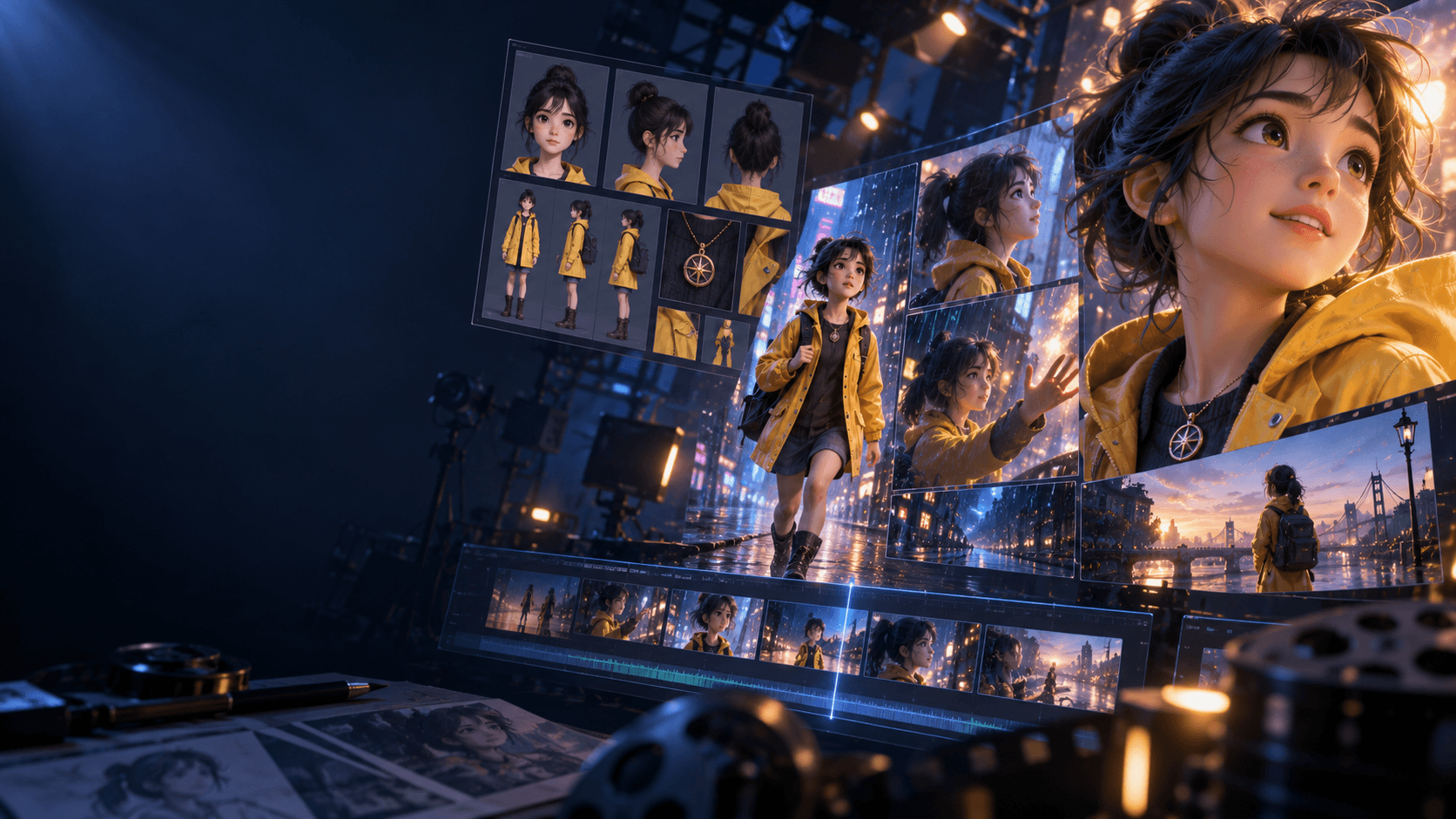
I locked each character in Elser (uploaded 2-3 reference images each). Then I generated all 20 panels using a mix of prompts.
Result: Faces were 95% consistent. Minor variations in eye shine and hair highlights, but nothing that broke the illusion. For comparison, most free tools lose consistency after 3-5 panels.
Verdict: Professional grade for consistency. You’d still want a human to touch up a few panels, but it’s close.
Test 2: Panel Layout and Flow
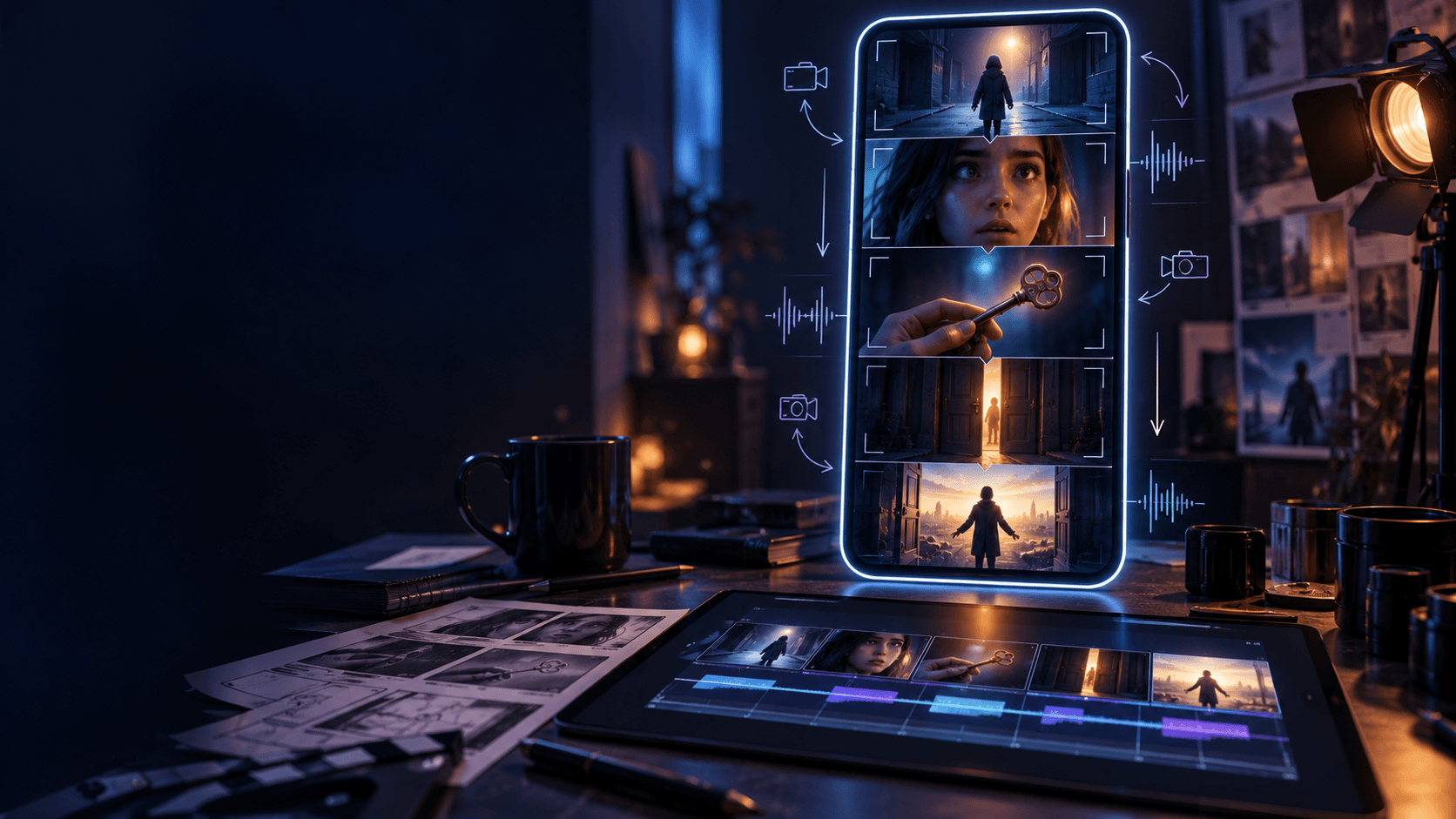
Elser offers multiple layouts: classic 2×2, 1 top + 2 bottom, 3 rows, left/right feature, etc. You can also create custom layouts.
I tested the “Story Mode” where GPT-2 suggests panel splits. For example, a dialogue-heavy scene got more small panels; an action scene got fewer, wider panels.
Result: The AI’s layout suggestions were surprisingly good. Not perfect – sometimes it over-splits a simple action. But you can manually adjust in seconds.
Verdict: Good for first drafts. Professional creators will still tweak, but it saves hours of thumbnailing.
Test 3: Style Accuracy
I asked Elser to generate the same scene in 5 styles: Shonen Manga, American Marvel, Chinese Manhua, European BD, and Ghibli.
Result: Each style was instantly recognizable. The Shonen had speed lines and exaggerated expressions. The European BD had softer lines and muted colors. The Manhua had flowing capes and dramatic angles.
Verdict: Excellent. Elser’s style library is one of the best in any AI comic tool.
Test 4: Print Resolution
I exported a 6-panel comic as PDF at 300 DPI. Checked it on a 4K monitor and printed a test page.
Result: Lines were crisp. Colors were accurate. No pixelation. Text (speech bubbles) was sharp even at small font sizes.
Verdict: Ready for print. Self-publishers can use Elser for zines, minicomics, even small-run graphic novels.
Test 5: GPT-2 Integration for Scripts
The GPT-2 model is not the biggest or smartest (GPT-4 is overkill for comics). But it’s fast and specialized. It understands comic tropes: cliffhangers, reaction shots, silent panels.
I gave it a rough outline: “Hero loses her power, then finds inner strength.” GPT-2 generated a 12-panel script with dialogue and panel descriptions.
Result: Usable out of the box. I made about 20% edits – mostly polishing jokes. But it gave me a structure that would have taken an hour to outline manually.
Verdict: Huge time-saver. Not a replacement for a human writer, but a fantastic co-writer.
Where AI Still Needs Humans
Let me be transparent. Elser is not perfect.
- Complex action sequences (e.g., a martial arts fight with multiple limbs) can get muddled. The AI sometimes draws hands wrong or blends bodies.
- Emotional subtlety – a “slight smirk” vs. “happy smile” – can be hit or miss. You may need to regenerate a few times.
- Background details – if you ask for a specific object (a “vintage 1950s radio”), the AI might give you something generic.
Solution: Use Elser for 80-90% of the work. Then do a quick human pass in Photoshop or Procreate to fix hands and add specific details. That hybrid workflow is what professional indie creators are using today.
Summarize
Yes, a professional AI comic generator is finally good enough for real publishing – if you use it as a tool, not a magic wand.
Elser’s character locking, style library, and GPT-2 script assistance are genuinely professional grade. You’ll still need a human eye for final polish, but the time and cost savings are undeniable.
I’ve already used Elser to produce two 16-page zines that sold at a local comic con. No one knew AI was involved until I told them.
Ready to Go Pro?
If you’re a serious creator or small publisher, stop sleeping on AI. Try Elser’s Pro trial – they offer a 7-day money-back guarantee.
👉 Start your professional AI comic trial at Elser
Then send me your published comic. I’d love to see what you create.