From Reference to Result: Mastering the AI Image Generator from Image Workflow in 2026
For most of 2024 and 2025, the AI image generation community was obsessed with prompt engineering. The belief was simple: if you could describe a scene perfectly, the model would deliver. But as any professional creative director will tell you, text is lossy. A “vintage sci-fi control room” means something different to every model and every seed.
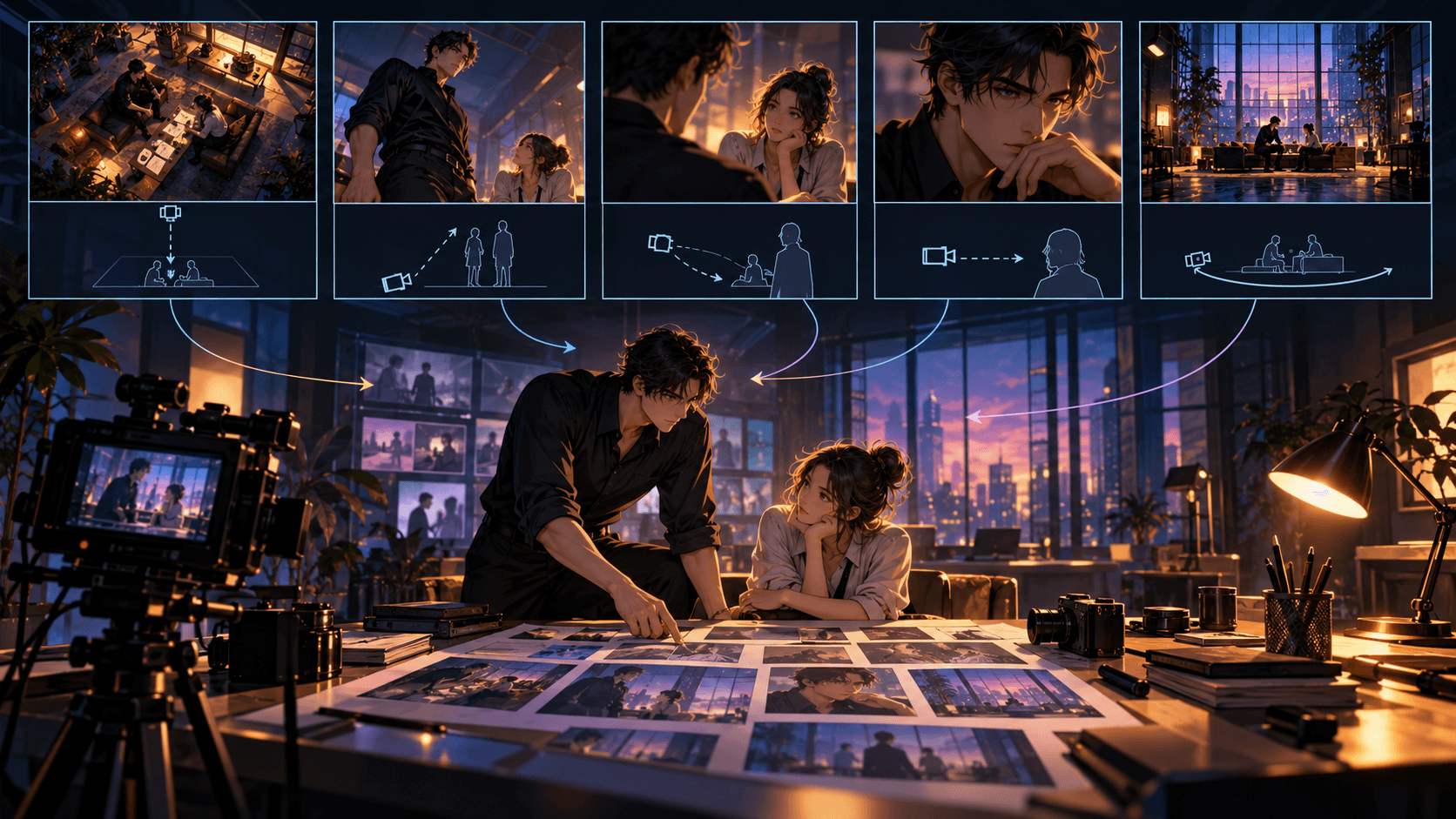
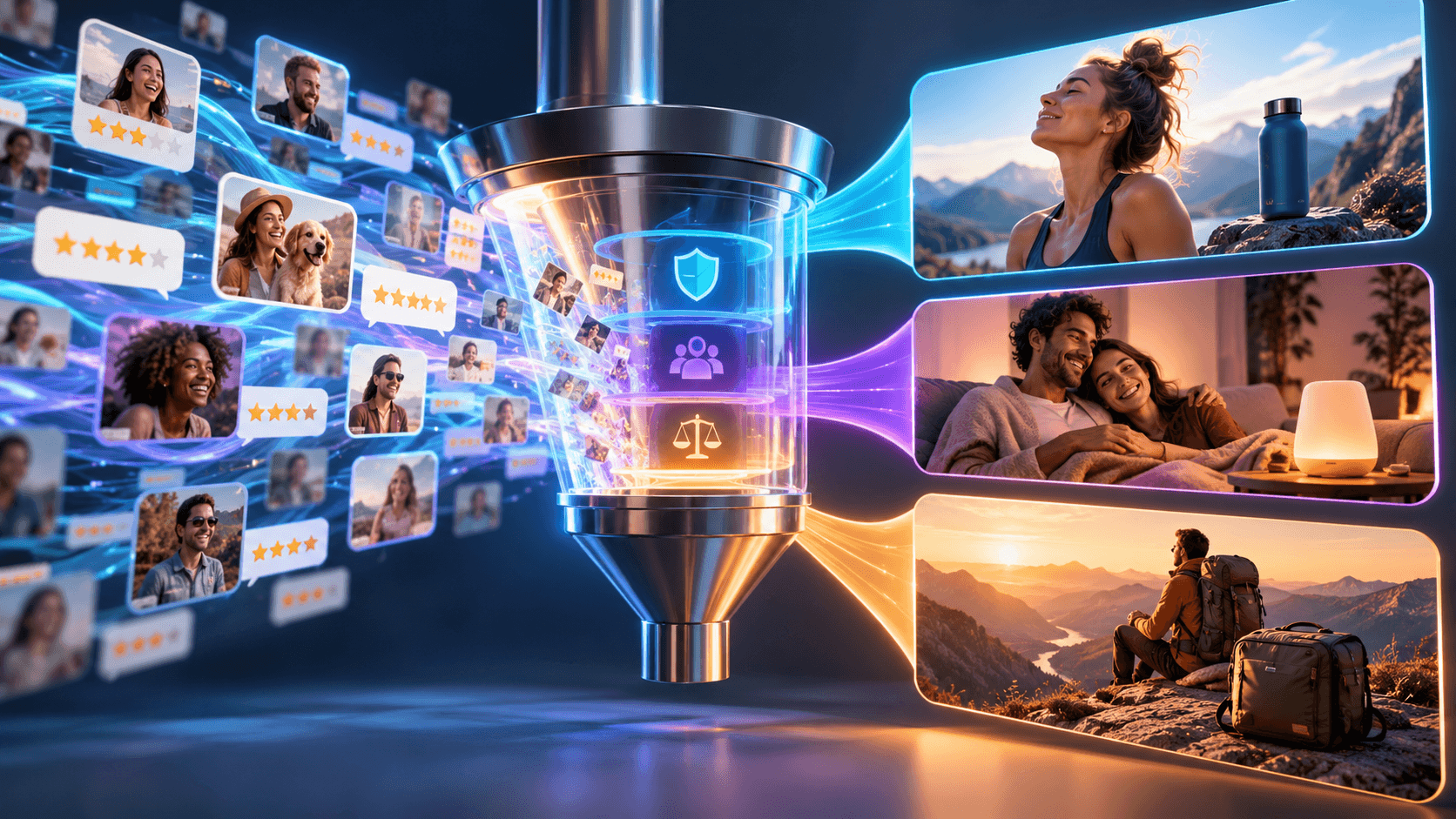
That’s why the industry quietly pivoted, starting in late 2025 and accelerating through the first half of 2026. AI image generator from image is no longer a niche feature – it has become the default workflow for teams that need predictable, repeatable results. Instead of fighting with adjectives, you supply a reference frame: a sketch, a brand asset, a product photo, or a style guide. The model then respects that visual anchor across multiple generations.
Why 2026 Is the Year of Reference-Based Generation
Three major shifts happened in the last six months:
1. Diffusion Transformer (DiT) architectures matured. Models like FLUX.2 (released March 2026) and Ideogram V3 (April 2026) introduced native “image conditioning” layers. They no longer treat your reference as a noisy afterthought; they treat it as the primary signal.
2. ControlNet-style modules became baked-in. Where users once needed separate plugins, today’s best AI image generator from image solutions include depth‑aware, edge‑aware, and pose‑aware conditioning out of the box.
3. Multi‑modal understanding improved drastically. The same underlying technology that powers Kling 3.0 and Veo 3.1 for video also powers image‑to‑image pipelines with semantic preservation. The AI understands what to keep (lighting, texture, identity) and what to change (pose, background, expression).
The Problem: Static Images Are Not Enough
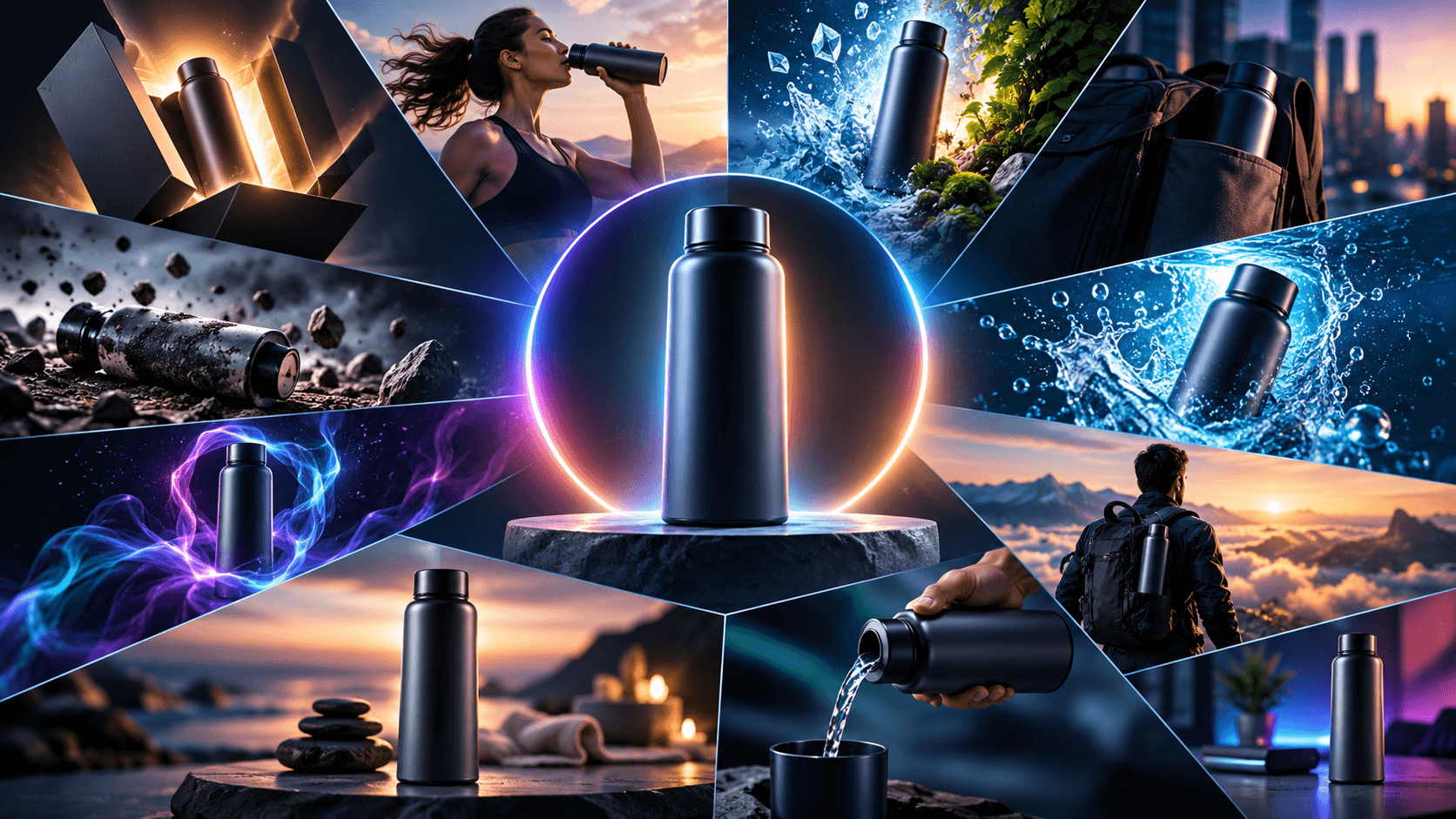
Even the best AI image generator from image leaves you with a single frame. A marketing team might generate fifty product variations in an hour – but each one is a still. In today’s social‑first ecosystem, still images have less than half the engagement of short‑form video. And more importantly, consistency across motion is where most workflows break.
This is the gap that Elser AI was built to close.
From Static to Cinematic: The Elser AI Workflow
Elser AI is not an image generator. It is a video generation platform that excels at taking the output of any AI image generator from image – or any standard camera, or any design tool – and animating it with frame‑perfect identity preservation.
Here is how professionals are combining tools today:
- Step 1 – Generate or source your anchor image. Use FLUX.2, Ideogram V3, or even a smartphone photo. The only requirement is that it clearly defines the character, object, or environment you want to animate.
- Step 2 – Upload to Elser AI. Elser’s multi‑agent system analyzes the image: depth map, segmentation, facial landmarks, texture palette. It creates a “visual fingerprint.”
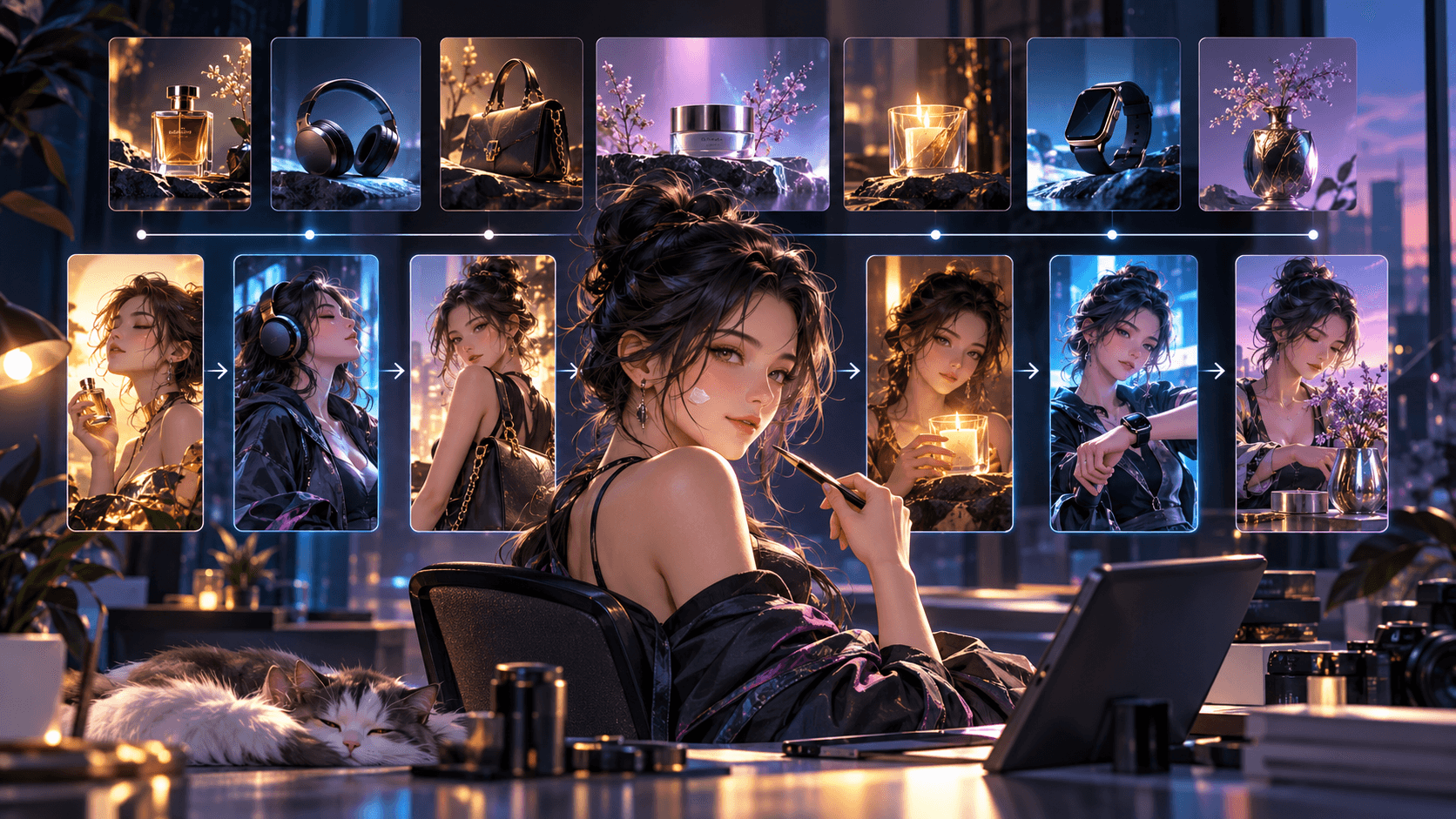
- Step 3 – Animate with natural motion. You can describe the action (“character looks to the right and smiles”) or use Elser’s pre‑built motion presets. Because Elser treats the original image as the source of truth, you will not see the morphing or identity drift that plagues generic video models.
Quantitative Advantage: Consistency Benchmarks
In internal tests conducted by Elser using the VBench‑2026 identity‑preservation suite, the platform achieved a 32% higher mean similarity score compared to standard video diffusion models when the input was a single reference image. For teams that rely on AI image generator from image to create serialized content – ads, character‑driven shorts, product demos – this is the difference between a usable asset and a rejected render.
The 2026 Landscape: Where Elser Fits
Let’s be precise about the competitive set:
- Runway Gen‑4 offers excellent cinematic motion but struggles with strict identity lock on user‑supplied images.
- Kling 3.0 has impressive physics but lacks fine‑grained reference conditioning; it often reinterprets your character.
- Veo 3.1 Fast prioritizes speed over detail, and its image‑to‑video mode is limited to 720p.
- LTX‑Video is fast and lightweight but quality drops significantly on complex scenes.
Elser AI is the only platform in this cohort that specializes in preserving the exact visual identity from an input image while still delivering 1080p/60fps output at competitive generation speeds. It is designed for teams that already use an AI image generator from image for asset creation and need a reliable video layer.
Ready to Move Beyond Still Frames?
If you have already adopted image‑to‑image generation in your workflow, adding Elser AI is the single most impactful upgrade you can make in 2026. You keep your existing creative pipeline – your reference images, your brand assets, your character sheets – and you gain the ability to transform any static asset into a production‑ready video clip.
Try Elser AI today at https://www.elser.ai/. No complex integration, no prompt gymnastics. Upload an image, describe the motion, and get consistent, professional video in minutes. Thousands of marketing teams and content creators have already switched from generic video tools to Elser. You can start with a free trial and see the identity‑preservation difference for yourself.