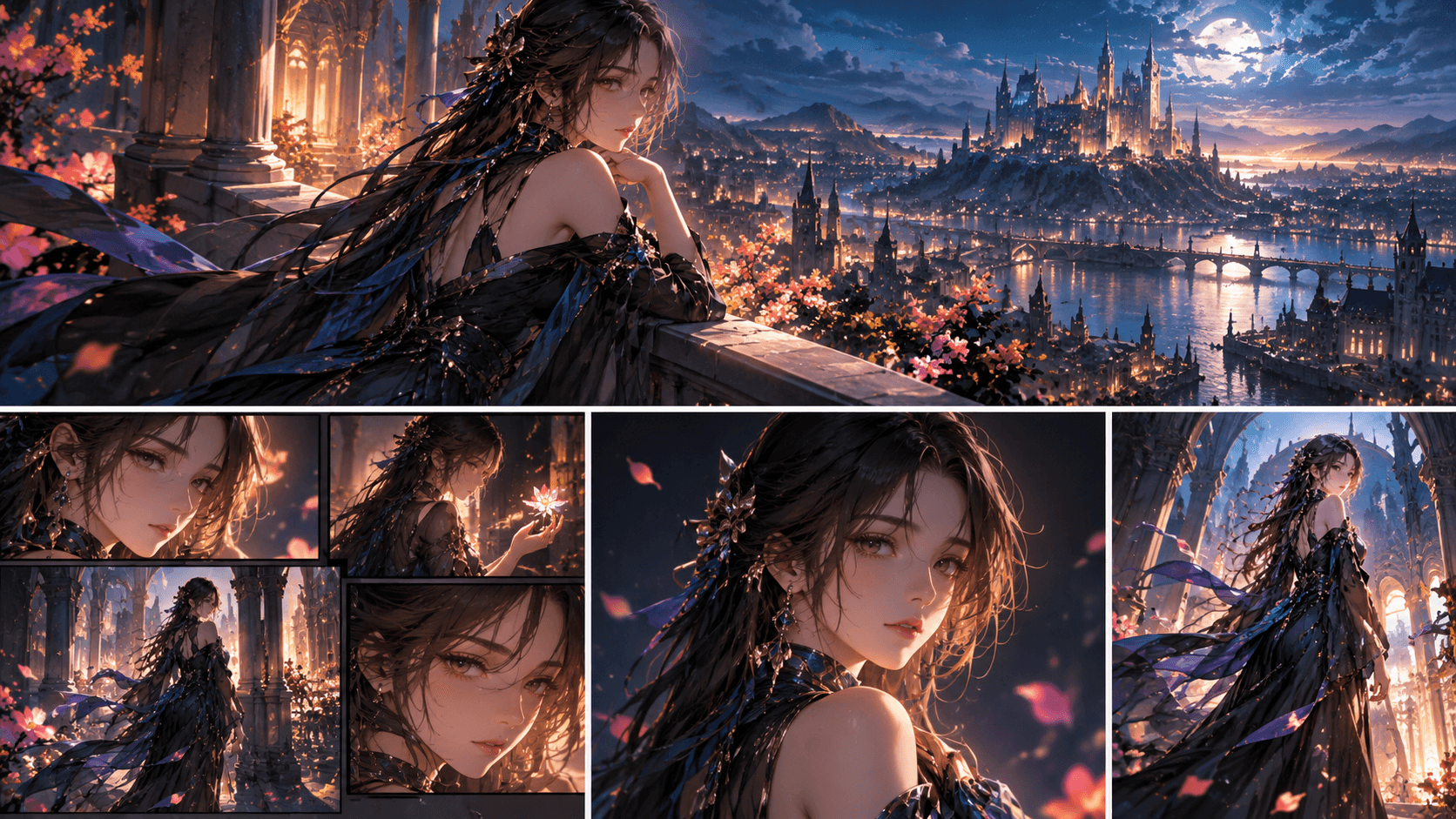
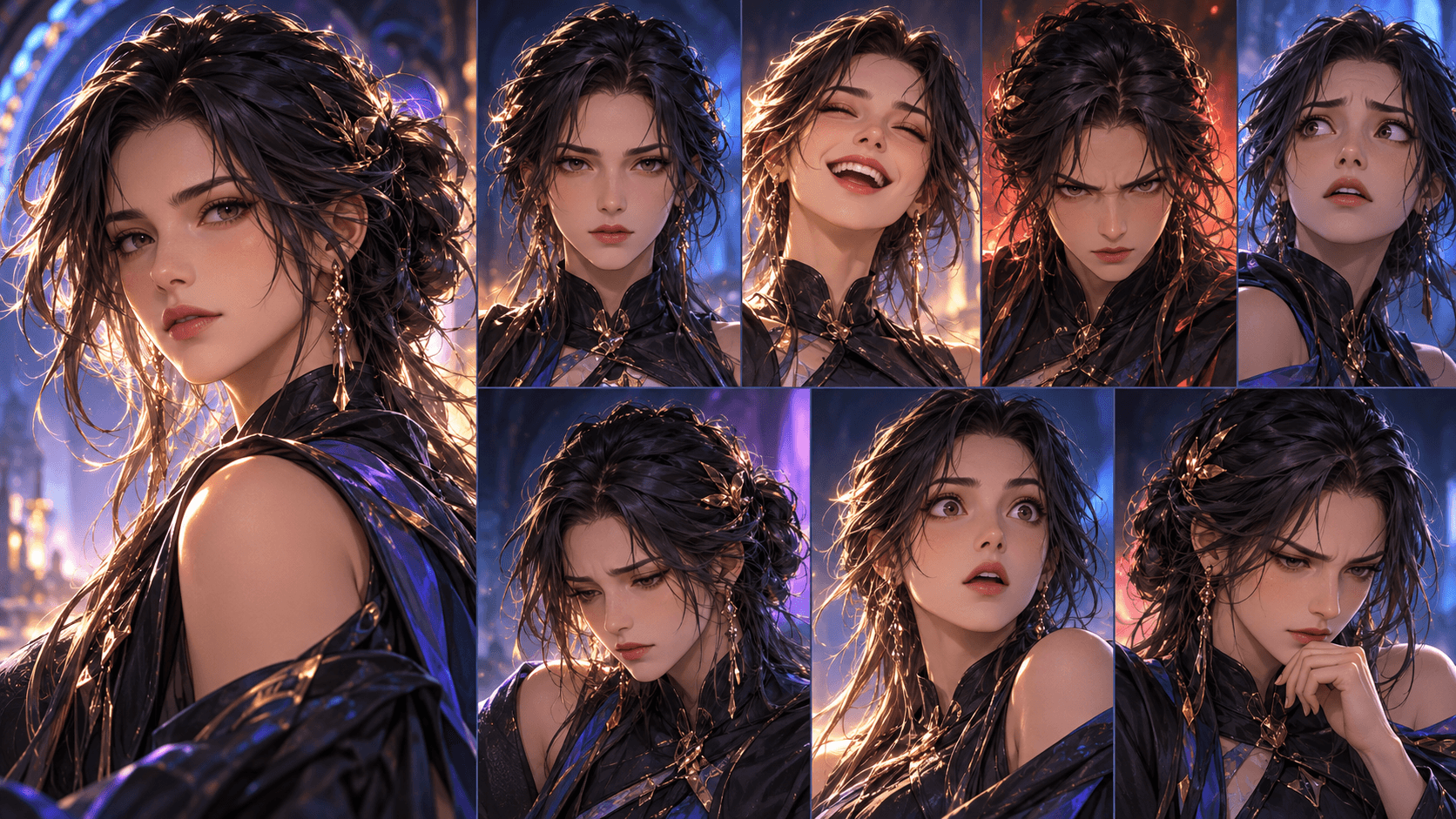
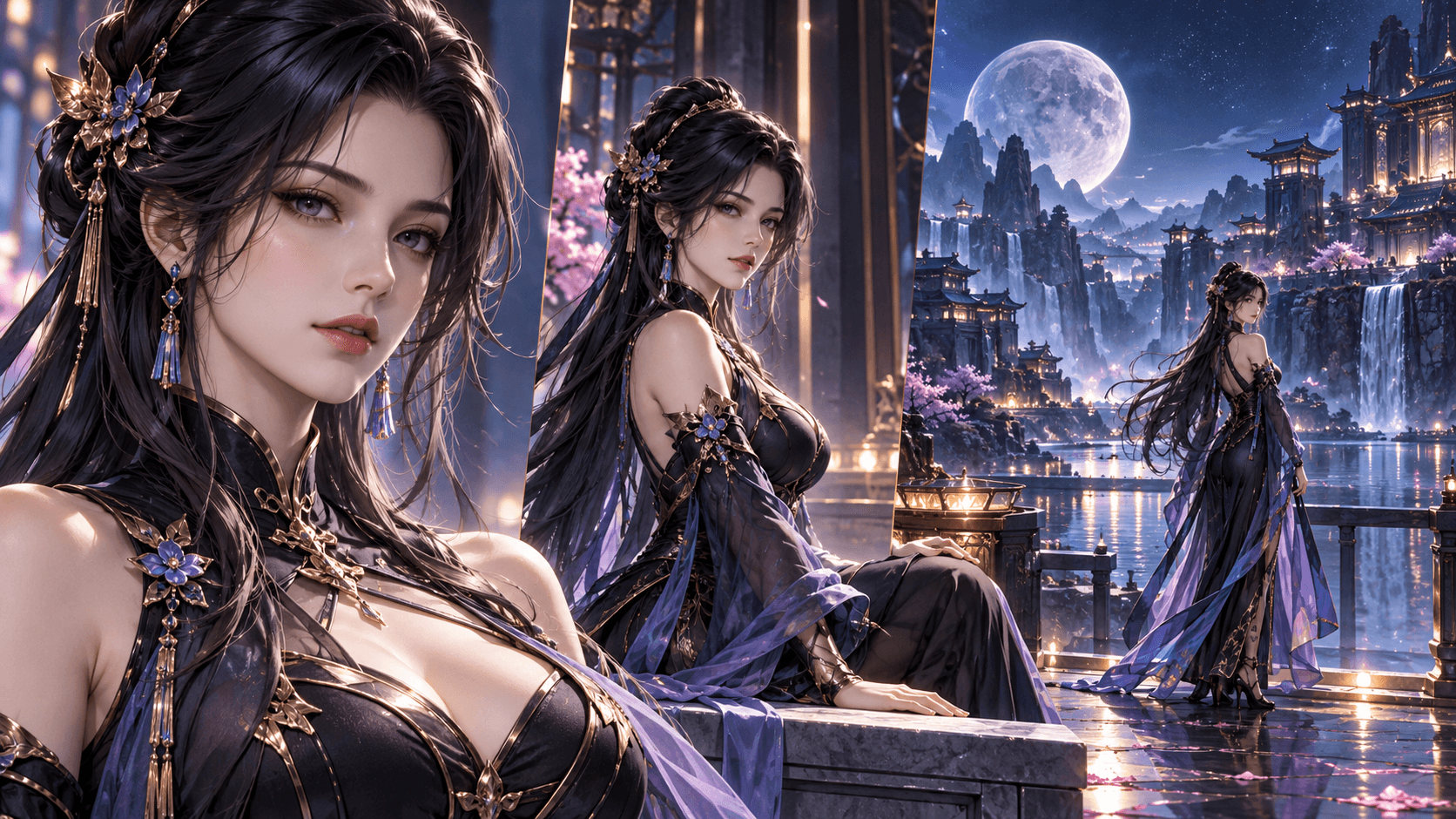
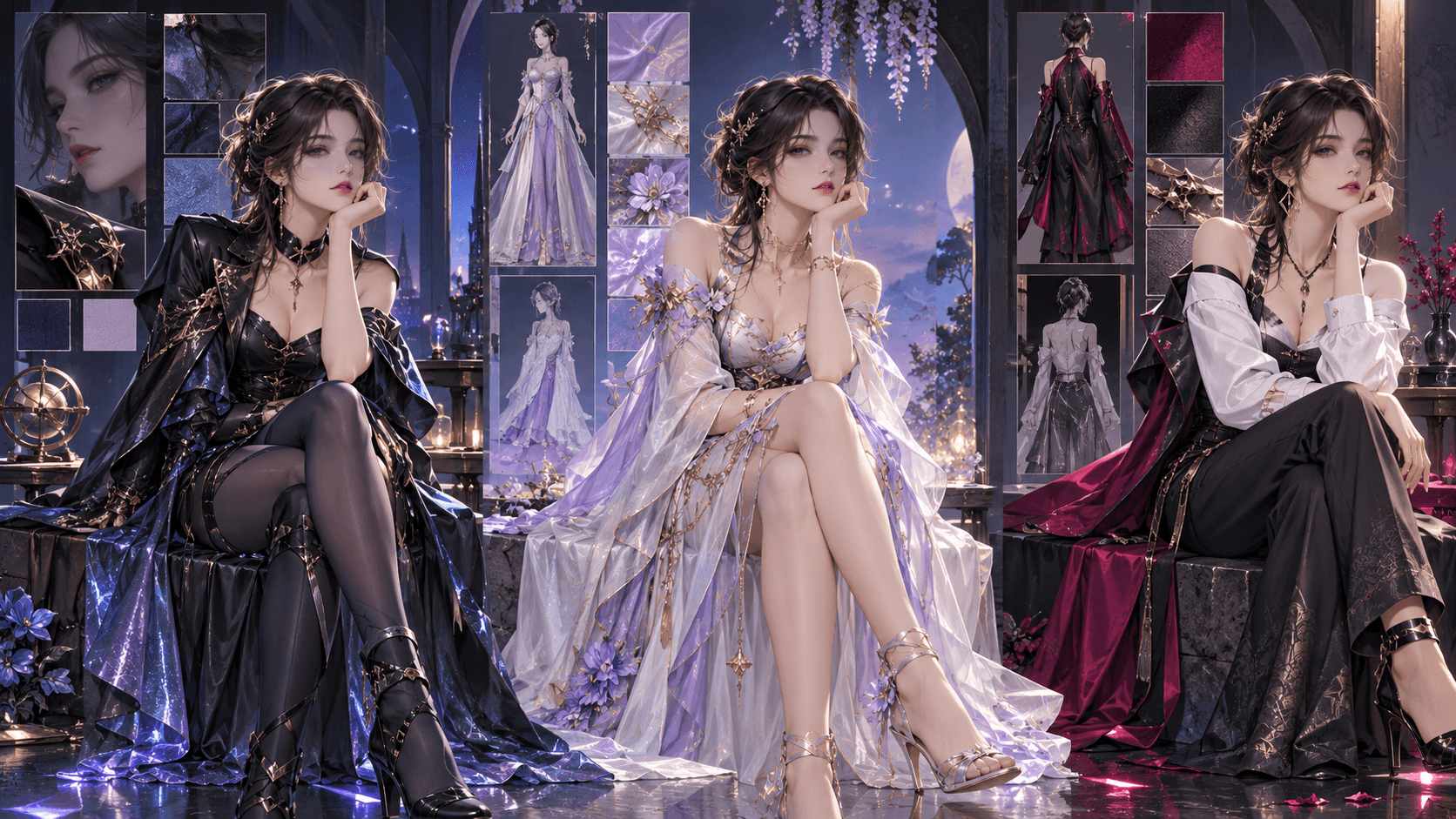
Best Character Consistency Prompts for AI Video: Keep the Same Face, Outfit, and Style Across Scenes
Character consistency is one of the biggest challenges in AI video creation, but it is also one of the easiest problems to improve once you stop writing prompts randomly.
Most creators lose character identity because every prompt redefines the character slightly differently. Scene one says “a cute anime girl with red hair.” Scene two says “a brave young heroine with crimson hair.” Scene three says “a cinematic fantasy character with beautiful red hair.” Those descriptions sound similar to a human, but to an AI model they are not identical. Each phrase pulls the generation toward a slightly different visual interpretation.
A character consistency prompt template solves this by separating what must stay fixed from what can change. The character identity becomes a stable block. The action, camera, lighting, and environment become flexible scene variables.
This article gives you practical character consistency prompt templates for AI video, but the deeper goal is to help you build a repeatable production workflow. Templates are not magic. They work because they force consistency at the language level and remind the model which details matter most.
The Core Structure of a Character Consistency Prompt
A strong character consistency prompt has five parts: identity lock, scene action, camera direction, lighting/style control, and negative restrictions.
The identity lock defines who the character is and what must not change. This includes face, hairstyle, outfit, body proportions, accessories, color palette, and art style.
The scene action defines what happens in this specific clip. The action should be simple and clear.
The camera direction defines framing and movement. This helps avoid random visual behavior.
The lighting/style control keeps the scene visually compatible with previous shots.
The negative restrictions tell the model what to avoid: face drift, outfit changes, body shape changes, style drift, extra characters, distorted hands, or identity morphing.
A basic template looks like this:
“Use the same character from the reference image. Preserve the exact [identity details]. In this scene, the character [action]. Camera: [shot type and movement]. Lighting/style: [visual direction]. Keep the character identity consistent across the entire clip. Do not change [protected elements].”
This structure works for anime, 3D cartoon, realistic characters, mascots, product spokespersons, and virtual influencers.
Template 1: Universal Character Identity Lock
“Use the same character from the reference image. Preserve the exact face shape, eye shape, eye color, nose, mouth, jawline, hairstyle, hair length, outfit, accessories, body proportions, silhouette, color palette, and overall art style. Keep the character identity consistent across the entire video. Do not change the face, outfit, hairstyle, age, body shape, accessories, or style.”
This is your base identity lock. Use it whenever character preservation matters. It is intentionally broad because it protects the full character, not just the face.
Best for: multi-scene AI videos, story videos, character intros, YouTube Shorts, anime scenes, product spokesperson clips.
Template 2: Anime Character Consistency
“Use the same anime character from the reference image. Preserve the exact anime face design, eye shape, eye color, hairstyle silhouette, hair length, outfit, accessories, body proportions, color palette, line-art quality, and cel-shaded anime style. In this scene, the character [action]. Camera: [movement]. Lighting: [style]. Do not make the character realistic, 3D, older, younger, or visually different.”
This template is designed for anime AI video generation. It specifically protects anime style because many models drift toward semi-realism when prompts include cinematic words.
Example:
“Use the same anime character from the reference image. Preserve the exact anime face design, large blue eyes, short silver hair, oversized green hoodie, white sneakers, small star hairpin, short body proportions, pastel color palette, soft line-art quality, and cel-shaded anime style. In this scene, the character walks through a quiet school hallway and looks toward the window. Camera: medium side tracking shot. Lighting: soft afternoon light. Do not make the character realistic, 3D, older, younger, or visually different.”
Template 3: Realistic Human Character Consistency
“Use the same realistic person from the reference image. Preserve the exact facial identity, including face shape, eye spacing, eye color, nose shape, mouth shape, jawline, skin tone, hairstyle, hairline, age, body proportions, clothing, and natural expression style. In this scene, the person [action]. Camera: [shot type]. Lighting: [lighting]. No face morphing, no age change, no beauty-filter transformation, no identity drift.”
This template is useful for realistic AI video, virtual presenters, app promos, lifestyle ads, and cinematic human scenes. It avoids vague words like “beautiful” because those can unintentionally reshape the face.
Template 4: Brand Mascot Consistency
“Use the same mascot from the reference image. Preserve the exact head shape, eyes, mouth, body shape, costume, logo placement, brand colors, proportions, and overall character design. In this scene, the mascot [action]. Camera: [movement]. Keep the mascot friendly, recognizable, and on-brand. Do not change the logo, colors, costume, facial design, or body proportions.”
Mascots rely heavily on silhouette and color. This template protects brand recognition.
Best for: product videos, social media ads, educational characters, brand explainers, game mascots.
Template 5: Outfit Preservation
“Keep the exact same outfit from the reference image: [describe clothing clearly]. Do not add hats, coats, armor, jewelry, bags, logos, belts, or new accessories unless specified. Preserve the outfit color, material, shape, and placement throughout the entire clip.”
Use this as an add-on when clothing is important. Outfit drift is one of the most common causes of character inconsistency.
Example:
“Keep the exact same outfit from the reference image: oversized yellow hoodie, black shorts, white socks, red sneakers, round glasses, and blue hair clip. Do not add hats, coats, armor, jewelry, bags, logos, belts, or new accessories unless specified.”
Template 6: Face Preservation Close-Up
“Create a close-up shot of the same character from the reference image. Preserve the exact facial identity, including face shape, eyes, nose, mouth, jawline, hairstyle, skin tone, and expression style. The character [small expression/action]. Camera: slow push-in. Lighting: soft and clear, with the face fully visible. No face distortion, no identity drift, no age change.”
This template is best for emotional close-ups, talking characters, reaction shots, anime expressions, and virtual presenters.
Template 7: Multi-Scene Continuity
“Continue from the previous scene with the same character, same outfit, same hairstyle, same face, same body proportions, same color palette, same art style, and same lighting direction. The character now [new action]. Camera movement should feel compatible with the previous shot. Do not visually reset the character or environment.”
This template helps with smoother transitions. It tells the AI that the current clip belongs to a sequence.
Template 8: Image-to-Video Character Animation
“Animate the source image with subtle controlled motion. Preserve the exact character identity, face, hairstyle, outfit, body proportions, color palette, and art style. The character [small motion]. Camera: [movement]. Lighting stays consistent with the source image. No face morphing, no body warping, no outfit changes, no new accessories, no style drift.”
Use this when turning a character image into video. It is especially useful for Elser AI image-to-video workflows.
Template 9: Talking Character Consistency
“Use the same talking character from the reference image. Preserve the exact face, hairstyle, outfit, body proportions, and style while the character speaks. Mouth movement should be natural and subtle. Keep facial identity stable during speech. Camera: [shot]. Lighting: [lighting]. No face morphing, no exaggerated mouth distortion, no identity drift.”
Talking scenes are risky because lip movement can distort the face. This template protects identity while allowing speech-like motion.
Template 10: Character + Product Consistency
“Use the same character and the same product from the reference images. Preserve the character’s face, hairstyle, outfit, body proportions, and style. Preserve the product shape, logo, label, color, packaging, and material. In this scene, the character [action involving product]. Camera: [movement]. No character identity drift, no product warping, no label distortion.”
This is valuable for ecommerce videos, product spokesperson clips, influencer-style ads, and brand content.
How to Use These Templates Inside Elser AI
The best way to use these templates is to build a small prompt system rather than copy a full paragraph every time. Start by creating or uploading your character reference in Elser AI. Then create one permanent identity block for that character. Save or reuse that block across every scene. After that, only change the action, camera, and environment.
For example, your identity block stays the same:
“Same anime character: short silver hair, blue eyes, oversized green hoodie, white sneakers, small star hairpin, soft pastel anime style.”
Then your scene changes:
Scene 1: walks through hallway.
Scene 2: looks out window.
Scene 3: smiles slightly.
Scene 4: runs toward sunset.
This keeps the workflow stable. If you are building a character-driven series, register on Elser AI and start by creating one reusable character identity. Then test three scenes: close-up, walking shot, and reaction shot. If those three stay consistent, you have a strong production base.
Common Mistakes to Avoid
Do not describe the same character differently in each prompt. Do not rely only on vague terms like “same character.” Do not mix conflicting styles such as anime, realistic, 3D, and oil painting unless transformation is intended. Do not ask for extreme motion before testing identity stability. Do not ignore clothing and accessories. Do not accept a beautiful clip if the character no longer matches the reference.
The best AI video creators are not the ones who write the longest prompts. They are the ones who know which details must remain stable.
Final Thoughts
Character consistency prompt templates help turn AI video from random generation into controlled production. They protect identity, reduce drift, and make multi-scene storytelling possible.
Use identity locks. Protect face, outfit, body shape, and art style. Keep action separate from identity. Use references. Review every scene. Build repeatable prompt blocks.
If you want to create AI videos with consistent characters for anime, ads, YouTube Shorts, product demos, or storytelling, start with Elser AI. Register, upload or create your character, apply one of these templates, and generate your first stable scene. Once your character identity holds, you can build a whole video world around it.