Elser AI Anime Generator: How the Complete Workflow Works
An anime generator should be judged by the coherence of the finished sequence, not the beauty of its best frame. A complete workflow must preserve character identity, translate dramatic beats into coverage, generate motion that serves those shots, and build sound and editing around the resulting timing.
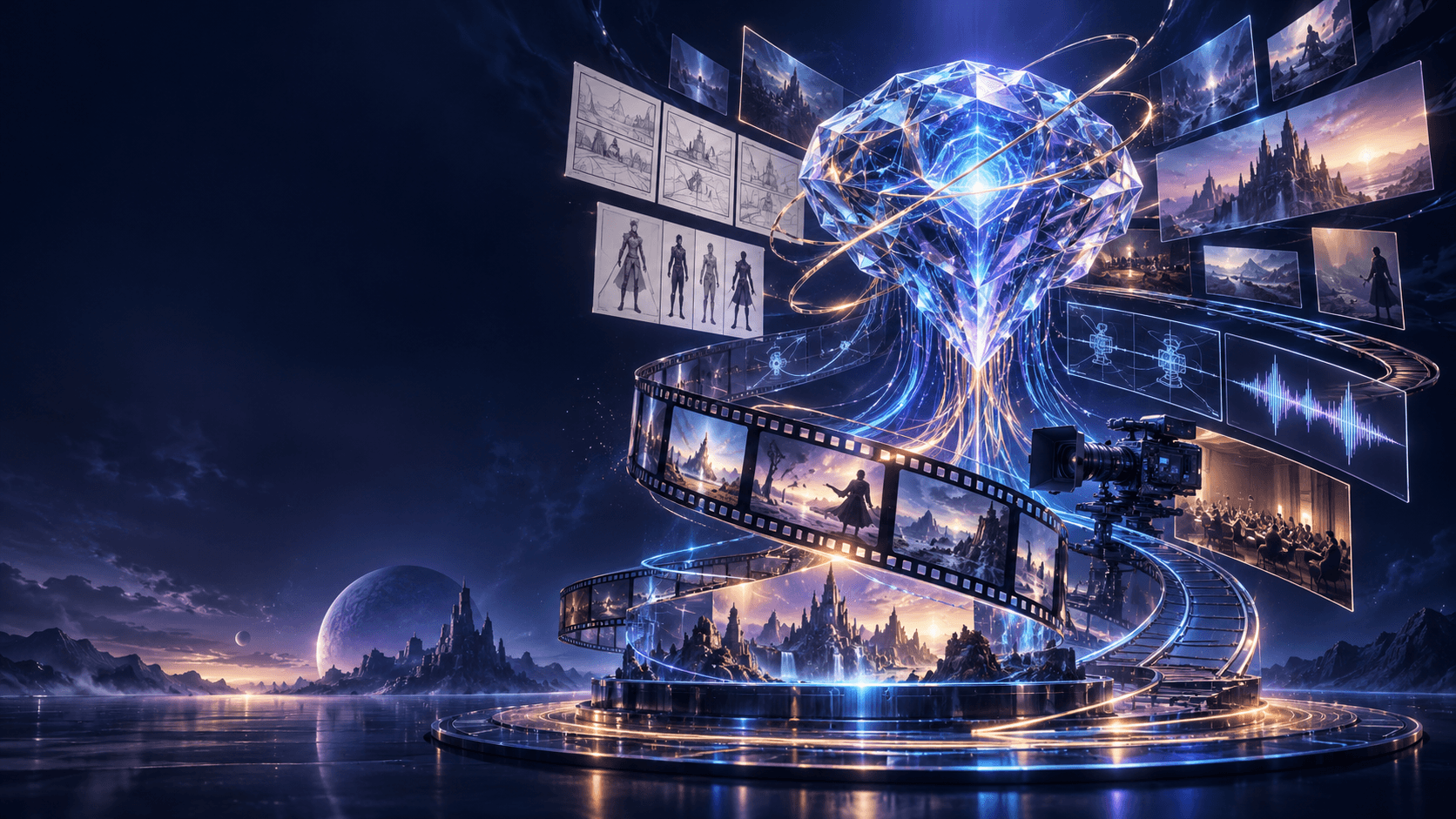
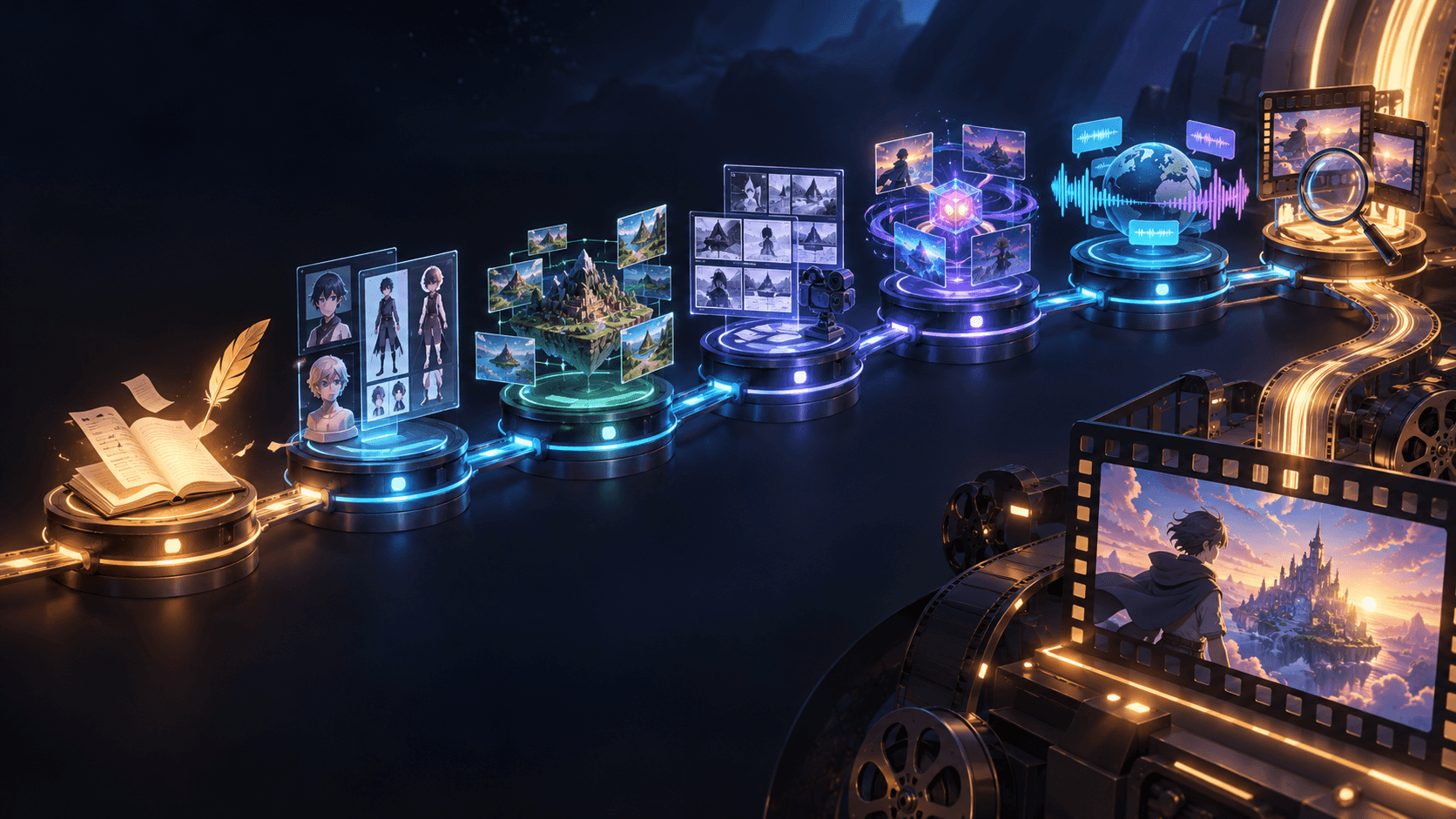
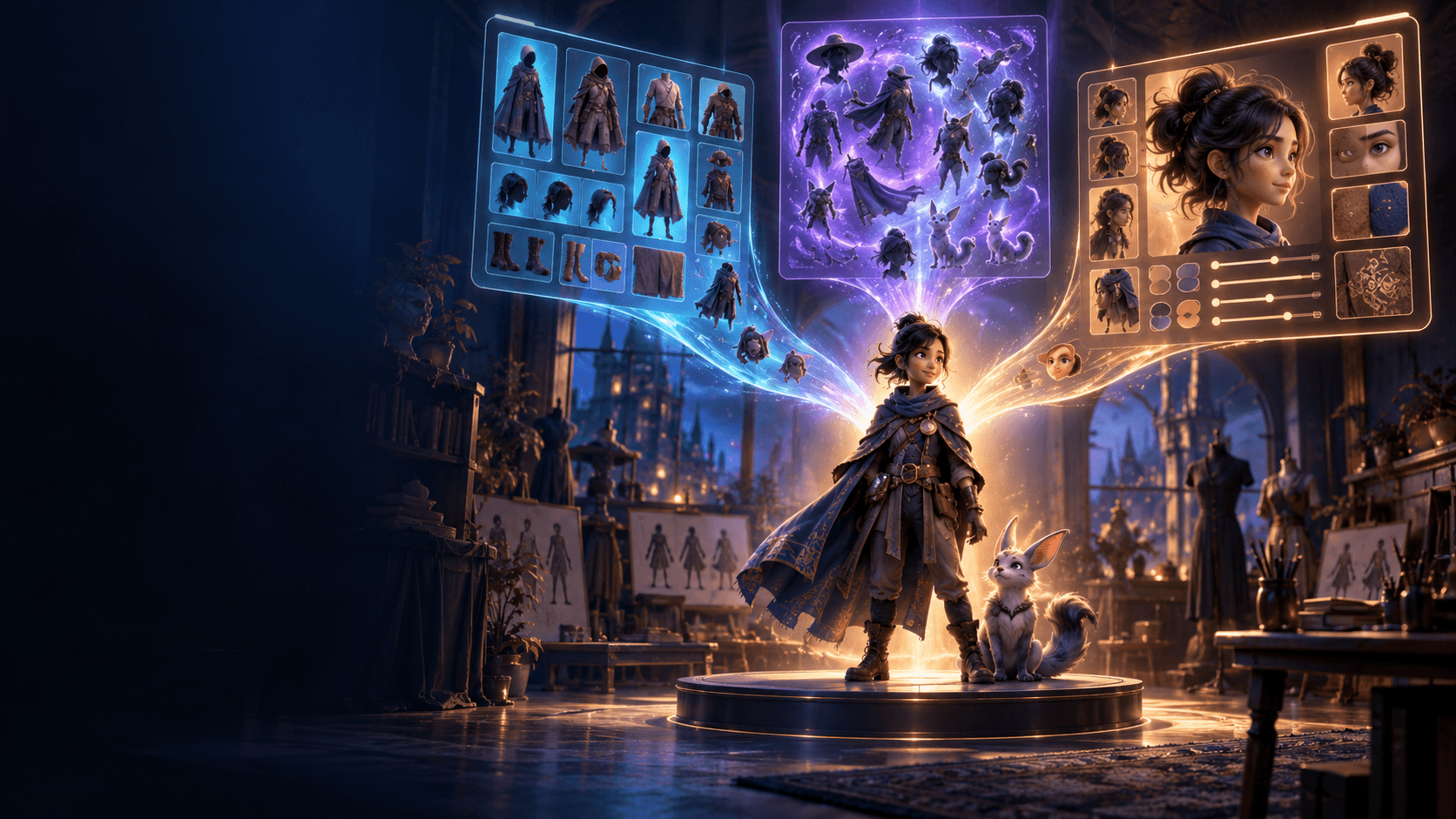
Elser’s current movie page presents a connected route from story draft through script, settings, cast, storyboard mode, editing and export. The process below explains how to direct that route professionally, including where automation saves time and where it can create expensive ambiguity.
Stage 1: Premise and Emotional Contract
Define protagonist, immediate desire, obstacle, visible choice and final change. Choose a runtime and platform. A one-minute pilot should usually use one central event, limited cast and a small number of locations. Automation can expand a sentence, but you must delete material that does not serve the emotional contract.
Stage 2: Script and Beat Architecture
Break the story into setup, disturbance, response, decision and payoff. Time dialogue aloud and replace exposition with behavior. Mark continuity events such as props changing hands, weather, damage and entrances. Scene segmentation is not yet camera coverage.
Apply this now: Draft a one-location anime premise in Elser before designing a larger series. Register with Elser AI, record the settings, and compare the result against the brief.
Stage 3: Cast and Visual Bible
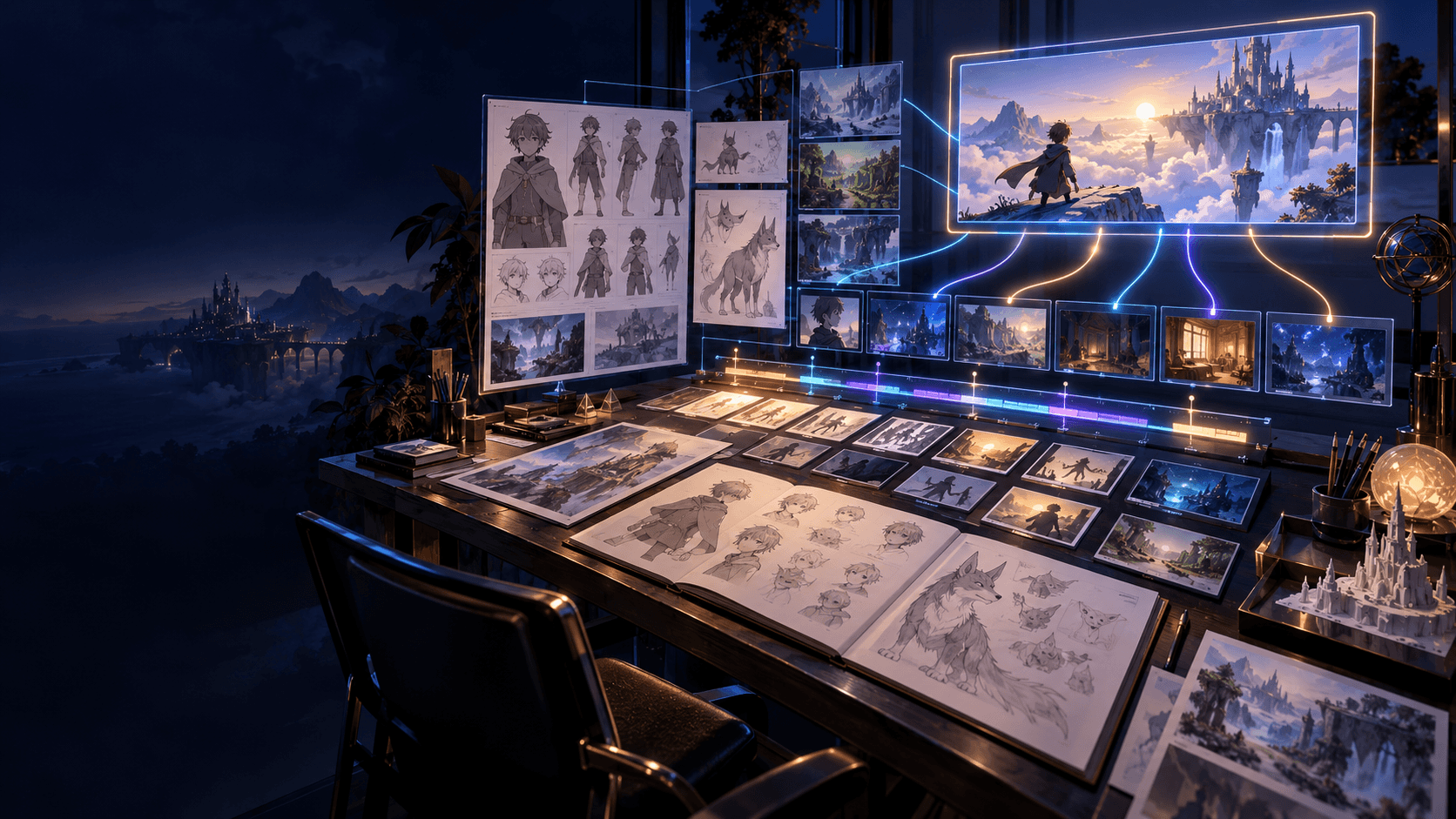
Approve character identity before scene production. Create full-body and portrait references, expression range, scale relationships, outfit layers and props. Lock project-wide rendering language, palette, line treatment, lighting and camera energy in a concise style card.
Stage 4: Storyboard and Coverage Strategy
Translate beats into wide shots, mediums, close-ups, reactions and inserts. Preserve screen direction and eyelines. Use automation to discover options, Manual for fixed structure or Storyboard Studio for directed coverage. Replace any panel that tries to contain two different moments.
Apply this now: Approve a cast sheet and storyboard before generating final-motion shots. Elser AI provides a practical workspace for this controlled test.
Stage 5: Keyframes and Motion
Resolve composition in still frames where practical. For motion, specify one primary action, one environmental movement and one camera behavior with timing. Complex fights or handoffs should be split into readable shots. Generate anchors and difficult interactions before easy connective shots.
Stage 6: Performance and Sound World
Fit voices to the rough cut. Give performers intention, relationship and energy; avoid making several characters speak in one unstable wide shot. Establish ambience, recurring character sounds, motivated effects and a restrained musical theme. Silence before a reveal can be more effective than another cue.
Apply this now: Use the final-cut workflow to test the complete pilot at audience speed. Create the smallest version in Elser AI and continue only after it passes review.
Stage 7: Final Cut and Release QA
Edit for cause and effect. Remove repeated information, use sound bridges across necessary cuts, check captions and safe areas, and watch on the destination device. Review identity, costume, screen direction, physics, audio, claims and rights. Export a clean master before platform versions.
What Makes the Elser Anime Generator Different from a Clip Generator
A clip generator answers “What should move in this shot?” The Elser Anime workflow also addresses “What is the story?”, “Who is in it?”, “Which shots are required?” and “How does the sequence finish?” Its navigation—Concept, Storyline, Settings, Cast, Storyboard and Final Cut—shows that the product is designed around an AI anime production workflow, not only text-to-video.
Start from an Anime Idea or an Existing Script
Use Idea mode for a premise that needs structure: specify genre, runtime, protagonist, obstacle, visual style and ending. Use the script route when dialogue and scene order are already approved. In Storyline, reduce exposition and split the draft into observable beats. A strong script-to-anime generator workflow starts by editing the generated story, not accepting it as final.
Configure the Anime before Generating Scenes
Settings controls aspect ratio, generation model, voiceover, shot duration and video style. Choose 9:16 for vertical shorts or 16:9 for cinematic delivery before composing. Lock one anime rendering language and palette. Select a model only after testing the hardest normal shot. These choices affect every later panel, so record them in a one-page style card.
Build an anime pilot in sequence: Open the Elser AI Movie Generator, define one five-beat story, and finish Cast and Storyboard before generating final shots.
Create an Anime Cast That Can Survive Multiple Shots
Generate the protagonist in neutral full-body and close-up views, then approve costume layers, hair, face, scale, prop and performance. Save the character asset for reuse. Create named variants such as “festival outfit” or “rain-soaked coat” instead of changing the base silently. This directly supports the long-tail need “how to keep anime characters consistent in Elser AI.”
Direct the Storyboard like an Anime Sequence
Use wide shots for geography, mediums for action, close-ups for decisions, inserts for important props and reactions for emotional timing. Auto Storyboard can supply a first interpretation; Storyboard Studio gives more shot-level control. Maintain screen direction and reserve complex animation for moments that deserve it. Anime energy comes from contrast between stillness and motion, not constant camera activity.
Generate Motion, Voice and Music in the Right Order
Approve keyframes, then describe motion rather than repeating appearance: subject action, environmental movement, camera and timing. Assemble a rough cut before final voices. Give each voice an intention and relationship. Add ambience and motivated sound effects, then music that supports the arc. This order makes the Elser AI anime generator with voice and music serve the edit rather than dictate it.
Complete the Anime in Final Cut
Trim empty clip handles, cut from cause to reaction, use sound bridges when visual continuity needs help, and remove repeated shots. Check captions, dialogue level, character identity, costume, lighting and aspect-ratio safe areas. Export a clean master and platform versions separately. A complete anime workflow ends with viewer comprehension, not the moment the last clip finishes generating.
A Complete 45-Second Anime Blueprint
This blueprint demonstrates how Elser AI anime generator works as an end-to-end script to anime generator. Use six shots: a moonlit shrine wide, caretaker sweeping, glowing charm insert, surprised close-up, cautious hand approach and sunrise release. Build one caretaker in Cast and one charm asset. In Storyboard Studio, give each panel a purpose and duration. Generate the hand approach as two shots if needed. Add night insects, broom texture, paper flutter and one bell; reserve music for the decision and sunrise. In Final Cut, let the charm’s glow motivate the close-up and hold the last frame long enough for the emotional change to register. This compact project exercises the complete Elser anime generator without unnecessary subplots.
Frequently Asked Questions
How does the Elser AI anime generator work?
It moves from Concept and Storyline through Settings, Cast and Storyboard to generated scenes and Final Cut. Creators can start from one idea or an existing script.
Can Elser AI make an anime from a script?
Yes, the current movie page documents a script-following route. Clean the script, check scene segmentation and create shot coverage before generation.
How do I keep anime characters consistent?
Approve and save the cast first, use stable references and identity wording, name outfit variants and review adjacent shots together.
Which Elser storyboard mode should anime creators use?
Use Auto for a fast interpretation, Manual for script-led control, or Storyboard Studio for directed framing and coverage.
Does the anime workflow include voice and music?
Current product materials include voiceover, sound effects and music as parts of the broader animation workflow.
Conclusion
The complete Elser anime workflow is a sequence of approvals, not one long generation. A focused premise, reusable cast, directed storyboard, shot-specific motion and sound-led final edit will outperform an undirected collection of attractive clips. Continue with Elser AI when you are ready to apply this exact workflow to a real project.