How to Fix a Bad AI Video Shot Without Regenerating the Entire Scene
AI video makes regeneration feel like the default repair tool. A hand warps, a character looks away too early, or the camera keeps moving after the useful action—so the creator generates the whole shot again. That can be slow, costly, and unnecessary.
The first question should be: Which frames are actually unusable? A flawed eight-second clip may contain four excellent seconds. Editing can preserve them.
Diagnose the failure before touching it
Classify the problem:
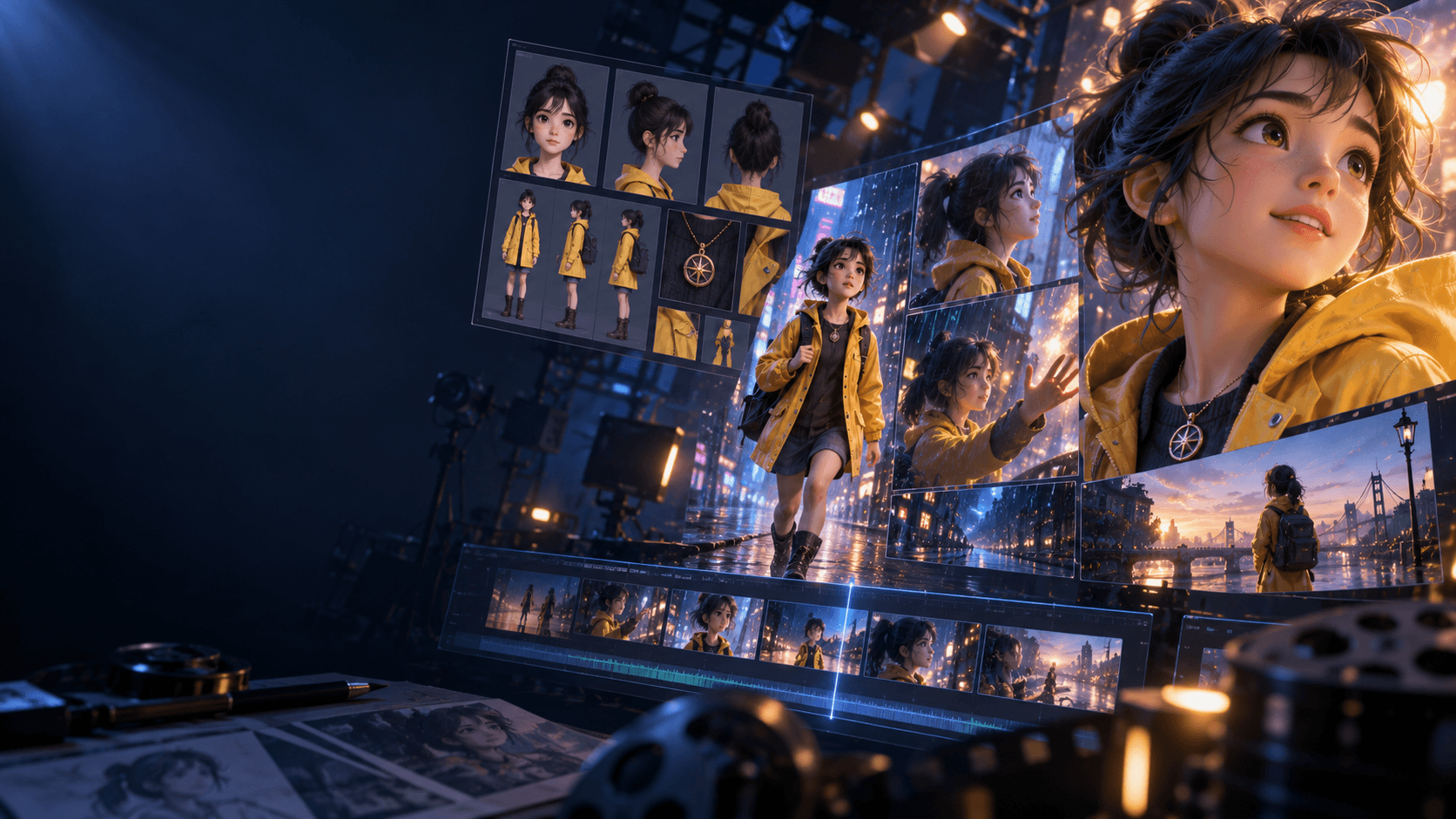
- Identity: face, hair, clothing, or body changes
- Motion: action is incomplete, floaty, or physically implausible
- Composition: subject drifts out of frame or important detail is hidden
- Continuity: prop, direction, lighting, or state conflicts with adjacent shots
- Timing: action starts too late or lasts too long
- Sound: dialogue, ambience, synchronization, or noise is unusable
- Artifact: localized warping, extra object, text, flicker, or background mutation
One failure may be repairable while another requires replacement. Do not regenerate because “it feels wrong”; identify the visible cause.
Trim to the usable action
Many clips fail at the beginning or end when the model invents motion after completing the requested action. Find the first stable frame and the last believable frame. A shorter clean shot is usually stronger than a longer damaged one.
Use an adjacent reaction, insert, or sound bridge to restore pacing. Viewers do not know how long the original generation was supposed to be.
Crop or reframe
If the problem occurs near an edge, a moderate crop can remove it. Reframing can also turn a weak wide shot into a purposeful close-up. Ensure the remaining resolution is sufficient and the crop does not cut joints awkwardly.
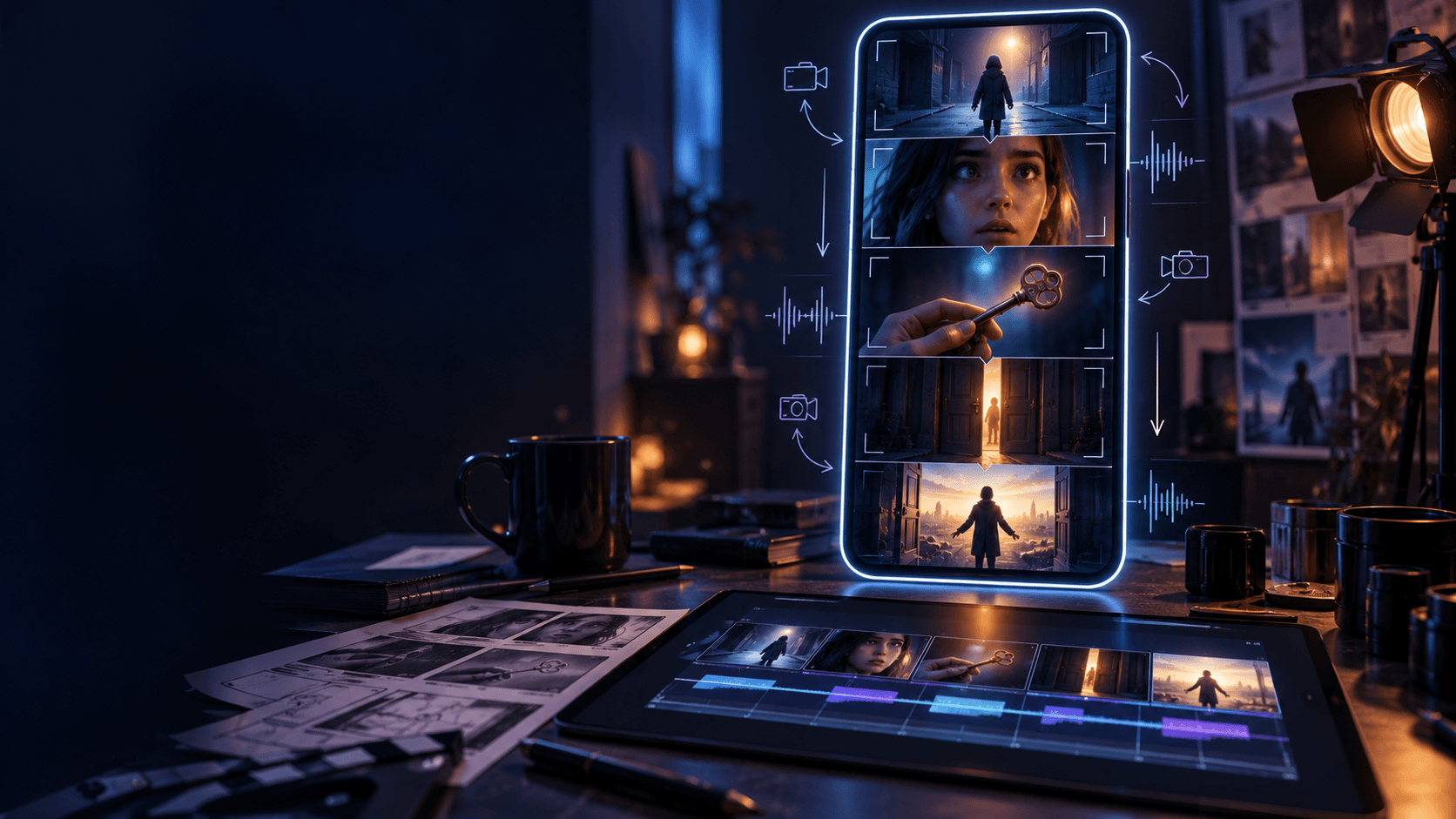
For vertical delivery, a horizontal source may offer room to reposition, but test whether the action remains readable in 9:16.
Hide defects with motivated coverage
A cutaway should add information, not merely conceal an error. Show the object being discussed, another character's reaction, the environment, or a relevant detail. The audience experiences a deliberate edit while the damaged frames disappear.
Plan a small library of flexible coverage: hands, props, signs, weather, footsteps, and silent reactions. These shots are useful across a sequence.
Repair sound independently
A visual clip with bad generated audio may still be valuable. Replace ambience, rebuild effects, re-record authorized dialogue, or use silence. Conversely, clean audio can bridge over a visual cut.
Match room tone between clips. Abrupt background changes make an edit feel broken even when the image is continuous.
Use speed changes carefully
A subtle speed adjustment can make an action land earlier or smooth timing. Extreme slow motion exposes artifacts; aggressive acceleration makes movement weightless. Optical-flow interpolation may create new distortions around hands, hair, and edges, so review frame by frame.
Replace a small section
If the model or editor supports extensions, inpainting, start/end frames, or video-to-video, repair the shortest possible region. Use a stable frame before the failure and, when supported, a target frame after it.
The instruction should name the correction, not rewrite the whole shot: “Maintain the character and locked camera; the left hand closes naturally around the handle.” Preserve everything that already works.
Regenerate only the failed shot
When repair is impossible, regenerate one shot—not the entire scene. Keep the accepted neighboring clips and make the new shot fit their actual start and end states.
ElserStudio supports this selective production approach: review generated results on the canvas, retry only shots that need work, then connect accepted clips to a Composition node. Keeping takes beside their script and assets makes targeted decisions easier.
If the repair needs a new insert, reaction image, or visual asset, Elser AI can provide a fast browser-based route for generating supporting material before returning to the edit.
Prevent the same failure next time
Record the diagnosis and correction. If fast camera orbits repeatedly break identity, change the coverage plan. If complex props fail during hand interaction, generate an insert with a simpler angle. If shots become unusable after the main action, request a clear held ending.
A failure log turns wasted credits into production knowledge.
FAQ
When should I regenerate an AI video shot?
Regenerate when the core action, identity, or continuity is wrong throughout the usable duration and editing cannot isolate a clean section.
Can AI video artifacts be removed in editing?
Localized artifacts can sometimes be cropped, covered, painted, or replaced. Large identity or motion failures usually need targeted regeneration.
Is a shorter shot acceptable?
Yes. Narrative clarity matters more than preserving the generated duration. Reaction shots and sound can maintain rhythm.
Should I keep failed generations?
Keep them until the scene is locked. They may contain useful frames, cutaways, ambience, or evidence about what to avoid.
Conclusion
A bad moment does not make the entire clip worthless. Diagnose the failure, preserve usable frames, and try the least expensive repair first: trim, crop, cut away, replace sound, adjust timing, or patch a small region. Regenerate only when the story-critical part is broken. Good AI filmmaking depends as much on editorial restraint as generation.