How to Generate Comic Panels, Dialogue, and Speech Bubbles With AI
AI can speed up this task, but speed is useful only when the result stays recognizable, readable, and editable. The process below protects those qualities from the first brief to the final export. The goal here is a repeatable method for How to Generate Comic Panels, Dialogue, and Speech Bubbles With AI, with clear checkpoints and room for creative judgment.
For AI comic panel generator, searchers usually want a usable result rather than a definition. The fastest path is rarely the one with the fewest clicks. It is the one that preserves reusable decisions—identity, palette, proportions, wardrobe notes, camera language—between iterations.
Start With the Result You Actually Need
Begin with one sentence that names the audience, subject, action, mood, and delivery format. Then list the elements that cannot change. This turns the panel into a controlled production unit rather than an invitation to regenerate everything. For “How to Generate Comic Panels, Dialogue, and Speech Bubbles With AI,” the highest-value constraint is the one implied by the title: solve that problem first, and treat extra decoration as optional.
Before opening a generator, write a miniature acceptance test. For this project, a strong result means:
- Reading order is immediate.
- Characters remain recognizable.
- Dialogue fits without crowding art.
- Camera choices serve the beat.
- Each panel changes the story.
The checklist keeps evaluation grounded. A polished preview should not pass if it misses the actual assignment. It also converts vague feedback into an actionable correction: preserve the face, simplify the background, shorten the dialogue, strengthen the silhouette, or clarify the action.
The Working Process
1. Reduce the premise to a clear conflict
Write the delivery specification first: platform, orientation, resolution, crop, and whether text must share the frame. Those constraints determine framing more reliably than a style adjective. A correct canvas is the first piece of creative direction.
2. Break the story into visual beats
Write concrete visual facts. Name shape, color, material, construction, action, camera distance, and light where relevant. Avoid stacking contradictory adjectives. “Loose ivory linen shirt, rolled sleeves, soft window light” gives the system a buildable target; “cool beautiful amazing fashion” does not.
3. Assign one job to each panel
Create a continuity card from the approved design. Record proportions, palette, hairstyle, costume layers, props, and features that must never change. Feed later stages from that original card, not from a chain of increasingly altered outputs.
4. Write dialogue after the visual action works
Limit the batch and label the variable under test. If you change camera, wardrobe, mood, and style simultaneously, the results teach you nothing. Select on structural correctness first, then refine the winning direction.
5. Generate and review panels as a sequence
Review at 100 percent and at delivery size. Zoomed inspection catches merged fingers, broken seams, doubled accessories, unreadable text, and edge artifacts. Thumbnail review catches weak hierarchy and confusing action. Both views matter.
6. Repair continuity and lettering before export
Once most of the image or page is approved, reduce the scope of every edit. Repair the faulty region, compare it with neighboring details, and keep the successful composition intact. Broad regeneration reopens solved problems.
A Realistic Example
Suppose the scene is “a courier discovers that the package is whispering.” Break it into beats: arrival, odd sound, denial, closer inspection, revelation, decision. Keep dialogue short because the visual change carries the story. Establish the courier’s coat, bag, hair, and height in a reference. Then check each panel for a new piece of information and remove any panel that merely repeats the previous one. This example is intentionally modest. A controlled, finishable project teaches more than a spectacular prompt with no continuity plan.
Topic-Specific Production Notes
The first technical decision
Write dialogue after blocking speech-bubble space so text does not cover faces, hands, or key action. Record the decision beside the source asset so nobody has to infer it from an old output.
The detail most creators miss
Use short sentences, natural breaks, and a balloon order that follows the reader’s expected path. Use this point to reject attractive variations that pull the work away from its actual purpose.
The final review that matters
Generate lettering separately when exact typography is critical, then composite it into approved art. Give this issue a dedicated final check; it is easy to overlook when surface polish is strong.
Common Mistakes and Better Fixes
Assuming a model name guarantees quality
Models behave differently by task, input, and settings; run a representative test. For this topic, ask whether the change advances “How to Generate Comic Panels, Dialogue, and Speech Bubbles With AI” or merely adds novelty.
Ignoring delivery format
Decide aspect ratio, crop, resolution, and text space early.
Publishing without rights review
Confirm consent, source permissions, and current terms.
Where Elser AI Fits
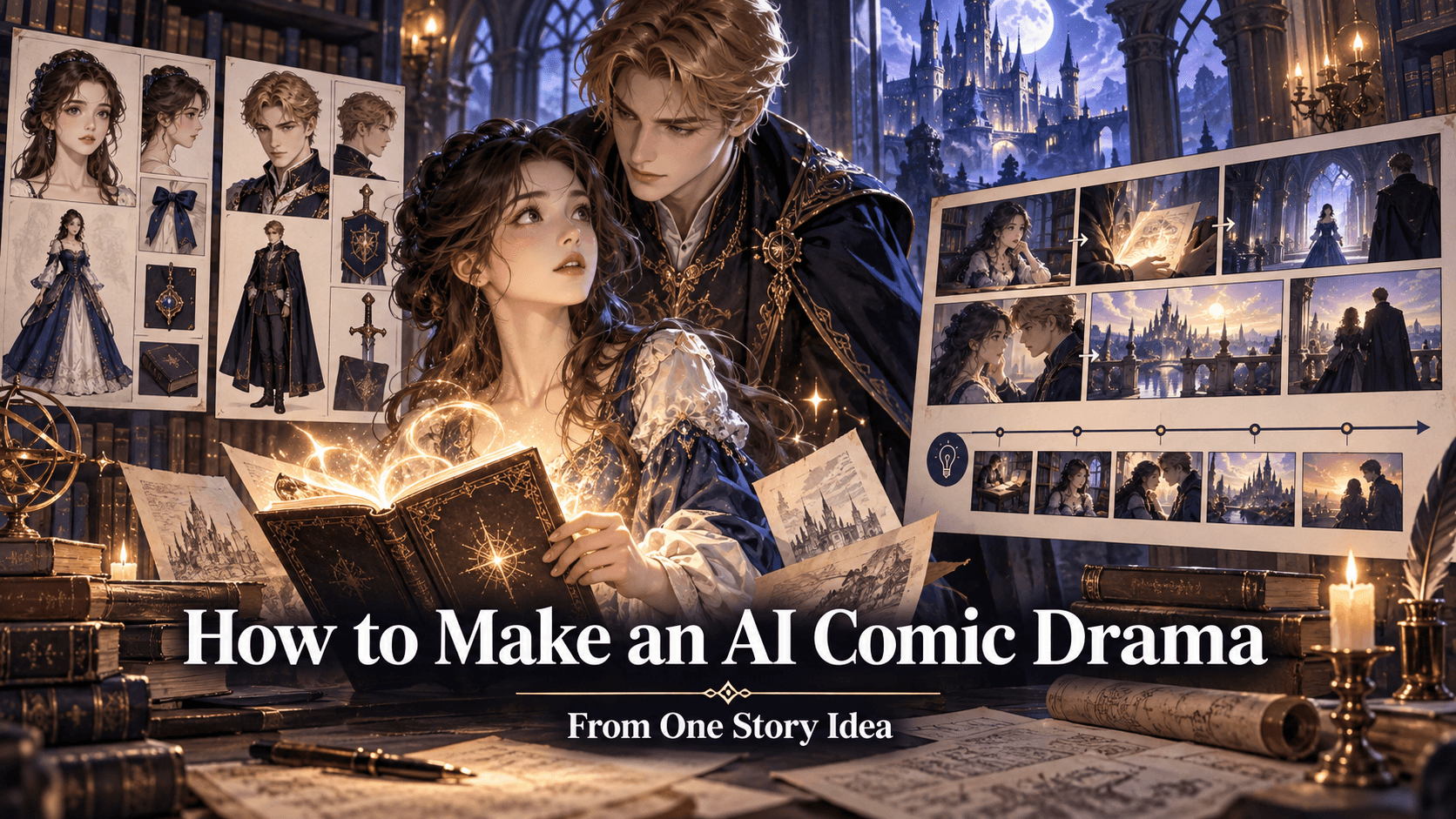
Use the AI Comic Generator when the deliverable is sequential storytelling rather than a folder of unrelated illustrations.
A sensible registration point is when you have a real source asset and a defined output format. Sign in, run a small test, save the winning version, and continue only if it passes the acceptance checklist above. This keeps the call to action tied to useful work rather than curiosity clicks.
Archive approved assets separately from experiments and give versions meaningful names. When a later stage drifts, you can return to a known reference instead of searching a download folder full of anonymous candidates.
Quality, Safety, and Rights
Use source photos, characters, logos, and reference art only when you own them or have permission. Get consent before editing a recognizable person, particularly for clothing changes or public posts. Mark conceptual mockups clearly if viewers might mistake them for real products, events, or documentary images. Before commercial release, review the platform’s current terms and the copyright, publicity, trademark, and fan-art rules that apply to the project. Keep a provenance note for client work.
FAQ
Should I generate an entire comic at once?
For a short test, perhaps. For stronger control, approve the script and character references first, then review the sequence panel by panel and repair weak panels locally.
Do I need professional drawing or editing skills?
No. You do need a clear brief and a willingness to review details. Basic knowledge of composition, continuity, and file formats improves results more than advanced software knowledge.
How many versions should I generate?
Start with a small controlled batch—often three or four. If none solve the structural problem, revise the source or prompt before generating more.
Can I use the result commercially?
Possibly, but check the platform’s current terms and the rights attached to your source material, characters, brands, and references. Client work deserves a documented rights review.
Conclusion
A strong outcome does not require endless prompting. It requires a clear acceptance test, a stable reference, a small number of deliberate iterations, and human judgment at the end. Apply that discipline to AI comic panel generator, and “How to Generate Comic Panels, Dialogue, and Speech Bubbles With AI” becomes a repeatable workflow rather than a gamble.