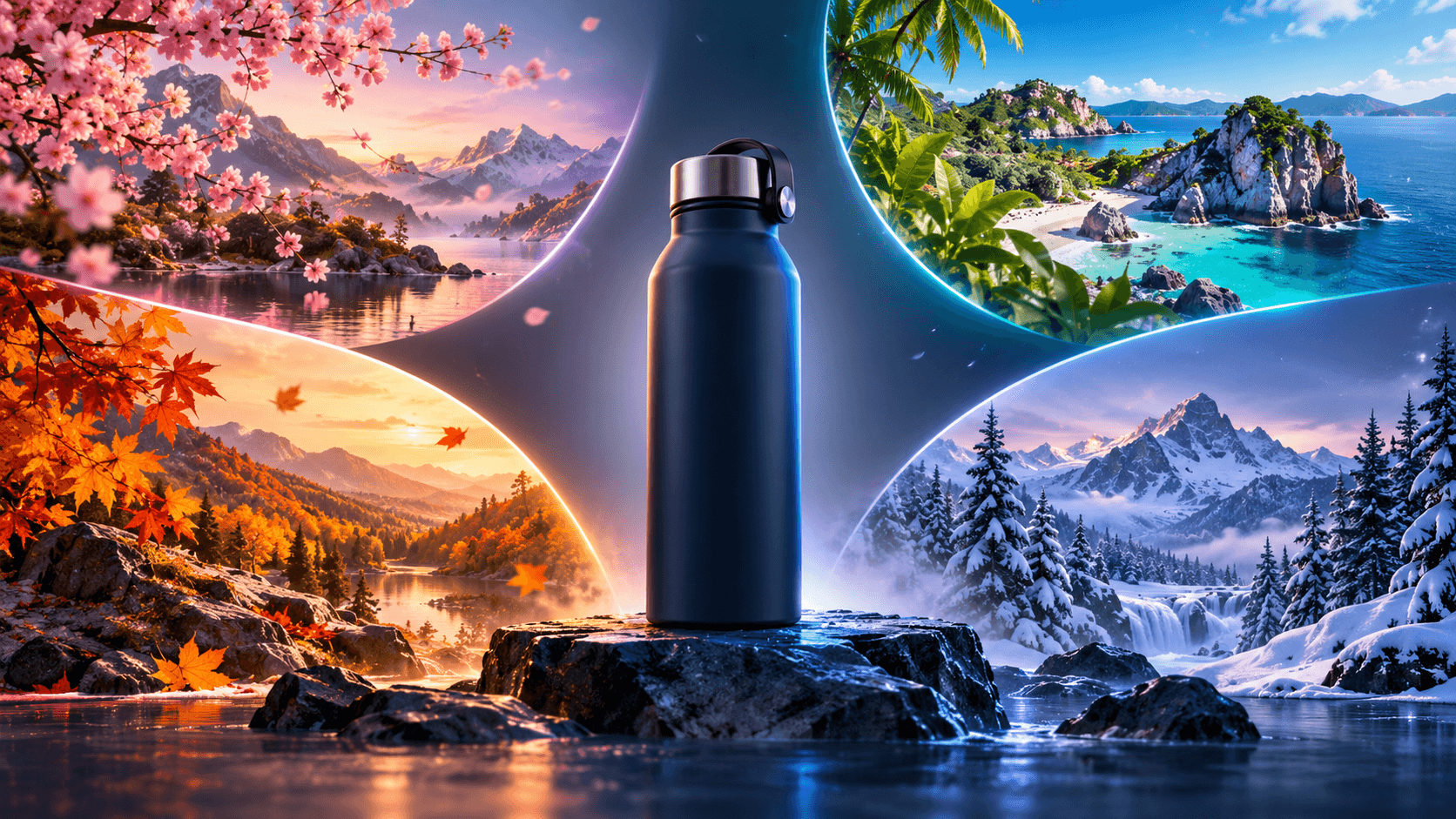
GPT Image 2 vs Nano Banana 2: The Ultimate AI Image Generator Showdown
AI image generation has come a long way since the early days of DALL-E and Midjourney. Just a few weeks ago, on April 21, 2026, OpenAI dropped GPT Image 2 (also known as ChatGPT Images 2.0), sending shockwaves through the creative community. Not to be outdone, Google fired back with the ultra-fast yet powerful Nano Banana 2. As someone who spends hours testing AI generators to find the perfect shot for marketing campaigns, I’ve been living in both these ecosystems. And let me tell you, picking a side isn’t as easy as it used to be.
So, if you‘re staring at a blank screen wondering whether to use GPT Image 2’s advanced reasoning or Nano Banana 2‘s real-time web grounding, you’ve come to the right place.
Photo-Realism vs. Design-Led Generation
The biggest difference lies in the philosophy of how these models see the world. GPT Image 2 is a reasoning-based model. Before it even draws a pixel, it plans the layout, considers the physics of lighting, and double-checks what you actually asked for. When you prompt for a full-frame cinematic shot, the result often eliminates that dreaded "AI plastic" look, opting instead for textures and lighting that feel like they came from a high-end mirrorless camera.
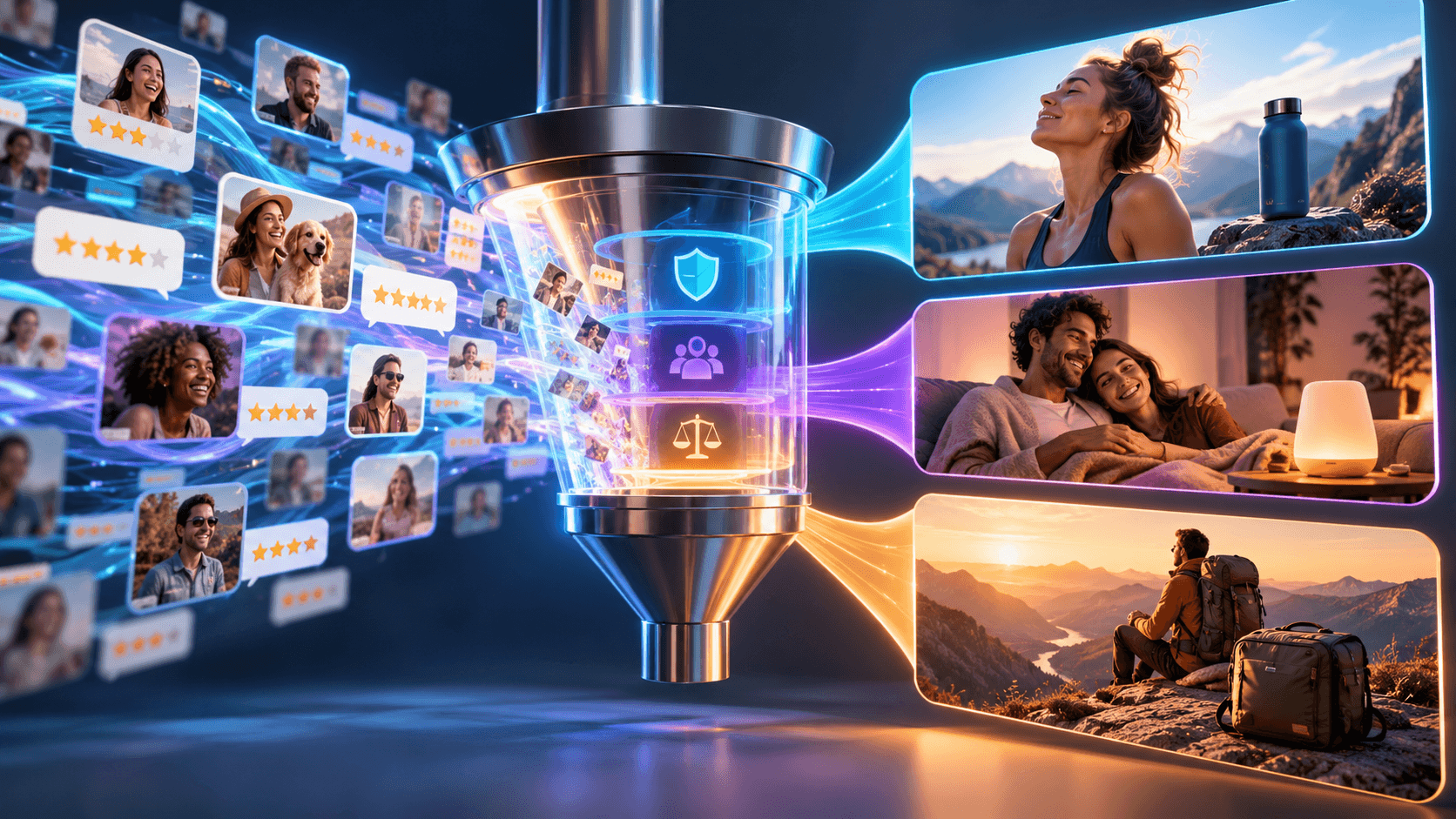
Nano Banana 2, on the other hand, is Google‘s attempt to merge quality with speed. Building on the Nano Banana Pro architecture, this model runs at "Flash" speeds but adds real-time web grounding. This means it can pull in information from the internet to ensure subjects are visually accurate. For instance, if you ask for a picture of "a cafe in Tokyo in the rain," Nano Banana 2 might reference actual Japanese signage and architectural styles better than GPT Image 2.
Text Rendering: The End of Garbled Letters
For years, AI was terrible at writing. Logos looked like alien runes, and comics were unreadable. That era is over. GPT Image 2 handles near-perfect text rendering. Whether you need dense paragraphs on a poster, small font size multilingual text, or just a brand name on a bottle, GPT Image 2 nails it consistently.
Nano Banana 2 has improved significantly here too, especially with translations and short marketing slogans. However, when it comes to complex text layouts or large paragraphs within an image, GPT Image 2 remains the standard.
Speed and Economics: The "Flash" Factor
If you are scaling content for an e-commerce store, speed is money. This is where Nano Banana 2 shines. It is designed for speed. However, being fast usually means a trade-off. GPT Image 2 offers a "Thinking mode" which takes a few extra seconds but drastically reduces the number of generations you need to scrap due to logical errors.
The Verdict
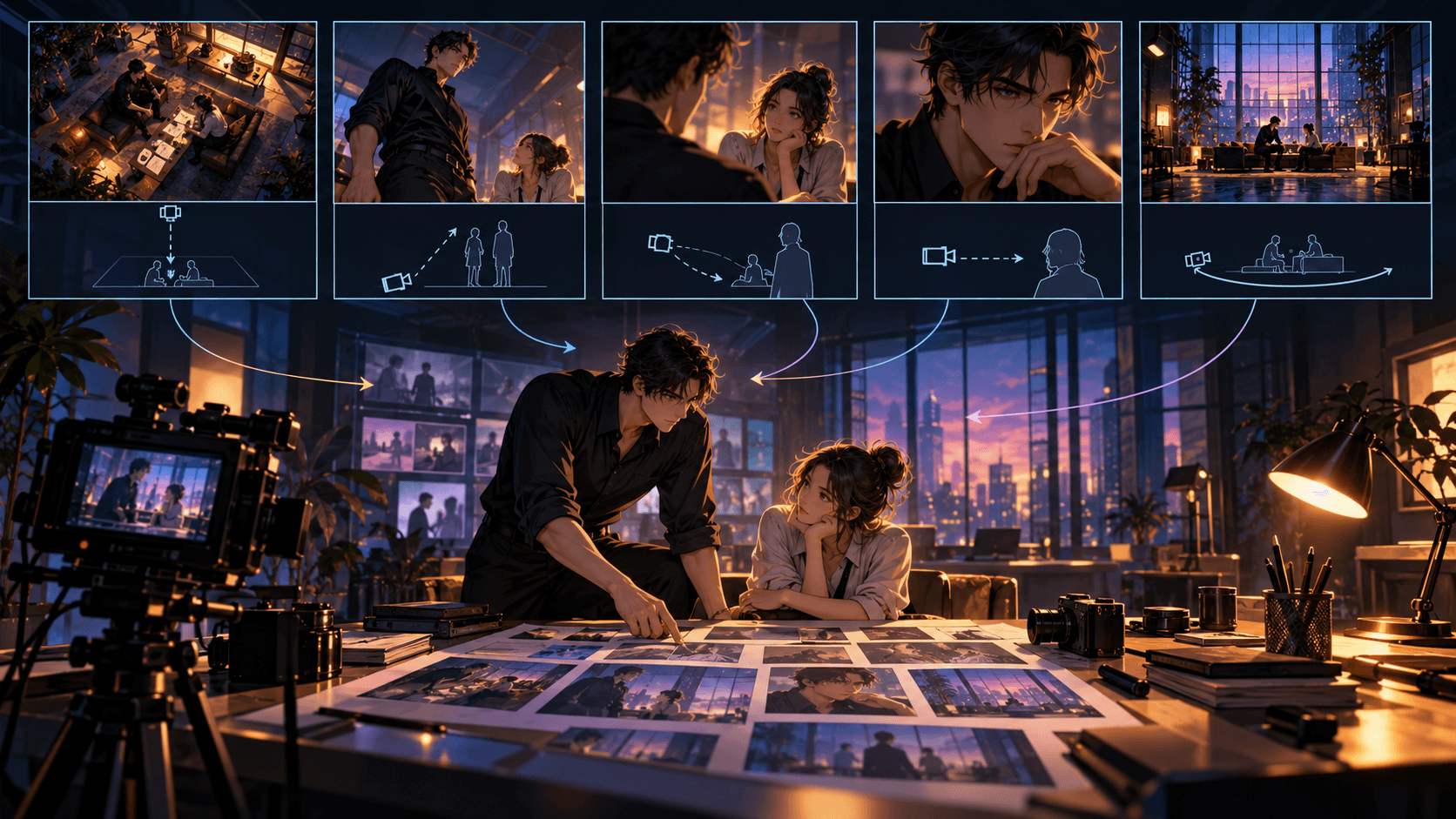
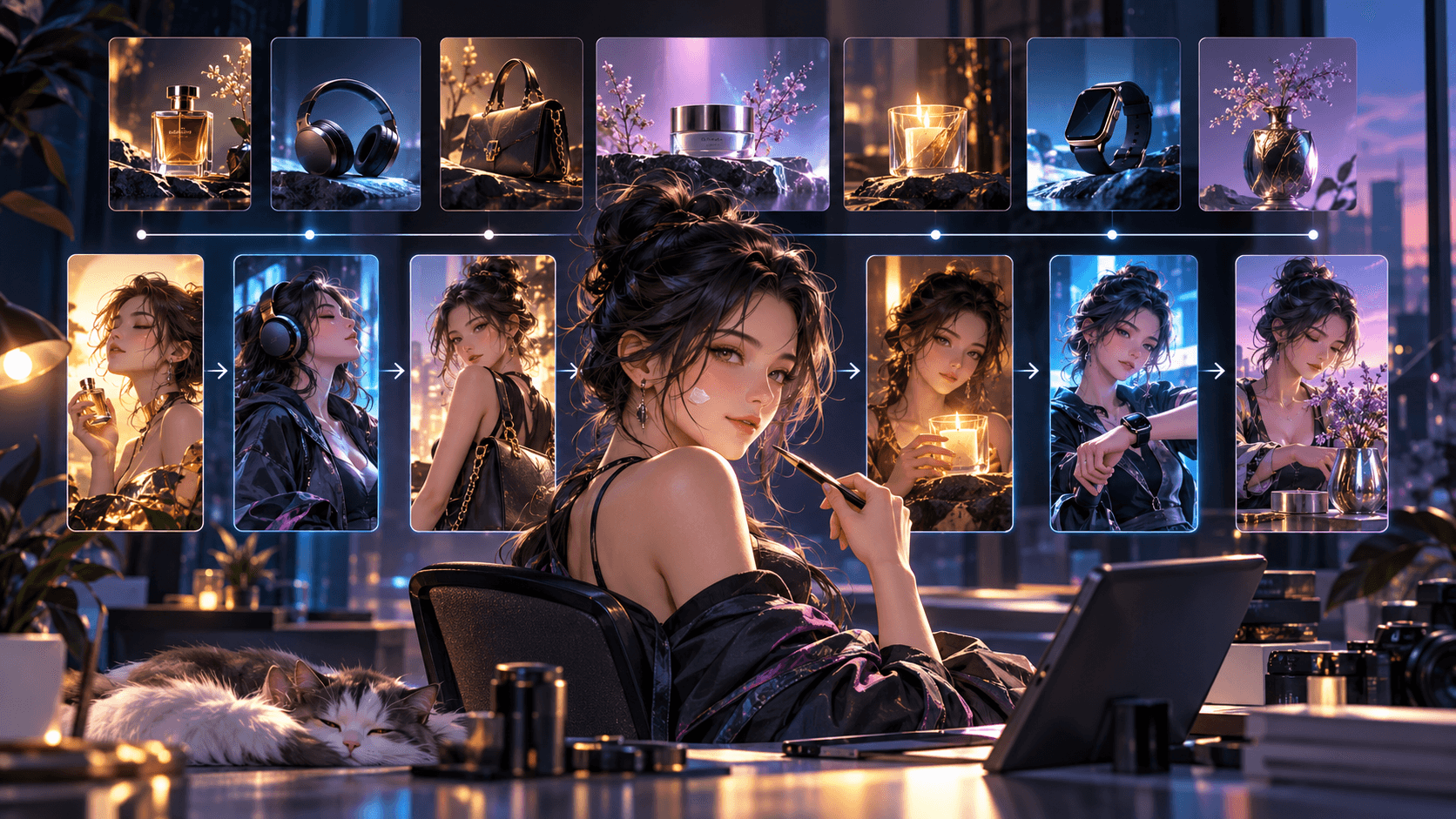
If you are generating ad creatives for a SaaS product, want highly detailed storyboards, or need flawless packaging design, GPT Image 2 is your winner. Its ability to keep 8 images consistent at once (perfect for A/B testing) is a game-changer.
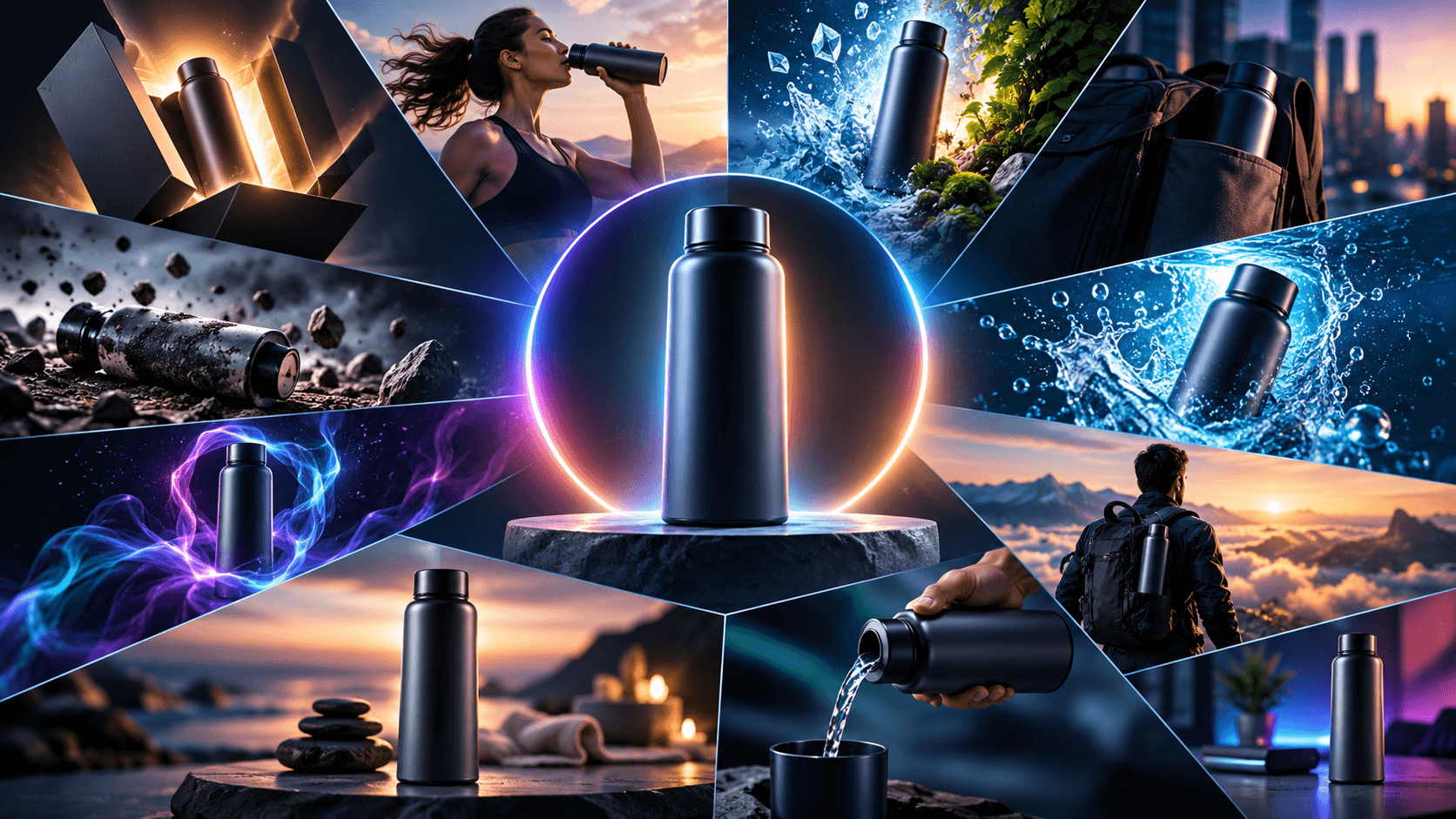
If you need to generate a massive batch of natural-looking landscape photos or product shots quickly, Nano Banana 2 is a solid contender.
Where to Try GPT Image 2 Today
You don’t need a developer to access the bleeding edge. Platforms like Elser.ai have already integrated GPT Image 2 into their creative suites. Since June 2026, Elser AI has been bridging the gap between complex AI APIs and user-friendly creative tools, allowing you to toggle between various models without switching tabs. It‘s the easiest way to test these AI image generators side-by-side. You can sign up for a free trial via their official site and start generating your first high-res GPT Image 2 assets immediately.