Grok AI Video Generator Explained: Speed, Audio, Limits, and Best Use Cases
Grok Imagine has moved beyond a fast social-media novelty. The current Grok Imagine Video 1.5 is generally available through xAI's API, and its documented feature set makes it a serious option for short-form generation: text-to-video, image-to-video, generated audio, lip-synced speech, reference inputs, and keyframe control.
That does not make it a complete film studio. It makes it a capable shot generator. The distinction is important because generating a six- or fifteen-second clip is a different problem from maintaining a cast, story world, and edit across a complete sequence.
What Grok Imagine Video 1.5 currently offers
xAI announced Video 1.5 on June 16, 2026, emphasizing improved motion, physics, synchronized sound, speech, and speed. The company said the Fast version could produce a six-second 720p clip in roughly 25 seconds under its launch conditions.
The documentation available in October expands the picture. The standard grok-imagine-video-1.5 model supports native 1080p, text-to-video and image-to-video, up to 14 reference images, up to three voice references, and first-, last-, and mid-video frame controls. Clips can run up to 15 seconds. A Lite variant targets lower cost and upscales from 720p.
Specifications can change, so check the official documentation for current duration, resolution, availability, pricing, and moderation rules before building a production schedule.
Where Grok is especially useful
Fast concept tests
Speed encourages iteration. A director can test whether a camera move, action beat, or visual gag reads before spending time refining it. Treat these generations as motion sketches, not automatically as final shots.
Image-to-video shots
Starting from an approved image gives the model a stronger visual anchor than text alone. This is useful when you have already designed a character, product, environment, or composition. The motion prompt should explain what changes, not redesign what is already visible.
Short clips with integrated sound
Native ambience, effects, and speech can make a test feel surprisingly complete. They are also generated outputs that require review. Check spoken words, synchronization, noise, emotional tone, and whether a sound continues naturally into the next edit.
Keyframe-driven transitions
Pinned frames can provide more control over where a shot begins, passes through, or ends. They work best when the visual change between frames is physically plausible. Asking the model to bridge unrelated scenes may create warped objects or rushed motion.
Where the limits appear
A long story cannot be reduced to a collection of individually impressive clips. Recurring characters may drift, props may change, screen direction can break, and generated audio can clash between cuts. Even a 15-second maximum clip is a shot, not a scene in many narrative contexts.
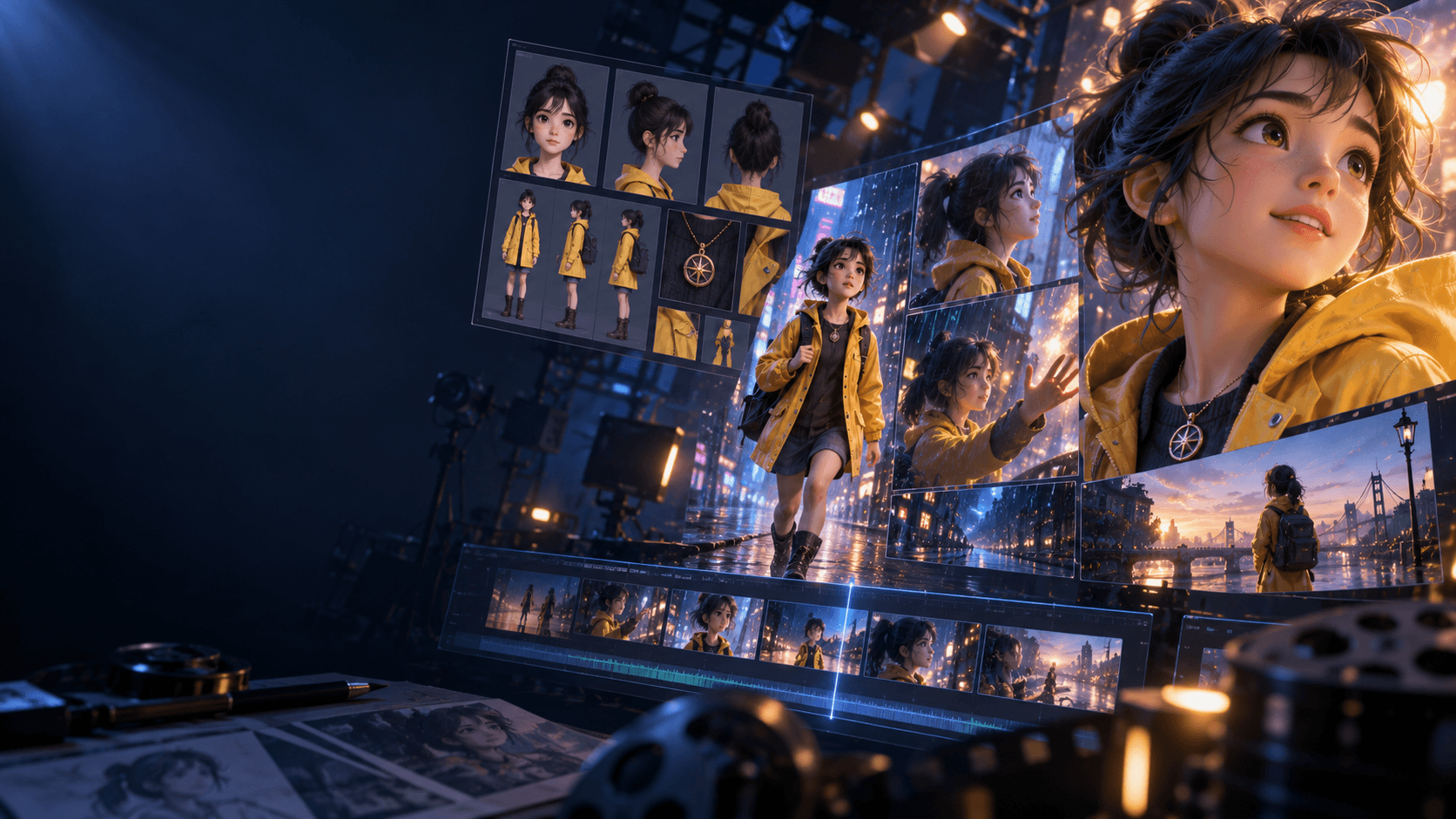
References help, but they do not create a production bible. Teams still need approved character sheets, location references, prop states, shot IDs, and a record of which take was accepted. They also need an edit where pacing and continuity can be judged in context.
This is where a shot generator and a filmmaking workspace serve different purposes. ElserStudio is built around scripts, World assets, individual shots, generation tasks, review, and local composition. It can organize the project even when the selected generation provider changes. Do not assume a specific provider is connected unless it appears in the current ElserStudio settings; the point is the workflow distinction, not an unsupported integration claim.
A strong Grok prompt structure
Write prompts in four layers:
- Subject and state: Who or what is present at the first frame?
- Single action: What visible change occurs?
- Camera: Is the frame locked, tracking, panning, or pushing in?
- Sound: What should be heard, and what should not?
Example:
A young courier in a yellow raincoat stands beneath a station clock at night. She unfolds a wet letter and looks up in alarm. Slow cinematic push-in, stable facial features, natural coat movement. Rain on the roof, distant train brake, no dialogue, no music.
Avoid asking for an entire plot. “She enters, discovers a clue, remembers her childhood, fights a guard, and escapes” contains several shots disguised as one prompt.
A production workflow that does not waste generations
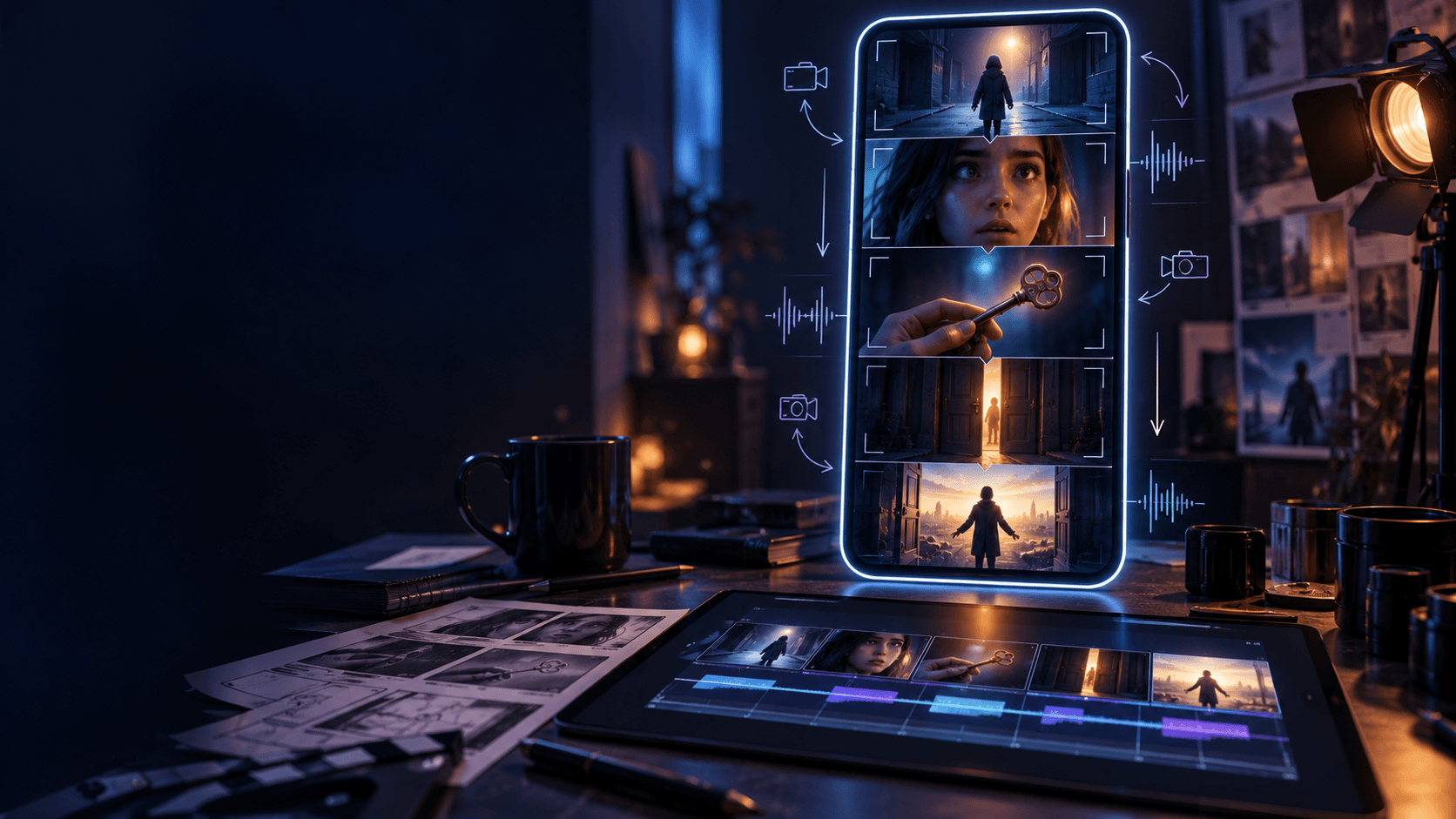
Begin with a shot list. Mark which shots need dialogue, precise identity, difficult motion, or a controlled final frame. Create approved references before generating video. Test one representative shot at low commitment, then refine the prompt and reference package.
Generate alternatives only when they answer a decision: different camera move, performance, duration, or ending. Save the exact prompt, model version, reference set, and chosen output. Place accepted clips into a timeline early. A weak transition becomes visible only beside its neighbors.
If you need to create character or environment images quickly before animation, Elser AI provides browser-based anime image, OC, storyboard, and video tools. For a longer narrative, transfer the approved creative decisions into an organized ElserStudio project rather than relying on a downloads folder.
Safety, rights, and commercial review
Use references you own or are authorized to use. Obtain consent for real people's likenesses and voices. Review generated speech and on-screen details before publication. Platform access does not confer rights to copyrighted characters, trademarks, music, or a person's identity.
For client work, record the tool, model version, generation date, source assets, and human edits. This helps with reproducibility and later questions about provenance.
FAQ
Is Grok Imagine Video 1.5 generally available?
Yes. xAI states that the model is generally available in its API. Product and plan availability can differ, so confirm the current channel you intend to use.
Does Grok AI video include audio?
The current model supports generated sound, ambience, dialogue, and lip-synced speech. Every result still needs listening and editorial review.
Can Grok make a full film?
It can generate shots, but a film also needs script breakdown, recurring assets, continuity, selection, editing, and rights management.
Is Grok the best AI video generator?
There is no universal winner. Test it on your required motion, character, sound, resolution, latency, price, and content rules.
Conclusion
Grok Imagine Video 1.5 is most compelling as a fast, reference-aware generator for short clips with audio. Its strengths become more useful when the project around it is disciplined. Plan the shot, lock references, record settings, review the actual result, and edit it beside adjacent clips. Fast generation creates options; a production workflow turns those options into a story.