How to Make an Anime Short with Elser AI: A Production Blueprint
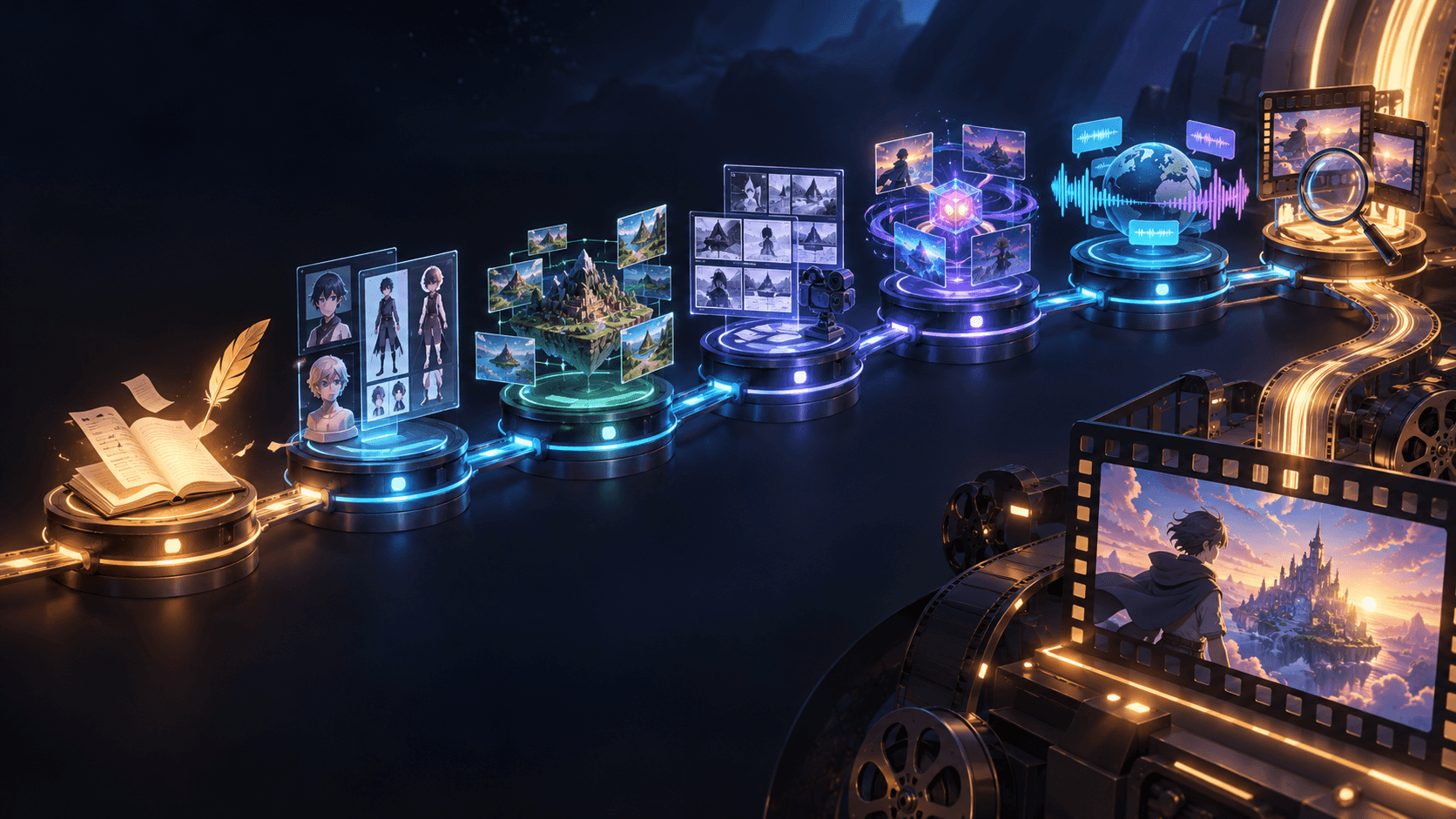
A memorable anime short does not need a complicated plot. It needs a clear emotional turn, controlled visual language and an edit that arrives at the payoff before attention fades. This blueprint uses a 45-second story about a shrine caretaker who discovers that a paper charm is alive.
Choose One Emotional Turn
Write the beginning state and ending state: suspicious to protective, lonely to connected, defeated to resolved. Every shot should push that change.
Draft a Five-Beat Micro-Script
Use setup, disruption, response, choice and image-based payoff. Limit dialogue to lines that alter the relationship. Read the script with pauses to test runtime.
Try it in your own project: Start from the five-beat premise and compare idea mode with your own script. You can take this checkpoint into Elser AI and compare the result with the brief before moving forward.
Create a Production Style Card
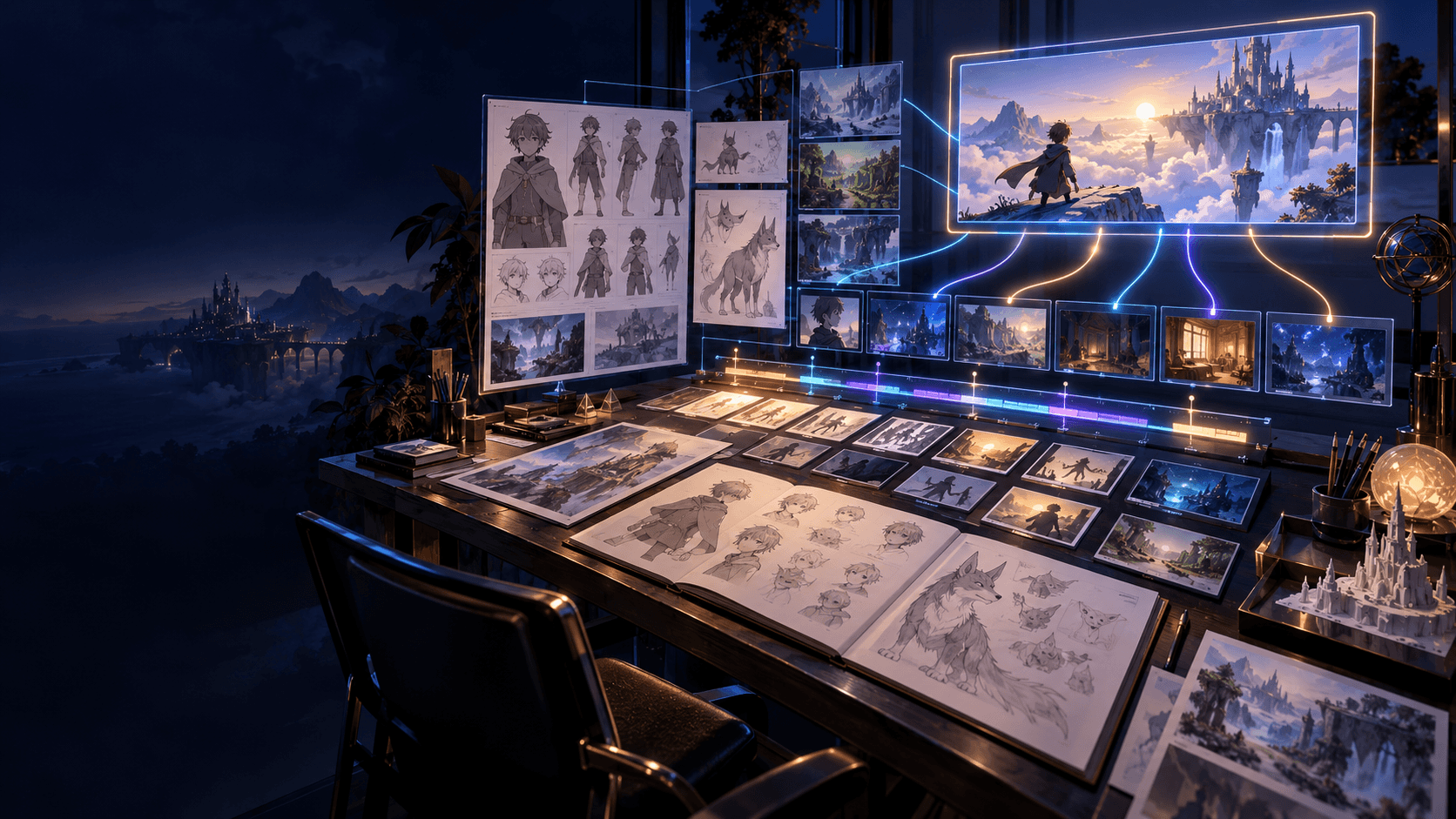
Lock aspect ratio, rendering language, line quality, palette, lighting, camera energy and forbidden elements. Reference visual principles you own or can lawfully use, not a deceptive copy of a living artist.
Approve the Character and Key Prop
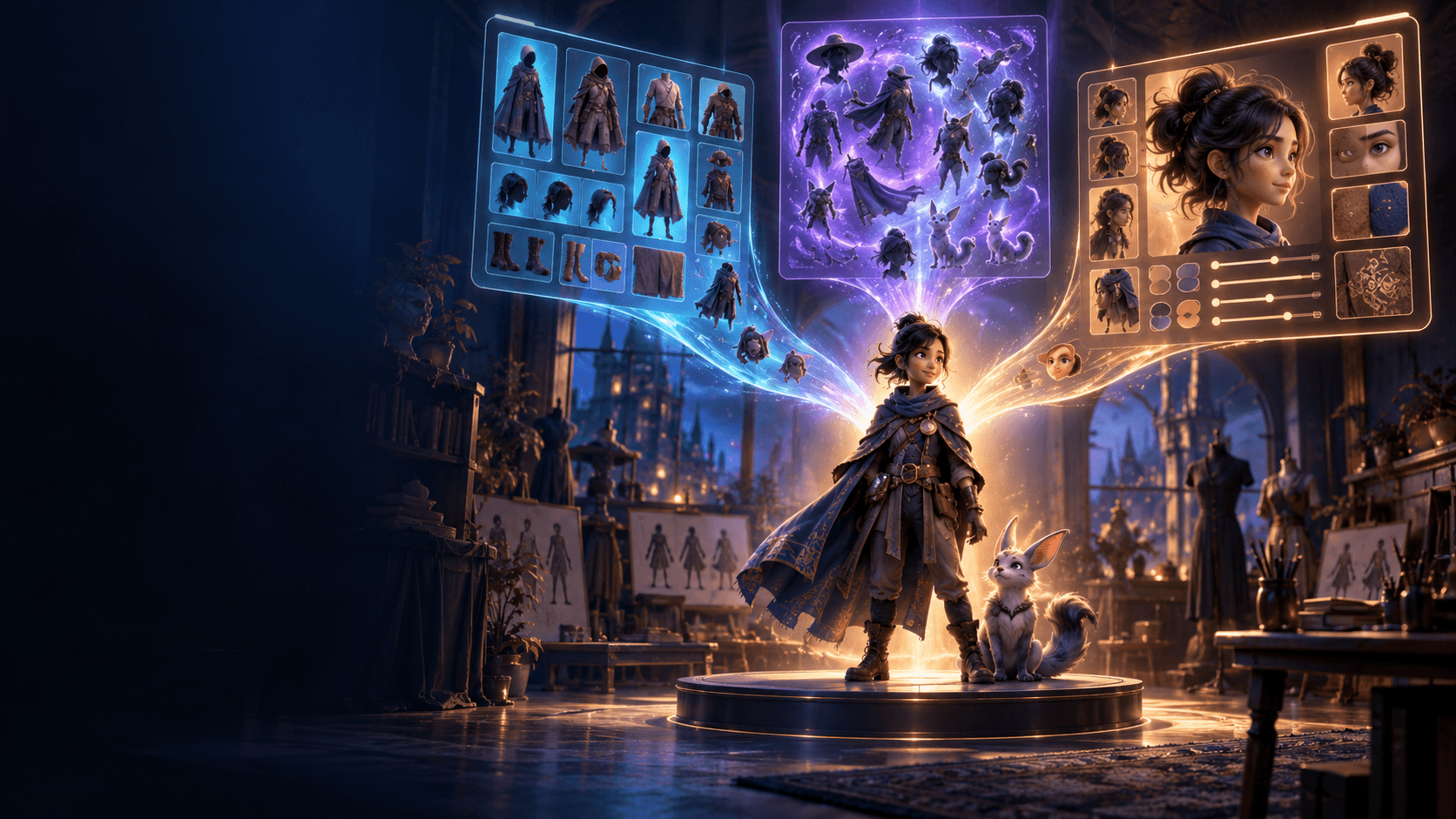
Generate the caretaker and living charm in neutral conditions. Establish size relationship, colors, costume layers and the charm’s movement vocabulary.
Turn Beats into Shot Coverage
Plan an establishing wide, action medium, discovery insert, reaction close-up, decision shot and final image. Add cutaways for edits that might otherwise require unstable continuous action.
Try it in your own project: Use Storyboard Studio to approve coverage before motion. Use Elser AI to turn the guidance into a controlled experiment rather than a large blind batch.
Generate Key Frames Before Video
A still frame lets you assess staging, eye line, silhouette and lighting cheaply. Reject a shot whose story purpose is unclear even if the image is beautiful.
Prompt Motion as Choreography
Name one primary subject action, one secondary environmental motion and one camera behavior. Include timing: “holds for one beat, then looks down.” Avoid asking every element to move.
Build Sound from the Location Outward
Start with wind, wood creak and distant bell. Add paper rustle as the charm’s signature, then voice and restrained music. Use silence before the emotional turn.
Try it in your own project: Assemble a review cut and register only the next episode after the pilot works. Elser AI gives you a practical place to register and test the smallest viable version.
Edit for Cause and Effect
Cut from action to consequence. Remove repeated reactions, preserve a readable final hold and check the piece with sound off. Then listen without picture for dialogue and rhythm.
Prepare the Release Version
Check captions, loudness, safe areas, thumbnail, title and disclosure needs. Keep a clean master and separate platform exports.
Define Success for the anime-short pilot
Before another generation, write three pass conditions for the 45-second shrine story. Include one story condition, one continuity or technical condition, and one delivery condition. This converts taste into a reviewable decision. A result can be attractive and still fail if a mobile viewer with no background context cannot understand its purpose. Record the reason for rejection so the next attempt answers evidence rather than mood.
Run a Small Representative Test
Choose the shot or asset that contains the normal difficulty of the anime-short pilot—not the easiest beauty frame and not the impossible climax. Keep references, format and acceptance criteria fixed. Change one variable, then compare at normal playback size. The test is finished when it produces an approve, revise, redesign or cut decision, not when it produces the largest gallery.
Keep a Decision Log
For the 45-second shrine story, store the prompt, references, visible model name, settings, output ID and approval note. Add a short defect label such as “unclear silhouette,” “late reaction,” or “audio masks dialogue.” This record lets a collaborator understand why a version won and protects the project when interfaces or model catalogs change.
Budget from Usable Output
For the anime-short pilot, estimate cost from attempts per approved asset and usable seconds, not from a single lucky generation. Include design exploration, continuity repairs, alternate edits, captions and delivery formats. Elser’s current pricing information says consumption can vary by model, duration and resolution, so a representative test is more useful than a generic generation count.
Review at Audience Scale
Inspect details closely, then watch the 45-second shrine story at the size and speed experienced by a mobile viewer with no background context. A tiny texture shift may be irrelevant while a missing reaction, unreadable silhouette or quiet line is decisive. Review once without sound to test visual clarity and once without picture to test dialogue, ambience and rhythm.
Add an Independent Editorial Pass
Give the work to someone who has not seen the prompt. Ask what happened, who mattered, what changed and where attention drifted. Do not explain first. Their answer reveals whether the anime-short pilot communicates on screen or survives only in the creator’s notes. Convert confusion into a shot, design or edit action rather than another vague request for “more cinematic” output.
Control Version and File Names
Name files by project, sequence, shot or asset, take and status. Keep working files separate from approved masters, and never overwrite the only clean export. For the 45-second shrine story, preserve the exact references beside the result. Simple version discipline prevents an attractive but rejected take from returning accidentally during final assembly.
Check Rights and Representation
Confirm ownership or permission for every uploaded image, voice, mark, music cue and recognizable likeness. Avoid using culture, disability, clothing or facial traits as shorthand for morality. If the anime-short pilot makes a factual or branded claim, require a named reviewer and source. Generation speed does not reduce legal, ethical or editorial responsibility.
Prefer the Simplest Fix
When a result fails, identify the layer: premise, identity, composition, action, camera, style, physics, audio, text or edit. Repair the smallest responsible layer. A cutaway may solve a handoff better than regenerating a long continuous shot. This prevents adding spectacle after the emotional turn is already clear, one of the most expensive failure patterns in the anime-short pilot.
Establish a Stop Rule
For the anime-short pilot, set a maximum number of attempts before the team must simplify the shot, change coverage or accept a noncritical imperfection. Stop rules protect the project from spending its entire budget on one low-value detail. The target is a coherent audience experience, not mathematical identity between every pixel of every version.
Preserve a Reusable Learning Asset
After approval, save the stable prompt block, reference set, continuity note and one sentence explaining why the result worked. Do not copy accidental wording blindly into the next project. Extract the principle—clear subject priority, restrained motion, consistent identity or motivated sound—so the anime-short pilot becomes faster without becoming formulaic.
Final Pre-Publish Gate
Confirm story accuracy, continuity, audio intelligibility, captions, safe areas, compression, disclosure needs and current usage terms. Verify that the title and thumbnail promise the actual experience. Archive the 45-second shrine story with its source record and approval. Only then should the work move from experiment to public content.
Frequently Asked Questions
How long should an AI anime short be?
Start with 20–60 seconds. Scope should follow the number of stable shots you can review, not a maximum advertised duration.
Do I need a full screenplay?
No. A beat sheet and short scene script are enough if action, dialogue and ending are clear.
Should I generate text-to-video directly?
It can help discovery, but approved key frames usually offer more control for story-specific shots.
How much dialogue should I use?
Only what fits comfortably after picture timing. Visual reaction often replaces exposition.
What makes the short feel professional?
Continuity, motivated cuts, clean audio and a decisive ending matter more than constant movement.
Conclusion
Make one promise to the viewer, then direct every production choice toward it. Small cast, clear beats, approved frames and intentional sound will make a short feel designed rather than merely generated. Elser AI can support the next controlled iteration when you are ready to turn the guidance into an actual project.