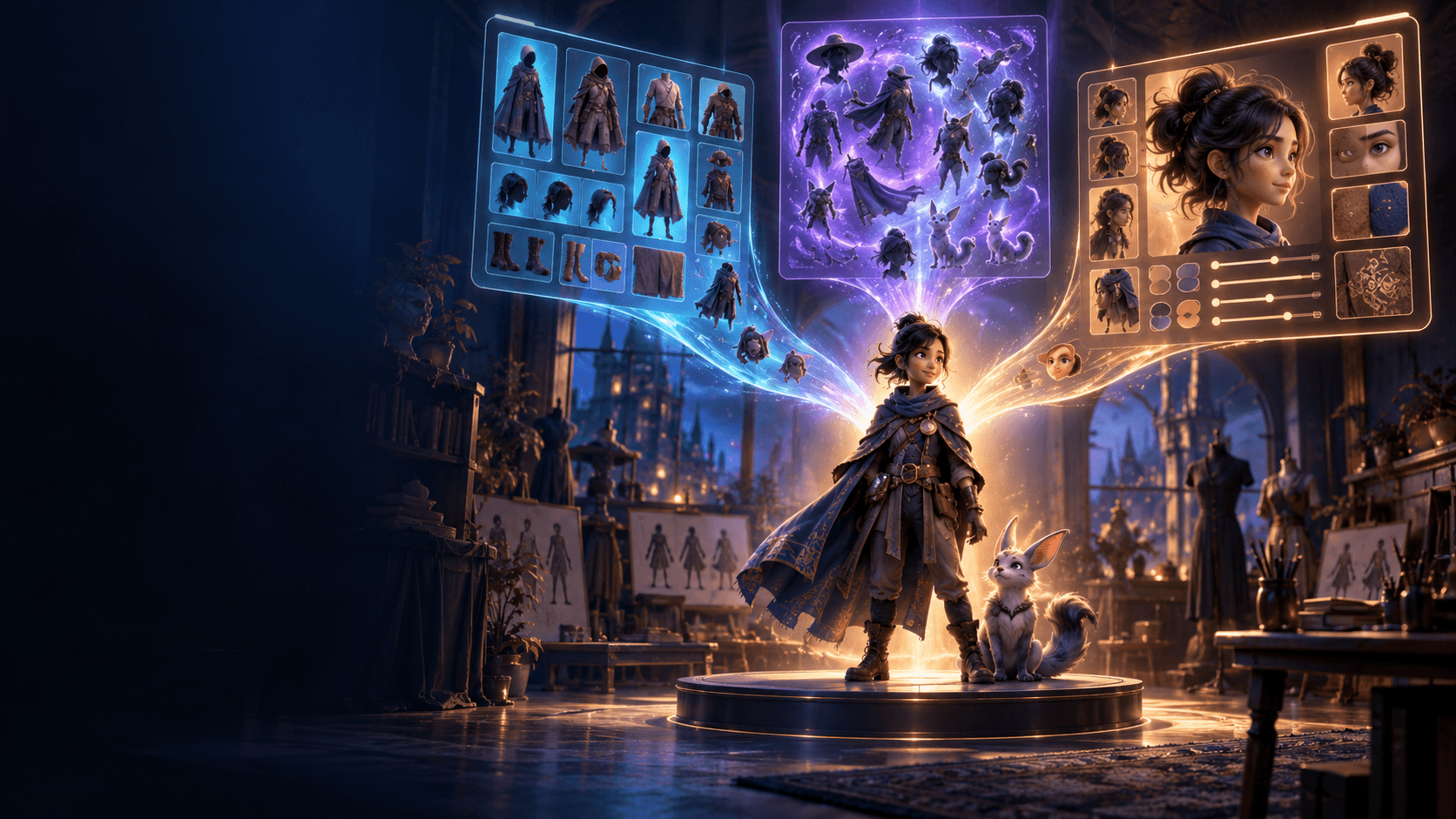
What Can You Create with Elser AI? 20 Practical Project Examples
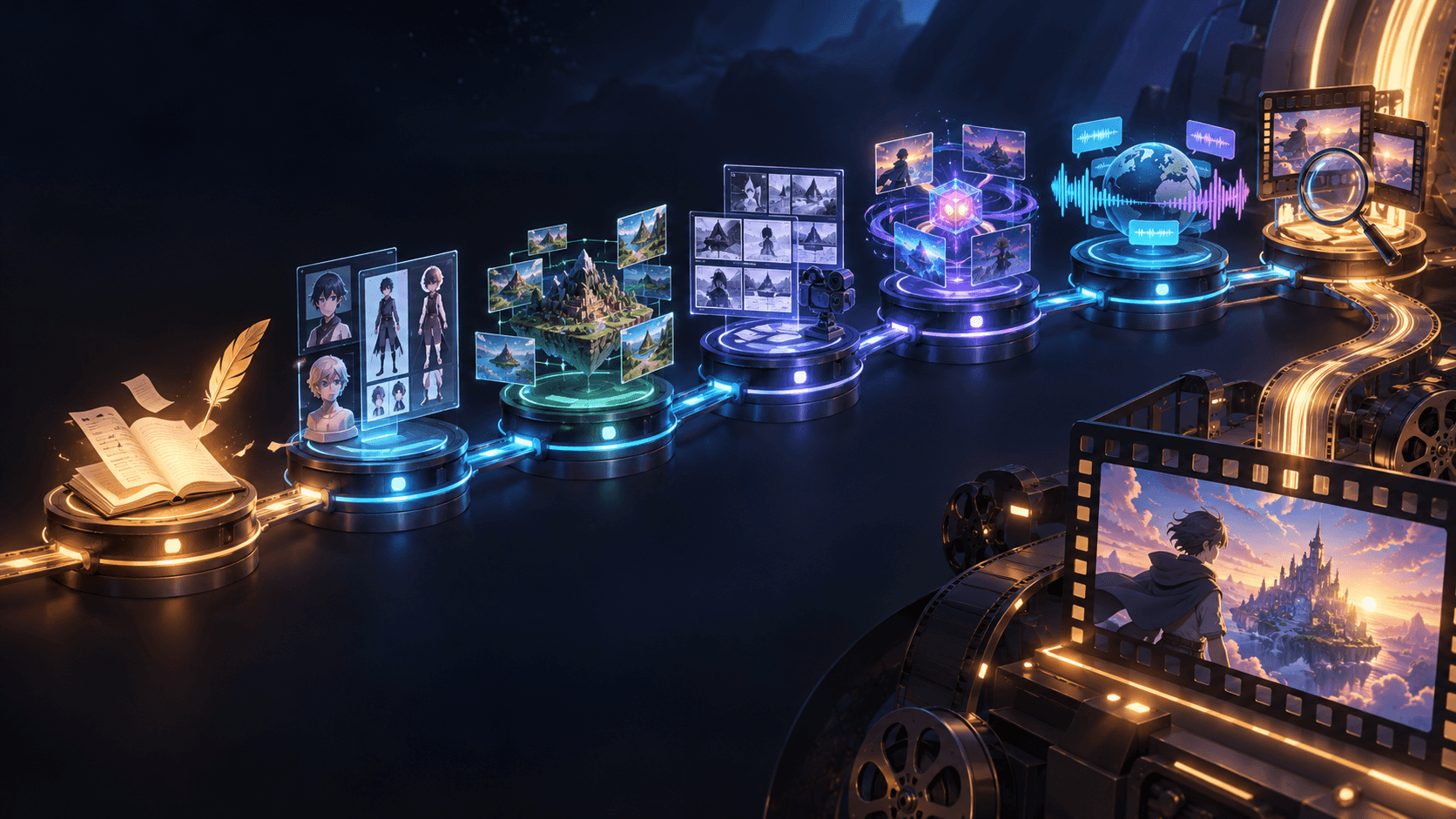
The right first question is not “What can AI generate?” It is “What deliverable can I review, revise and publish responsibly?” Elser AI connects idea and script development with characters, storyboards, image and video generation, voices, sound and editing. That makes it useful for complete shorts, but also for smaller assets that fit an existing production.
The 20 examples below are scoped as real projects rather than spectacle demos. Each includes a useful starting input and a quality check. Choose one whose complexity matches your current skill, rights clearance and revision budget.
Fast Social and Audience-Building Formats
These projects are short enough to test rapidly but still reward story discipline.
1. A 15-second character reveal
Start with a character card and one transformation or prop reveal. Quality check: can a viewer understand the identity without captions?
2. A 30-second anime micro-drama
Use one conflict and one reversal. Quality check: every shot changes the emotional state.
3. A looping atmosphere clip
Animate rain, hair, fabric and lighting around a mostly stable subject. Quality check: first and last frames feel compatible.
4. A vertical teaser trailer
Build three images—world, character, threat—then add a title in post. Quality check: it reads on a phone with sound muted.
Original Character and Worldbuilding Assets
Character work becomes valuable when outputs function as a reusable design system.
5. An OC reference sheet
Create neutral pose, close-up, palette, key prop and expression range. Check left/right marks and outfit construction.
6. A costume variant set
Design base, travel, formal and battle variants while preserving silhouette and palette logic.
7. A party lineup for a game pitch
Use distinct heights, shapes and roles. Check that each figure is recognizable at thumbnail size.
8. A location mood bible
Create the same market at dawn, rain, festival night and aftermath. Track fixed architecture separately from changing atmosphere.
Try it in your own project: Turn one of the small-format examples into a registered test project before attempting a series. You can take this checkpoint into Elser AI and compare the result with the brief before moving forward.
Story Planning and Previsualization
A generated asset does not need to be final art to save production time. It can answer a question before a team commits resources.
9. A camera-ready storyboard
Convert a script into shot-numbered panels with action, dialogue, lens intent and duration.
10. Two alternative scene openings
Compare an establishing-shot version with an in-medias-res close-up. Test comprehension with a viewer.
11. A dialogue coverage plan
Build master, singles, reactions and inserts. Check screen direction and eyelines.
12. A proof-of-concept animatic
Sequence panels with temporary voice and effects. Judge pace before high-cost generation.
Comics, Manga and Motion Adaptation
Respect rights and preserve the visual grammar of the source instead of forcing every panel into full cinematic motion.
13. An original manga page
Plan reading order, balloon space and panel contrast. Add final lettering after image generation.
14. A motion-comic scene
Use depth separation, restrained parallax and timed dialogue. Check that motion supports rather than erases line art.
15. A panel-to-video transition
Begin from your own or licensed panel, remove balloons, animate a single action and rebuild captions in post.
Try it in your own project: Build one reusable cast asset, then see how it performs across three examples. Use Elser AI to turn the guidance into a controlled experiment rather than a large blind batch.
Creator, Brand and Learning Projects
These formats need factual review and brand controls in addition to visual quality.
16. A product-origin mini story
Show problem, discovery and outcome without inventing claims. Lock product shape and approved copy.
17. A mascot explainer
Give one character a simple teaching goal. Review terminology with a subject-matter expert.
18. A visual vocabulary lesson
Pair short narration with concrete scenes. Keep text overlays editable and accessible.
19. A podcast story insert
Create a 20-second scene to visualize a narrated anecdote. Make the visuals complementary, not literal repetition.
20. A pitch-world trailer
Express tone, cast and stakes without pretending the concept footage is final production. Label AI-generated material when context requires.
How to Choose Among the 20 Ideas
Score each candidate from one to five for audience value, rights clarity, asset readiness, continuity difficulty and revision cost. A small high-value project beats an ambitious concept with unclear ownership or twelve unstable characters.
- Beginner: loop, character reveal, mood bible or storyboard.
- Intermediate: micro-drama, motion comic, dialogue plan or mascot explainer.
- Advanced: multi-scene trailer, party lineup across shots, pitch-world trailer or long animatic.
Build the smallest version that can prove the audience promise. If it works, reuse the character, setting and prompt record in the next episode.
Try it in your own project: Use Elser as a previsualization desk even when final finishing happens elsewhere. Elser AI gives you a practical place to register and test the smallest viable version.
A Production Checklist for Any Example
Before generating, write the deliverable, audience, runtime, aspect ratio, rights status and acceptance criteria. During production, preserve version names and references. Before publishing, review continuity, captions, audio levels, disclosures and platform requirements.
Measure the result by usable assets and audience response, not total generations. A beautiful rejected image is research; an approved shot that advances the story is production.
Define Success for the selected project example
Before another generation, write three pass conditions for one small publishable deliverable. Include one story condition, one continuity or technical condition, and one delivery condition. This converts taste into a reviewable decision. A result can be attractive and still fail if the specific audience named in the brief cannot understand its purpose. Record the reason for rejection so the next attempt answers evidence rather than mood.
Run a Small Representative Test
Choose the shot or asset that contains the normal difficulty of the selected project example—not the easiest beauty frame and not the impossible climax. Keep references, format and acceptance criteria fixed. Change one variable, then compare at normal playback size. The test is finished when it produces an approve, revise, redesign or cut decision, not when it produces the largest gallery.
Keep a Decision Log
For one small publishable deliverable, store the prompt, references, visible model name, settings, output ID and approval note. Add a short defect label such as “unclear silhouette,” “late reaction,” or “audio masks dialogue.” This record lets a collaborator understand why a version won and protects the project when interfaces or model catalogs change.
Budget from Usable Output
For the selected project example, estimate cost from attempts per approved asset and usable seconds, not from a single lucky generation. Include design exploration, continuity repairs, alternate edits, captions and delivery formats. Elser’s current pricing information says consumption can vary by model, duration and resolution, so a representative test is more useful than a generic generation count.
Review at Audience Scale
Inspect details closely, then watch one small publishable deliverable at the size and speed experienced by the specific audience named in the brief. A tiny texture shift may be irrelevant while a missing reaction, unreadable silhouette or quiet line is decisive. Review once without sound to test visual clarity and once without picture to test dialogue, ambience and rhythm.
Frequently Asked Questions
Can Elser AI create projects beyond anime?
The current product page describes several visual directions and connected image, character, audio and video workflows. Test the specific style you need.
Which example is cheapest to test?
A storyboard, character sheet or restrained loop usually has fewer moving parts than a multi-scene film. Actual consumption depends on current settings.
Can I use existing manga panels?
Only if you own or have permission to adapt them. Remove lettering before motion and rebuild it for readability.
What is the best project for social media?
A 15–30 second reveal or micro-drama with a clear first-frame hook and mute-friendly captions is a practical starting point.
Should I make a full series first?
No. Make a pilot that tests the recurring character, visual language and production cost.
Conclusion
Elser AI can support a wide range of outputs, but useful scope is more important than theoretical possibility. Pick one deliverable, define the review criteria, build reusable assets, and learn from a small publishable result before scaling.