What Is Elser AI? Complete Guide to the AI Animation Platform
Elser AI is a browser-based creation platform that connects several stages of story production: ideas and scripts, character design, storyboards, image and video generation, voices, sound, music, editing, and export. The important word is connects. A beautiful isolated image is not an animation pipeline. A production system must carry decisions—who the character is, what happens, where the camera sits, what the audience hears—from one stage to the next.
This guide explains the platform from a creator’s perspective, using only capabilities visible on current official pages. It also separates product facts from production advice. Model catalogs, interfaces, limits, and plan benefits change, so verify the live workspace before promising a delivery to a client.
The Plain-English Definition
Elser AI functions as a compact creative environment for story-led media. Its official pages show image, video, character, comic, music and sound tools, while the movie workflow adds script development, character settings, storyboard modes and editing. This makes the platform relevant both to complete shorts and to individual assets that later move into another editor.
The Documented Idea-to-Export Workflow
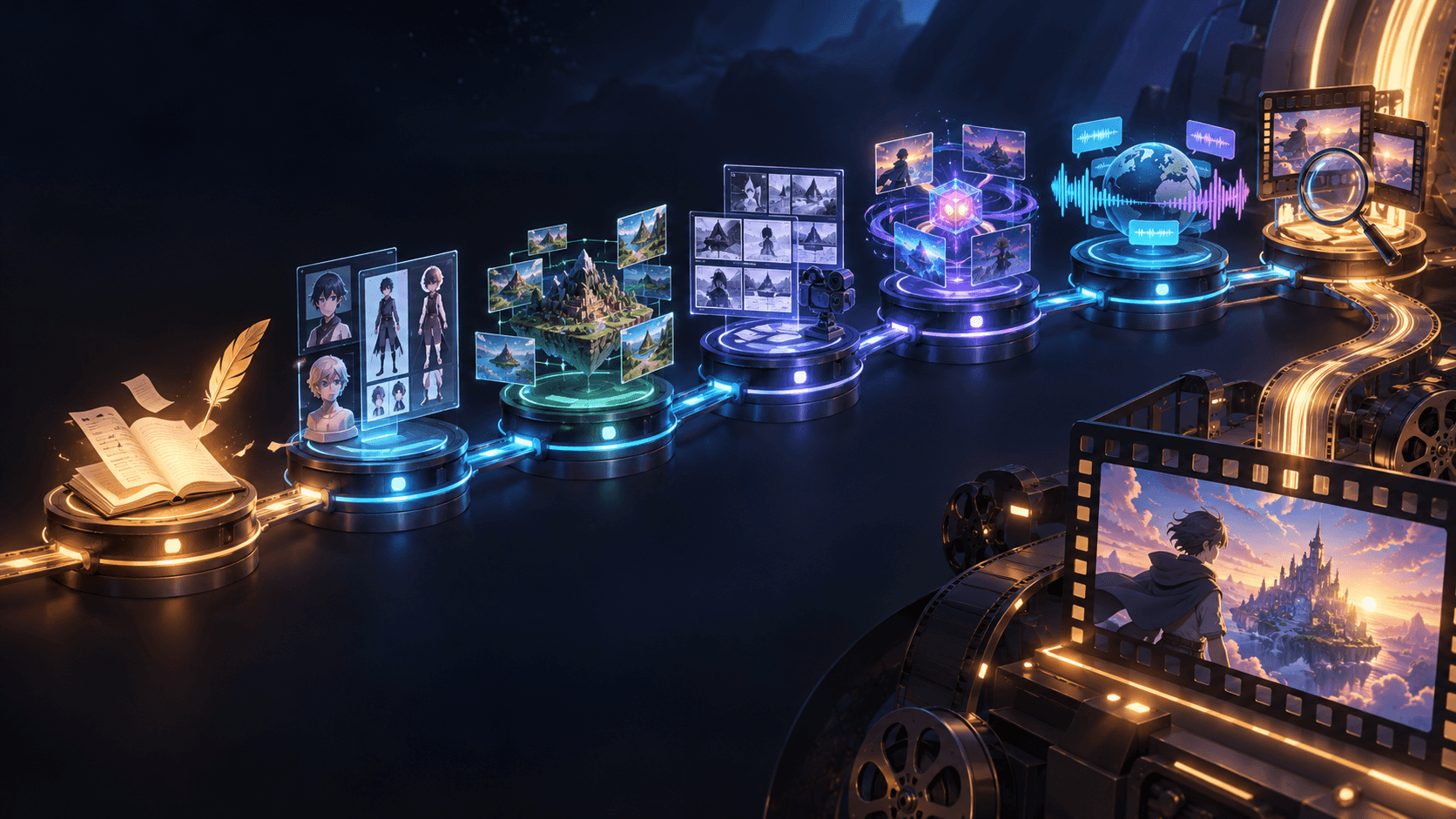
A project can begin from a short idea or an existing script. The script is segmented and remains editable. Creators then configure aspect ratio, model, voiceover, shot duration and visual style; establish characters; select Auto Storyboard, Manual or Storyboard Studio; and refine scenes before export. Each stage should reduce uncertainty for the next.
Apply this now: Open one small test project and inspect the full workflow before judging it from a single generation. Elser AI provides a practical workspace for this controlled test.
What the Platform Does Not Decide for You
Elser can create options, but it cannot own the audience promise. The creator must decide which beat matters, whether a face remains recognizable, whether a cut is motivated, whether dialogue is true to the character, and whether references are lawful. Automation shifts effort toward direction, selection and quality control; it does not remove those responsibilities.
Who Gets the Most Value
Solo animators, webcomic creators exploring motion, social storytellers, indie teams prototyping cutscenes, and marketers previsualizing narrative concepts can benefit from fewer tool handoffs. Traditional specialists may still be needed for frame-accurate animation, compositing, color management, bespoke rigging, localization, accessibility and complex collaborative finishing.
Apply this now: Use the storyboard as an approval gate before committing to motion. Create the smallest version in Elser AI and continue only after it passes review.
How Characters, Storyboards and Models Fit Together
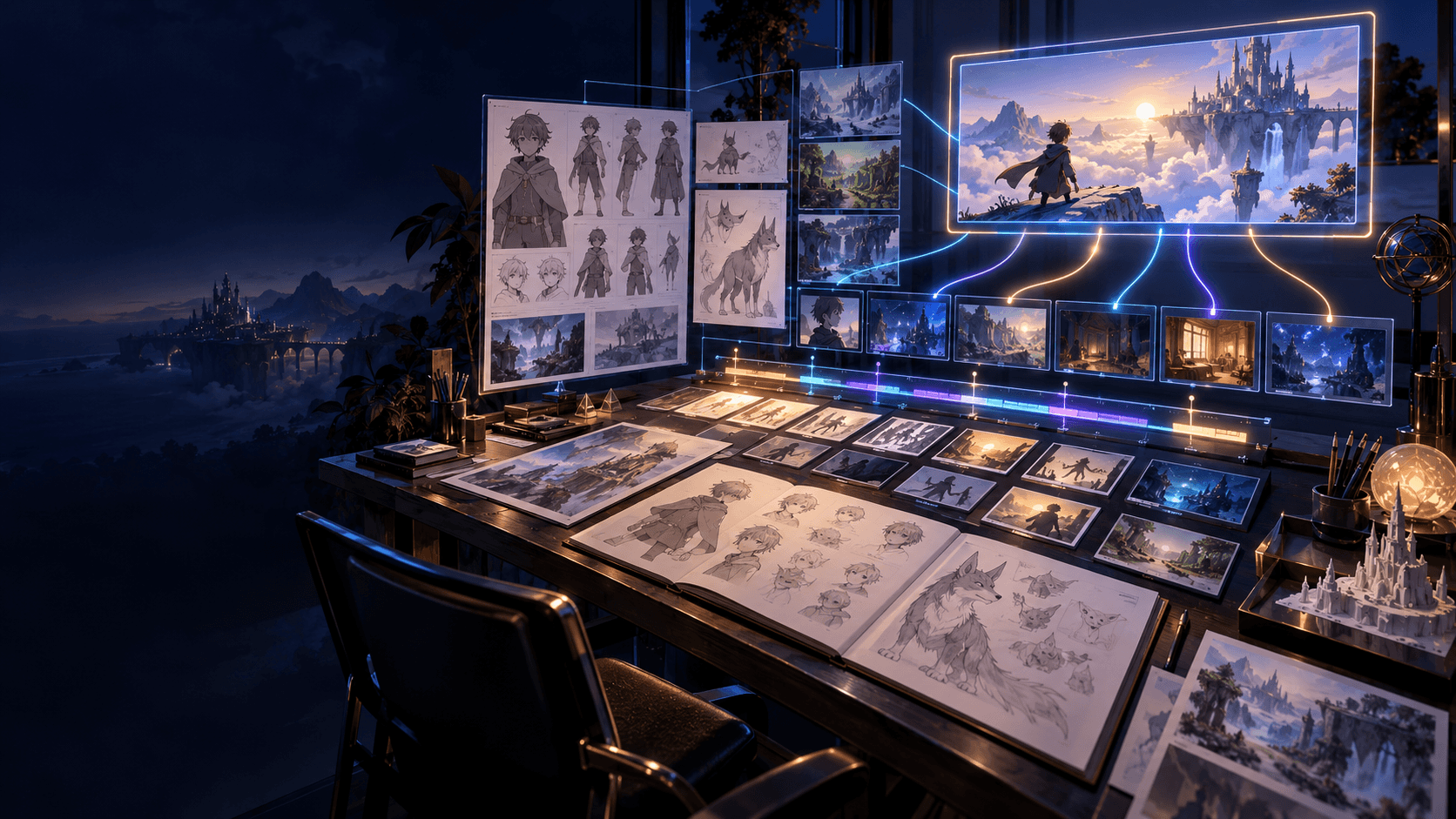
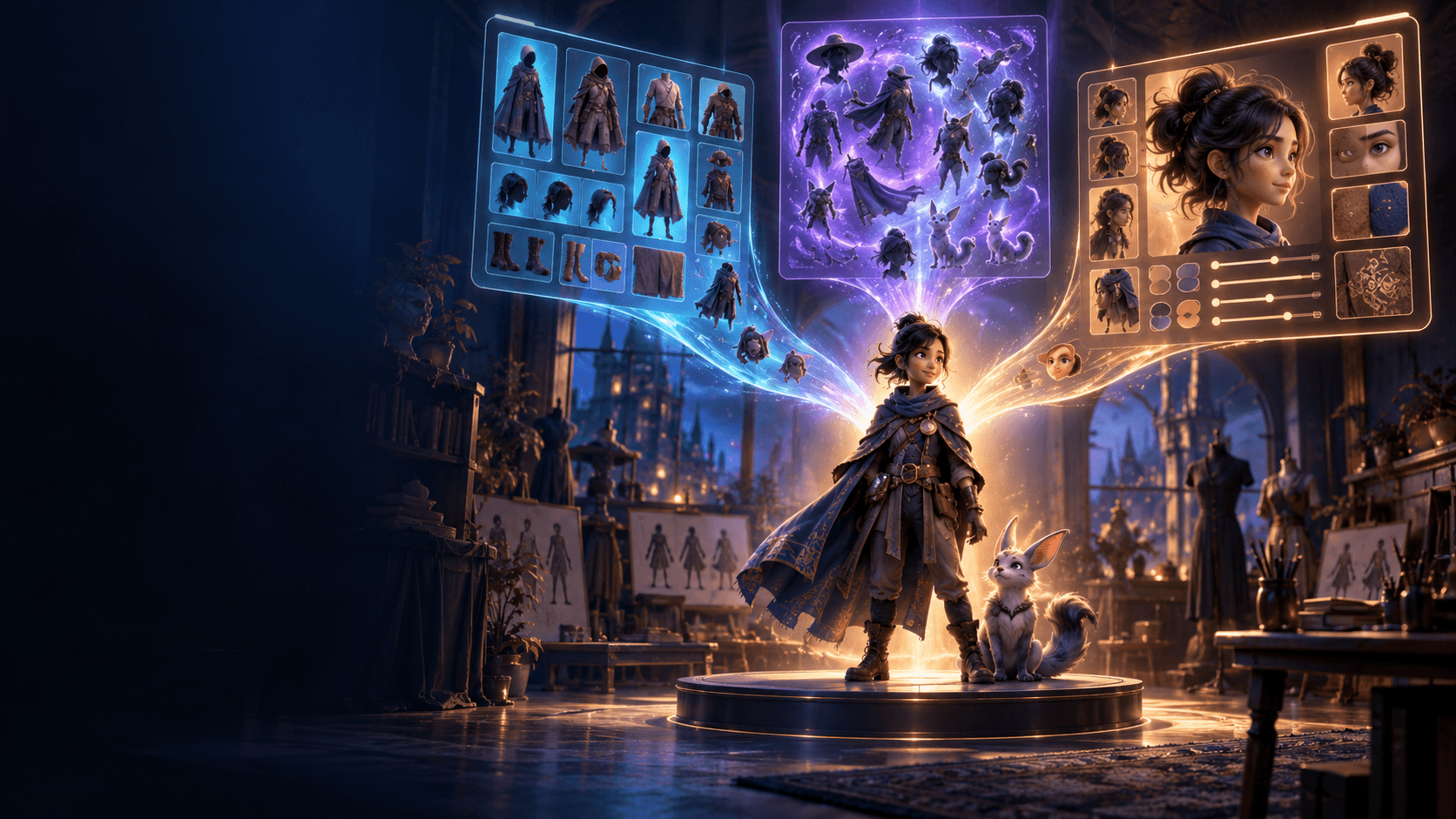
Character assets establish visual truth. Storyboards establish shot truth. A selected model attempts the moving output. Keep those layers separate: an asset board should remain stable while shot order evolves. Choose models by representative tests, not popularity, and never let a visually impressive take silently redesign the cast.
Pricing and Capacity Without Misleading Math
The current pricing FAQ says credit consumption varies by model, output duration and resolution. Monthly quotas and throughput can also be dynamic. Budget from attempts per approved shot, include design and repair work, and check current plan details. Headline generation counts are estimates only when they match your exact settings.
Apply this now: Measure usable seconds and revision effort inside a real Elser project. Use Elser AI to keep the next decision connected to the same project.
Responsible Use and Commercial Readiness
Use references, voices, music, likenesses and marks you own or may legally transform. Check the current terms and the conditions of the chosen plan and model. Keep prompt records, source provenance, collaborator approvals and a clean master. Do not present synthetic footage as documentary evidence or imitate a living artist deceptively.
Elser AI Compared with a Single-Purpose Generator
A single-purpose text-to-video tool begins at the shot. Elser AI begins earlier, where the creator decides what the story is, who appears in it and how shots connect. Its current Anime & Movie Studio includes an idea route, a script-following route, editable scenes, character settings and three production modes. That difference matters for the long-tail query “all-in-one AI animation platform for story creators”: the value is workflow continuity, not merely access to a model.
The Five Workspaces a New User Should Understand
Concept and Storyline
Concept defines the premise; Storyline turns it into editable scenes.
Settings and Cast
Settings controls delivery choices such as aspect ratio, model, style, voice and shot duration. Cast stores reusable character decisions.
Storyboard and Final Cut
Storyboard translates scenes into visible coverage. Final Cut is where generated shots become a paced sequence. These workspaces explain how Elser AI works from script to video more accurately than a feature list.
Where Elser AI Fits in a Real Production Stack
For a solo creator, Elser can cover development, previsualization, asset creation and a browser-based finishing pass. A studio can instead use it for character concepts, storyboard alternatives, keyframes or selected video shots, then move approved material into its established editor. The platform does not require an all-or-nothing commitment. Decide whether the deliverable is a complete anime short, an animatic, a reusable cast, or generation-ready shot package.
Explore the actual workflow: Open the Elser AI Movie Generator and follow Concept → Storyline → Settings → Cast → Storyboard → Final Cut with a five-shot test.
What Elser AI Is Best At—and What to Test First
Elser is most relevant when a project needs more than one medium: script plus cast, storyboard plus motion, or visuals plus voice and sound. Test character reuse, scene editing, storyboard control and the exact model required for your hardest normal shot. Do not begin with a long film. A 20-second continuity test reveals more about the Elser AI animation platform than a perfect isolated image.
Common Misunderstandings about the Platform
“All-in-one” does not mean every decision is automatic, every model has identical controls, or every generated second is usable. “Character reuse” does not eliminate continuity checks. “Start from one idea” does not mean the first expanded script should be accepted unchanged. “Online editor” does not replace specialized compositing for every production. A credible complete Elser AI guide makes these boundaries explicit so users can scope work correctly.
A 15-Minute Elser AI Evaluation Checklist
Create one premise, inspect the scene split, change a line, configure the target ratio, create one character, compare Auto Storyboard with a directed alternative, and generate one representative shot. Note where decisions remain editable and where the chosen model constrains you. Finally, inspect export and current credit information. This short audit answers “Is Elser AI right for me?” with evidence from your use case.
Frequently Asked Questions
What is Elser AI used for?
Elser AI is used for connected story creation: developing an idea or script, creating reusable characters, planning storyboards, generating images or video, adding voice and sound, and assembling a final sequence.
Is Elser AI only an anime generator?
No. Anime is a major workflow, while the current tools directory also lists image, video, character, comic, music and sound creation. Available styles and tools should be checked in the live product.
Can Elser AI turn a script into a complete video?
Its movie workflow supports an existing-script route, editable scenes, characters, storyboard modes, generation and Final Cut. A publishable result still requires human selection, continuity review and editing.
Who should use Elser AI?
It is especially relevant to solo story creators, anime and webcomic creators, social-video teams and small studios that want story, cast and generation decisions in one browser workflow.
Does Elser AI replace professional animation software?
Not for every project. It can cover or accelerate several stages, while advanced compositing, frame-level animation, color work or collaborative finishing may still happen elsewhere.
Conclusion
Elser AI is best understood as a connected animation platform: story decisions flow into cast, storyboards, model-driven generation, audio and an editable final sequence. Evaluate that chain with a short representative project, not an isolated demo. Continue with Elser AI when you are ready to apply this exact workflow to a real project.