What Is NSFW AI? Meaning, Uses, Risks, and Safety Guidelines
The phrase NSFW AI is often used as shorthand for artificial intelligence that can recognize, discuss, generate, or transform material considered “not safe for work.” That category is broader than pornography. Depending on the platform and context, it may include nudity, sexual themes, graphic violence, disturbing imagery, strong language, or other material that is unsuitable for a workplace, school, or public setting.
This distinction matters. An AI moderation service that detects nudity and an image generator that creates adult-themed fictional art may both be described as NSFW AI, even though they perform very different jobs and carry different risks.
This guide explains what NSFW AI means, where it is used, what can go wrong, and how adults can approach mature-themed AI creation more responsibly. It does not cover methods for bypassing safeguards or creating sexualized content involving minors, non-consenting people, or real-person deepfakes.
What Does NSFW AI Mean?
NSFW AI is not one technical model or product category. It is an informal label applied to several types of systems:
- Content generators that create text, images, audio, characters, or video with mature themes.
- Editing tools that transform an existing image or video.
- AI companions and roleplay systems designed for adult conversations.
- Content classifiers that detect nudity, sexual material, violence, or other sensitive content.
- Moderation systems that blur, block, label, age-gate, or route potentially sensitive material for human review.
The meaning also changes by platform. One service may classify artistic nudity as mature but permitted, while another blocks all nudity. A tool may allow fictional romance yet prohibit explicit sexual content. Even when a product displays an “NSFW” control, that control does not necessarily disable its safety systems. For example, xAI states that enabling NSFW in Grok does not turn off moderation and that sexual content involving minors and non-consensual intimate imagery remain prohibited.
The practical takeaway is simple: “NSFW supported” does not mean “anything is allowed.” Read the current rules of the specific service before uploading a reference or generating content.
How NSFW AI Works
Most generative systems learn statistical relationships between words, images, motion, or sound. A user provides a prompt, reference, or conversation, and the model predicts an output based on those patterns. Mature-content tools may also include several safety layers:
- Prompt screening checks the request before generation.
- Input analysis looks for prohibited material in uploaded images or video.
- Output classification scans the generated result.
- Identity safeguards detect celebrity names, real-person likenesses, or face-based edits.
- Age-related safeguards attempt to block ambiguous or underage subjects.
- Provenance features add visible or invisible signals that an output was AI-generated.
- Account enforcement limits or removes access after policy violations.
These controls are imperfect. Classifiers can block lawful art by mistake, and generative models can produce unexpected details. Human review remains important, especially when a result will be published.
Common Uses of NSFW AI
1. Fictional adult storytelling
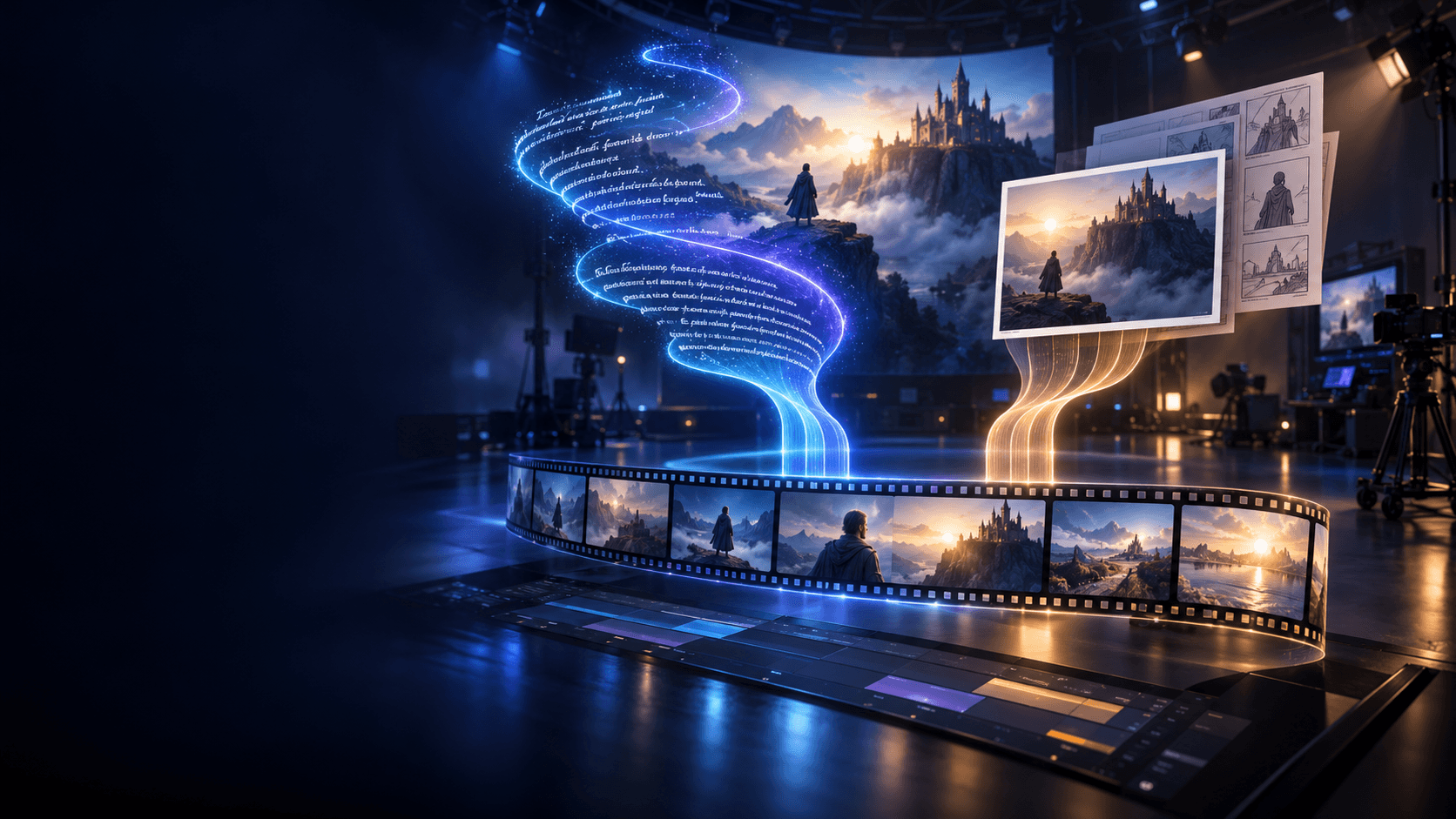
Writers and visual creators may use AI to explore romance, dark fantasy, horror, or other mature themes involving clearly fictional adults. The AI can help with outlines, character concepts, scene variations, storyboards, and visual mood development.
2. Mature-themed illustration
Artists may create non-photorealistic fantasy characters, stylized romance covers, pin-up-inspired artwork, or dramatic scenes intended for an adult audience. The safest approach is to use original characters who are unambiguously adults and not based on a real person.
3. Content moderation
Online platforms use AI to identify material that may require an age gate, warning label, blur, rejection, or manual review. In this context, NSFW AI is a safety tool rather than a generator.
4. Safety research and dataset review
Researchers and trust-and-safety teams use classifiers to evaluate model behavior, locate risky training data, and test whether safeguards work. This work should happen under controlled access, clear ethical rules, and applicable law.
5. Private creative prototyping
Adult creators may privately test fictional character designs or story directions before producing the final work. Privacy still depends on whether the tool runs locally or sends prompts and uploads to a cloud provider.
The Major Risks of NSFW AI
Non-consensual intimate imagery
Using a real person’s face, body, voice, or recognizable identity in sexualized content without permission can cause severe personal and reputational harm and may be illegal. Consent for an ordinary photograph is not consent for an intimate AI transformation.
Do not assume that a public photo, celebrity status, or social media post makes a person’s likeness available for sexualized use. xAI’s acceptable-use rules, for example, prohibit placing real people into pornographic contexts and prohibit nudifying or undressing them.
Minors and age ambiguity
Any sexual content involving a minor is prohibited. This includes synthetic imagery and fictional characters presented as minors. Ambiguous age is also a serious risk: school settings, childlike proportions, “teen” language, or young-looking character design can create uncertainty even if the creator intended an adult.
Use clearly adult characters, adult contexts, and unambiguous descriptions. If a result looks underage, do not save, share, or attempt to refine it—delete it and stop that direction.
Privacy and data retention
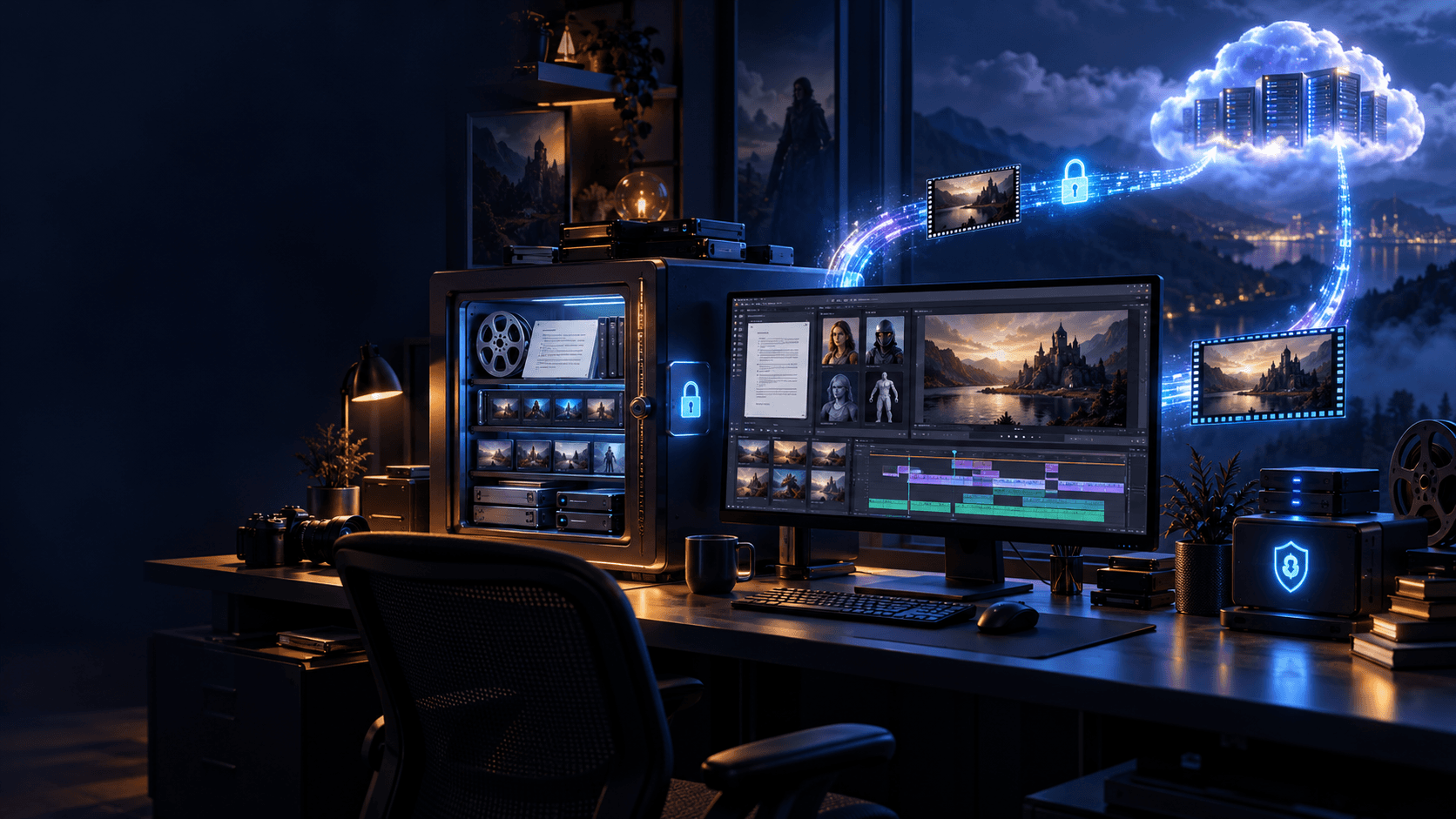
Cloud tools may process prompts, reference images, outputs, device data, or account information. Policies differ on logging, temporary caching, human review, model training, deletion, and legal disclosure.
Before uploading sensitive material, check:
- Are prompts, uploads, and outputs stored?
- Is storage temporary or persistent?
- Can employees or contractors review content?
- Is user content used to improve models?
- Can the user delete account data and generations?
- Is content private by default or posted to a public gallery?
“Encrypted” does not always mean end-to-end encrypted, and “private mode” does not automatically mean no server processing.
Copyright, publicity, and ownership questions
An AI service may assign contractual rights in outputs while still requiring the user to have rights to every input. Those are separate issues. A generated image can also resemble copyrighted characters, protected trademarks, or a real person closely enough to create legal and commercial risk.
Review model licenses and platform terms before selling or advertising with AI-generated work. Avoid presenting an output as an official work of a living artist, brand, actor, or franchise.
Security and scams
Adult-themed AI is a high-risk category for fake apps, malicious downloads, credential theft, crypto scams, and aggressive billing. Installing unknown model files or extensions can expose a device to malware. Use official sites, verify downloads, enable multi-factor authentication when available, and never reuse an important password.
Bias, objectification, and emotional harm
Models can reproduce stereotypes about gender, race, sexuality, body type, and relationships. AI companion systems may also encourage emotional dependence or blur the boundary between simulation and human consent. Treat outputs as generated media, not evidence of what a real person thinks or wants.
Publication and platform risk
A result allowed inside one generator may still violate the rules of a social network, payment provider, app store, ad network, employer, or web host. Before publishing, check the destination’s rules and apply accurate age labels or sensitive-content warnings.
Practical NSFW AI Safety Guidelines
Use this framework before creating or publishing mature-themed AI content.
Keep subjects fictional, adult, and unambiguous
Use original fictional characters who are clearly adults. Do not use a real person’s name, face, private photos, or other identifying features in sexualized content. Avoid age ambiguity and youth-coded settings.
Obtain specific consent for real inputs
For non-sexual mature work involving a model, actor, or collaborator, obtain written permission that covers AI processing, the intended edits, publication channels, duration, and commercial use. General photo consent may not cover generative transformation.
Minimize sensitive uploads
Do not upload intimate photographs, government IDs, medical information, private messages, or files containing location metadata. A fictional reference or purpose-made character sheet is safer than a personal photo.
Review the policy—not just the marketing page
Check the provider’s acceptable-use policy, privacy policy, retention details, and commercial terms. Policies can change, so record the version or date when using a service for ongoing production.
Preserve provenance
Keep original project files and generation metadata when possible. Do not remove watermarks or provenance signals in order to mislead viewers. If an image could reasonably be mistaken for a real event or person, label it as AI-generated.
Use human review before publishing
Inspect faces, apparent age, anatomy, background details, text, logos, and unintended resemblance to real people. Also check whether the scene implies coercion, exploitation, or violence that was not intended.
Secure and delete responsibly
Store sensitive drafts in an encrypted location with limited access. Delete unused cloud generations where the service permits it, remove metadata that exposes private information, and maintain a documented retention period.
Never try to bypass safeguards
Repeatedly rewording a prohibited request, disabling safety components, or using third-party tools to evade enforcement increases legal and security risk. A blocked request is a signal to change the concept, not to search for a loophole.
A Safer Workflow for Mature Fictional Projects
A responsible workflow separates story development from any sensitive visual production:
- Define the audience, rating, and prohibited themes.
- Create a cast of original, clearly adult characters.
- Write a scene outline focused on emotion, conflict, and narrative purpose.
- Generate non-explicit character sheets and environments first.
- Use fictional references rather than personal photos.
- Review every result for age ambiguity, identity resemblance, and unintended details.
- Add disclosure and age labeling appropriate to the publishing platform.
- Keep a record of model, license, policy date, and human approvals.
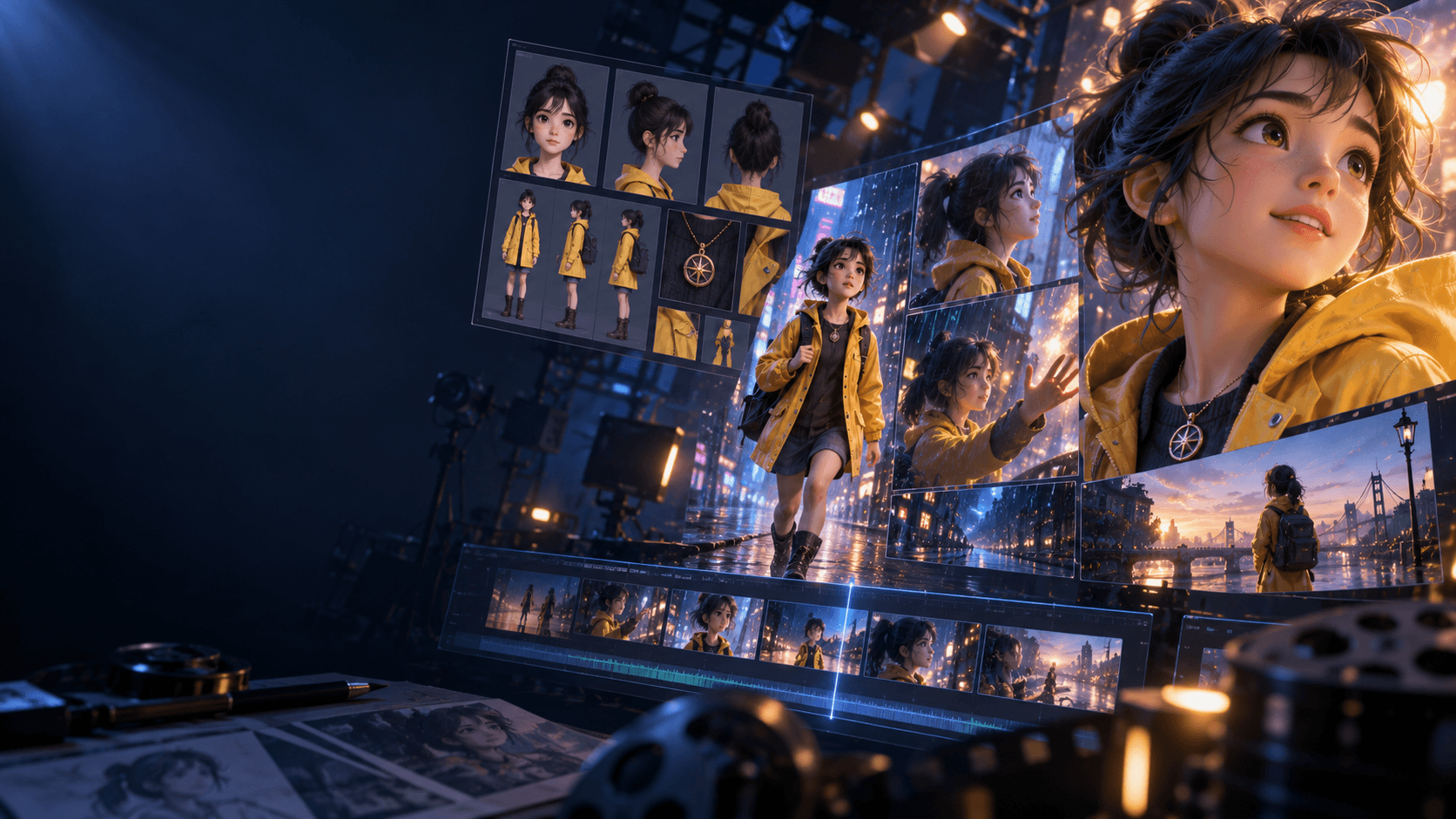
For creators whose goal is mature-toned storytelling rather than explicit generation, Elser AI Story Studio provides a connected path from story ideas to characters and visual continuation. Elser AI’s broader creative tool suite also brings image, video, character, comic, manga, sound, and story tools into one workflow. That makes it useful for building romance, dark fantasy, thriller, or dramatic comic projects without moving private source files through many unrelated apps. Creators should still check the current platform rules before starting a sensitive project.
Frequently Asked Questions
Is NSFW AI legal?
The technology itself is not universally illegal, but particular content and uses may be. Laws vary by country and state, especially for non-consensual intimate imagery, child sexual abuse material, obscenity, privacy, publicity rights, and deceptive deepfakes. Obtain qualified legal advice for commercial or high-risk use.
Does NSFW always mean sexual content?
No. NSFW can also include graphic violence, gore, disturbing imagery, drug use, strong language, or other material inappropriate for a workplace or public setting.
Is an AI character automatically fictional?
Not necessarily. A synthetic image may still closely resemble a real person or protected character. Avoid real-person reference images and review the output for recognizable likenesses.
Is local AI completely private?
Running a model fully offline can reduce cloud exposure, but privacy still depends on the device, installed software, plugins, backups, and whether any component sends telemetry. Local operation also transfers more responsibility for security, licensing, and content safety to the user.
Can I remove an AI watermark?
Removing provenance to mislead viewers can violate platform rules and increase deception risk. xAI, for example, says Grok-generated images and videos contain a watermark and that obscuring provenance is prohibited.
Final Takeaway
NSFW AI is a broad label, not a permission slip. The safest uses are transparent, lawful, privacy-conscious, and limited to consenting adults or clearly fictional adult characters. Avoid real-person sexualization, age ambiguity, private uploads, and safeguard circumvention. Choose tools by reading their current privacy and safety policies—not by trusting a “no limits” claim.