Step 1
Step 1: Sign up & select Kling Image V3
Create a free Elser AI account. In the image model selector, choose Kling Image V3 — then select Standard or Omni tier.
Kling Image V3 is Kuaishou‘s flagship AI image generation model, released February 2026 as part of the Kling 3.0 series. It introduces Visual Chain-of-Thought (vCoT) reasoning. The result is images that feel photographically grounded, with natural lighting, realistic textures, and compositions that follow visual logic rather than fighting it. Available now on Elser AI.
Traditional diffusion models generate pixels in a single pass — often failing at spatial relationships, lighting consistency, and logical scene composition. Kling Image V3 introduces Visual Chain-of-Thought reasoning, a technique borrowed from large language models, adapted for visual synthesis.
Try FLUX Max Now

Kling Image V3 delivers native 4K output — not upscaled 1080p, not blurred post-processing, but full-resolution generation during the diffusion process itself.Native 4K means crispy edges, fine texture rendering, and zero upscaling artifacts across the entire frame. Complex materials like fabric weaves, metallic surfaces, and skin pores all hold sharp detail at full resolution.
Try FLUX Max NowKling Image V3 accepts up to 10 reference images in a single request — far surpassing the typical 3–5 image limits of many competitors.Use 2–3 images to lock visual style; use 5–10 references to guide color palette, composition layout, and subject identity across multiple characters or products simultaneously.
Try FLUX Max Now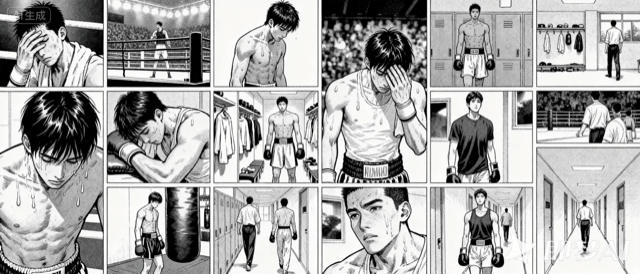
| Focus | What it means | Best use |
|---|---|---|
| Visual Chain-of-Thought (vCoT) Reasoning — It Plans Before It Renders | Traditional diffusion models generate pixels in a single pass — often failing at spatial relationships, lighting consistency, and logical scene composition. | Kling V3 |
| Native 4K Output with Print-Ready Resolution | Kling Image V3 delivers native 4K output — not upscaled 1080p, not blurred post-processing, but full-resolution generation during the diffusion process itself.Native 4K means crispy edges, fine texture rendering, and zero upscaling artifacts across the entire frame. | Kling V3 |
| Multi-Image Reference System — Consistency Across Your Entire Workflow | Kling Image V3 accepts up to 10 reference images in a single request — far surpassing the typical 3–5 image limits of many competitors.Use 2–3 images to lock visual style; use 5–10 references to guide color palette, composition layout, and subject identity across multiple characters or products simultaneously. | Kling V3 |
Step 1
Create a free Elser AI account. In the image model selector, choose Kling Image V3 — then select Standard or Omni tier.
Step 2
Write a natural language description: subject, action, environment, lighting, mood, style. For multi‑reference workflows, upload up to 10 reference images to lock style and subject identity.
Step 3
Choose resolution (1K, 2K, or Omni 4K), aspect ratio (1:1, 16:9, 9:16, 3:4, 4:3, 3:2, 2:3, 21:9, or auto), number of images (1–10), and output format (PNG or JPEG). Enable Prompt Enhancer for rough prompts. Click generate — preview, iterate via natural language editing, and export when ready.
Kling Image V3 produces sharp, detailed images with strong composition and natural lighting. Its key innovation is Visual Chain-of-Thought reasoning — it analyzes scene structure, lighting, and spatial relationships before rendering. Instead of generating pixels in a single pass, the model reasons through the composition: where subjects should be placed, how light should fall, what depth relationships make sense.
Native 4K image generation with superior edge clarity, detail, and consistency — solving common issues like upscaling artifacts. Native 4K output without upsampling, delivering crisp results ideal for professional design and cinematic stills.
The model’s strength in understanding lighting, composition, and emotional tone as part of a broader visual narrative. Images show stable lighting, controlled color transitions, and the kind of detail consistency that matters for professional use cases.
Kling Image V3 is stronger for photorealism, complex spatial compositions, and maintaining character consistency across multiple images.
Everything you need to know about Kling Image V3 , quality tiers, editing capabilities, and best practices.
Kling Image V3 is Kuaishou‘s third-generation AI image generation model, released in February 2026 as part of the Kling 3.0 series. It introduces Visual Chain-of-Thought (vCoT) reasoning — the model plans composition, analyzes lighting and spatial relationships, and generates from a coherent plan rather than a single stochastic pass. The series includes standard kling-v3 (1K/2K) and professional kling-v3-omni (up to 4K with series output support).
Three differentiators. First, Visual Chain-of-Thought reasoning — the model plans scene structure, lighting, and spatial logic before rendering, leading to more coherent, photographically grounded results. Second, native 4K output — full-resolution generation without upscaling artifacts. Third, 10‑image multi‑reference system + batch generation — up to 10 references per request, up to 10 outputs per batch at $0.028 each, with consistent style and subject identity maintained across the entire batch.
Kling-v3 supports 1K and 2K. Kling-v3-omni supports 1K, 2K, and 4K. Aspect ratios: 1:1, 3:4, 4:3, 16:9, 9:16, 3:2, 2:3, 21:9, plus an auto mode that intelligently matches output dimensions to your prompt‘s semantic intent.Output formats: PNG (lossless) or JPEG (web‑optimized).
Most image models attempt to render everything at once, often failing at spatial logic, lighting consistency, and physical plausibility. vCoT changes this: before generating a single pixel, Kling Image V3 analyzes where subjects should be placed, how light should fall across the scene, what depth relationships make sense, and whether the composition follows visual logic.The result is coherent, intentional images that feel photographically grounded — not pixel‑stitched guesses.
Up to 10 reference images in a single request. Use the Elements system to lock character or product identity across series — define named elements with reference images, then summon them in prompts using simple syntax. For subject control (multi‑image body generation), both standard and Omni models support reference‑based generation.
Yes. One of Kling 3.0‘s standout improvements is its ability to render text within images — signs, labels, captions, and typographic elements come through clearly and legibly.Optimized for e‑commerce advertising, social media graphics, and any use case where readable in‑image text matters.
Yes. Elser AI offers trial credits for new users. Vercel AI Gateway also provides $5 of credits every 30 days for free users. Upgrade to a paid plan for full commercial rights.
Yes. Paid‑plan generations include full commercial rights. Review Elser AI‘s acceptable use policy for detailed guidance.
Both models support up to 10 reference images and full aspect ratio flexibility. The differences: resolution (Standard: 1K/2K; Omni: 1K/2K/4K), output modes (Omni supports image series mode for consistent multi‑image sets), and resolution control (Omni adds auto resolution mode).For most production workflows, Standard covers daily needs; use Omni when you need 4K output or series‑mode consistency.
Elser AI has fully integrated Kling Image V3 alongside other leading image models. Sign up, select Kling Image V3 from the model selector, choose Standard or Omni tier, enter your prompt or upload up to 10 references, and generate — no API keys or complex infrastructure required.
The era of planned, coherent AI image generation has arrived.
Try Kling Image V3 on Elser AI