ChatGPT Images 2.0 Data di lancio, Disponibilità, Prezzi e Novità
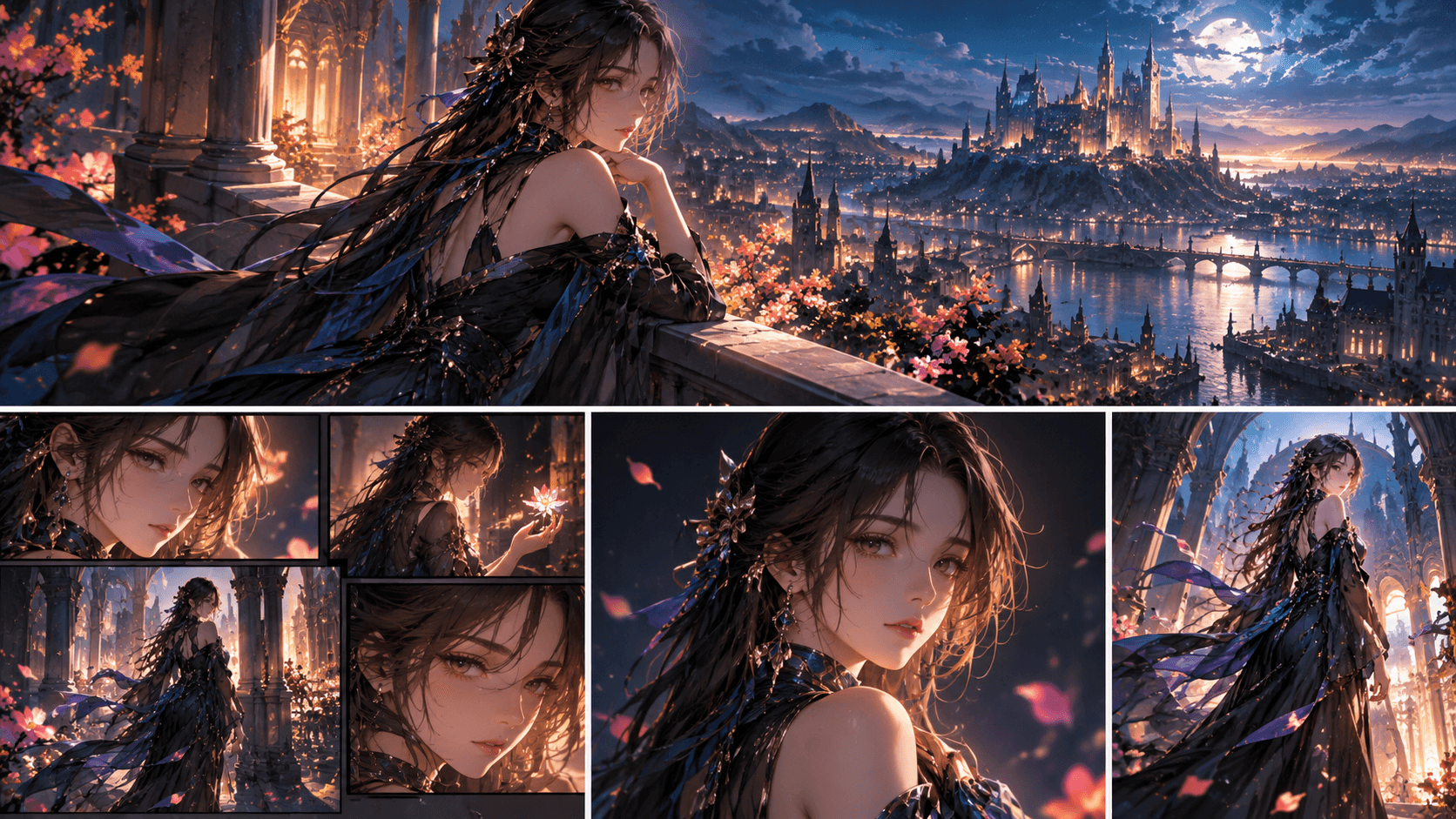
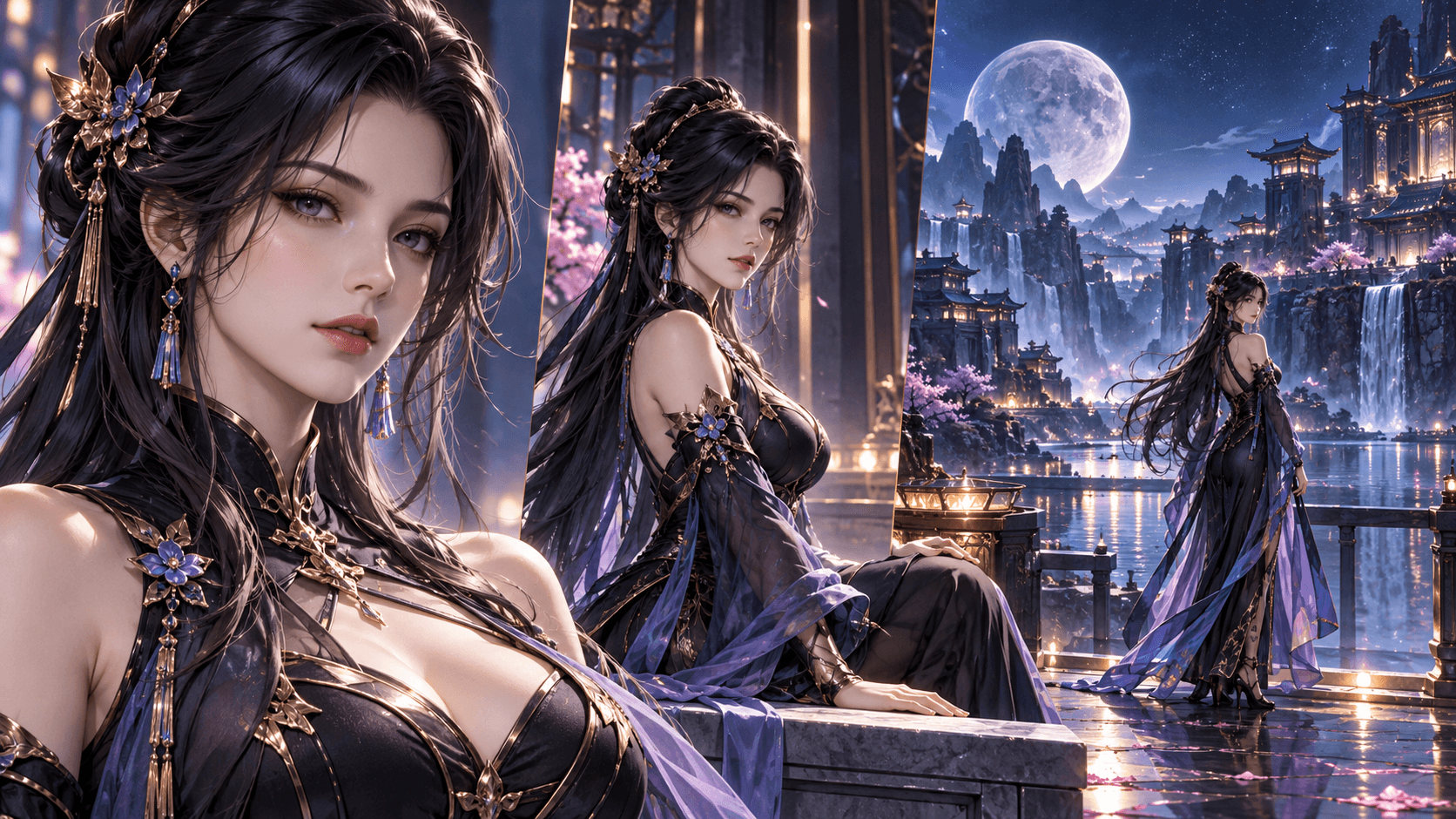
ChatGPT Images 2.0 è uno dei lanci visivi più importanti di OpenAI nel 2026 perché avvicina la generazione di immagini a uno strumento di produzione reale. La notizia principale non è solo che OpenAI ha un modello di immagini più recente. La storia più significativa è che OpenAI sta integrando nel prodotto ChatGPT e nell'API, contemporaneamente, una renderizzazione testuale più potente, un ragionamento visivo più ponderato e un supporto per una diffusione più ampia.
Se stai cercando di capire le tempistiche di lancio, l'accesso, i prezzi e la differenza reale tra questo modello e i precedenti strumenti per immagini di OpenAI, questo è il riepilogo pratico.
Punti chiave
OpenAI ha ufficialmente presentato ChatGPT Images 2.0 il 2026-04-21.
A partire dal 2026-04-22, le note di rilascio di OpenAI dicono che Images 2.0 è disponibile per tutti i piani di ChatGPT.
La documentazione API di OpenAI elenca gpt-image-2 e l'istantanea datata gpt-image-2-2026-04-21.
Le maggiori modifiche al prodotto sono un rendering del testo più robusto, output di stili di design più utili e un flusso di lavoro per le immagini assistito dal pensiero per gli utenti paganti di ChatGPT.
I prezzi sono più chiari sul lato API; i costi dei piani ChatGPT dipendono ancora dal livello dell'account e dai limiti di utilizzo a livello di prodotto.
La data ufficiale di rilascio
La risposta più pulita è anche la più sicura: OpenAI ha pubblicato l'annuncio ufficiale di ChatGPT Images 2.0 il 2026-04-21. Questa data è importante perché separa il lancio attuale dai vecchi riferimenti su GPT Image 1.5 e dalle speculazioni della comunità su ciò che OpenAI potrebbe lanciare successivamente.
Per l'intento di ricerca, questa è la distinzione importante:
L'annuncio ufficiale di lancio pubblico è già online
La disponibilità del prodotto ChatGPT è già documentata
Il supporto API è già documentato
il volume di utilizzo esatto dipende ancora dalla superficie del prodotto e dai limiti del tuo piano
Questo significa che non è più un argomento in fase di voci non confermate. È un argomento relativo al lancio ufficiale del prodotto in corso.
Disponibilità su ChatGPT e nell'API
A partire dal 2026-04-22, le note di rilascio pubbliche di OpenAI affermano che Images 2.0 è disponibile su tutti i piani ChatGPT. Le stesse note effettuano anche una distinzione più specifica per la creazione di immagini guidata dal ragionamento: “immagini con pensiero” è disponibile sui piani ChatGPT a pagamento e per gli utenti Pro quando utilizzano le relative modalità di ragionamento più elevate.
Anche la disponibilità è chiara dal lato degli sviluppatori. La documentazione API di OpenAI elenca gpt-image-2 come modello attuale e espone il nome dell'istantanea gpt-image-2-2026-04-21. Questo è utile perché va oltre il linguaggio di marketing. Significa che i team possono considerare ChatGPT Images 2.0 come un obiettivo di implementazione effettivo, non solo un annuncio di funzionalità rivolto ai consumatori.
Come si presentano i prezzi in questo momento
I prezzi sono i più chiari per quanto riguarda l'API. La pagina dei prezzi di OpenAI attualmente elenca le tariffe per i token di GPT Image 2 per l'input di testo, l'input di testo memorizzato nella cache, l'input di immagini, l'input di immagini memorizzato nella cache e l'output di immagini. In altre parole, il modello ha un prezzo più simile a quello di un serio componente di produzione multimodale piuttosto che a un semplice componente aggiuntivo per app per consumatori.
Questo conta per due motivi.
Prima di tutto, “la tariffazione” significa cose diverse a seconda di dove si usa il modello. In ChatGPT, la maggior parte degli utenti sperimenterà la tariffazione tramite l'accesso ai piani e ai limiti di utilizzo. Nelle API, i team devono comprendere i costi diretti del modello e la struttura del carico di lavoro.
In secondo luogo, il costo non è più legato solo a una singola immagine finale. Se stai utilizzando un flusso assistito dal pensiero, un affinamento multi-turno, la modifica di immagini o un'iterazione basata su riferimenti, il tuo costo reale deriva dall'intero flusso di lavoro.
Il punto pratico da ricavare è semplice:
Prezzi di ChatGPT ti indica se puoi accedere all'esperienza comodamente
I prezzi delle API ti indicano se puoi scalarlo all'interno di un prodotto o di un flusso creativo
Se il tuo caso d'uso è la sperimentazione di campagne invece del benchmarking grezzo dei modelli, iniziare con un generatore di immagini AI può ridurre gli sprechi perché la fase di generazione delle immagini rimane legata a una direzione visiva più chiara invece di finire in un drift infinito di prompt.
Cosa è realmente nuovo in ChatGPT Images 2.0
La frase “what’s new” è troppo abusata nei lanci di prodotti di intelligenza artificiale, quindi è utile restringere la risposta alle funzionalità che OpenAI sta chiaramente evidenziando.
Testo migliore all'interno delle immagini
Questo è uno dei messaggi di prodotto più chiari nei materiali di lancio. OpenAI sta posizionando Images 2.0 come un modello più potente per layout, etichette, poster, diagrammi, grafiche simili a interfacce e altre attività di elaborazione immagini dove le parole all'interno dell'immagine contano davvero.
Questo è un aggiornamento più importante di quanto sembri. Un modello che può posizionare testo leggibile in modo più affidabile è immediatamente più utile per i marketer, i creatori, gli educatori e i team di startup.
Creazione di immagini assistita dal pensiero
OpenAI sta anche promuovendo un flusso di lavoro per le immagini più ponderato all'interno di ChatGPT. Invece di considerare il modello come un endpoint di generazione di immagini da testo cieco, l'azienda sta combinando la generazione di immagini con un'esperienza di creazione di prompt più ponderata. Questo è importante perché il prompt stesso diventa meno una scommessa basata su un solo tentativo.
Output multilingue e orientati al design più forti
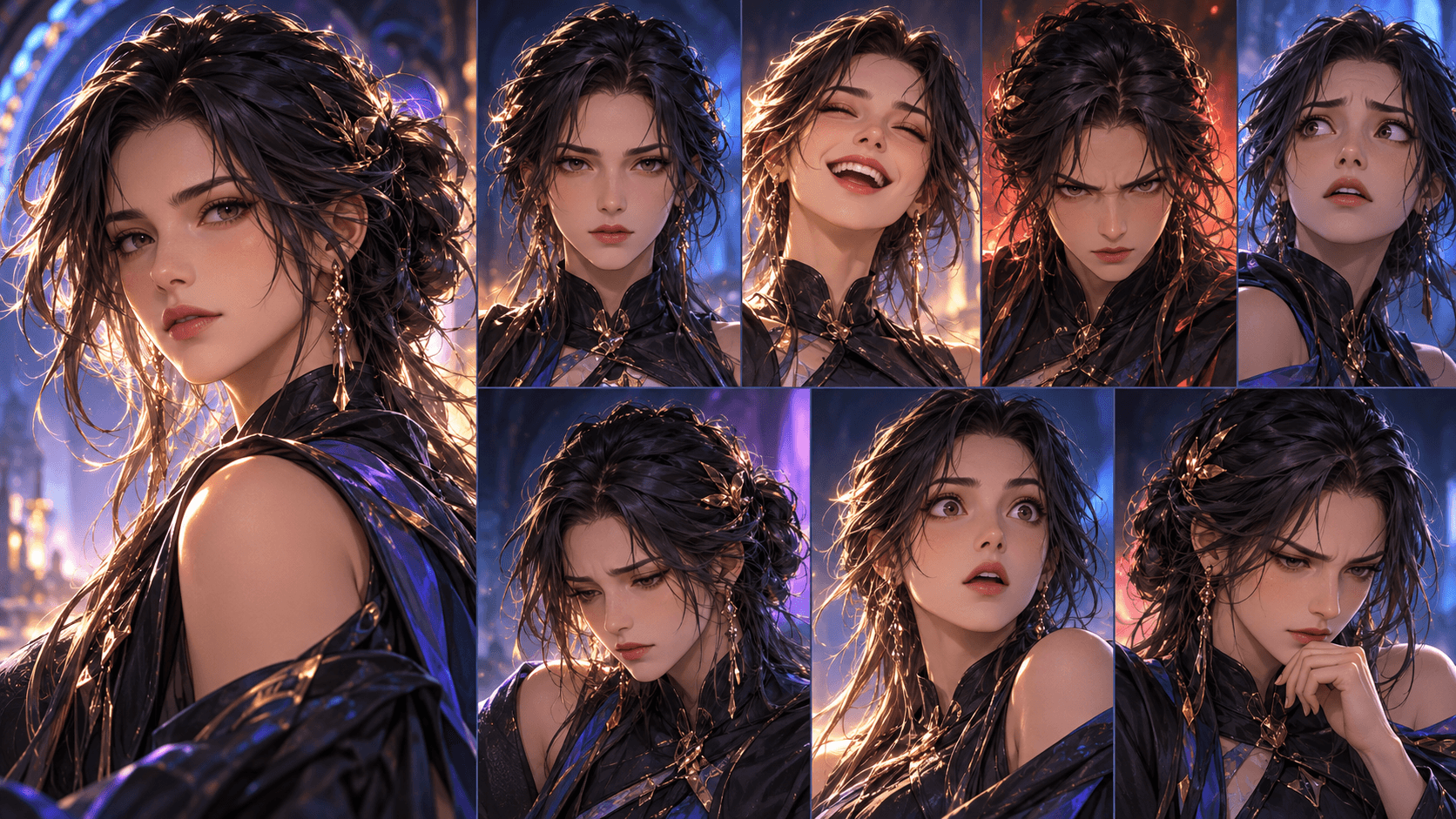
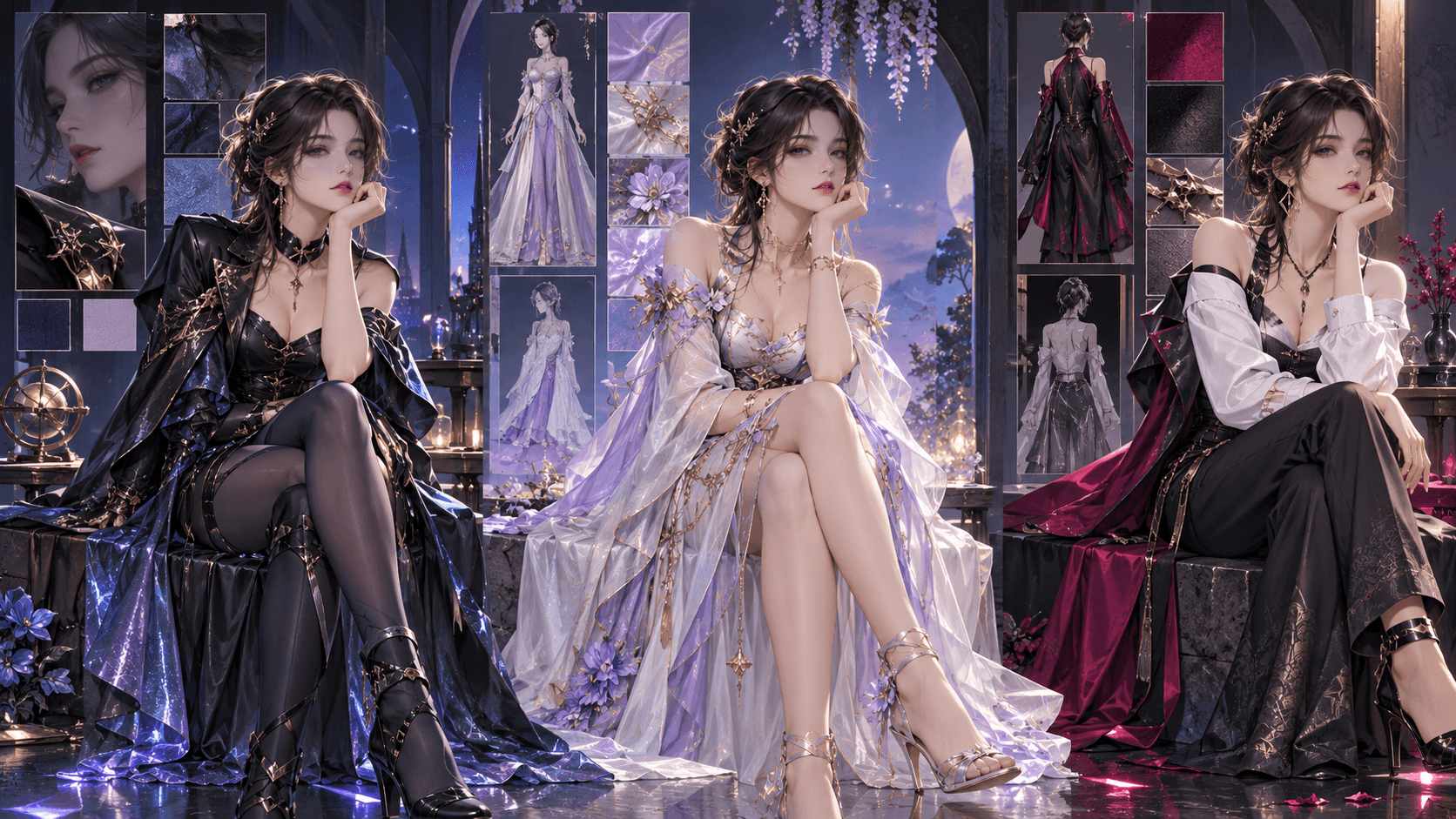
Il messaggio di lancio sottolinea anche il rendering di testo multilingue, una maggiore flessibilità nei rapporti di aspetto, output più robusti in stile infografico e un miglior supporto per fumetti, manga e lavori visivi con molta continuità. Questi sono tutti segni che OpenAI vuole che questo modello sia giudicato per la sua utilità, non solo per l'estetica.
Cosa non è ancora stato completamente risolto
Anche con un lancio in diretta, alcune cose possono comunque cambiare durante la distribuzione:
Limiti di utilizzo esatti per piano
quanto ampiamente gli utenti adottano “immagini con pensiero” come flusso di lavoro predefinito
Come si comporta GPT Image 2 al di fuori delle demo di lancio, nelle catene di prompt lunghi e negli ambienti di produzione
se gli acquirenti di API trovano il modello conveniente per la generazione di asset in volumi elevati
Questa incertezza è normale. La parte importante è che il prodotto è ora in una fase di rilascio documentata, non tra le voci di corridoio.
Linea di fondo
ChatGPT Images 2.0 è arrivato ufficialmente il 2026-04-21, e OpenAI ha già documentato sia la disponibilità di ChatGPT che l'accesso alle API. I miglioramenti più importanti non sono solo output più belli. Si tratta di una resa testuale più robusta, un comportamento di progettazione più utile e un flusso creativo più orientato al ragionamento.
Se ti interessa solo i titoli di lancio, questo è sufficiente. Se ti preoccupi di utilizzare il modello in flussi di lavoro reali, la domanda migliore è quanto velocemente OpenAI può trasformare questi punti di forza in un comportamento di produzione ripetibile tra ChatGPT e l'API.
Per i team che già sanno di aver bisogno di una pipeline più ampia per immagini e movimenti dopo l'ideazione, la Elser AI La piattaforma diventa rilevante una volta che la direzione visiva è stata bloccata e il lavoro deve superare le produzioni one-off.