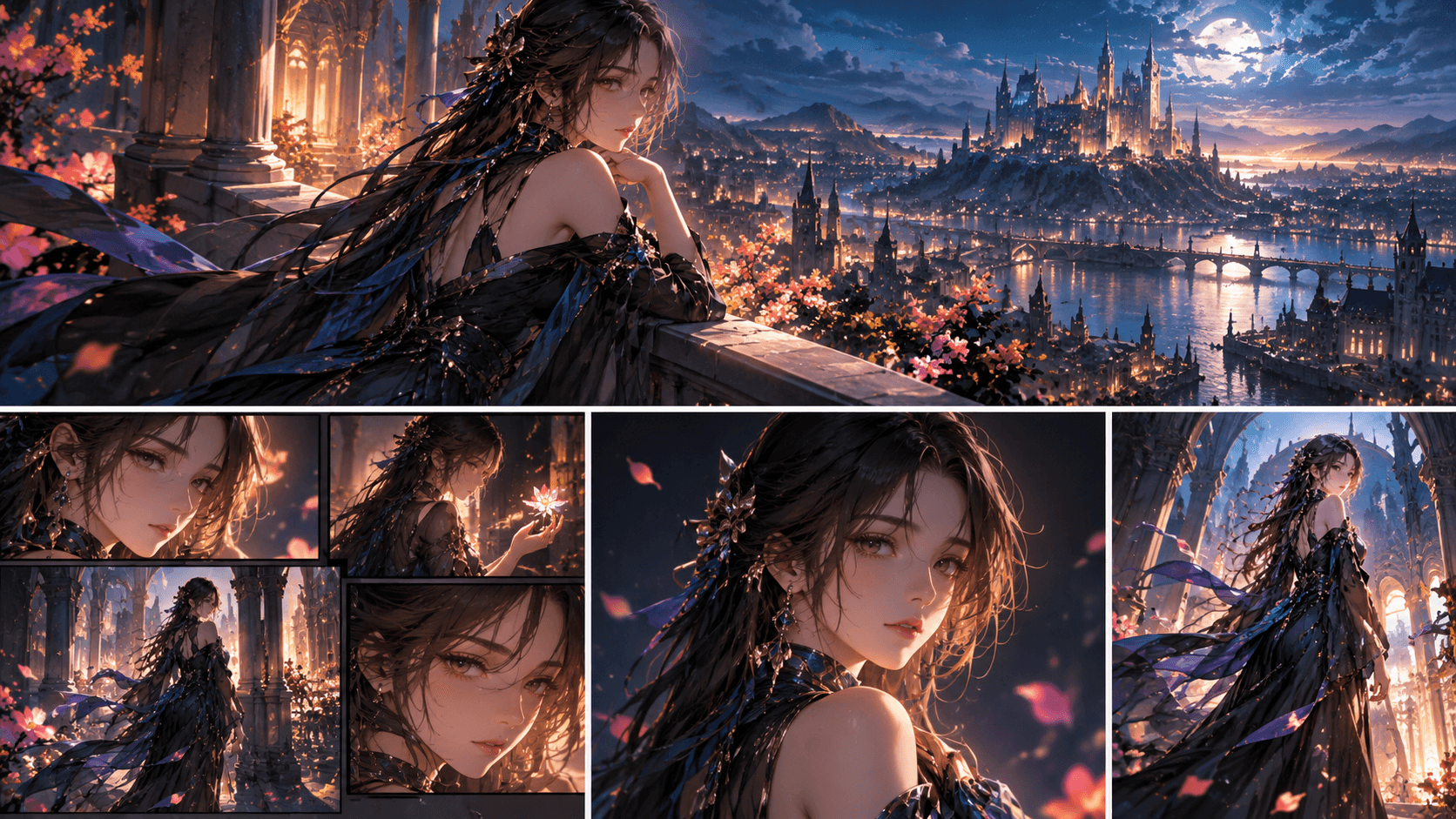
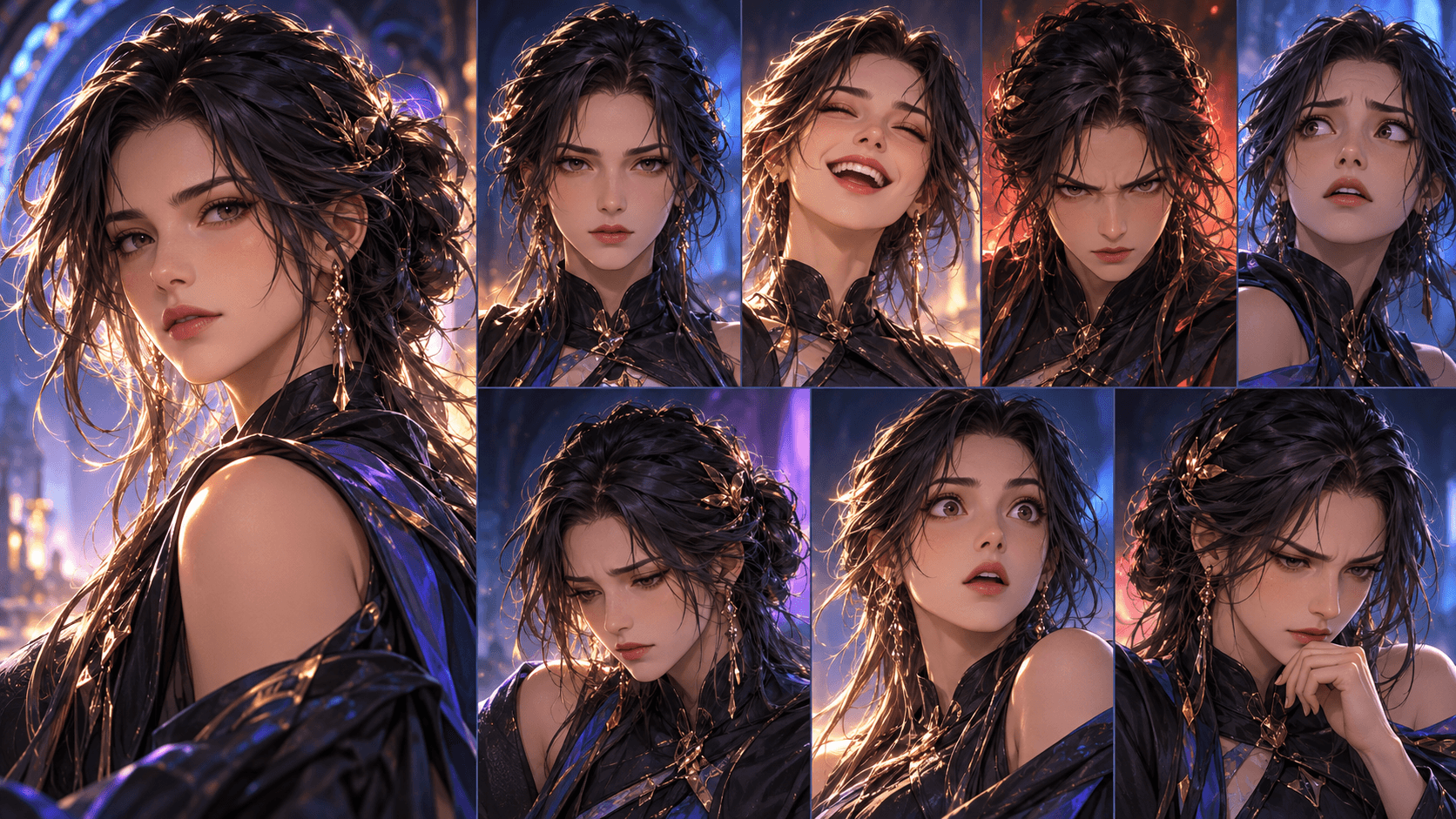
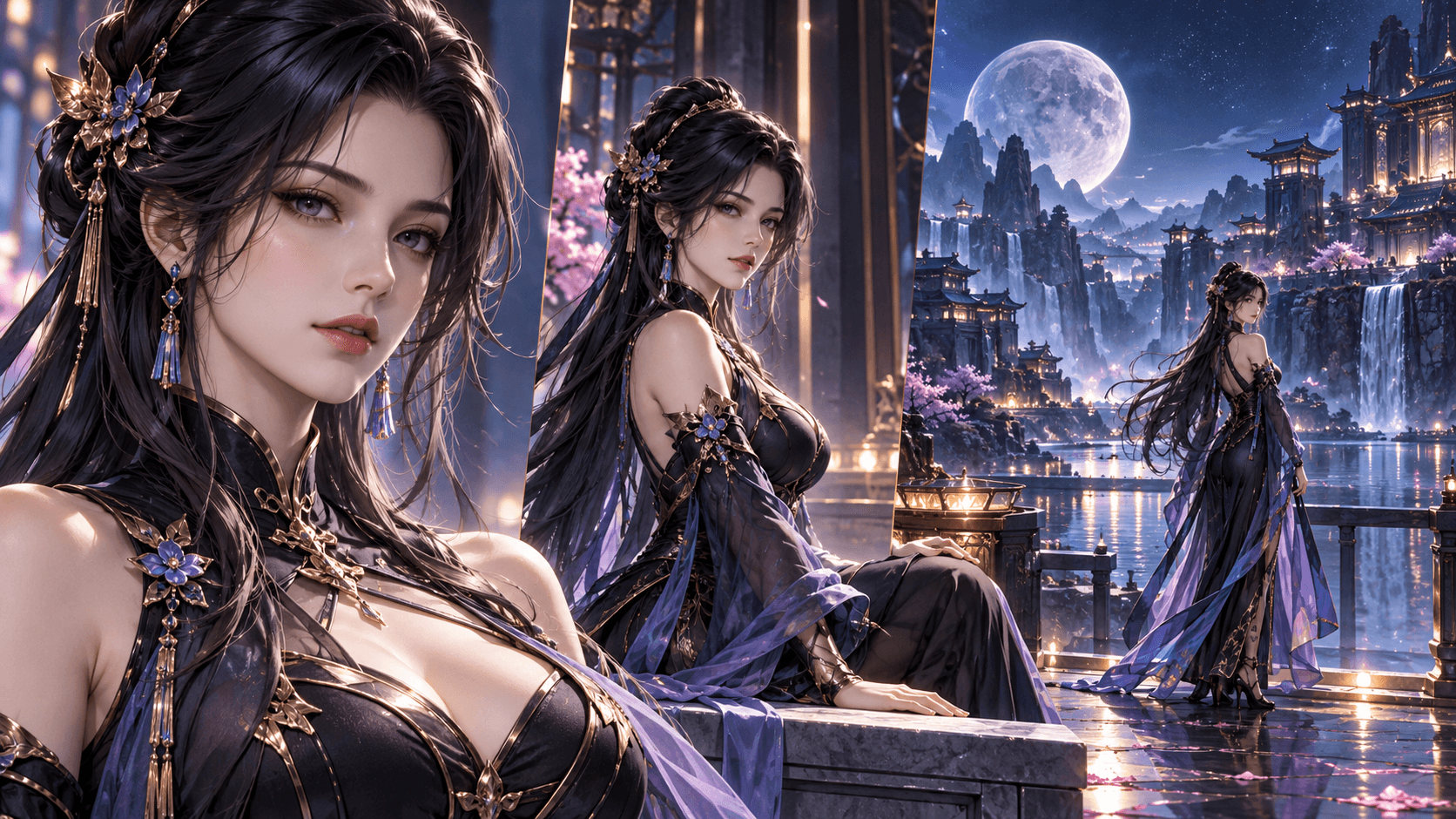
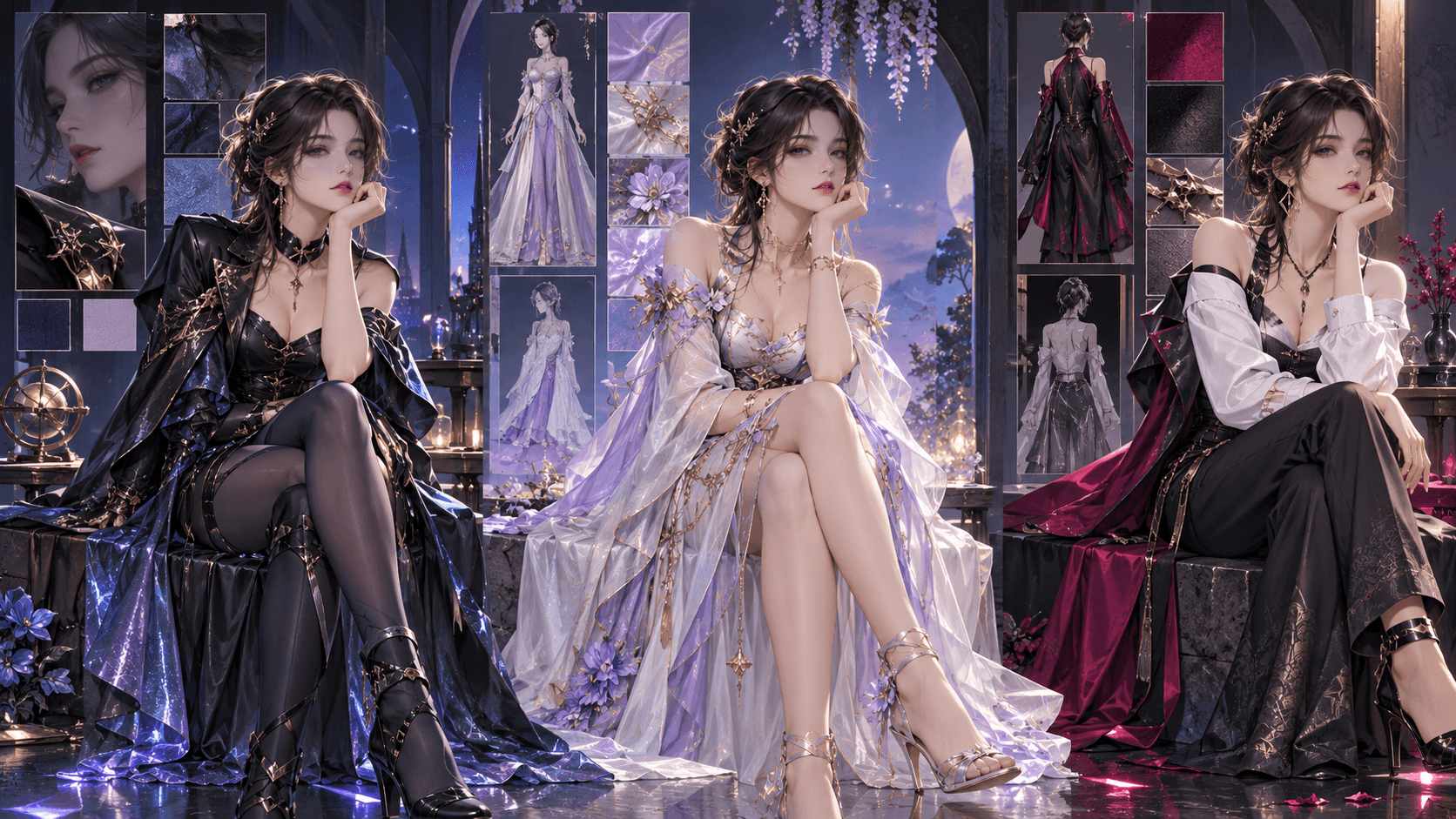
Cos'è ChatGPT Images 2.0?
ChatGPT Images 2.0 è la nuova generazione di modelli di generazione di immagini di OpenAI destinati a ChatGPT e all'API. Per dirla in modo semplice, quando le persone non hanno bisogno solo di effetti visivi esteticamente piacevoli, ma anche di testi più affidabili all'interno delle immagini, una disposizione più strutturata e un flusso di creazione di immagini più ponderato, OpenAI ora desidera che tutti utilizzino questo sistema.
Ciò lo rende più importante degli aggiornamenti di modello convenzionali. È parte di una più ampia trasformazione che vede gli strumenti di immagine basati sull'intelligenza artificiale passare da "creare opere spettacolari" a "creare strumenti pratici".
Una semplice definizione
Se hai bisogno della risposta più breve, la risposta è:
ChatGPT Images 2.0 è un modello di immagini di OpenAI che accetta input di testo e immagini per generare o modificare immagini. Ha una capacità di supporto maggiore per i compiti di design come poster, grafici, infografiche, fumetti e simili, dove questi output spesso hanno requisiti elevati per la composizione e il testo leggibile.
Le persone si interessano a questo perché OpenAI sta combinando queste capacità di creazione di immagini con il flusso di lavoro di assistenza cognitiva integrato in ChatGPT, facendo sì che il modello non sia più un generatore cieco, ma piuttosto un collaboratore creativo.
Ambiente di vita
Al 22 aprile 2026, OpenAI ha già documentato ChatGPT Images 2.0 in due posizioni importanti:
All'interno di ChatGPT come una funzionalità di prodotto in tempo reale
All'interno dell'API sotto forma di gpt-image-2
Questa combinazione è fondamentale. Alcuni modelli suscitano grande stupore il giorno della loro lancio, ma risultano vaghi quando si tratta di implementarli concretamente. ChatGPT Images 2.0 dispone già di documentazione sia a livello di prodotto che di sviluppatore, il che lo rende più degno di essere preso sul serio.
Ecco perché sempre più spesso si valuta nel contesto di un più ampio stack di strumenti creativi, invece di considerarlo un giocattolo autonomo. Per i team che necessitano di questo livello di funzionalità più ampio, Elser AI si rivela utile quando i concetti visivi devono essere integrati con flussi di lavoro di produzione su scala maggiore.
Cosa può fare?
Secondo i materiali di pubblicazione e la documentazione del modello di OpenAI, ChatGPT Images 2.0 è meglio compreso attraverso i suoi vantaggi pratici:
Genera immagini in base ai suggerimenti del testo
Modificare o estendere i contenuti visivi tramite l'input di immagini
Elaborare testi più complessi all'interno delle immagini
Supporta layout più strutturati e attività di comunicazione visiva
Supporta i formati di immagine come i fumetti e i manga giapponesi che richiedono continuità
La documentazione del modello illustra anche chiaramente un limite pratico: si tratta di un modello di immagini. Può elaborare input di testo e immagini e produrre immagini in output. Non è un modello per la generazione audio o la generazione video nativa.
Perché si sente molto diverso dai vecchi modelli di immagini?
Ci sono due ragioni.
Prima di tutto, OpenAI ha ovviamente concentrato la propria attenzione sulla logica di inferenza legata alla generazione di immagini, invece di concentrarsi solo sulla qualità dell'output. Ciò significa che il processo di creazione di immagini può diventare più guidato e più intenzionale.
In secondo luogo, il modello sta venendo posizionato per essere impiegato in quei compiti in cui la correttezza ha più importanza della semplice estetica. Un'immagine visivamente sorprendente ma etichettata in modo errato o con un layout inutilizzabile è spesso priva di valore nel lavoro reale. ChatGPT Images 2.0 sta cercando di colmare questa lacuna.
Se il tuo obiettivo finale non è limitato alle immagini statiche, questo è ancora più importante. Un fotogramma di riferimento chiaro può essere trasformato in contenuti dinamici in un secondo momento, ma di solito il primo passo è prima sistemare correttamente le immagini statiche, grazie a un Generatore di immagini anime.
Chi dovrebbe prestare attenzione a questa questione?
Questo modello non è rivolto solo agli artisti. Si applica a:
Addetti al marketing che creano materiali visivi pubblicitari
Il fondatore crea i grafici del roadshow
Educatore che crea contenuti di spiegazione
Creatori che realizzano fumetti o storyboard per fumetti
I progettisti testano il layout e le varianti
Squadra che necessita del testo utilizzabile all'interno dell'immagine
Un pubblico più ampio è proprio la ragione per cui questo lancio di nuovi prodotti ha ricevuto un'attenzione molto elevata. Questo modello non viene promosso solo come motore di generazione di stili. È posizionato come uno strumento adatto alla creazione visiva per la comunicazione intensa.
Quello che non è
ChatGPT Images 2.0 non garantisce che ogni prompt raggiunga gli standard per l'uso in produzione ufficiale con un solo tentativo. Allo stesso modo, non può sostituire la valutazione di design, il controllo della direzione del marchio o il lavoro di revisione creativa sistematica.
Il modo più sicuro di capirlo è il seguente:
Riduce gli ostacoli nella creazione visiva
Ha elevato il limite superiore dei task di immagini strutturate
Questo non elimina la necessità di norme sul flusso di lavoro
Perché la gente presta attenzione?
Le persone hanno prestato attenzione a questo lancio perché OpenAI considera la generazione di immagini una parte più centrale dell'esperienza ChatGPT. Questo è di fondamentale importanza a livello strategico. Ciò significa che le immagini stanno diventando parte di una gamma di prodotti che comprende ragionamento, pianificazione e altri flussi di lavoro multimodali.
Per gli utenti, il suo valore è ancora più semplice e intuitivo: se il modello è davvero in grado di generare testi più leggibili, una formattazione di qualità superiore e una funzionalità di interpretazione dei prompt più pratica, potrà essere impiegato in un ambito di lavoro quotidiano molto più ampio.
limite
ChatGPT Images 2.0 è il modello di immagini aggiornato di OpenAI lanciato per ChatGPT e l'API, ma il vero punto forte non risiede solo nel fatto che si tratti di una versione aggiornata. Il vero nucleo è che OpenAI mira a creare una capacità di creazione visiva più pratica, più strutturata e più adatta alla produzione ufficiale.
Questo è il motivo per cui questo modello è importante. Rende la generazione di immagini AI meno spettacoli di bravura isolati e più lavori creativi pratici.