Best AI Video Generator for Anime Creators in 2026: 7 Tools Tested & Ranked
I've spent more money on AI video credits than I care to admit.
But here's the thing: I wanted to know—really know—which AI video generator actually works best for anime creators in 2026.
Not which one has the best marketing. Not which one YouTubers are promoting. Which one delivers consistent characters, smooth motion, proper cel-shading, and publishable quality without making me want to throw my laptop out a window.
After hundreds of generations and countless side-by-side comparisons, here's what I found.
What makes a great AI video generator for anime in 2026?
Before I get into specific tools, let me give you the criteria I used to evaluate them. These are the features that actually matter when you're creating anime content:
Character consistency. Can the tool keep your character looking the same across multiple shots and scenes? This is the single most important feature for narrative anime content.
Motion quality. Does the animation look fluid and natural, or does it have that warpy, melting quality that screams "AI-generated"?
Anime style fidelity. Does the tool understand cel-shading, flat colors, bold outlines, and other anime-specific visual language?
Vertical export. Can you generate in 9:16 natively, or do you have to crop and lose quality?
Audio generation. Does it produce synchronized sound effects and ambient audio?
Speed & cost. How long does generation take, and how much does it cost per second?
The 2026 ranking: Best AI video generators for anime creators
#1: Elser AI – Best Overall for Anime Storytellers
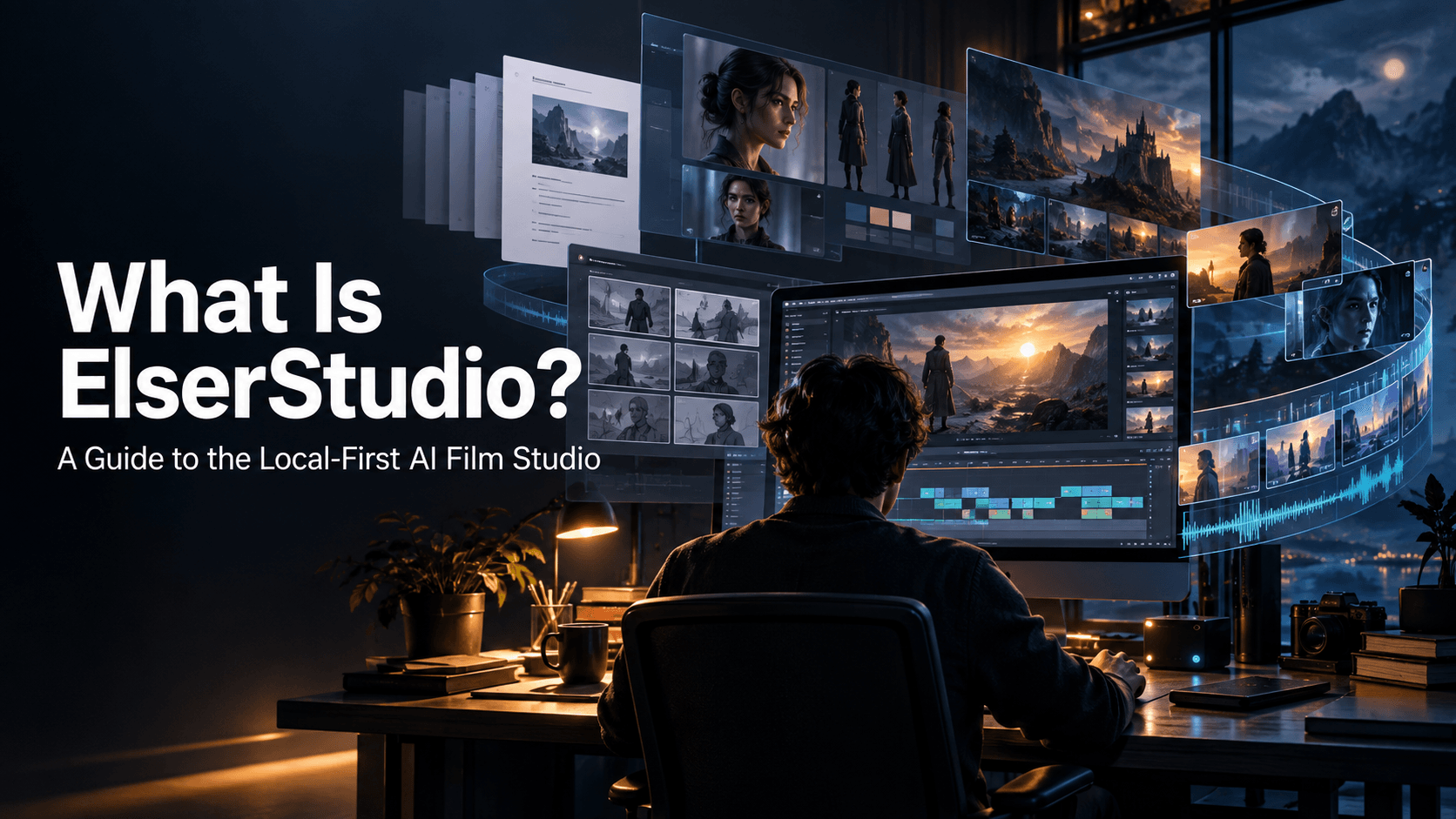
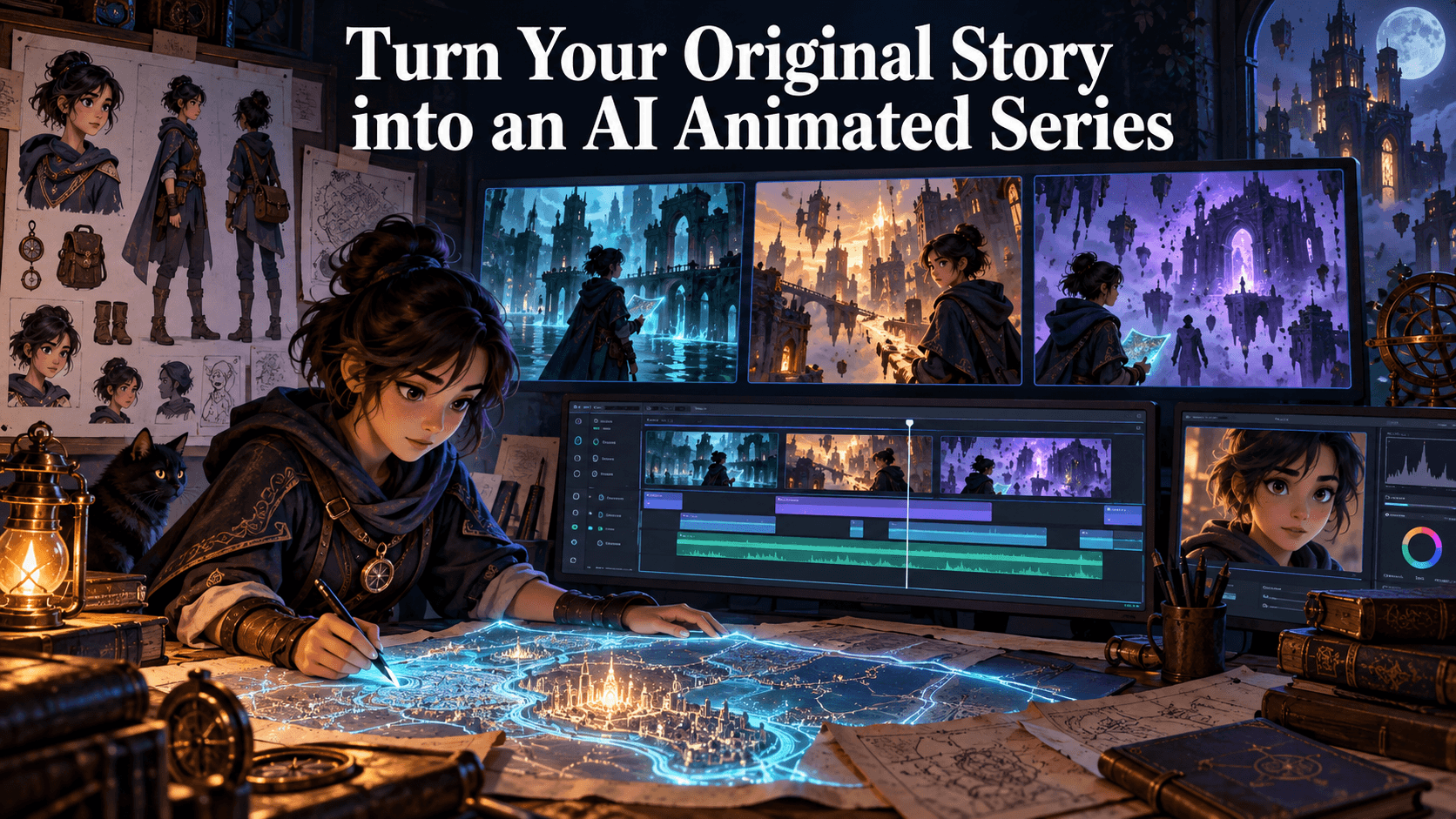
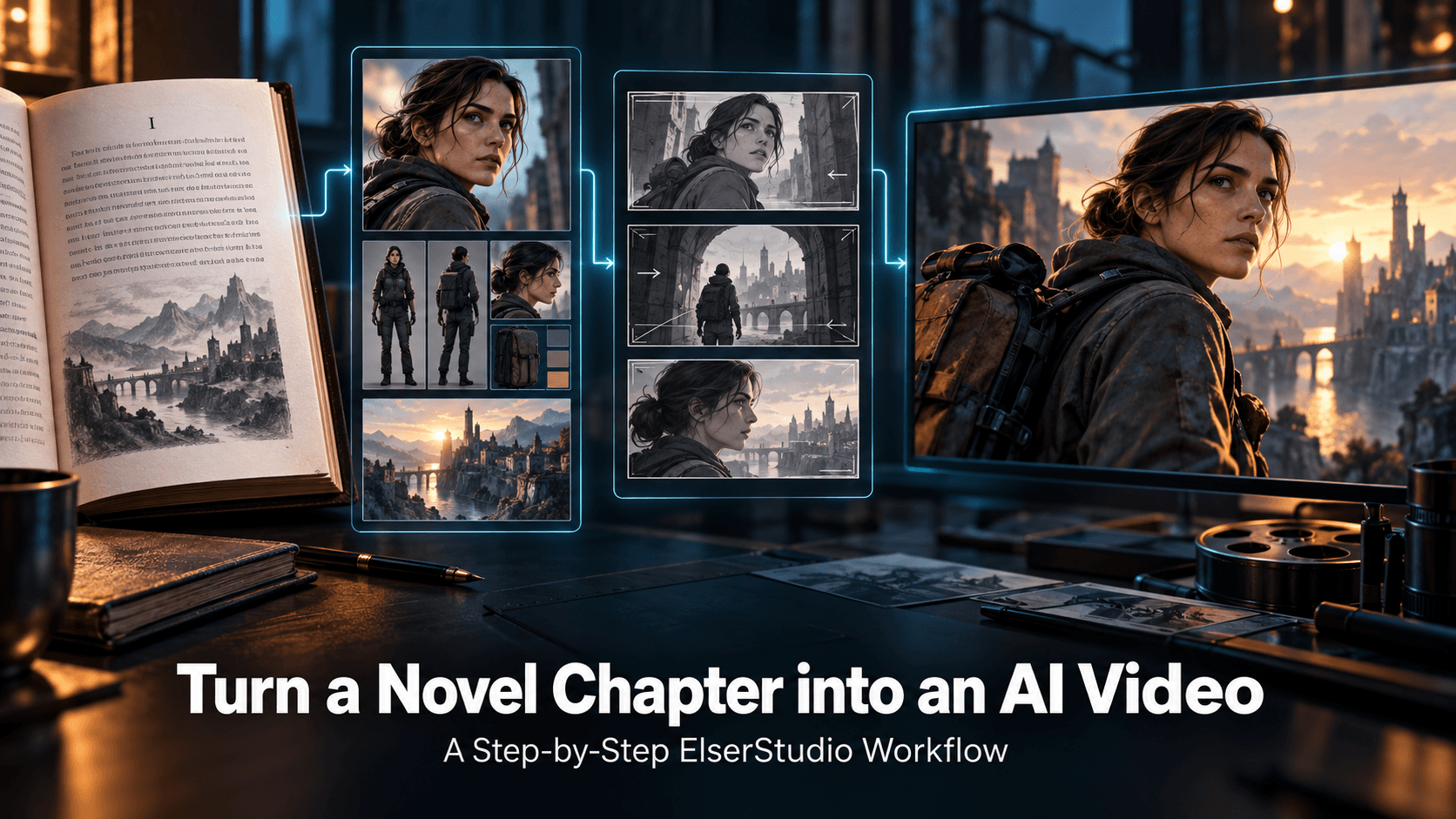
Why it wins: Elser AI isn't just a video generator—it's a complete anime production studio built specifically for creators who want to tell stories. It handles character creation, script generation, scene rendering, voice acting, and lip-sync in one platform.
Character consistency: 30% higher than other AI video tools across 180+ scenes, according to long-form benchmarks.
Motion quality: Good for anime-style motion. Not as fluid as the top general-purpose models, but the cel-shading and art style are spot-on.
Anime style fidelity: Excellent. Built from the ground up for anime.
Vertical export: Yes, native 9:16.
Audio generation: Yes, including voice and lip-sync.
Cost: Free trial available for new users that lets you build a complete 20-30 second short.
Best for: Creators who want to go from idea to complete anime short without juggling multiple tools.
#2: Kling 3.0 – Best Motion Quality & Value
Why it's here: Kling 3.0 delivers exceptional motion quality that's noticeably smoother than most competitors. The multi-shot consistency features have improved dramatically in 2026 .
Character consistency: Good for single-session generations, though identity can drift across multiple independent sessions.
Motion quality: Excellent. One of the smoothest in the market.
Anime style fidelity: Good, though you'll need to prompt specifically for cel-shading and bold outlines.
Vertical export: Yes, native vertical output available.
Audio generation: Basic sound effects, no dialogue lip-sync.
Cost: ~$0.168 per second for Pro tier, making it very affordable for volume creators.
Best for: Creators who prioritize fluid motion and are willing to handle character consistency manually.
#3: Seedance 2.0 – Best Multimodal Control
Why it's here: Seedance 2.0 supports up to 9 images, 3 videos, and 3 audio files as references in a single generation. That's unprecedented control.
Character consistency: Excellent when you provide multiple reference images.
Motion quality: Very good, especially for action sequences.
Anime style fidelity: Good, benefits from strong reference images.
Vertical export: Yes.
Audio generation: Yes, including audio reference support.
Cost: Mid-range, competitive with Kling.
Best for: Creators who have extensive reference libraries and want granular control over every generation.
#4: Veo 3.1 – Best Audio Integration
Why it's here: Veo 3.1 generates native synchronized audio alongside video output, including dialogue when provided with a script.
Character consistency: Good with 1-2 reference images.
Motion quality: Very good, especially for cinematic shots.
Anime style fidelity: Moderate—it's a general-purpose model that can do anime but isn't specialized for it.
Vertical export: Native vertical output without cropping.
Audio generation: Excellent, best in class for synchronized audio.
Cost: Higher tier, typically more expensive than Kling.
Best for: Creators who want audio and video generated together without post-production.
#5: Vidu Q3 – Best for Series Production
Why it's here: Vidu Q3 is the world's first AI solution specifically optimized for animated series production, addressing character instability and scene continuity at scale.
Character consistency: Excellent for serialized content across episodes.
Motion quality: Good.
Anime style fidelity: Good.
Vertical export: Yes.
Audio generation: Yes, with audio-visual alignment features.
Cost: Enterprise-focused, likely higher than consumer tools.
Best for: Creators planning multi-episode series.
#6: Cinemaya – Best Mobile-First Option
Why it's here: Cinemaya is an app-based AI movie generator that works on your phone, capable of creating AI short films, trailers, animated scenes, and reels in multiple styles including anime.
Character consistency: Moderate.
Motion quality: Moderate.
Anime style fidelity: Good.
Vertical export: Native mobile output.
Audio generation: Basic.
Cost: Freemium with paid tiers.
Best for: Creators who want to generate on the go from their phone.
#7: Doratoon – Best for Long-Form
Why it's here: Doratoon can generate up to 16 minutes of continuous, story-driven animation from a single sentence.
Character consistency: Good within a single generation session.
Motion quality: Moderate.
Anime style fidelity: Good, trained on 18 million animation assets.
Vertical export: Limited.
Audio generation: Yes, including voice and background music.
Cost: Subscription-based.
Best for: Creators focused on longer-form YouTube content rather than shorts.
The "Good Enough" tier (not ranked, but worth knowing)
Pika 2.5: Still around, still decent for short clips, but has been largely surpassed by Kling and Seedance in 2026.
Runway Gen-4: Excellent for photorealistic video, but anime style is clearly not its priority.
Luma Dream Machine: Great for surreal and dreamlike sequences, but struggles with consistent character animation.
Which one should you actually use?
Here's my recommendation based on what you're trying to make:
For TikTok/Reels anime shorts (under 60 seconds): Start with Elser AI. The all-in-one workflow saves you so much time, and the character consistency is unmatched.
For action-heavy anime clips: Use Kling 3.0. The motion quality is noticeably better, especially for fight scenes and fast movement.
For cinematic anime storytelling: Use Seedance 2.0 if you have strong reference images, Veo 3.1 if you care about audio integration.
For a multi-episode series: Vidu Q3 is worth exploring, though you'll need to budget appropriately.
The honest truth no one tells you
No single tool is perfect. Every platform has trade-offs.
Elser AI has the best character consistency but motion that's merely good, not great. Kling has the best motion but weaker character memory. Seedance gives you incredible control but requires more setup time.
Your best bet? Pick one primary tool based on your priority (character consistency, motion quality, or audio), and accept that you'll occasionally supplement with a secondary tool for specific needs.
👉 Ready to stop searching and start creating? Elser AI is the best AI video generator for anime creators who care about character consistency and storytelling. [Try it free today]