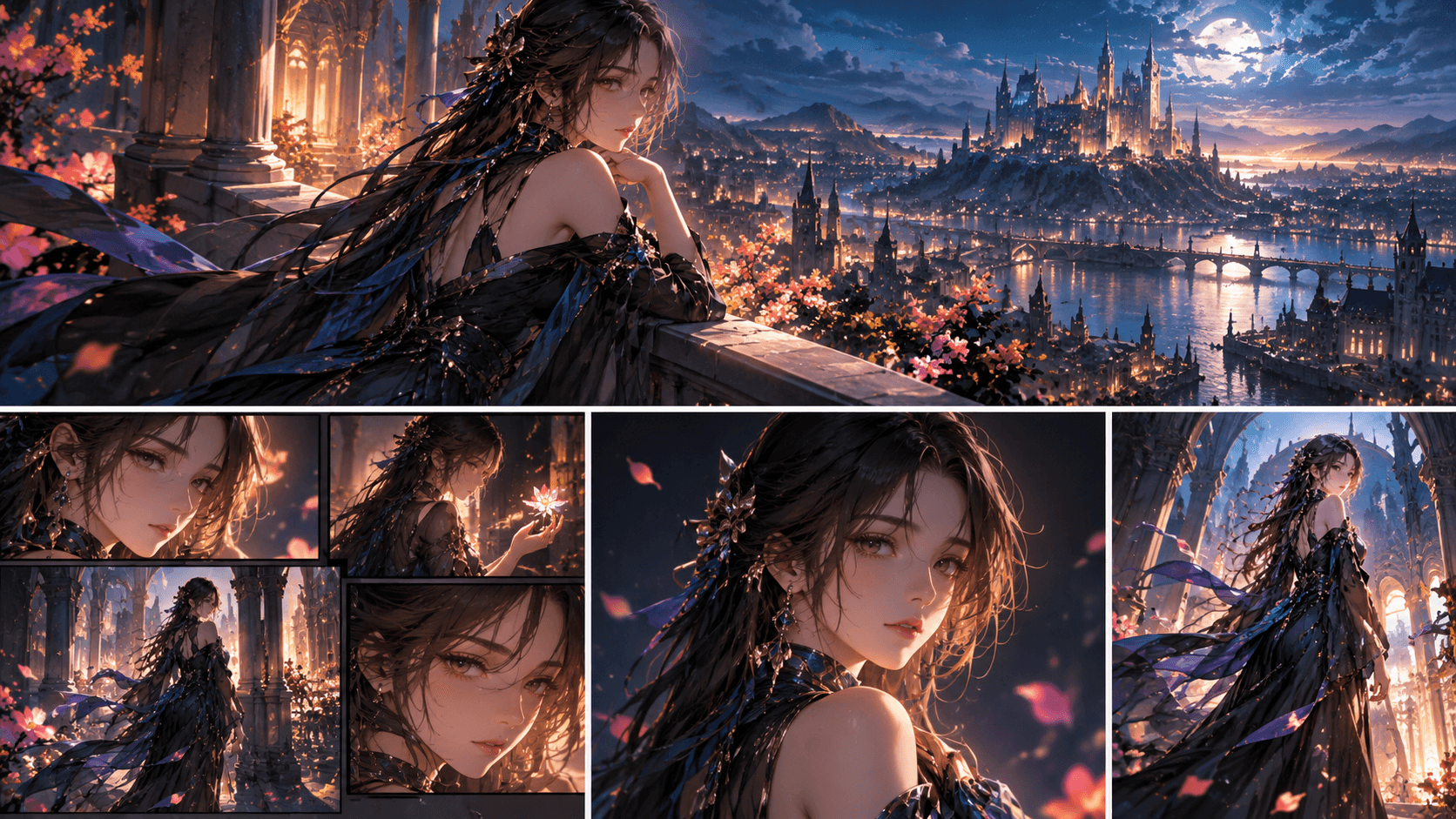
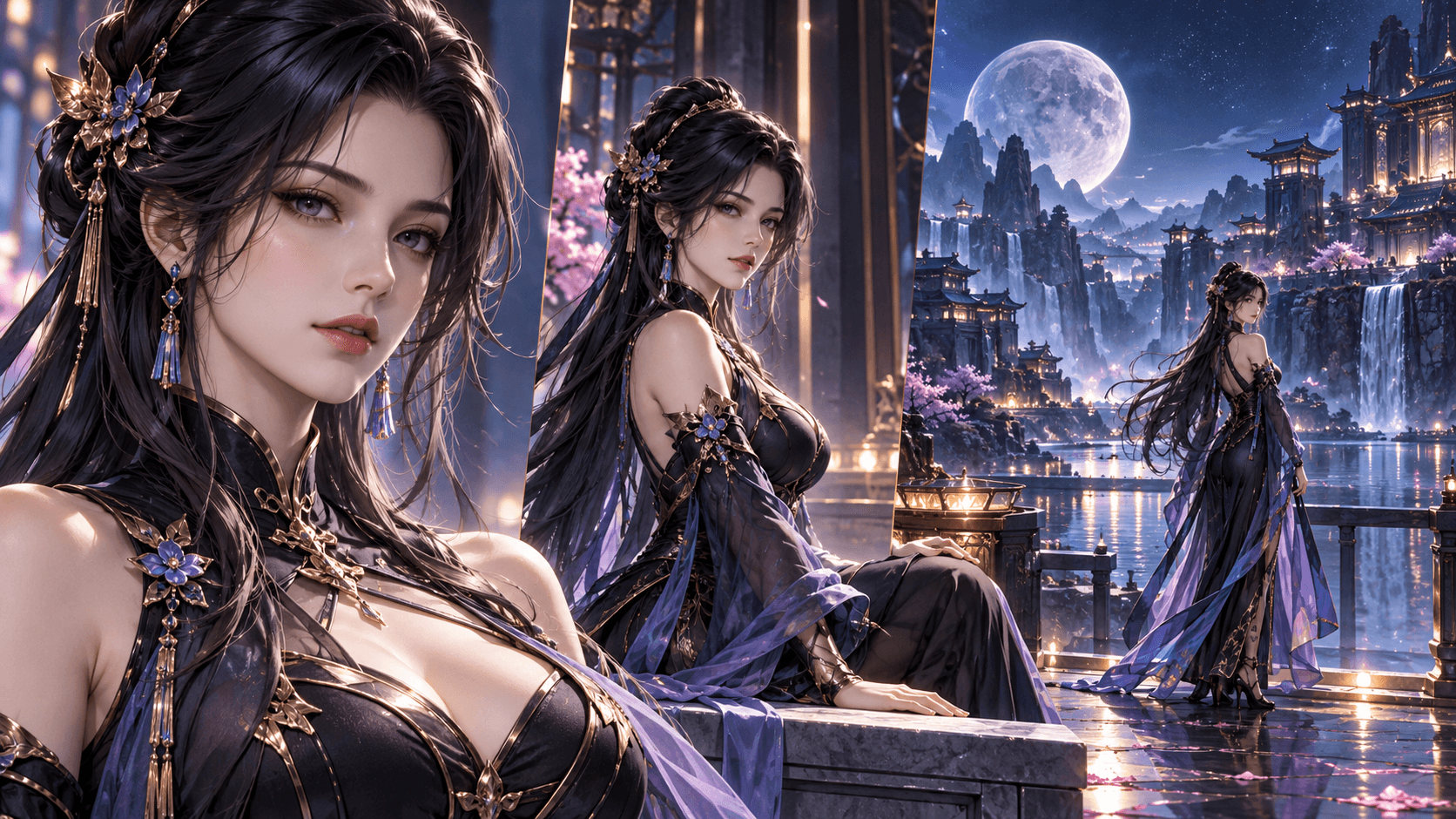
How to Create Anime Shorts with AI: A Step-by-Step Workflow for TikTok, Reels & YouTube in 2026
I remember watching the first AI-generated anime short that actually looked like anime.
Not the weird, warpy, watercolor-blob thing that passed for "anime style" two years ago. Real anime. Cel-shaded. Expressive. Consistent. It had character, movement, and—this is the part that really got me—a story that made sense.
That was early 2025. Fast forward to 2026, and creating anime shorts with AI has gone from "technically possible" to "genuinely practical for daily content creation."
Why 2026 is the year for AI anime shorts
Let me give you some context about where the technology stands right now.
In late 2025, AI video generation was still largely about 5-second clips with melting fingers. By early 2026, the leading models were producing native-resolution clips of 8 to 20 seconds with synchronized audio, plausible physics, and consistent characters across cuts.
That's not an incremental improvement. That's a complete transformation.
Today, you can generate a complete 30-second anime short from a single prompt using tools like Doratoon, which launched in February 2026 and can generate up to 16 minutes of continuous, story-driven animation .
Your complete workflow for creating anime shorts with AI
Let me walk you through the process I use when I'm creating content for social platforms. This works for TikTok, Instagram Reels, YouTube Shorts—any vertical short-form format.
Step 1: Start with an idea.
What's your story about? A magical girl fighting shadow monsters in a neon-lit city? A retired mecha pilot running a ramen shop? Two rival heroes forced to team up?
Write it down. Keep it simple. You don't need a full script—just a clear premise and a few key moments.
Step 2: Cre ate your characters.
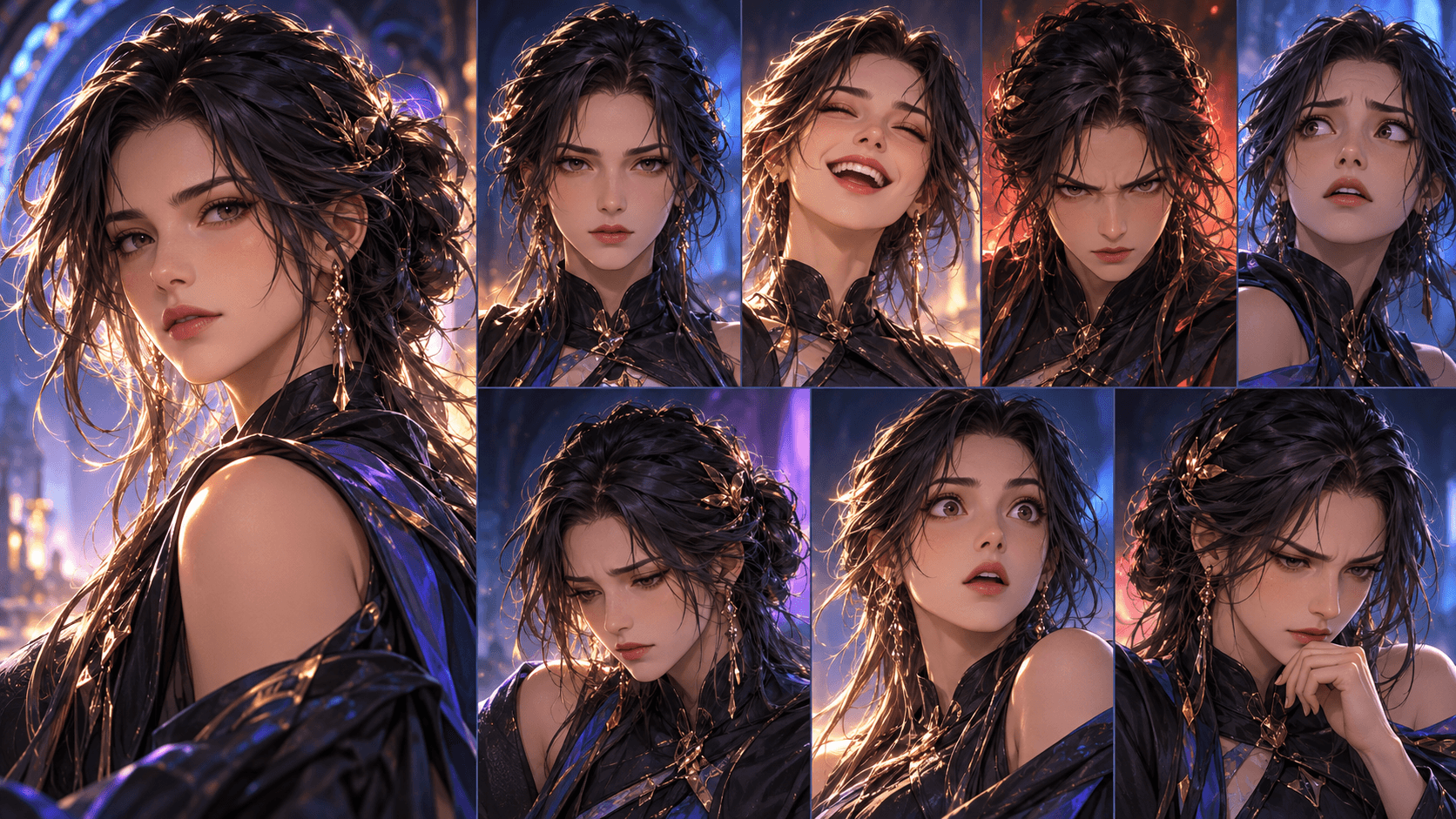
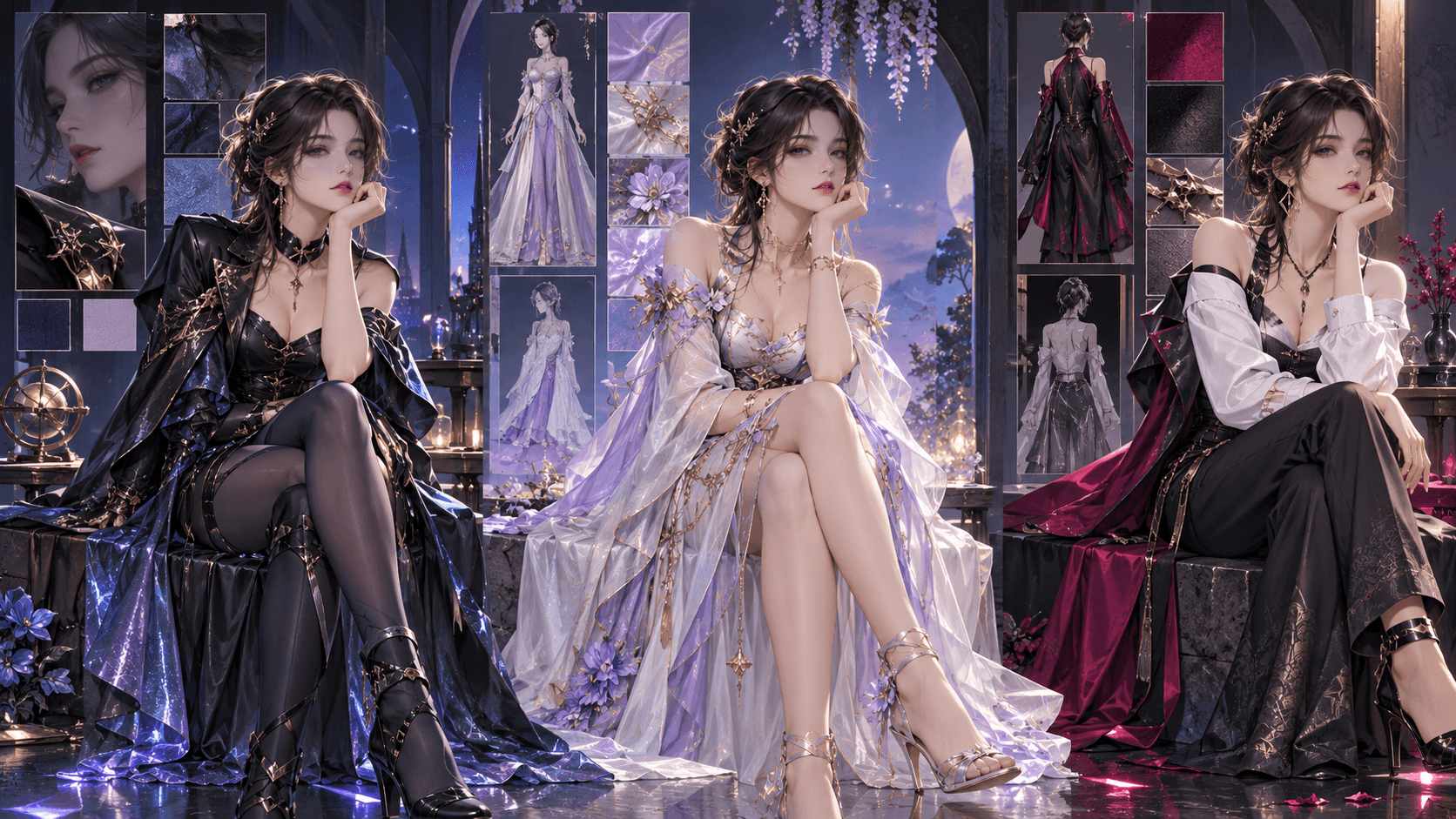
Using your preferred anime character creation tool, design your protagonist. Get at least three reference angles. Define their key visual features. Save everything in one place.
Tools like Elser AI integrate this step directly into the video creation workflow—you create your character once, and the AI remembers them across every scene.
Step 3: Structure your short.
Break your story into 5-8 shots. A typical 30-second anime short might include:
- An establishing shot (setting the scene)
- Character introduction (hero appears)
- Rising action (conflict starts)
- Climax (the big moment)
- Resolution (satisfying payoff)
You don't need to draw these shots. You just need to describe them in text prompts.
Step 4: Generate.
This is where the magic happens. Feed your prompt into an AI anime video generator that can handle consistent characters across multiple scenes.
If you're using Elser AI, you can simply enter your story idea, and the platform handles script generation, character placement, scene rendering, voice acting, and background music automatically.
Step 5: Review and refine.
Nobody gets a perfect video on the first generation. Expect to iterate. Adjust your prompts. Maybe regenerate a few shots that didn't land. But here's the good news: with modern tools, each generation takes minutes, not hours.
Step 6: Export and publish.
Export in 9:16 vertical format (most platforms now support native vertical output). Add captions if needed. Post to TikTok, Reels, or YouTube Shorts.
Real tools you can use right now
I've tested dozens of options. Here's what I recommend based on actual results:
- Elser AI: Built specifically for anime shorts. Handles character consistency, multi-scene scripting, voice, and lip-sync in one platform. New users get a generous free trial that actually lets you build a complete 20-30 second short.
- Cinemaya: App-based AI movie generator that can create AI short films, trailers, animated scenes, and reels. Supports multiple styles including anime.
- Shorts AI: Creates full videos or animated stories with consistent characters. Supports multiple visual styles including manga and ultra-realistic.
- Coen AI: Text-to-video generator that turns descriptions into engaging short-form videos designed for social.
Common mistakes to avoid
I've made all of these. Learn from my pain:
Skipping the character consistency step. If you don't lock in your character design before generating video, you'll end up with a protagonist who looks different in every shot. That's a fast way to lose your audience.
Trying to generate too much at once. Start with 5-10 second clips and assemble them. Most models have sweet spots for duration, and pushing past them often degrades quality.
Forgetting about audio. A beautiful video with terrible audio won't hold attention. Use tools that generate native synchronized audio, or plan to add your own sound design afterward.
How long does this actually take?
Let me be honest with you.
Your first short will take the longest. You'll be learning the tools, figuring out which prompts work for your specific art style, and probably regenerating a lot.
But once you have a workflow dialed in? Fifteen to thirty minutes for a publishable 30-second anime short.
That's not hype. That's what the current generation of AI anime tools delivers.
The best part? You don't need to be an artist.
That's the whole point. These tools are designed for storytellers, not animators. If you have ideas and you want to bring them to life, the technology now exists to make that happen.
👉 Ready to create your first anime short? Elser AI turns your story ideas into complete anime videos with consistent characters and professional-quality animation. [Get started for free]