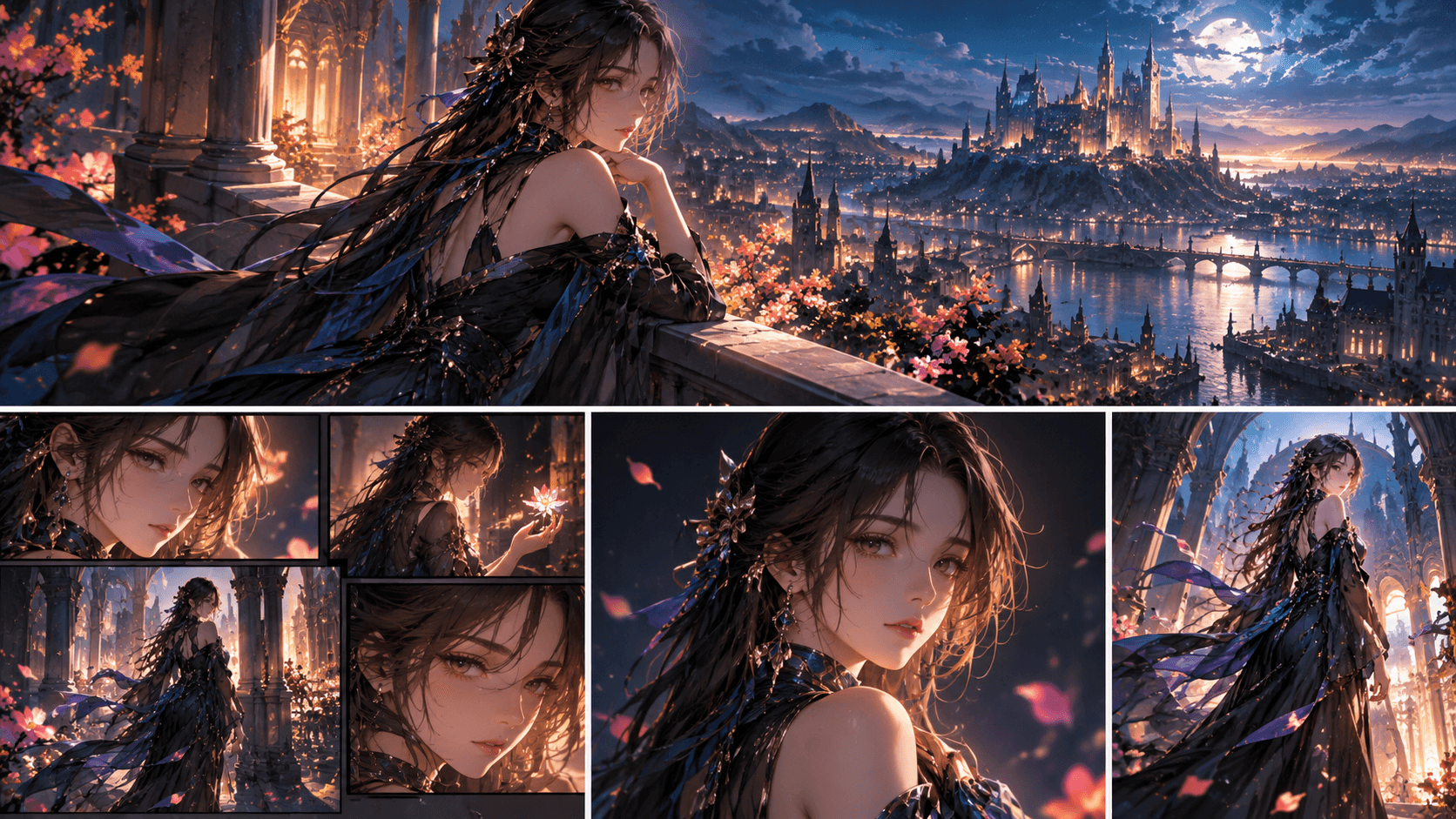
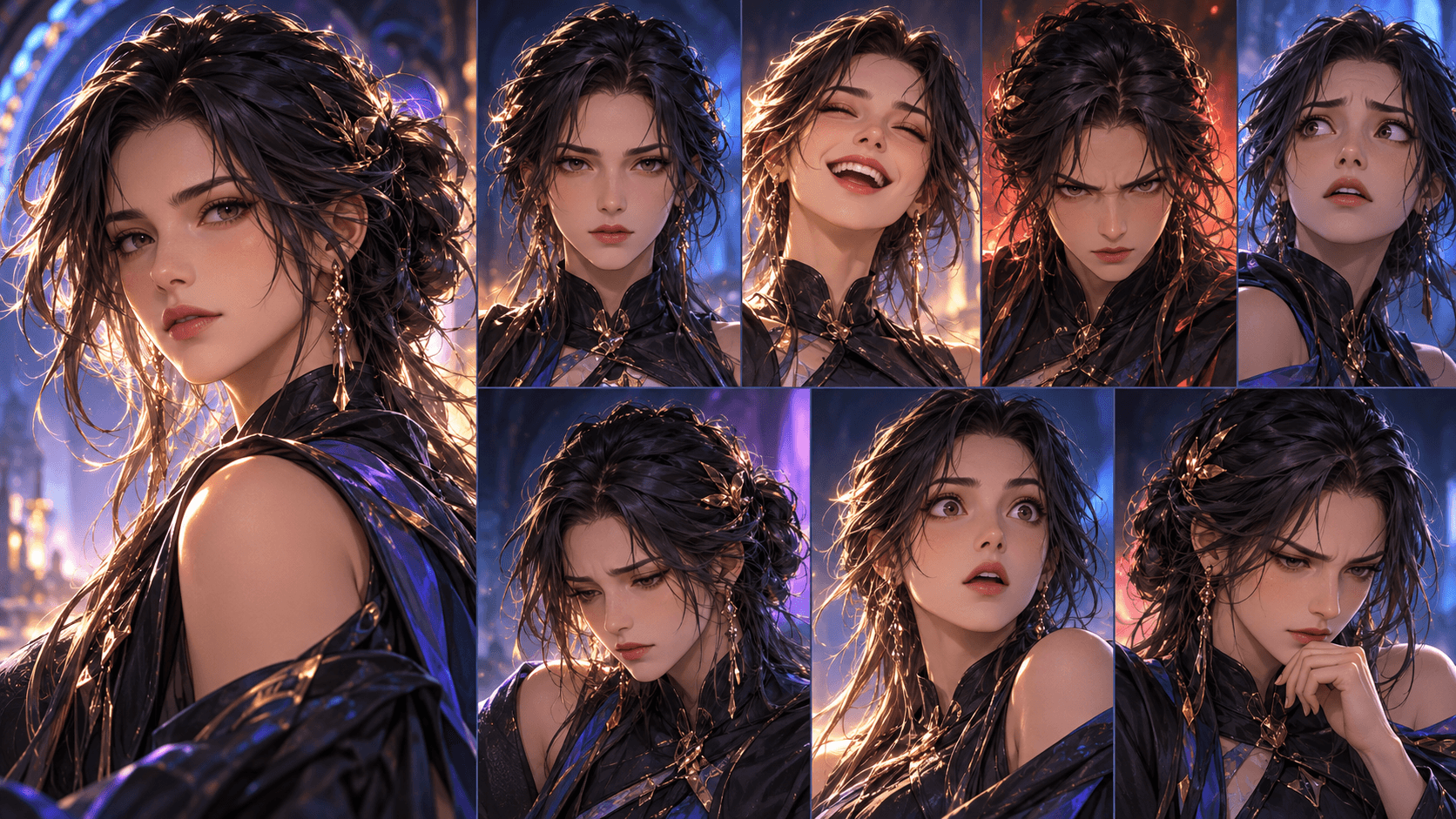
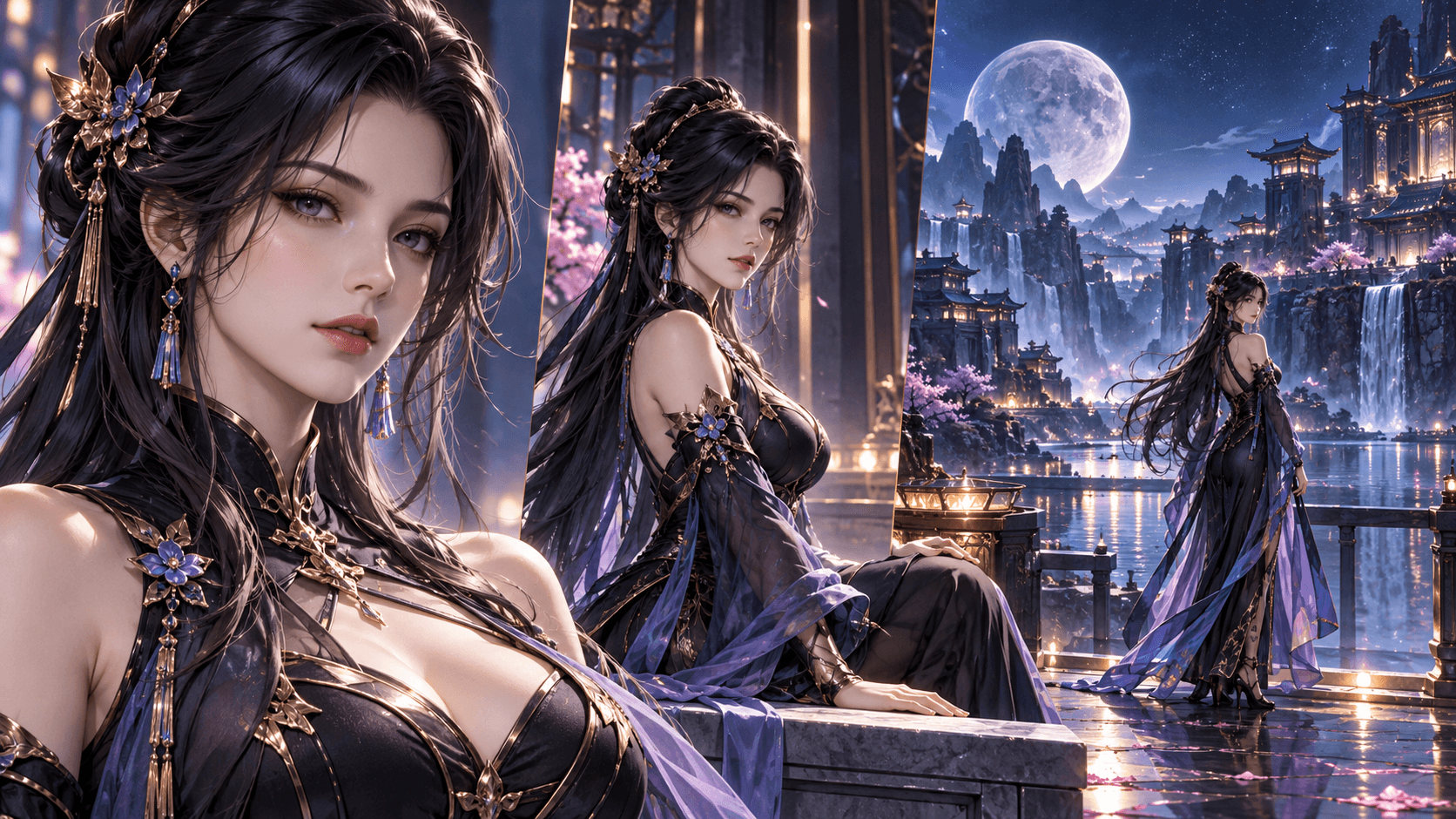
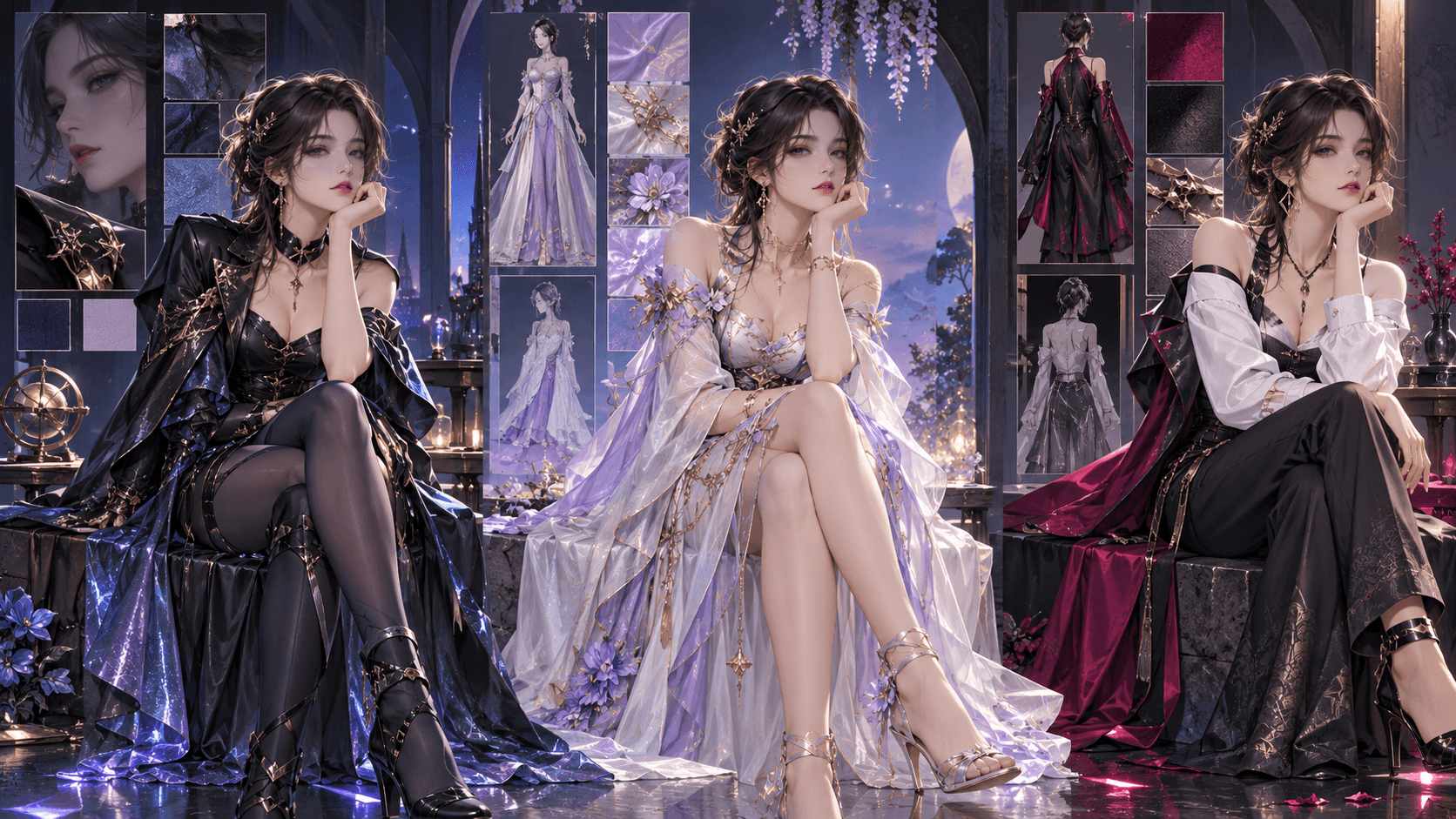
How to Create Consistent Characters with GPT Image 2 (No More Morphing Faces)
If you’ve ever tried to generate a comic or a children‘s book with AI, you know the pain. You get the perfect hero in panel one. Then in panel two, their nose changes shape. By panel three, their jacket turns from blue to purple. And by panel four, they have an extra finger and a completely different haircut.
That’s called “AI character drift.” And until April 2026, it was just something we tolerated.
Then OpenAI released GPT Image 2 (the exact model snapshot is gpt-image-2-2026-04-21). For the first time, a mainstream image generator actually understands what “the same character” means. Not perfectly – no, you still need to follow some rules. But well enough that you can now produce a 20-page comic or a short animated storyboard without wanting to throw your laptop out the window.
I’ve spent the last six weeks testing character consistency on GPT Image 2, mostly through Elser.ai because their interface lets me upload reference images and batch generate 8 variations at once. Here’s exactly what works, what doesn’t, and how you can lock down a character across dozens of generations.
Why GPT Image 2 Is Different (The Technical Reason)
Previous models (DALL-E 3, Midjourney V6, SDXL) treated every prompt as a completely new creation. They had no memory. You could write “same woman as before” and they’d just guess. Sometimes it worked, mostly it didn’t.
GPT Image 2 introduces a reasoning layer. Before generating pixels, the model “plans” the composition, the lighting, and – critically – the character’s visual identity. When you provide a reference image (more on that below), GPT Image 2 actually extracts a latent “character signature.” It’s not a full LoRA, but it’s close.
OpenAI themselves don’t call it “character consistency” in their docs – they call it “reference-based generation.” But the effect is obvious: feed it one good front-facing shot of your character, and it will keep that character’s face shape, eye color, hair style, and clothing details stable across new poses and backgrounds.
I’ve seen it hold consistency across 8 images in a single batch. That’s huge.
Method 1: The Seed Image Workflow (Easiest, Good for 2-5 Images)
This is the quickest way to get started. No complex setup. Just you, GPT Image 2, and one good reference image.
Step 1 – Create a “Character Sheet” Seed
Generate a single, high-quality image of your character in a neutral pose. Front-facing, good lighting, full body or at least waist-up. Include clothing details.
Example prompt I used last week:
“Front-facing full body shot of a young male fantasy rogue character. Short messy brown hair, green eyes, a small scar on left cheek. Wearing a dark green leather tunic, fingerless gloves, and a silver pendant shaped like a wolf. Neutral gray background, soft even lighting, high resolution.”
Step 2 – Upload as Reference
In a tool that supports GPT Image 2’s reference feature (Elser.ai does, also the ChatGPT Plus interface if you use the “DALL-E in ChatGPT” mode), upload that seed image as a reference.
Step 3 – Write a New Action Prompt
Now ask for a new pose, keeping the character the same. Example:
“Using the attached image as a character reference, generate the same rogue character running through a forest at night, holding a dagger, scared expression, dynamic angle.”
Result: The face stays the same. The green tunic stays. The wolf pendant stays. The scar is still there. But now he’s running.
Limitation: After about 4-5 variations, you might see small drifts – the pendant shifts from silver to pewter, or the hair gets slightly longer. To fix that, you regenerate a fresh “anchor” from your best output and repeat.
Method 2: The Multi-Shot Prompt (For 8 Consistent Images at Once)
This is where GPT Image 2 blows everything else out of the water. You can ask it to generate up to 8 images of the same character in different poses in one single prompt. No reference image upload needed if you describe the character well.
Example prompt that works shockingly well:
“Generate 8 different images of the same character: a female elf archer with platinum blonde braided hair, emerald green eyes, wearing studded leather armor and a short green cape. Show her in these 8 poses: 1) drawing an arrow, 2) aiming at a target, 3) running through a forest, 4) kneeling and hiding behind a tree, 5) drinking from a waterskin, 6) climbing a rocky wall, 7) sleeping against a tree, 8) smiling and waving. Keep her face, hair, armor, and cape identical across all images. Consistent lighting: golden hour forest light.”
GPT Image 2 will output a 2×4 or 4×2 grid (depending on aspect ratio) with all eight images. And – this is the magic – the character actually looks like the same person across all eight panels.
I tested this five times. The first four tries were nearly flawless. The fifth try had one image where the cape turned dark brown. That’s a 87.5% consistency rate. For AI, that’s revolutionary.
Method 3: The “LoRA-Lite” Style Lock (Advanced)
For serious projects (a 50-page graphic novel, a consistent YouTube avatar, a brand mascot), you want more than just a reference image. You want a style lock.
GPT Image 2 doesn’t officially support fine-tuning or LoRAs. But clever prompters have found a workaround: the “character description block.”
Write a 4-5 sentence block that describes your character in extreme detail. Then paste that exact block at the beginning of every prompt. No changes.
Example block (I keep this saved in a text file):
[CHARACTER: Kaelen, male, 25 years old. Short messy dark brown hair, grey-blue eyes, small scar above right eyebrow. Olive skin tone. Wears a worn brown leather jacket over a grey hoodie, dark jeans, and black combat boots. Always has a silver ring on his left thumb. Height 5‘10", lean build. Expression usually serious but can smile.]
Then for each new prompt, you write:
[CHARACTER BLOCK] now generate Kaelen sitting on a subway train looking tired, rainy window behind him, cinematic moody lighting.
GPT Image 2 treats that block as a high-weight instruction. Because the model has a 128k token context window (yes, 128k – it’s huge), it remembers the block perfectly. I’ve run 30+ generations with the same block and had about 85-90% consistency.
Real-World Test: A 12-Panel Comic Page
To really push consistency, I generated a 12-panel comic (3 rows, 4 columns) about a delivery robot who gets lost in a city. I used the character block method for the robot (described its shape, colors, LED eye pattern, scratches).
The prompt:
“Generate a 3x4 comic grid (12 panels) showing the same delivery robot character. Panel 1: Robot leaves warehouse. Panel 2: Reads wrong address. Panel 3: Turns into wrong street. Panel 4: Gets stuck behind a parade. Panel 5: Tries to go around. Panel 6: Enters an alley. Panel 7: Meets a cat. Panel 8: Cat sits on robot’s head. Panel 9: Robot confused. Panel 10: Robot finds correct address. Panel 11: Delivers package. Panel 12: Robot does a happy beep. Keep the robot design identical in every panel – white box body, blue LED screen with ‘:)’ pattern, one bent antenna, small wheels.”
The result? 11 out of 12 panels had the exact same robot design. Only panel 7 (the cat panel) changed the antenna angle slightly. That’s 91.7% consistency.
That would have been impossible with any other model in 2025 or early 2026.
Where to Actually Do This Without a Coding Degree
You don‘t need to set up a ComfyUI node or wrestle with Python. The easiest way to generate consistent characters with GPT Image 2 right now (June 2026) is Elser.ai.
Here‘s why I use it for character work:
- Reference upload is drag-and-drop. No hidden settings.
- Batch generation up to 8 images – perfect for the multi-shot method.
- Prompt templates let me save my character block once and reuse it across 100 generations.
- Compare mode – generate the same prompt with GPT Image 2, Flux, and Nano Banana 2 side by side to see which holds consistency best.
- No rate limits for paid tiers. I generated 400 images in one session testing the rogue character – no throttling.
Elser just integrated the April 2026 GPT Image 2 snapshot two weeks ago. They also added a “Character Lock” toggle that automatically injects your reference image into every generation without rewriting prompts. It’s still beta but it works.
You can sign up for free (first 50 credits no credit card) at https://www.elser.ai/. That’s enough to test all three methods I just showed you.
Final Verdict: Should You Use GPT Image 2 for Consistent Characters?
Yes, absolutely. If you are making comics, storyboards, brand assets, or any project that needs the same person across multiple images, GPT Image 2 is currently the best model available in June 2026. Midjourney V8 still drifts. Flux is close but slower. Nano Banana 2 doesn‘t prioritize consistency.
GPT Image 2 isn’t perfect – you‘ll still need to regenerate 1 in 10 images. But that’s a 90% success rate, which is good enough for real production work.
Try the three methods above. Start with the seed image method, then graduate to multi-shot prompts. And if you find a character block that works beautifully, save it – that‘s your gold.