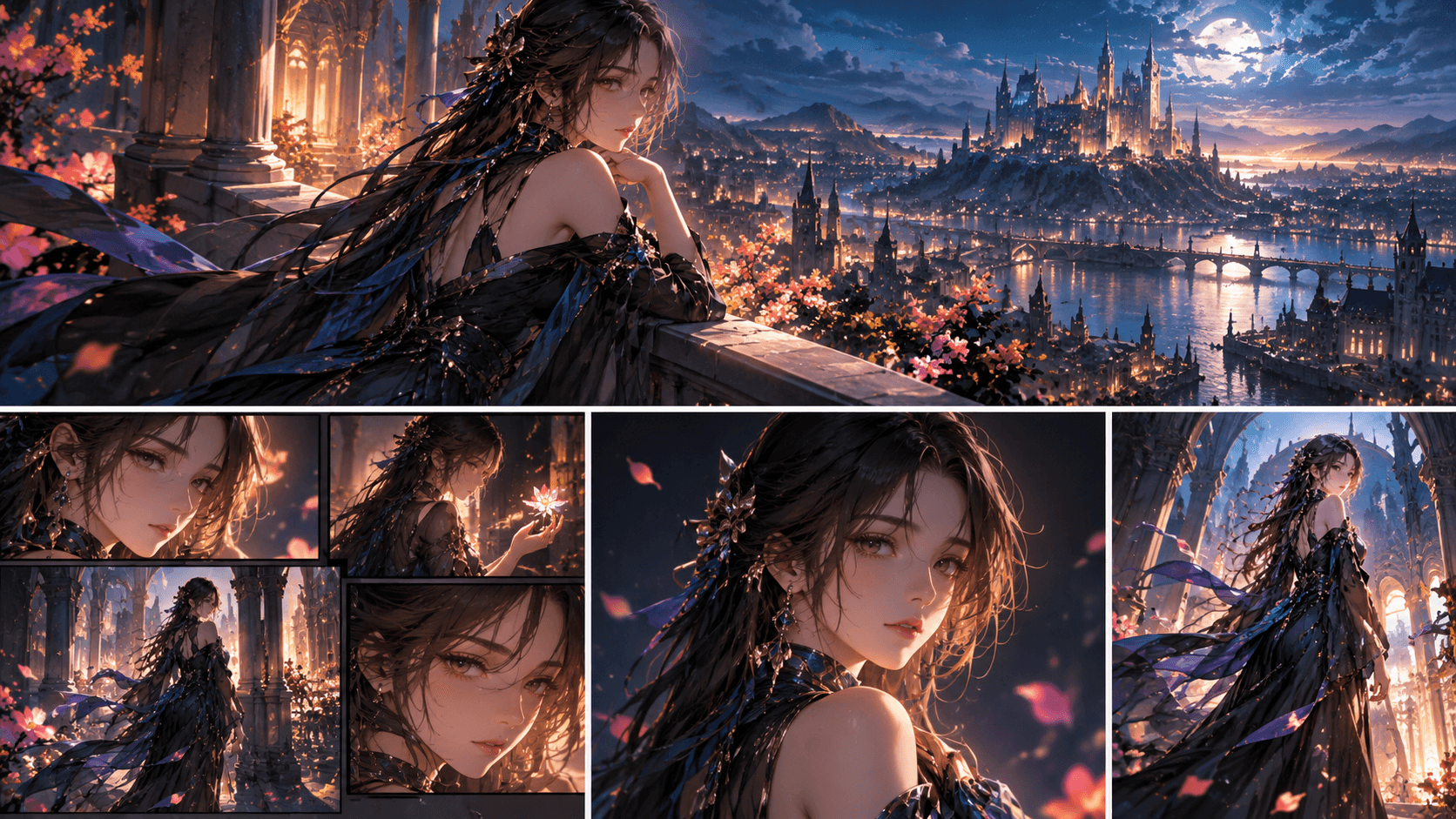
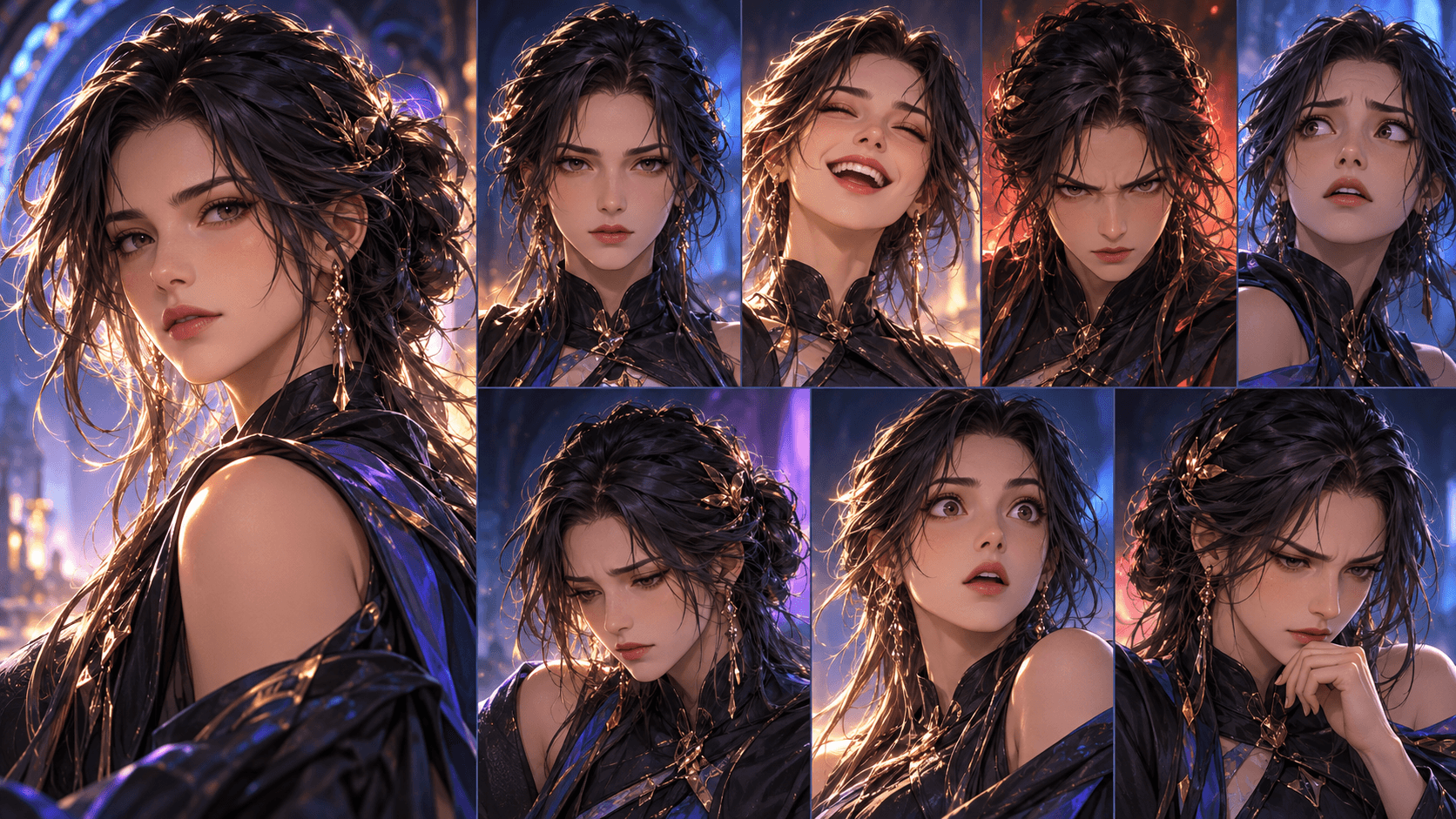
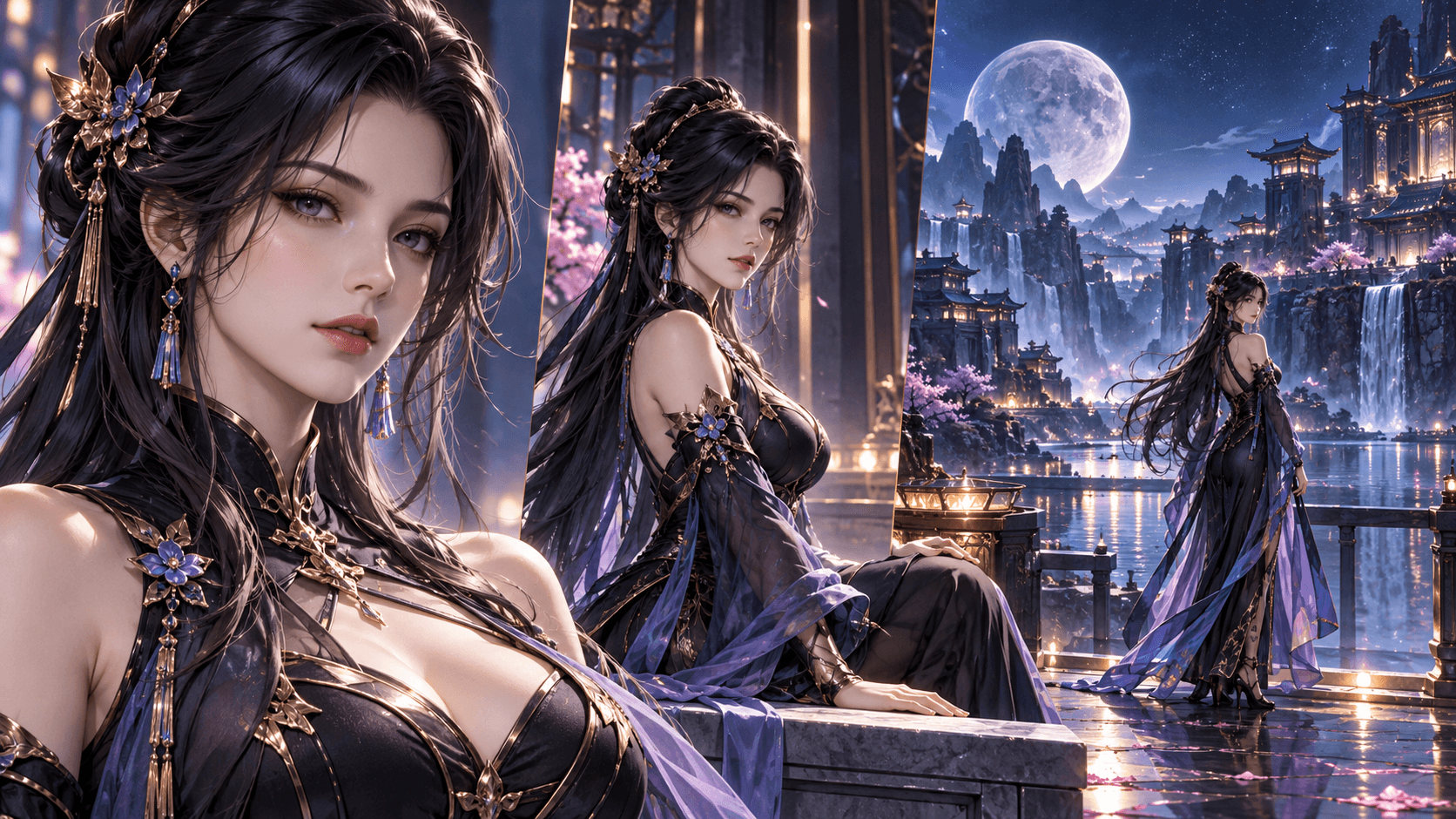
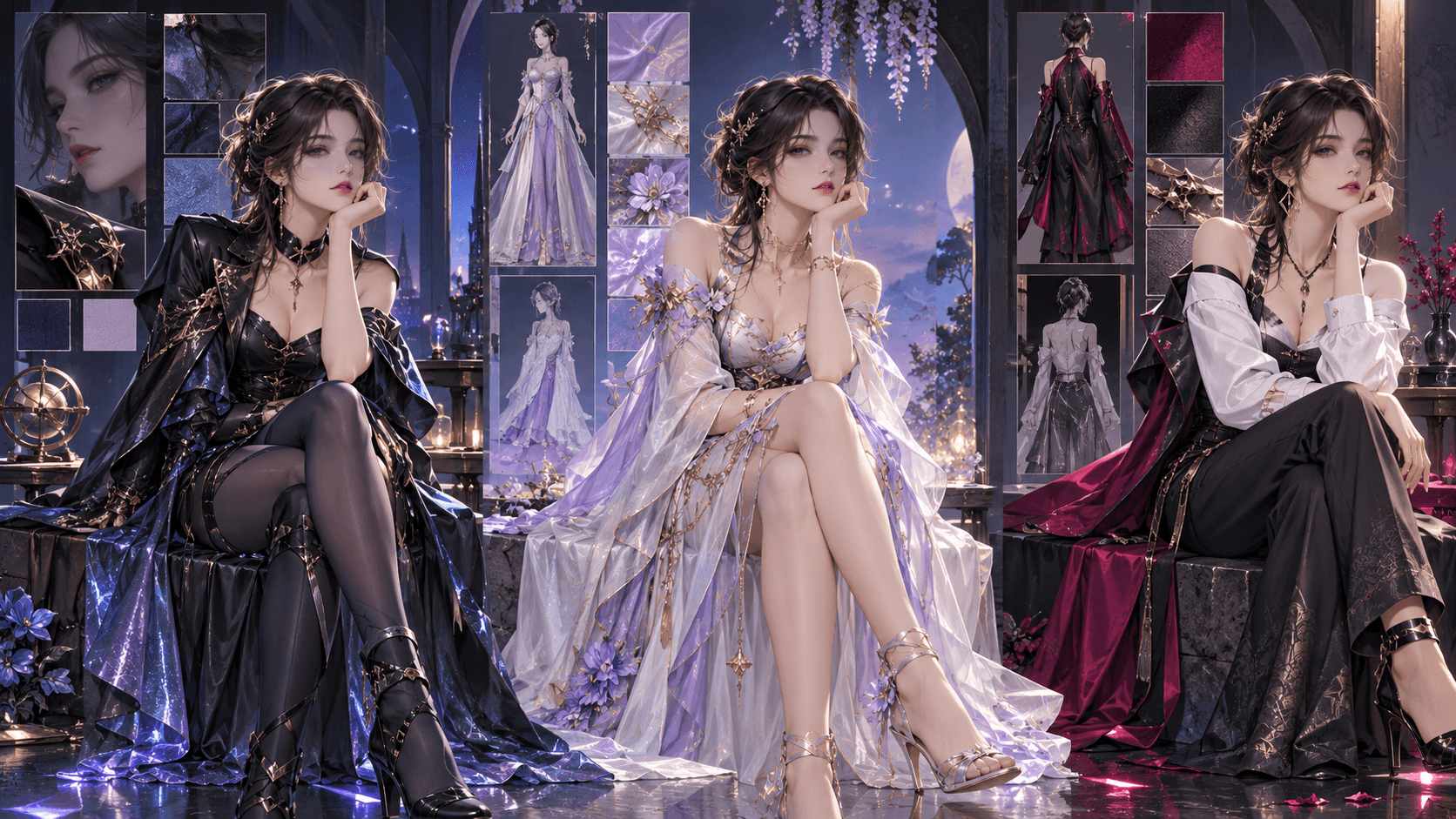
How to Generate Anime Scenes from Prompts: The 2026 Prompt Engineering Guide for AI Anime Creators
I used to think prompt engineering was overrated.
You type a description, the AI generates something, and that's that. How complicated could it be?
Then I watched a friend generate a stunning cyberpunk anime scene in under a minute while I spent an hour getting nothing but weird, warped nonsense from the same model.
Same tool. Same general idea. Completely different results.
That's when I realized: generating anime scenes from prompts isn't about having better ideas. It's about knowing how to talk to the AI.
The anatomy of a great anime prompt
After testing hundreds of prompts across multiple platforms, I've found that the best prompts follow a predictable structure. Here's the formula that works:
[Character description] + [Action/pose] + [Setting/environment] + [Lighting] + [Camera angle] + [Art style reference]
Let me break down what each element actually means.
Character description. Be specific but not obsessive. "A silver-haired warrior wearing a flowing crimson scarf and a black tactical vest" works better than "a cool guy" but also better than "a 17-year-old male with #B0C4DE hair, exact Pantone 186C red clothing, 175cm height, 65kg weight."
The AI needs distinguishing features, not a shopping list.
Action/pose. What is your character actually doing? "Running through a rain-slicked alley at night" or "Standing dramatically on a rooftop with their back to the camera" are actions. "A character" is not.
Setting/environment. Where does this scene take place? "A cyberpunk city marketplace with holographic billboards and noodle vendors" gives the AI worlds more to work with than "a city."
Lighting. This is the element that most beginners skip, and it's one of the most powerful controls you have. "Warm golden hour sunlight" creates a completely different mood than "harsh neon lighting" or "cold blue moonlight."
Camera angle. Do you want a wide establishing shot? An extreme close-up of the character's eyes? A low angle looking up at a towering mech? Tell the AI.
Art style reference. This is where you lock in the anime aesthetic. "Studio Ghibli-inspired soft painterly style" creates different results than "classic 90s anime cel-shading" or "modern shonen action style."
Real examples that work
Here's an example from AniFlow, an AI anime video maker that supports text-to-anime generation: "A silver-haired warrior with glowing blue eyes in a cyberpunk city".
That's a solid basic prompt. But let me show you how to level it up:
Basic: "A silver-haired warrior with glowing blue eyes in a cyberpunk city."
Better: "A silver-haired warrior with piercing blue eyes and a crimson battle-scarred scarf stands atop a rain-slicked cyberpunk skyscraper. Neon billboards flicker in the background. Dramatic low-angle shot. Dark storm clouds gather overhead. Lightning illuminates the scene. 90s anime cel-shading style with bold outlines."
See the difference? The second prompt gives the AI specific direction about angle, lighting, and art style. It doesn't leave room for the AI to guess.
Advanced techniques for consistent scene generation
Once you've mastered basic prompts, here are the techniques that will make your generated scenes actually feel like they belong together.
Use reference images.
Text alone is powerful, but text plus images is transformative. Most modern tools support reference image input. Kling 3.0 takes 1-2 image references per generation. Veo 3.1 takes 1-2 image references plus 1-2 video clips. Seedance 2.0 supports up to 9 images, 3 videos, and 3 audio files.
Upload a reference of your character. Upload a reference of the art style you want. Suddenly, your generations stop being random guesses and start being intentional creations.
Lock in style with negative prompts.
Most people forget about negative prompts. But telling the AI what you don't want is just as important as telling it what you do want.
"Generate an anime scene of a peaceful village at sunrise. Avoid: modern architecture, sci-fi elements, dark atmospheres, watermarks, blurry details."
Chain scenes for narrative flow.
Individual scenes are great, but stories need multiple scenes that feel connected. Modern tools like Kling 3.0 emphasize multi-shot storyboarding, allowing you to generate sequences of clips that belong together.
Common prompt mistakes (and how to fix them)
Mistake 1: Being too vague. "A girl in a forest" generates something. It's probably not what you wanted.
Fix: "A teenage magical girl with pink twin-tails and a white sailor uniform stands in a sun-dappled forest clearing, holding a glowing crystal staff. Warm morning light. Medium shot. Studio Ghibli painterly style."
Mistake 2: Trying to control everything. Prompts that read like technical specifications ("character positioned exactly 30 degrees off-center with 2.8 aperture lighting") confuse the AI.
Fix: Focus on the creative vision. Let the AI figure out the technical execution.
Mistake 3: Ignoring aspect ratio. If you're generating for TikTok, specify 9:16 vertical. If you're generating for YouTube, specify 16:9 widescreen. Most models support both, but you have to tell them which one to use.
The best tools for generating anime scenes from prompts in 2026
- Z-Anime is a full fine-tune of Alibaba's Z-Image Base specifically on anime aesthetics—a fully retrained 6B-parameter diffusion transformer that generates high-quality anime-style images from natural-language prompts.
- PixAI Mio.2, launched in April 2026, is a conversational AI agent that lets anyone generate anime illustrations, manga panels, and game assets simply by chatting, with zero prompt knowledge required.
- AniFlow offers both text-to-anime generation and image-to-anime transformation, with custom controls for facial expression, clothing, setting, and pose.
- Elser AI handles prompt-to-scene generation as part of its complete anime video workflow, with built-in character consistency that ensures your generated scenes all feature the same recognizable characters.
The secret most prompt guides won't tell you
Here's the thing: the best prompts are written iteratively.
You don't nail it on the first try. No one does.
Start with a basic prompt, see what the AI gives you, then refine. Add details where the AI got things wrong. Remove details where it got things right but overcomplicated.
After 3-5 iterations, you'll have a prompt that reliably generates exactly what you want.
That's not failure. That's how prompt engineering actually works.
Ready to start generating?
The gap between "I have an idea for an anime scene" and "I'm looking at that scene on my screen" has never been smaller. The tools are accessible. The techniques are learnable. And the results are genuinely impressive.
👉 Ready to bring your anime scenes to life? Elser AI turns your text prompts into complete anime videos with consistent characters and cinematic quality. [Start creating now]