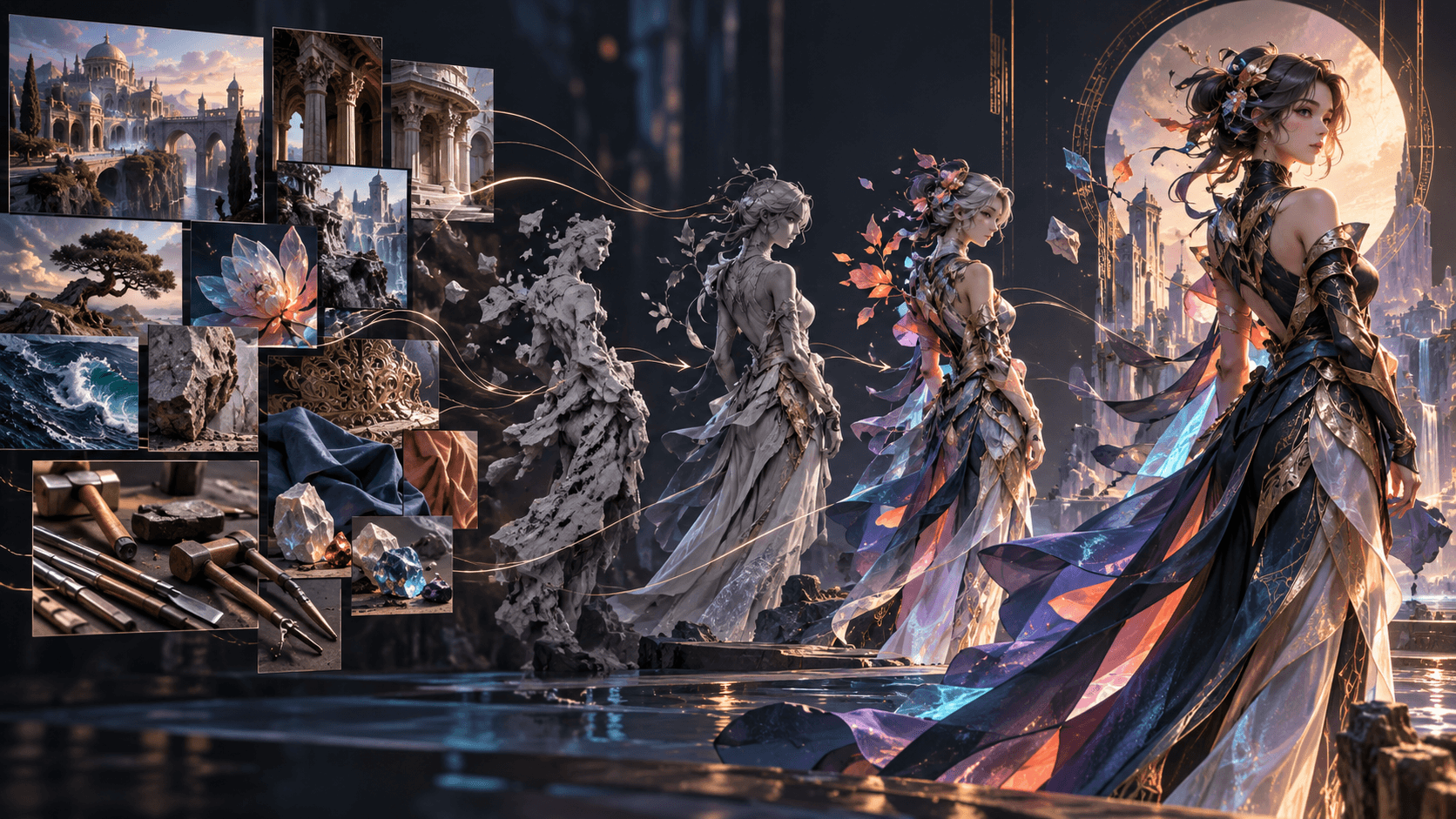
AI 애니메이션에서 캐릭터 일관성 유지 방법
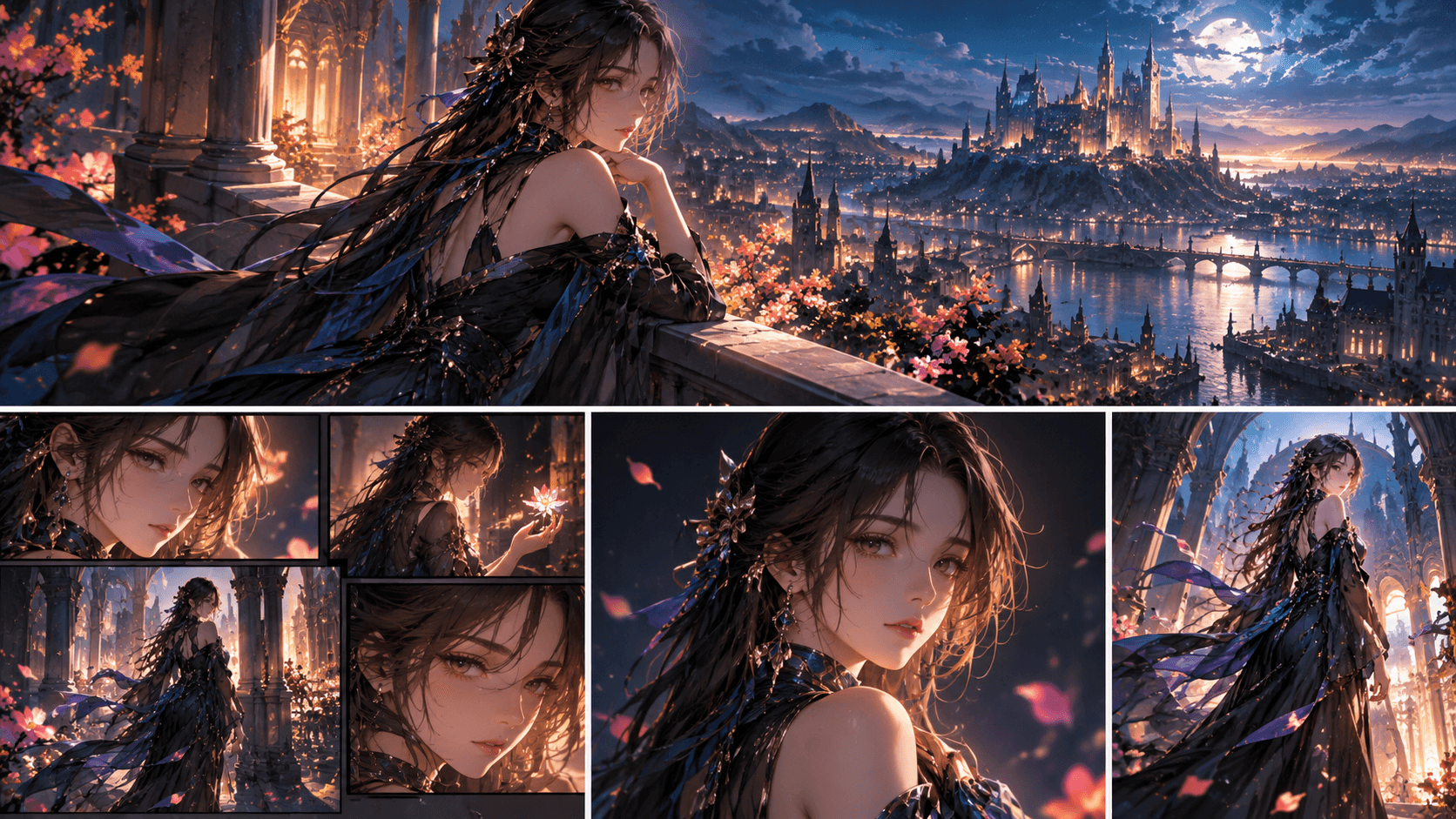
캐릭터 일관성은 AI 애니메이션이 성공하거나 실패하는 가장 큰 원인 중 하나입니다. 샷마다 얼굴, 의상, 혹은 전반적인 캐릭터 정체가 달라지면 장면이 금방 망가집니다. 보통 해결 방법은 '더 나은 형용사를 작성하는 것'이 아닙니다. '더 나은 시스템을 구축하는 것'입니다.
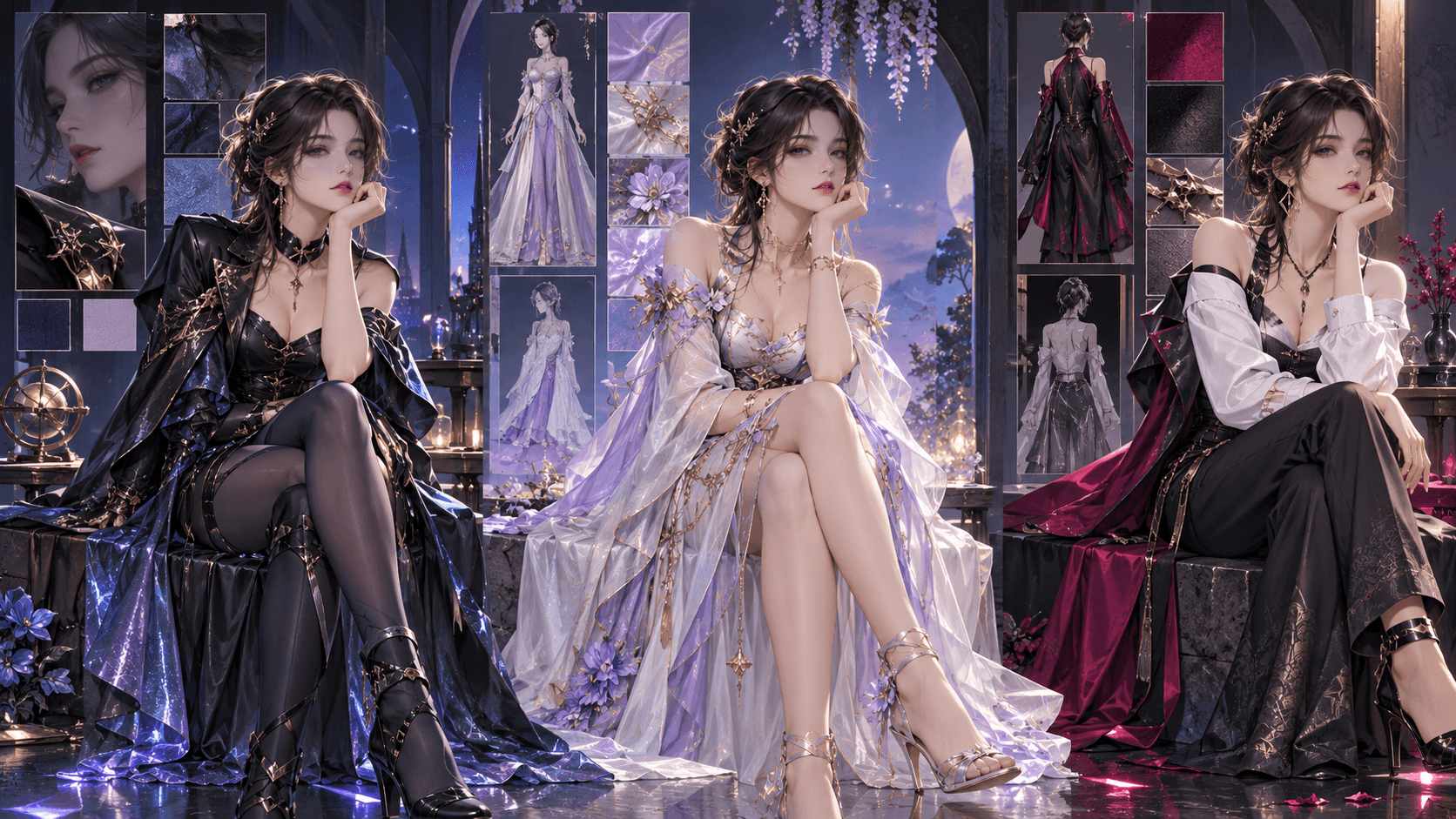
참조 팩으로 시작하기
최소한 유지하세요:
- 하나의 중성적인 초상화
한 가지 표현 변형
- 한 측면 또는 3/4 각도
- 액션 준비가 완료된 하나의 프레임
그 AI 이미지 생성기 여기에서 유용한데, 나중에 등장하는 장면들이 상황을 복잡하게 만들기 전에 정체성 관련 결정을 더 명확하게 유지해주기 때문입니다.
고정 특성 대 유연 특성
고정 특성:
얼굴 형태
- 기본 헤어스타일
코디 로직
- 핵심 색상 팔레트
유연한 특성:
- 포즈
- 조명
- 표현
카메라 각도
이러한 구분은 모든 장면을 동일하게 만들지 않으면서 캐릭터의 안정성을 유지합니다.
플래닝이 프롬프팅보다 더 많은 드리프트를 해결합니다
많은 일관성 문제는 실제로 계획 문제입니다. An AI 비디오 생성기 선택지를 좁히고 각 촬영에 더 명확한 역할을 부여하여 나중에 드리프트 현상을 줄입니다.
모든 프레임을 소스와 비교
각 새로운 이미지를 이전 이미지와 비교하지 마세요. 승인된 참조 세트와 비교하세요. 이렇게 하면 드리프트를 초기에 더 쉽게 발견할 수 있습니다.
승인된 프레임만 애니메이션 적용
캐릭터가 정지 프레임에서 안정되면 움직임을 추가하세요. 만약 정지 프레임이 이미 흔들리고 있다면 애니메이션을 적용하면 보통 문제가 더 악화됩니다.
빠른 일관성 체크리스트
프레임을 승인하기 전에 확인하세요:
얼굴 형태
- 모발 구조
- 코디 실루엣
색상 팔레트
감정 톤
이것 중 두 개 이상이 이상하다고 느껴진다면, 프레임이 아마도 어긋나고 있을 것입니다.
참조 계층 구조를 구축하세요, 단순히 참조 폴더만 구축하지 마세요
많은 크리에이터들은 기술적으로 레퍼런스를 가지고 있음에도 불구하고 일관성 유지에 어려움을 겪고 있습니다. 모든 이미지가 동일한 권위를 지니기 때문이죠. 더 나은 시스템은 계층 구조를 만드는 것입니다.
예를 들어:
- 레벨 1: 승인된 마스터 참조 문헌
- 레벨 2: 사용 가능한 변형
- 레벨 3: 실험적 출력물
새 프레임을 검토할 때는 먼저 레벨 1 세트와 비교하세요. 이렇게 하면 각 새 이미지가 마지막으로 비교된 드리프트가 발생한 이미지와만 비교되기 때문에 드리프트가 천천히 정상으로 여겨지게 되는 흔한 함정을 피할 수 있습니다.
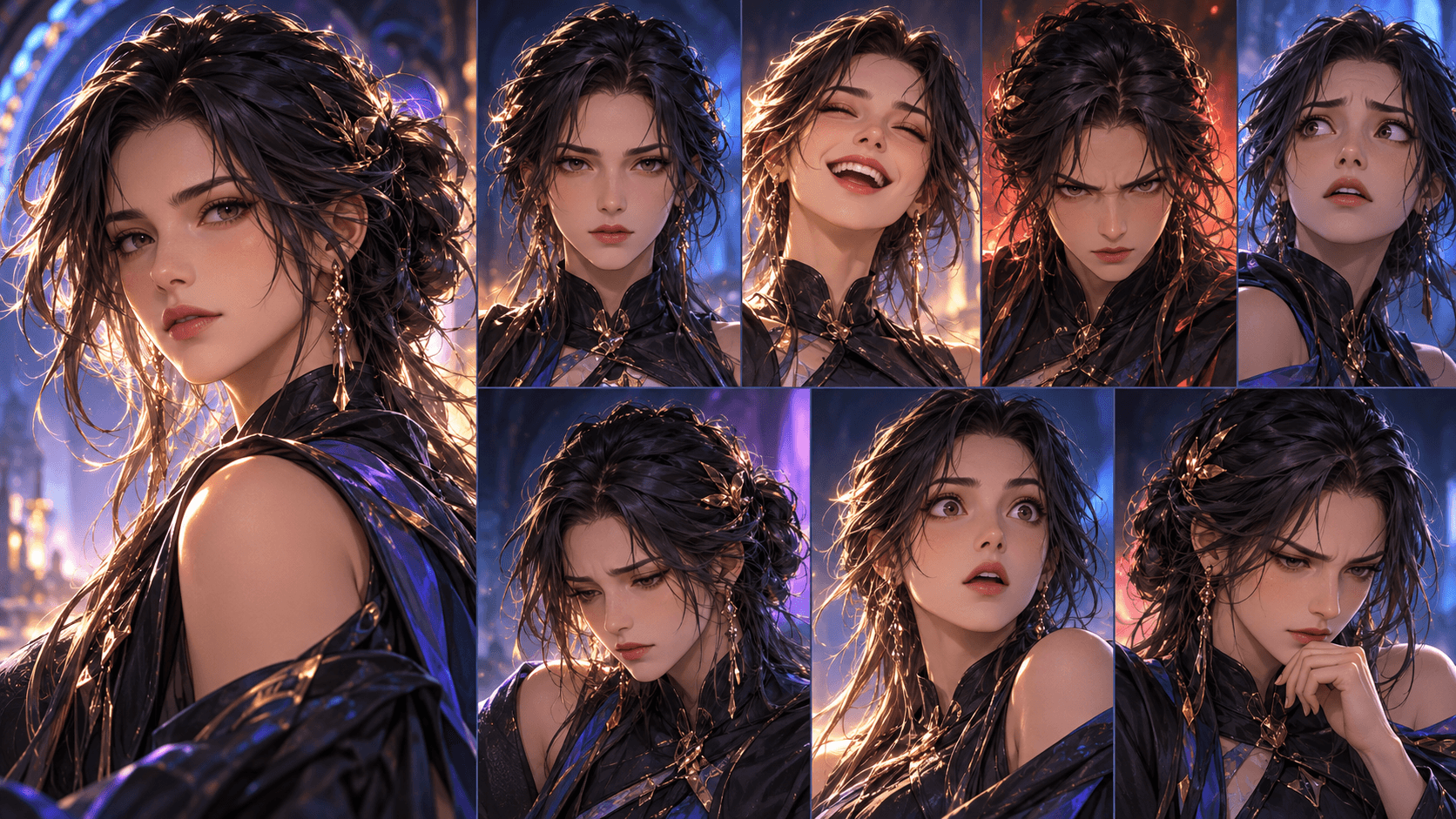
일관성은 대개 감정의 극단에서 깨진다
등장인물은 종종 차분한 표정으로 안정적인 모습을 보이지만, 장면이 요구할 때는 그 태도가 흐트러진다:
분노
- 패닉
- 웃음
- 극한 모션
그것이 감정 스트레스 테스트가 중요한 이유입니다. 만약 캐릭터가 중립 샷에서만 견뎌낸다면, 워크플로우는 아직 안정적이지 않습니다.
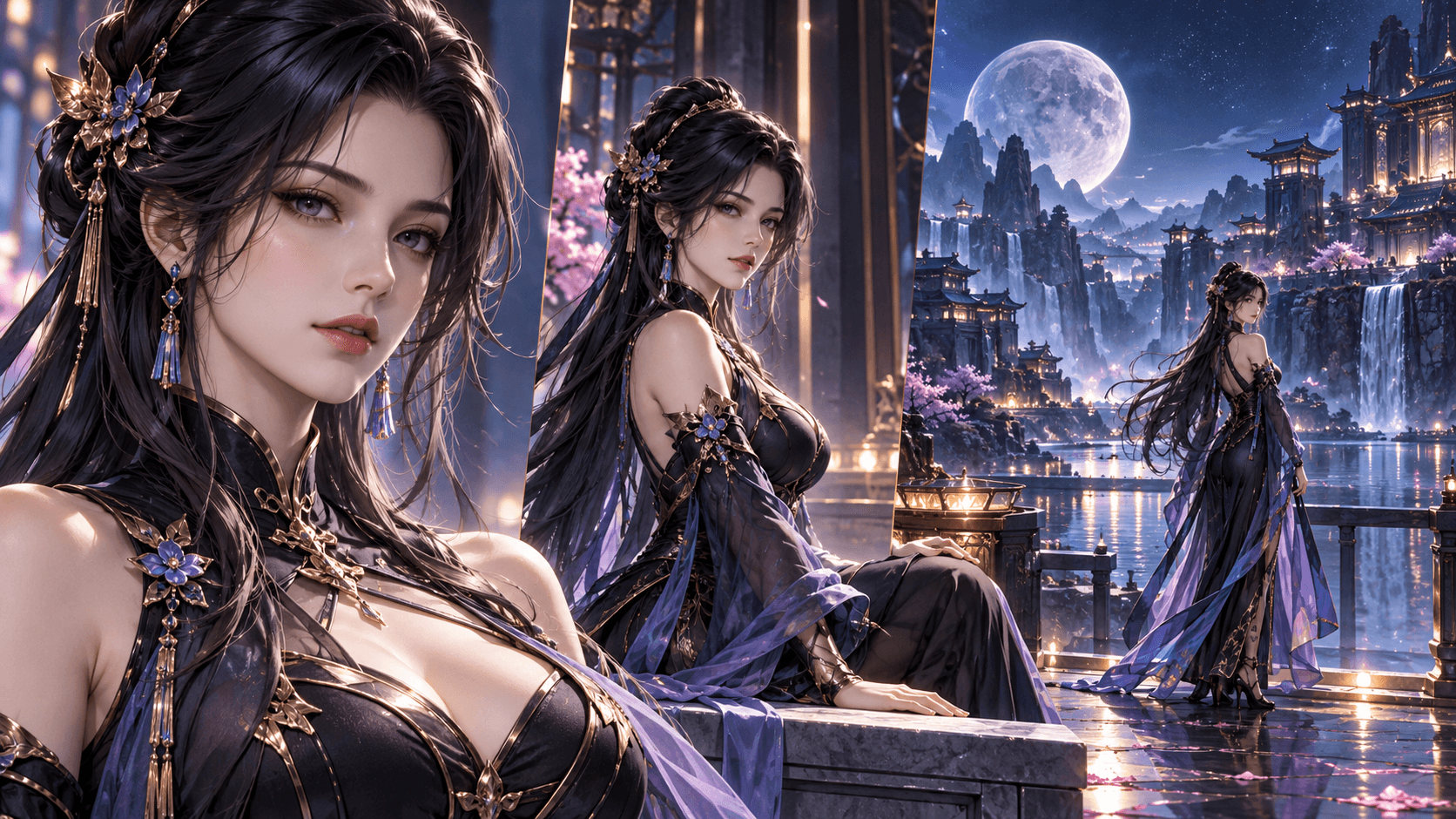
배경과 카메라 각도도 캐릭터 안정성에 영향을 미칩니다
일관성은 단지 캐릭터의 얼굴만을 고려하는 게 아닙니다. 또한 캐릭터가 환경 속에서 어떻게 자리 잡는지에도 달려 있습니다. 극적인 각도, 복잡한 배경, 혹은 조명의 큰 변화는 안정적인 디자인을 갑자기 일관성이 없어 보이게 만들 수 있습니다.
스토리보딩이 도움이 되는 또 다른 이유입니다. 촬영 샷의 논리를 미리 계획해두면 등장인물이 자신의 정체성과 부딪히는 임의적인 변수가 적어집니다.
신분 메모에는 한 가지 언어만 사용하세요
매번 동일한 간단한 아이덴티티 언어를 사용하는 것이 매우 실용적인 해결 방법입니다. 처음부터 캐릭터를 새로 작성하는 대신, 핵심 내용을 반복하는 간결한 메모를 유지하세요:
얼굴 형태
- 헤어 로직
코디 로직
- 연령 인상
- 감정 기준선
이것은 드리프트를 줄입니다. 왜냐하면 워크플로우가 장면마다 아이덴티티를 즉흥적으로 만들지 않기 때문입니다.
일관성은 정말 신뢰에 관한 것이다
진정한 목표는 로봇 같은 획일성이 아니라 신뢰입니다. 관객은 조명, 촬영 각도, 감정이 변했더라도 세 번째 샷에 등장하는 인물이 첫 번째 샷의 인물과 동일하다고 믿어야 합니다. 이러한 신뢰가 자리 잡으면 애니메이션은 일관성을 잃지 않으면서 훨씬 더 영화적인 느낌을 줄 수 있습니다.
안정성에는 성능을 위한 여유가 필요하다
캐릭터가 여전히 연기할 수 있을 때 일관성이 가장 강력합니다. 만약 워크플로우가 정체성을 안정적으로 유지하지만 감정, 움직임, 관점 전환의 여지를 남기지 않는다면, 결과는 생기 없어 보일 수 있습니다. 좋은 일관성은 정체성을 보호하면서도 장면이 숨 쉴 수 있도록 허용합니다.
자산만이 아닌 시퀀스를 위한 리뷰 습관 기르기
단일 이미지에서 시퀀스로 전환하는 순간, 리뷰 습관은 바뀌어야 합니다. 각 프레임이 수용 가능한지 묻는 대신, 전체 샷 시퀀스가 여전히 다른 각도에서 관찰되는 한 인물처럼 느껴지는지 묻는 것입니다. 이러한 전환은 많은 문제를 더 일찍 발견할 수 있게 해줍니다.
환경 드리프트도 캐릭터 신뢰를 깨뜨릴 수 있습니다
때로는 캐릭터가 안정적으로 보이지만 주변 세계가 계속 변해 연속성이 훼손됩니다. 만약 배경 논리, 카메라 거리, 조명 규칙이 계속 바뀐다면, 얼굴은 기술적으로 정상일지라도 캐릭터가 여전히 일관성이 없어 보일 수 있습니다.
일관성 루프는 반복하기에 충분히 간단해야 합니다
최고의 일관성 시스템은 가장 복잡한 시스템이 아닙니다. 그것은 모든 중요한 샷에 실제로 사용하게 될 시스템입니다: 마스터 참조와 비교하고, 코어 리드를 확인한 뒤 승인하거나 거절한 다음 다음 작업으로 넘어가세요. 반복성은 실제 프로젝트 전반에 걸쳐 캐릭터를 안정적으로 유지해 주는 요소입니다.
일관성 역시 '신속 거부' 습관이 필요하다
많은 워크플로우는 크리에이터가 명백히 흔들리는 프레임을 거부하는 속도가 빨라지면 개선됩니다. 약한 프레임을 너무 오래 보관하면 나중에 시퀀스 검토가 더 어려워지고 전체 프로젝트의 기준을 조용히 낮춥니다.
작은 '이 항목이 통과된 이유' 메모를 남겨두세요
또 다른 유용한 습관은 승인된 프레임이 왜 통과되었는지 기록하는 것이다. 아마도 얼굴이 자연스러웠거나, 실루엣이 잘 유지되었거나, 혹은 감정이 참고 세트와 일치했을 수 있다. 그 작은 기록은 실제로 정체성을 보존하는 요소의 패턴을 발견하는 데 도움이 되며, 이는 향후 승인을 더 빠르고 일관되게 진행할 수 있게 해준다.
프로젝트에 장면이 많아지거나 계속 돌아가며 내용을 수정하게 되면, 지금까지 적어둔 작은 메모들이 갑자기 아주 유용해집니다.
그것들을 가드레일처럼 생각해보세요. 캐릭터가 느껴야 할 감정이 무엇인지 상기시켜 줍니다. 그렇게 하면 일이 바빠진다고 해서 실수로 방향을 벗어나지 않게 되고—너무 늦기 전까지는 그 방향 이탈에 전혀 눈치채지 못할 수도 있습니다.
여러 장면에 걸쳐 동일한 등장인물이 등장할 때 이는 매우 중요합니다. 작게 메모해두는 습관 하나로 나중에 겪을 연속성 관련 큰 골치 아픔을 피할 수 있습니다.
또한 다른 사람들과 함께 작업하거나 나중에 돌아와 수정할 때 훨씬 혼란스럽지 않게 해줍니다. 모든 사람이 동일한 캐릭터 버전을 기준으로 비교하고 있습니다.
시간이 지나면, 그 캐릭터에 대해 이야기하는 공통적인 방식이 결국 당신이 일하는 방식의 일부가 됩니다. 그리고 이는 문제가 퍼지기 전에 조기에 그 틀어짐을 발견하는 데 도움이 됩니다.
조기 발견이 핵심입니다. 장면 전반에서 연속성 문제가 빠르게 누적됩니다. 한 컷의 아주 작은 불일치를 제때 발견하지 못하면 시퀀스가 끝날 무렵에는 큰 연속성 문제로 번질 수 있습니다.
그것이 바로 당신의 작업이 인물 중심적일 때 빠른 검토 습관을 갖는 것이 매우 가치 있는 이유입니다. 이는 일관성이 부족한 것이 정상으로 느껴지기 시작하기 전에 기준을 높게 유지해줍니다.
그러한 종류의 보호는 좋은 일관성 워크플로우에서 가장 눈에 띄지 않지만 가장 가치 있는 부분 중 하나입니다. 이것은 전체 시퀀스가 우연히 궤도에서 벗어나는 것을 막아줍니다.
그것만으로도 나중에 해야 할 정리 작업을 엄청나게 줄일 수 있습니다. 게다가 당신의 작업 추진력을 지켜줍니다.
만약 당신의 작업 흐름에서 문자 일관성이 중요하다면, 다음으로 시작하세요 엘서 AI 씬을 애니메이션화하기 전에 캐릭터를 잠그세요.