Kling vs Veo for Anime Videos: Which AI Model Actually Wins in 2026?
If you're an anime creator in 2026, you've probably had this debate with yourself at 2 AM while waiting for a render to finish: Should I be using Kling or Veo for this project?
It's a valid question. Both are powerhouse AI video models. Both claim to be the best for cinematic quality. Both have passionate communities of creators swearing by them. But when it comes specifically to *anime*—that distinctive aesthetic, those expressive characters, that particular style of motion—the answer isn't as straightforward as the marketing materials would have you believe.
The Contenders: Kling 3.0 vs Veo 3.1
Let's set the stage. Kling 3.0 (released February 2026) is Kuaishou's flagship video model series, featuring Video 3.0, Video 3.0 Omni, Image 3.0, and Image 3.0 Omni. The big selling points: multi-shot storyboarding (up to six shots), native audio generation across multiple languages, and strong emphasis on narrative control and consistency. Since its launch in June 2024, Kling AI has served over 60 million creators worldwide.
Veo 3.1 (updated January 2026) is Google's answer—a production-ready video generation engine capable of 4K output with synchronous native dialogue and audio. Key features include enhanced prompt adherence, improved audiovisual quality, ingredients-to-video (multi-image reference), and native vertical format support for 9:16 videos.
Both are impressive. But for anime? Let's dig deeper.
Round 1: Character Consistency
This is make-or-break for anime. Anime characters have highly specific visual identities—distinctive hairstyles, eye shapes, color palettes, outfit details. If the AI can't maintain these across shots, your anime looks like a slideshow of cosplayers who vaguely resemble each other.
Kling 3.0 has invested heavily here. The Video 3.0 Omni model offers advanced reference-based generation where you can upload a reference video, and the AI extracts visual traits and voice characteristics to replicate faithfully across new scenes. The "Elements" feature from earlier versions has been supercharged into a comprehensive consistency system.
Veo 3.1 has also made significant strides. The "Ingredients to Video" feature (introduced in the January 2026 update) allows for multi-image reference generation, significantly improving character and background visual consistency.
Verdict: Both are good. Kling edges ahead for anime specifically because of its multi-shot storyboarding—you can plan an entire sequence and maintain consistency across all shots in one workflow. Veo is catching up, but Kling's narrative-first approach gives it the edge for episodic anime content.
Round 2: Motion Quality and "Anime Feel"
Here's where things get interesting. Anime motion isn't realistic—it's stylized. The exaggerated expressions, the dynamic action lines, the way hair moves in slow motion during dramatic moments. This is actually harder for AI models trained primarily on photorealistic footage.
Veo 3.1 excels at realistic motion. It's built for cinematic realism, and it shows. But that realism can work against anime aesthetics—motion that's too smooth, too physics-accurate, can feel wrong for the medium.
Kling 3.0 has a stronger stylization capability. It was built with cinematic visuals in mind, but it handles stylized output better than Veo's photorealism-first approach. Kling's Visual 3.0 model can produce everything from photorealistic to highly stylized output.
Verdict: Kling takes this round for anime. Its stylization flexibility gives creators more control over achieving that distinctive anime look.
Round 3: Native Audio
This might seem like a side note, but for anime, audio is *everything*. The voice acting, the sound effects, the ambient music—it's half the experience.
Kling 3.0 generates native audio across multiple languages, dialects, and accents—English, Chinese, Japanese, Korean, Spanish, and various regional variations. It can even produce complex multi-character dialogue scenes where each character speaks a different language. This is huge for anime creators working with international audiences.
Veo 3.1 also generates synchronized native audio, from natural conversations to sound effects to ambient soundscapes. It's very good, but Kling's multi-language support is more comprehensive for global anime production.
Verdict: Kling, by a narrow margin—the multi-language dialogue capability is a game-changer for international distribution.
Round 4: Storyboarding and Scene Direction
This is where the gap widens significantly.
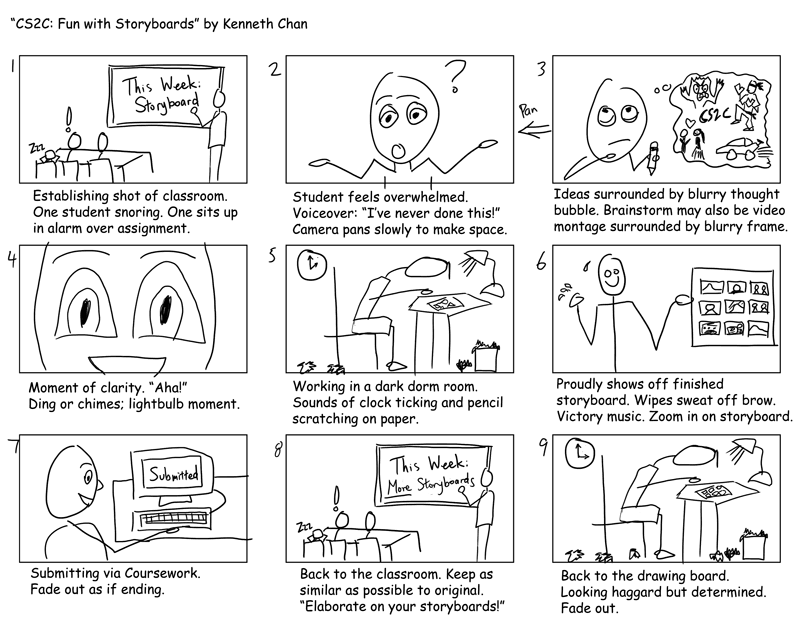
Kling 3.0 Omni introduced a multi-shot storyboard feature that allows creators to generate professional shots where they can specify duration, shot size, perspective, narrative content, and camera movements for each shot. You're not just prompting—you're *directing*.
Veo 3.1 is primarily a clip generator with strong prompt adherence, but it doesn't have the same level of storyboard control baked into the workflow.
Verdict: Kling wins decisively. For anime storytelling—which often involves complex scene sequences, dramatic shot compositions, and careful pacing—this level of directorial control is essential.
Kling 3.0 is the clear winner for anime-specific workflows. Its combination of character consistency, stylization flexibility, multi-language audio, and directorial storyboarding makes it the more complete package for anime creators.
But Here's the Catch
Neither Kling nor Veo is a complete anime production solution on its own. You still need to manage characters across scenes, maintain visual continuity, organize your storyboard, and handle the dozens of other production tasks that don't fit neatly into a single prompt.
That's where Elser AI comes in.
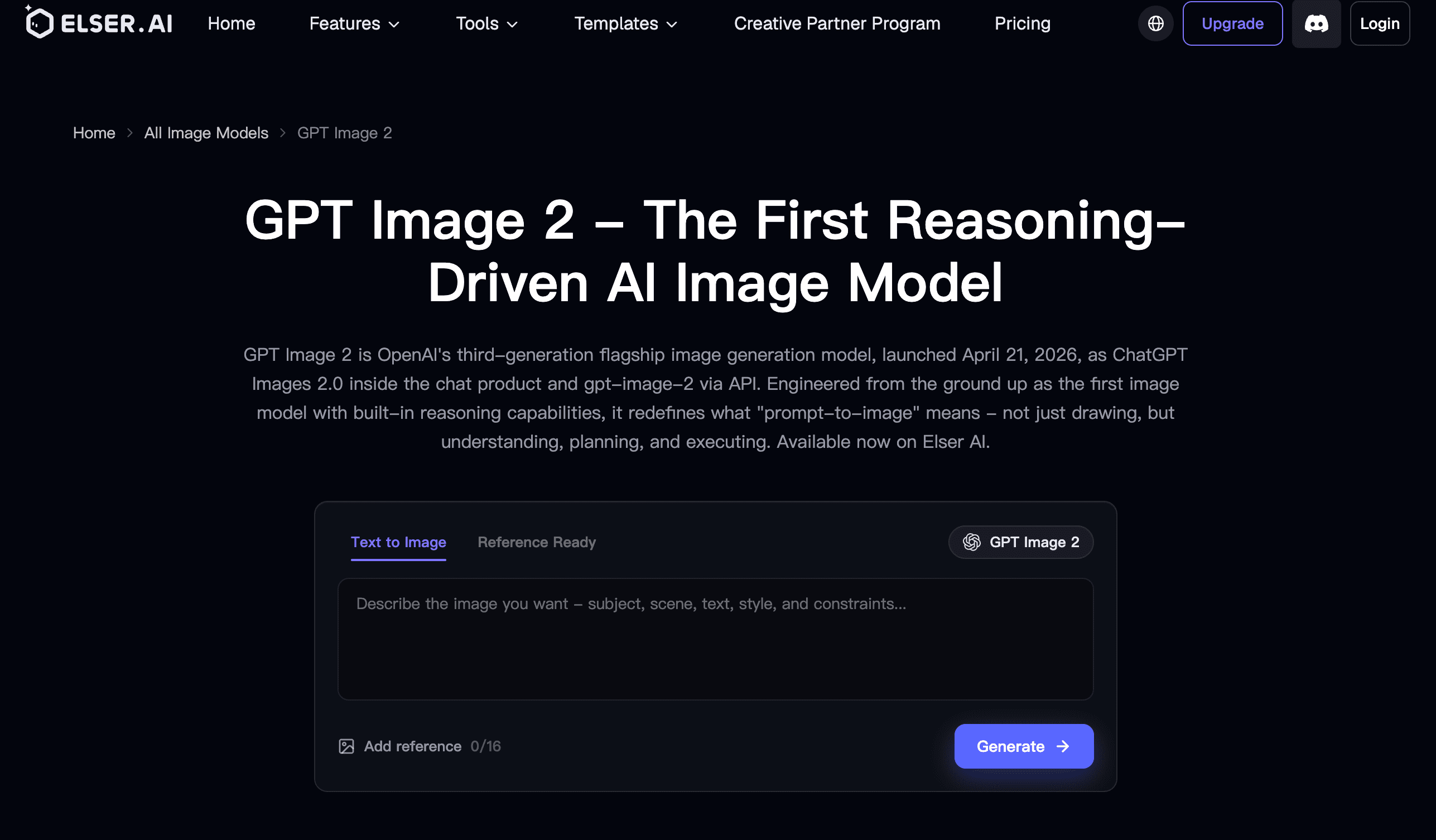
Elser AI integrates the best of both worlds—Kling's directorial control, Veo's production reliability, and so much more—into a unified anime creation workflow. Our platform handles character management, storyboard organization, scene sequencing, and consistency tracking across your entire project. You focus on the story; we handle the production logistics.
Stop choosing between tools. Start creating.
Whether you lean toward Kling for its storyboarding or Veo for its reliability, Elser AI gives you the infrastructure to actually produce anime—not just generate isolated clips.
👉 Get started with Elser AI and bring your anime vision to life. Free trial available—start creating today.