OC Maker vs OC Generator vs Character Creator: What’s the Difference?
People searching for an OC maker, OC generator, or character creator often want the same broad outcome: an original character they can call their own. The terms overlap, but they suggest different workflows. Choosing the right one depends on whether you need a quick image, a customizable design, or a production-ready character that can survive multiple scenes.
“OC” means original character. Originality, however, is not created by pressing Generate. A character becomes distinctive through a coherent combination of appearance, personality, history, relationships, and behavior. The tool can visualize the idea; the creator must make the decisions.
What is an OC maker?
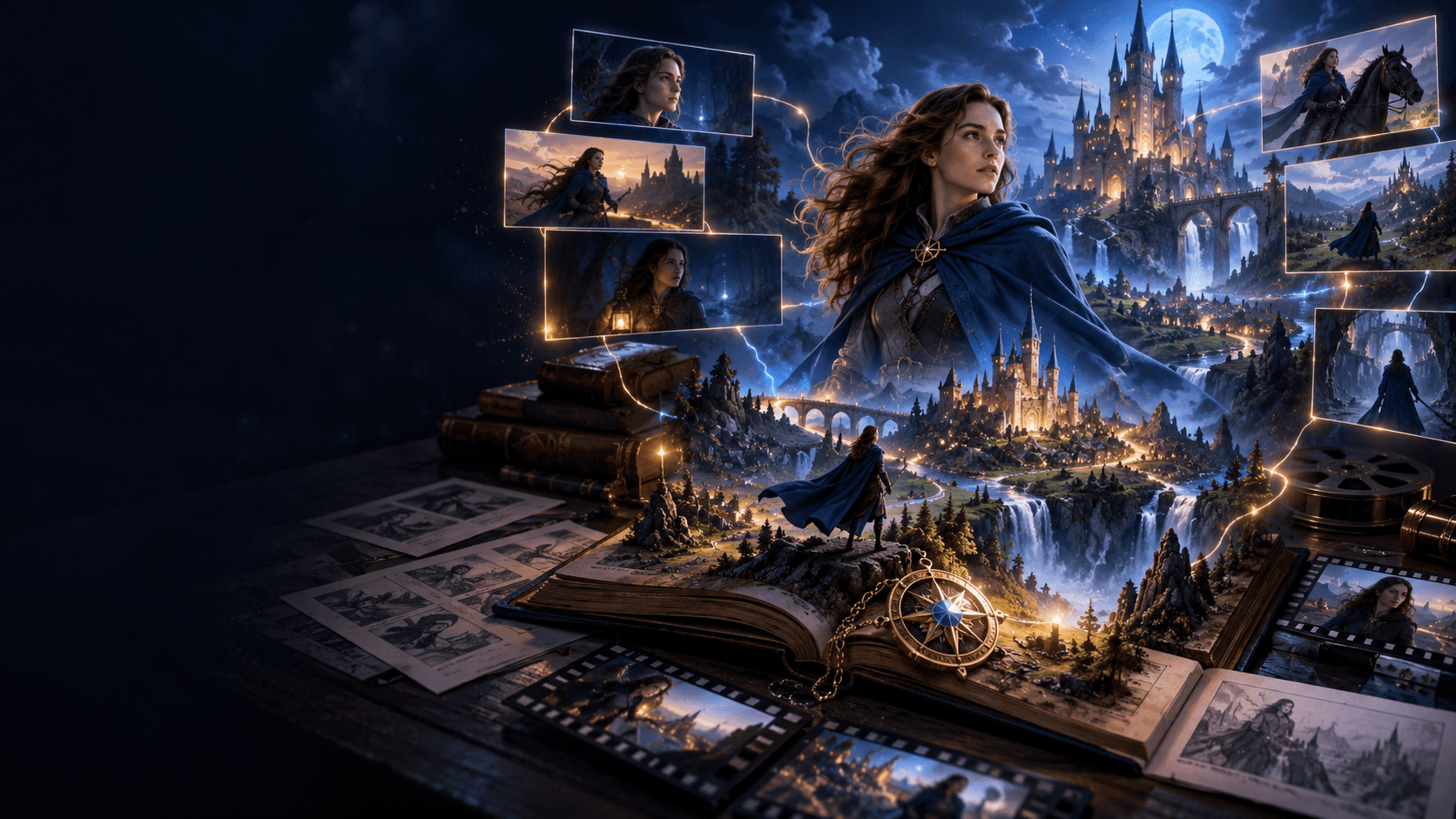
An OC maker usually emphasizes guided creation. It may provide templates, style choices, prompts, or recognizable character categories. The experience is approachable: select a direction, describe the character, and iterate.
An OC maker is best for:
- First-time character design
- Profile pictures and roleplay concepts
- Anime, fantasy, game, or fandom-inspired aesthetics
- Rapid exploration of clothing, hair, palettes, and mood
- Turning a written idea into a first visual reference
Elser AI fits this use case with browser-based OC, anime image, comic, storyboard, and video tools. It is useful when the goal is to see options quickly without building a full production project first.
What is an OC generator?
“Generator” often implies more randomness or automation. An OC generator might create a character from a short prompt, a list of attributes, or even a random seed. Some generate only an image; others produce names, powers, personality traits, and backstories.
This is particularly useful when you are stuck. Random combinations can break predictable habits. The weakness is coherence: a generator may combine attractive details that do not make sense together.
Use generated ideas as proposals. Ask why the character wears a particular object, how a power affects daily life, and what contradiction makes the personality interesting. Delete details that do not serve the story.
What is a character creator?
A character creator usually suggests more direct control. In games, it may mean sliders, modular clothes, and predefined body options. In AI tools, it can mean prompt-based creation plus editing, reference images, variations, or reusable character records.
A character creator is best when you already know what you want and need to refine it. The key feature is not the number of hairstyles. It is whether the tool lets you preserve deliberate choices across revisions.
The fourth category: a production character system
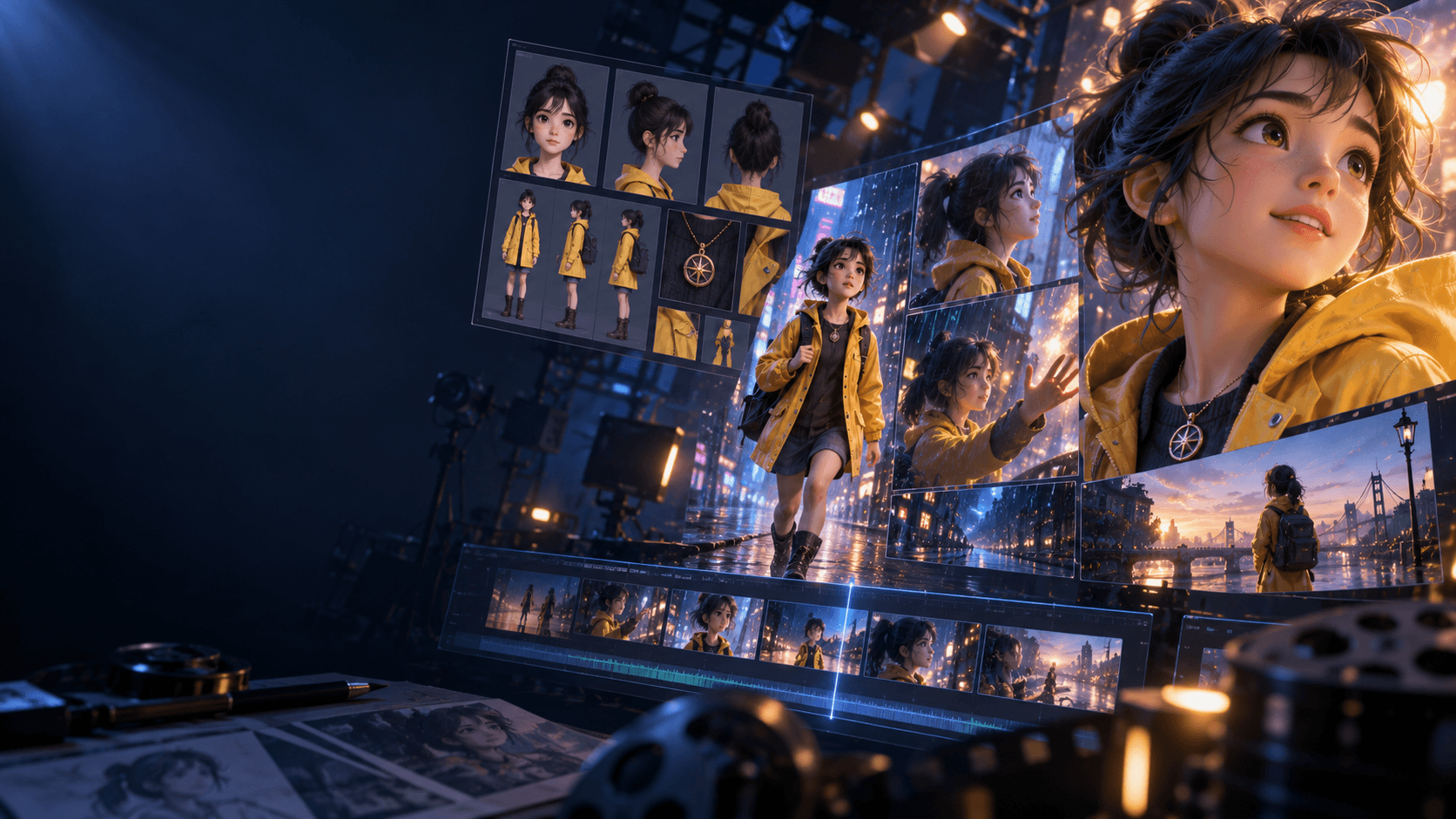
Once a character appears in a comic, animated short, or multi-shot video, an image alone is not enough. Production needs a canonical identity, alternate views, expressions, outfits, voice, relationships, props, and state changes.
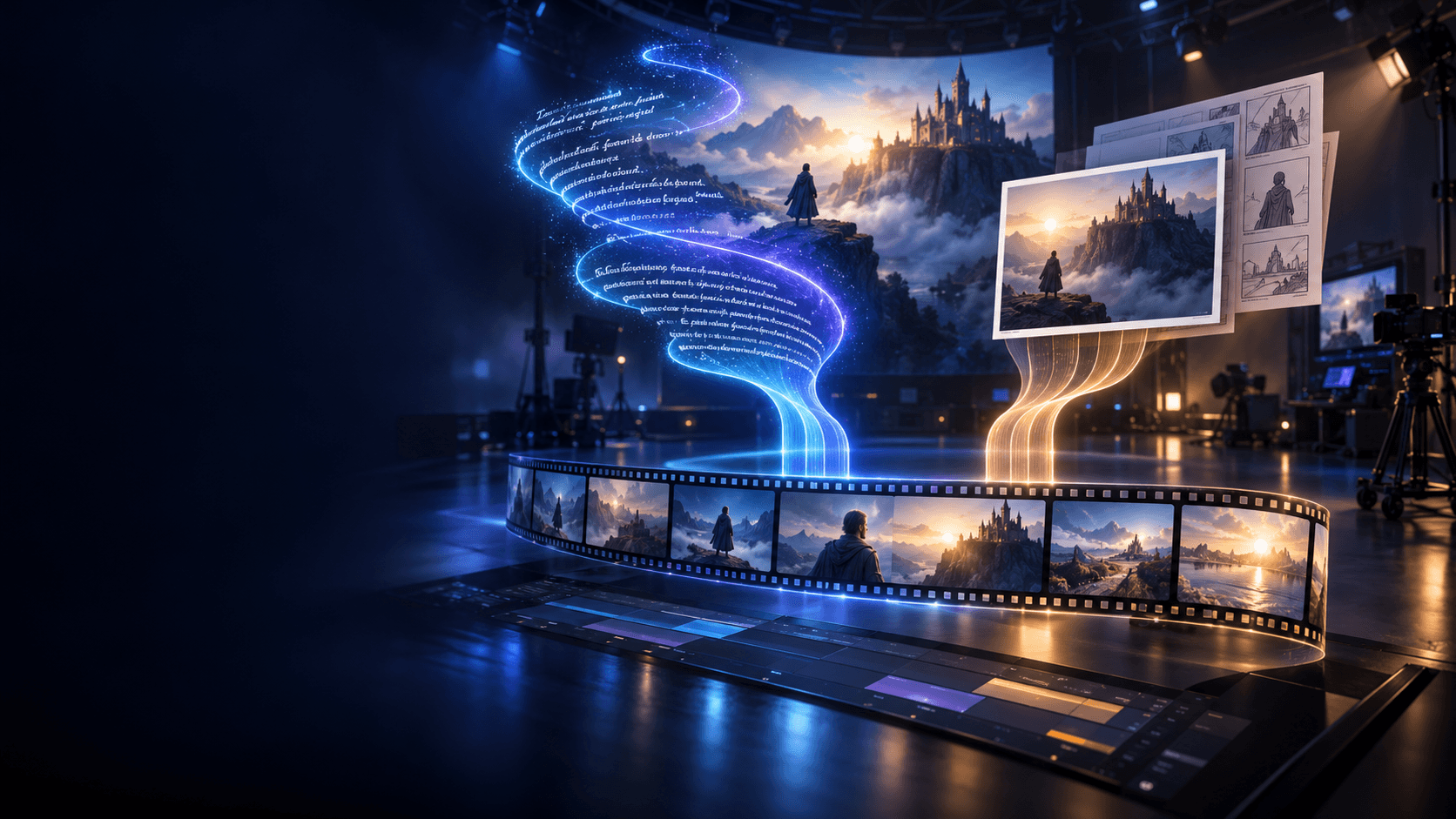
This is better understood as a character system. ElserStudio stores reusable character assets inside a World alongside locations, props, and voice profiles. Scripts and shots can reference the same approved assets, making it easier to manage a continuing story.
That does not guarantee perfect generation. It provides a stable source of truth so drift can be diagnosed instead of accepted as mystery.
Which tool should you choose?
| Goal | Best starting point | |---|---| | Quickly visualize an idea | OC maker | | Discover unexpected concepts | OC generator | | Precisely refine appearance | Character creator | | Produce a comic or video series | Production character system |
Many creators use all four stages. Generate rough directions, choose one, refine the design, then package it for production.
A better OC creation process
1. Begin with a dramatic function
Define what the character does in the story. “A fantasy girl with blue hair” is an appearance. “A junior cartographer who secretly removes dangerous roads from royal maps” creates decisions, props, and conflict.
2. Pick three visual anchors
Choose a silhouette, dominant color relationship, and signature object. Three strong anchors are easier to recognize than fifteen decorative details.
3. Add one contradiction
Memorable characters contain tension: a fearless fighter who hates being watched, a healer who refuses comfort, or a cheerful guide who never gives directions home. The contradiction creates behavior rather than trivia.
4. Generate broad variations, then narrow
Change one category at a time. Compare silhouettes before adjusting buttons and jewelry. Once the overall direction works, lock the face, hair, proportions, and essential costume.
5. Create a reference sheet
Include neutral views, expressions, body scale, palette, outfit details, and notes about what must not change. For video, add voice and motion qualities.
Avoid accidental copying
Inspiration is not permission to reproduce a protected character or imitate a living artist too closely. Describe the underlying qualities you want—graphic shapes, limited palette, soft lighting, energetic line work—rather than requesting a replica.
Give the character an original name, silhouette, costume logic, and story role. Keep records of your prompts, references, selections, and edits if the project will be published commercially.
FAQ
Is an OC maker the same as an avatar maker?
Not always. An avatar represents a user, while an OC may be a fictional person with an independent story. The same tool can support both.
Can I use an AI-generated OC commercially?
It depends on the tool's current terms, your input rights, local law, and whether the output conflicts with existing rights. Review these before publication.
What makes an OC original?
Originality comes from the complete design and authorship: motivations, relationships, choices, visual logic, and story—not merely a new combination of hair and clothing.
What should I create before animating an OC?
Prepare an approved identity image, multiple views, expression references, outfit details, scale, signature props, and a brief description of movement and voice.
Conclusion
An OC maker helps you begin, an OC generator helps you explore, and a character creator helps you refine. A production system helps the character remain usable across a larger work. Choose the lightest tool that solves the current stage. Explore in Elser AI, then graduate to ElserStudio when your character needs a World, shots, continuity, and an edit.