How to Turn a Web Novel into an AI Short Drama
Web novels already understand one thing short dramas need: momentum. A secret is revealed, a status changes, an enemy appears, and the reader has a reason to continue.
The challenge is turning that written momentum into visible episodes without losing the cast, world, and plot across dozens of generated shots.
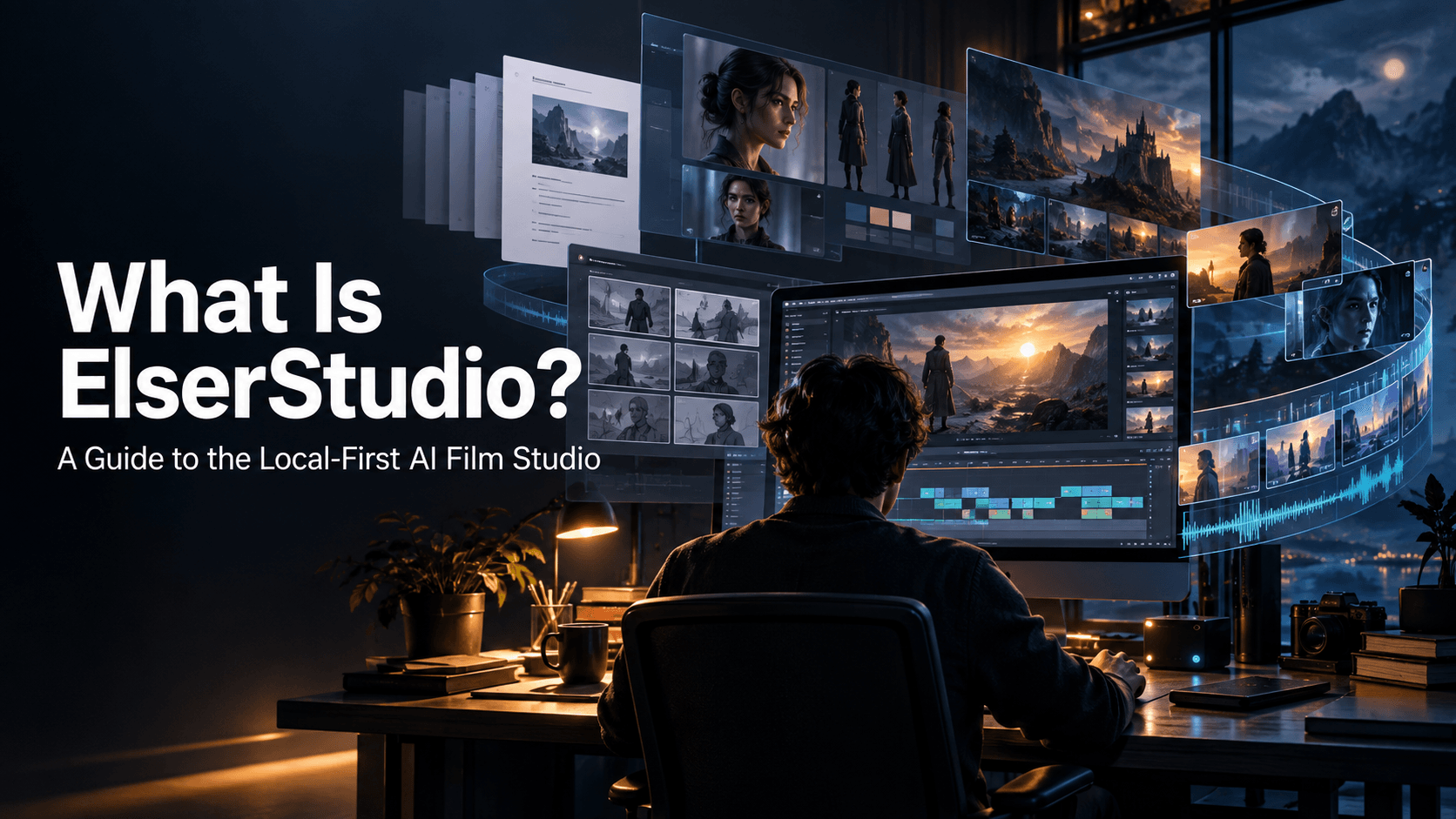
ElserStudio is built around that larger project. It lets you bring a story into a desktop canvas, organize scripts and episodes, maintain reusable characters and locations, generate video shots, and assemble each episode locally.
Find the episode hiding inside the chapter
One chapter does not always equal one episode. Look for a question that can be introduced, tested, and changed within a short sequence.
Imagine a rebirth story in which Lin wakes on the morning her family company will be stolen. The novel spends a chapter explaining what happened in her previous life. The first screen episode could be much simpler:
- Lin wakes and recognizes the date.
- She finds the contract that ruined her family.
- She reaches the signing room before her rival.
- The episode ends when her father announces that the contract was already signed.
The same premise survives, but the information arrives through actions and a final reversal rather than several pages of narration.
Import the source and shape the episode
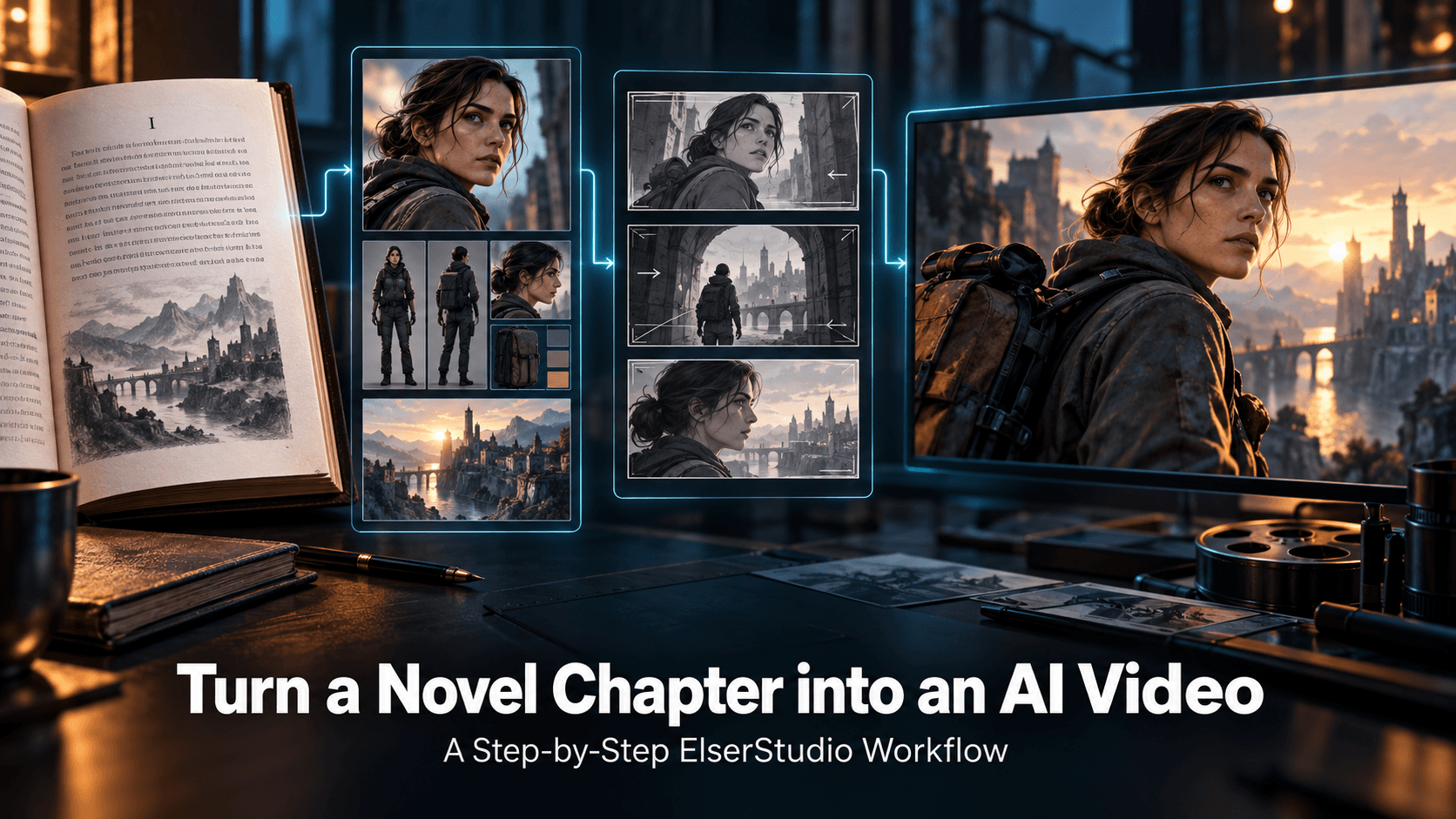
Paste the selected chapter into ElserStudio or import it as a supported document. Generate an editable script, then review the characters, locations, dialogue, and proposed shots.
Remove repeated explanation. Protect the lines that change relationships or decisions. If the audience can see that Lin recognizes the date, she may not need a long voiceover saying exactly that. If a world rule cannot be shown, keep the shortest dialogue or narration necessary to understand it.
Give the episode a clean structure:
- Hook: What feels different immediately?
- Goal: What does the lead try to change?
- Obstacle: Who or what blocks the attempt?
- Reversal: What new fact changes the plan?
- Next question: Why should the viewer continue?
Build reusable characters and locations once
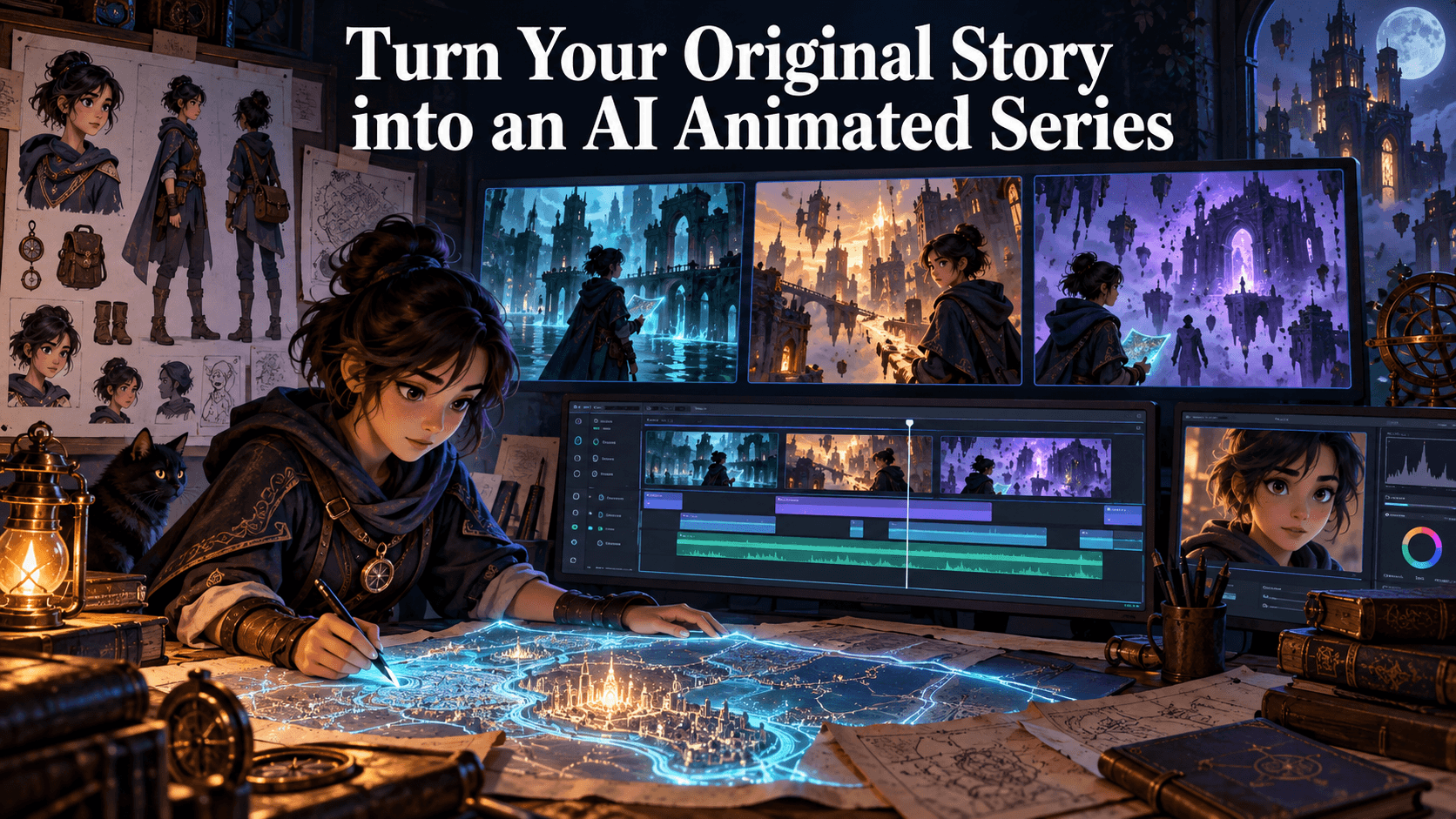
Serial production becomes difficult when each episode redesigns the cast. In ElserStudio, create a World for the project and prepare the recurring characters, locations, props, and voices.
For this story, the first World might include Lin, her father, her rival, the family home, the signing room, and the contract. Review each canonical asset before generating a full episode.
The contract matters because it carries the plot. Its color, seal, and visible state should remain recognizable. Lin’s hairstyle and outfit should make her easy to identify on a phone screen. The signing room should retain enough spatial logic that cuts feel like one location.
Later episodes can reuse those same approved assets. If Lin deliberately changes her appearance or the contract is destroyed, record that as a story change rather than letting it happen accidentally.
Turn dramatic beats into short, clear shots
Short drama does not require frantic motion in every clip. It requires clear information at the right time.
For the signing-room reversal, you could create:
- a wide shot establishing Lin arriving late;
- a medium shot as she places her copy of the contract on the table;
- an insert showing the signature already present;
- a close reaction as she realizes the plan has changed;
- a final shot revealing the rival watching from the doorway.
Attach the relevant World assets to each shot. Add the performance, camera, duration, and sound instructions. Use a guide board if the reveal depends on precise framing.
Generate a few key shots first. If Lin does not remain recognizable between the arrival and reaction, solve that before producing the rest of the episode.
Review the episode on the same canvas
ElserStudio keeps the generated video nodes near the shots and references that created them. Play each take and judge it as part of the episode, not as an isolated demo.
Does the signature read clearly? Does the rival appear too early and spoil the reveal? Is the reaction long enough? Does the dialogue belong to the correct character?
Retry only what needs work. Once the important takes pass review, connect them to a Composition node and build the episode on the local timeline.
Design for vertical and mobile viewing early
If the target platform is vertical, choose the aspect ratio before generation. Keep important faces and props large enough to read on a phone. Leave safe space for subtitles and interface overlays. A wide, detailed location may look beautiful on a desktop but become confusing at mobile size.
Watch the first five seconds on a phone. The hook should be understandable without reading a paragraph of context. Then watch the ending: the final beat should change the story, not simply stop the video.
Prove the pilot before building the season
Finish one short episode or even one complete scene. Record which character references worked, which shot types caused drift, how many attempts were required, and how long the edit took.
That information becomes your real production plan. You can reuse the World, duplicate reliable patterns, and improve the next episode without starting over.
Have a web novel or licensed story ready to adapt? Download ElserStudio and build the first episode on your local production canvas.
FAQ
Is one web-novel chapter the same as one short-drama episode?
Not necessarily. Build episodes around dramatic questions and reversals. One chapter may become several episodes, or several chapters may combine into one.
Can ElserStudio reuse the same cast in many episodes?
Yes. Characters, locations, props, and voices can live as reusable World assets and connect to multiple scripts and shots. Review every output for consistency.
Should I create a whole season at once?
No. Finish a pilot first. It will reveal problems with style, identity, shot complexity, pacing, and cost before they multiply.
Can I make comic-drama-style content instead of realistic video?
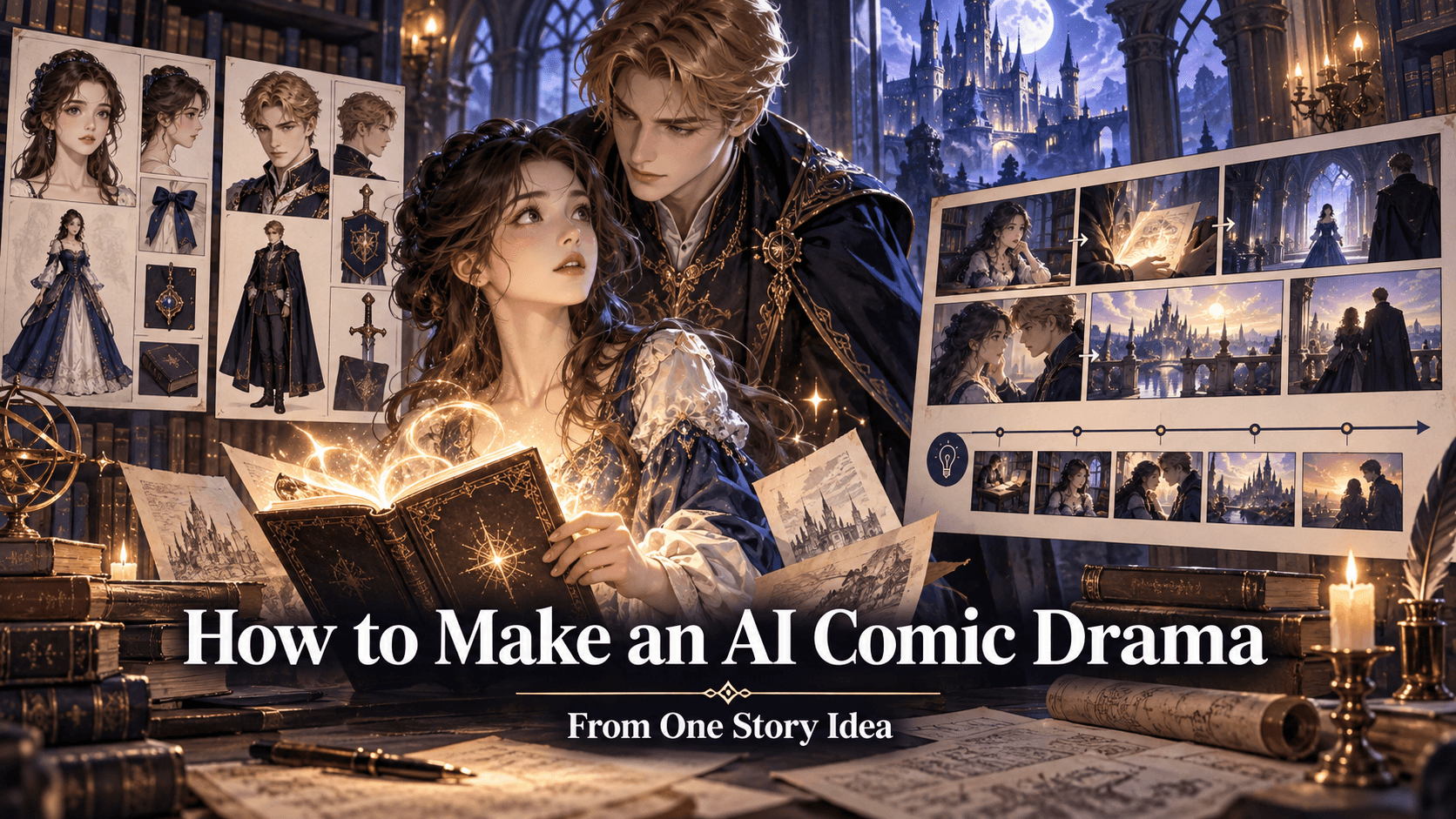
Yes. Your approved references, prompts, provider, and visual rules can define an illustrated, animated, or more realistic approach.
Does local-first mean generation is free or offline?
No. The project workspace and editing are local-first, while AI generation uses the provider you configure and may incur provider or platform costs.
Conclusion
The best web-novel adaptation keeps the original hook while rebuilding it for the screen. ElserStudio helps you turn that work into a repeatable local production: one story, one World, connected shots, visible takes, and an editable episode. Make the pilot work first; then let the same world carry the series forward.