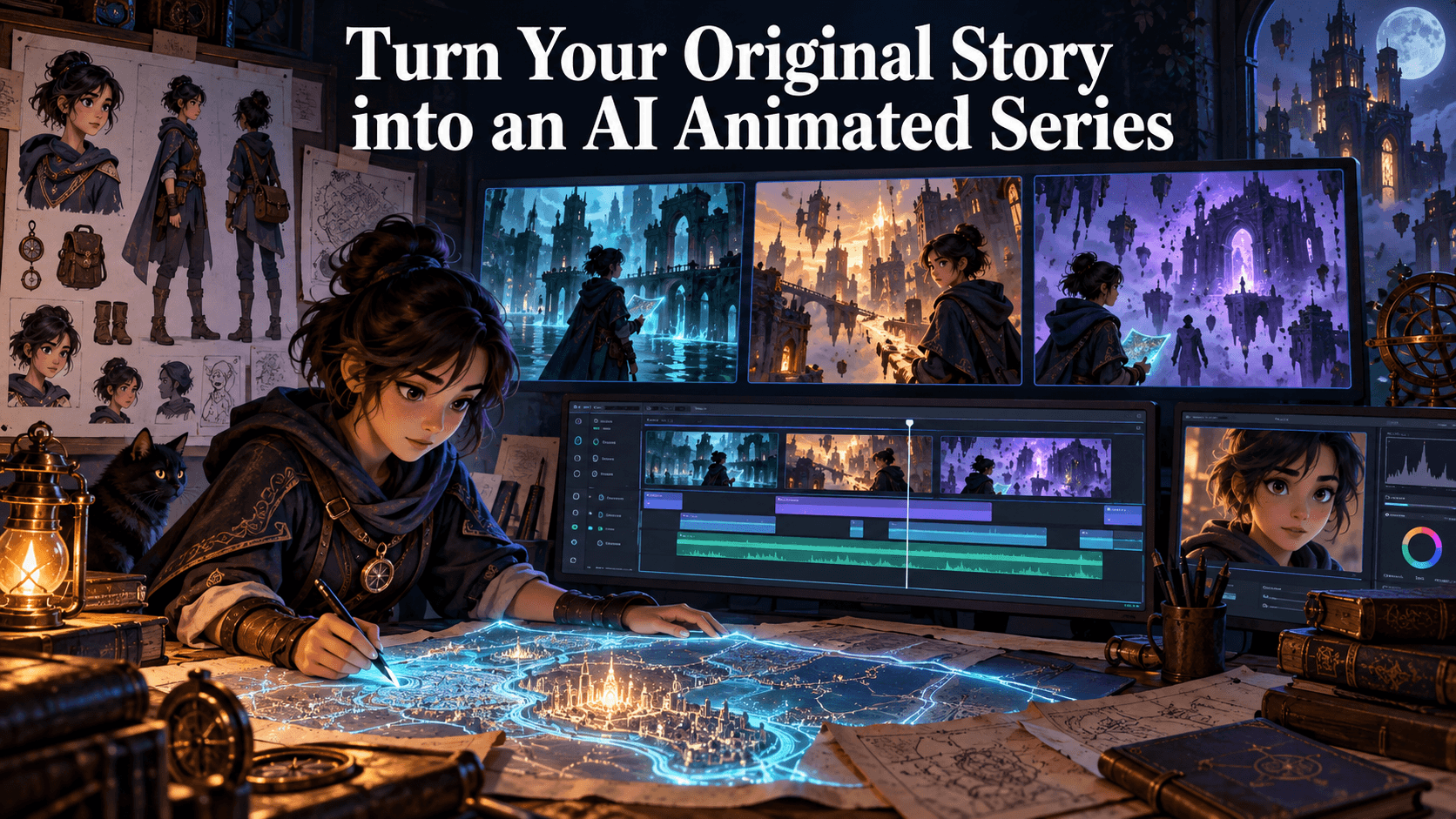
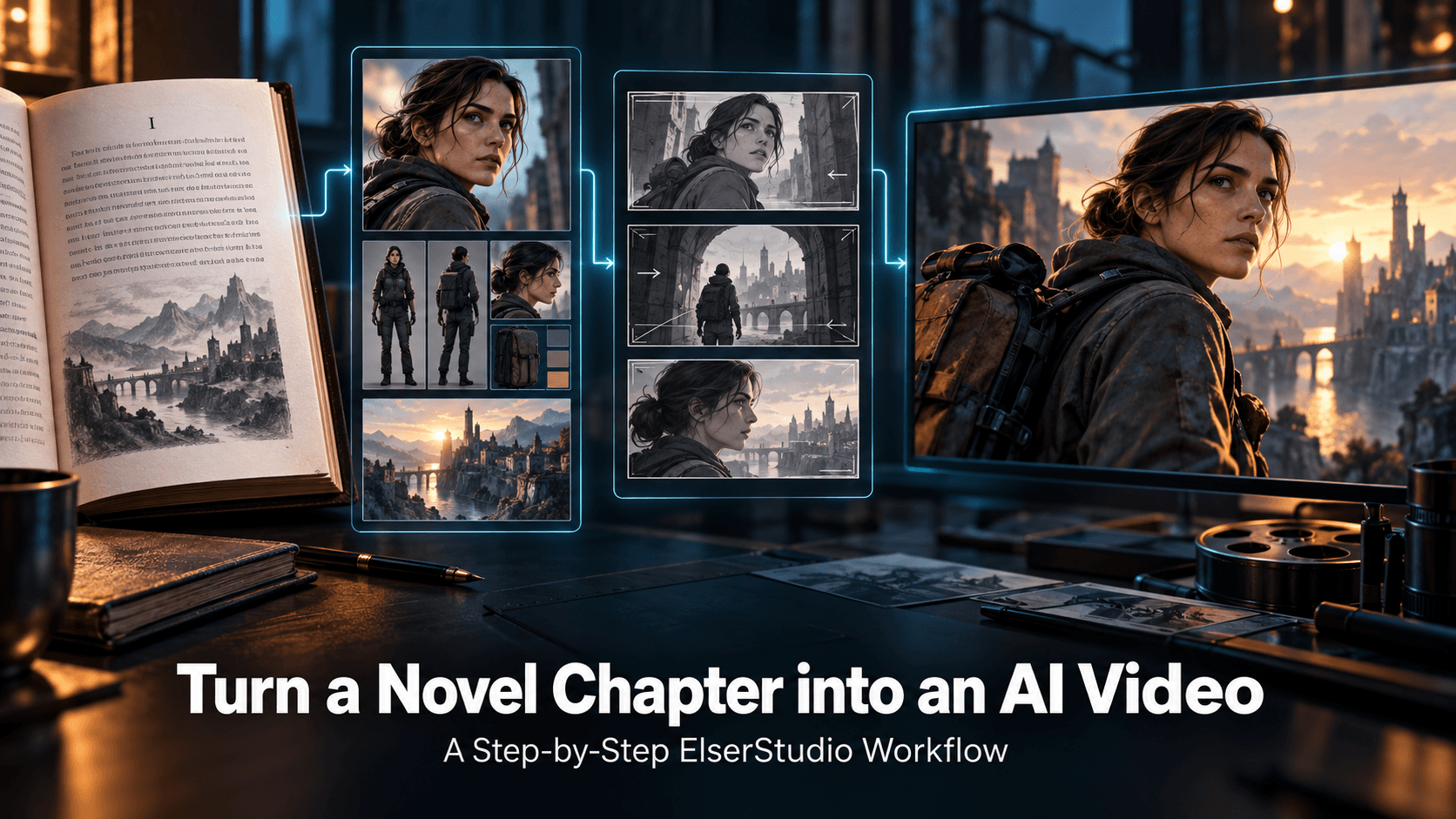
What Is Character Consistency in AI Video?
Character consistency in AI video means keeping the same character visually recognizable across frames, shots, scenes, and videos.
A consistent character keeps the same face, hairstyle, outfit, body proportions, color palette, accessories, art style, and overall identity. The character can move, react, speak, change expression, or appear in different locations, but the viewer should still recognize them as the same person or character.
This sounds simple, but it is one of the hardest problems in AI video generation.
A creator might generate a beautiful anime character in one shot. In the next shot, the face becomes slightly different. The eye shape changes. The outfit shifts. The hairstyle becomes longer. The character looks older. The art style moves from clean anime to semi-realistic 3D. By the third or fourth shot, the original character is gone.
That is character inconsistency.
For one-off clips, this may not matter much. But for anime episodes, YouTube Shorts series, virtual influencers, product mascots, comic-to-video stories, music videos, dialogue scenes, and brand characters, consistency is essential. Viewers need to trust that they are watching the same character.
What Does Character Consistency Include?
Character consistency includes more than the face.
The face is important, but a character’s identity is made from several visual anchors:
face shape
eye shape
eye color
nose and mouth design
hairstyle
hair length
outfit
body proportions
accessories
colors
silhouette
art style
expression style
posture
personality cues
For example, an anime character might be recognized by short silver hair, green eyes, round glasses, an oversized orange hoodie, black shorts, a small tool bag, compact body proportions, and an energetic expression. If the hoodie changes to armor or the glasses disappear, the character may no longer feel like the same person.
For a mascot, the head shape, colors, logo placement, and body shape may matter more than facial details. For a realistic virtual presenter, facial structure, age, hairstyle, skin tone, and clothing may matter most.
A good AI video workflow defines these identity anchors before generation.
Why AI Video Characters Change
AI video characters change because each generation involves interpretation.
When you give an AI model a prompt, the model does not “remember” your character the way a human artist does unless you provide strong references and consistent instructions. It reconstructs the scene based on the prompt, visual input, motion, style, and context.
If your prompt changes slightly between scenes, the model may reinterpret the character. For example:
“young anime girl with red hair”
“brave heroine with crimson hair”
“beautiful fantasy girl with red hair”
These may sound similar, but they can lead to different faces, outfits, and styles.
Motion also causes drift. A front-facing portrait is easier to preserve than a running action shot, full body turn, complex hand movement, or talking close-up. The more the model has to invent, the more likely the character is to change.
Lighting and style can also affect identity. A character under soft daylight may look different under harsh neon shadows. A prompt that adds “cinematic realism” may push the character away from anime style. A prompt that adds “more detailed” may alter facial design.
Why Character Consistency Matters
Character consistency matters because storytelling depends on recognition.
In a comic, anime series, or short film, viewers follow characters emotionally. If the protagonist changes appearance every few seconds, the story becomes confusing. Viewers may not consciously identify every change, but they feel instability.
In marketing, consistency matters for brand recognition. A mascot or virtual spokesperson should look the same across ads. If the character changes too much, the brand loses continuity.
In YouTube Shorts or TikTok series, recurring characters help audiences remember the channel. A stable character becomes part of the content identity.
In AI music videos, consistent characters can create emotional connection. In educational videos, a recurring teaching character can make lessons feel familiar. In product videos, a character presenting the product must remain recognizable and trustworthy.
Consistency turns random clips into a series.
How to Improve Character Consistency
The first step is to create a strong reference image. The character should be clear, well-lit, and visually readable. A front or three-quarter view is usually better than an extreme angle. The face, hairstyle, outfit, and body shape should be visible.
The second step is to write a character identity block. This is a reusable description of the character that appears in every prompt.
Example:
“Use the same anime inventor from the reference image. Preserve her exact short silver hair, green eyes, round glasses, oversized orange hoodie, black shorts, tool bag, compact body proportions, expressive face, warm color palette, and clean cel-shaded anime style. Do not change her face, outfit, hairstyle, age, body shape, accessories, or art style.”
The third step is to control motion. Start with simple animation: blinking, breathing, slight head turn, soft smile, or slow camera push-in. Once the character stays stable, try more complex actions.
The fourth step is to reuse style and lighting language. If every shot uses a different style, character identity may drift.
The fifth step is to review every output. Compare the generated clip to the original reference. If the character no longer looks the same, fix it before building more scenes.
Character Consistency Prompt Template
Use this prompt structure:
“Use the same character from the reference image. Preserve the exact character identity: [face, eyes, hairstyle, outfit, body proportions, accessories, colors, and style]. In this shot, the character [specific action]. Camera: [movement]. Lighting: [style]. Keep the character recognizable across the entire clip. Do not change [protected details].”
Example:
“Use the same anime inventor from the reference image. Preserve the exact character identity: short silver hair, green eyes, round glasses, oversized orange hoodie, black shorts, small tool bag, compact body proportions, expressive anime face, warm color palette, and clean cel-shaded anime style. In this shot, she proudly presents a tiny robot on a workshop table. Camera: medium shot with slow push-in. Lighting: warm desk lamp from the left, soft shadows, cozy workshop mood. Keep the character recognizable across the entire clip. Do not change her face, outfit, hairstyle, age, body shape, accessories, or art style.”
This kind of prompt gives the AI a stable identity target.
Character Consistency in Image-to-Video
Image-to-video is often better for character consistency because the AI starts from a visual reference. Instead of asking the model to invent the character from text, you give it the character image.
However, even image-to-video can drift if the motion is too complex. A still image may not contain enough information for a full body turn, fast running, dancing, or complex dialogue. Start with simple motion.
Prompt example:
“Animate the source image with subtle controlled motion. The character slowly turns toward the camera and blinks. Preserve the exact face, hairstyle, outfit, body proportions, color palette, and anime style. No face morphing, no outfit changes, no body warping, no style drift.”
This is safer than asking for a full action sequence immediately.
How Elser AI Helps with Character Consistency
Elser AI helps creators build AI videos from visual references and controlled prompts. If you want a recurring character, you can create or upload the character first, then generate multiple video scenes around that same visual identity.
This is useful for:
anime Shorts
AI character series
comic-to-video scenes
music videos
product mascots
virtual presenters
educational characters
multi-character dialogue videos
A practical workflow is:
Create or upload the character reference.
Write a fixed identity block.
Generate a simple close-up test.
Generate a walking or reaction shot.
Compare consistency.
Refine the prompt.
Build longer scenes only after the character is stable.
If you are serious about character-based AI video, register on Elser AI and begin with a character consistency test. Do not start with a full story. Start with three shots: close-up, medium shot, and reaction. If the character stays recognizable, you have a strong foundation.
Final Thoughts
Character consistency in AI video means preserving the same character identity across frames, clips, and scenes. It includes face, hair, outfit, body shape, colors, accessories, style, and personality cues.
AI characters often change because prompts are vague, references are weak, motion is too complex, or style language shifts between scenes. The fix is to use strong references, stable identity blocks, controlled motion, consistent style, and careful review.
If you want to create AI videos with recurring characters, start with Elser AI. Register, create or upload your character, and generate simple motion tests before building full scenes. Character consistency is what turns AI video from random clips into real visual storytelling.