What Is Elser AI? A Complete Platform Guide for Story and Animation Creators
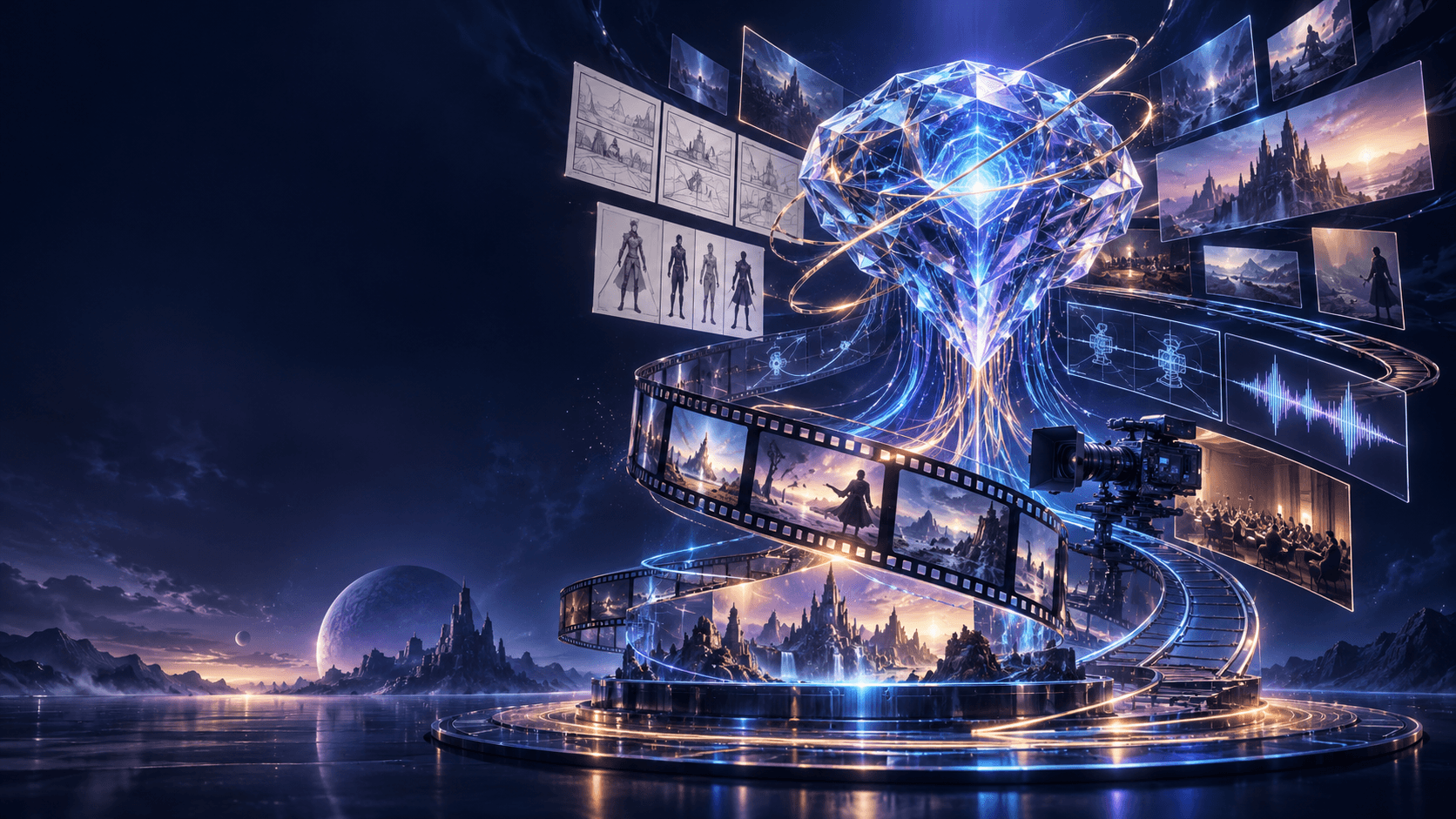
Elser AI is a browser-based creative platform built around story-driven image, character, storyboard, audio, and video workflows. The useful way to understand it is not as a button that “makes an anime,” but as a connected production desk: an idea can become a script, the script can become scenes, scenes can receive characters and visual direction, and approved shots can move toward an edit. The current movie workflow supports starting from a sentence or an uploaded script, editing segmented scenes, setting style and shot choices, configuring characters, choosing an automated or more controlled storyboard path, and refining the result before export.
That scope matters because most failed AI video projects do not fail at generation. They fail between generations: the protagonist changes, a scene has no visual purpose, voice timing fights the edit, or a creator spends credits before approving a storyboard. This guide explains what is documented, where human direction remains essential, and how to decide whether the platform fits your work.
The Short Answer: What Elser AI Does
Elser AI brings several stages of visual storytelling into one environment. Its current public movie page describes an idea-or-script entry point, an editable script, configurable aspect ratio, model, voiceover, shot duration and style, character settings, three storyboard modes, and an online edit-and-export stage.
- Story development: expand a premise or preserve an existing script.
- Character work: establish reusable cast assets and revise designs.
- Previsualization: translate scenes into storyboard decisions.
- Generation: create images or moving shots according to the selected workflow.
- Post-production: refine scenes, transitions, voices and supporting sound.
These are connected capabilities, not evidence that every project becomes finished without intervention. A creator still approves the script, checks continuity, rejects weak shots, controls pacing, and confirms usage terms.
A Workflow Map from Concept to Final Cut
Think in gates. Each gate reduces uncertainty before the next, more expensive decision.
Gate 1: Narrative clarity
State the audience, length, protagonist, goal, obstacle and final change. If the premise cannot survive two sentences, generation will not rescue it.
Gate 2: Visual continuity
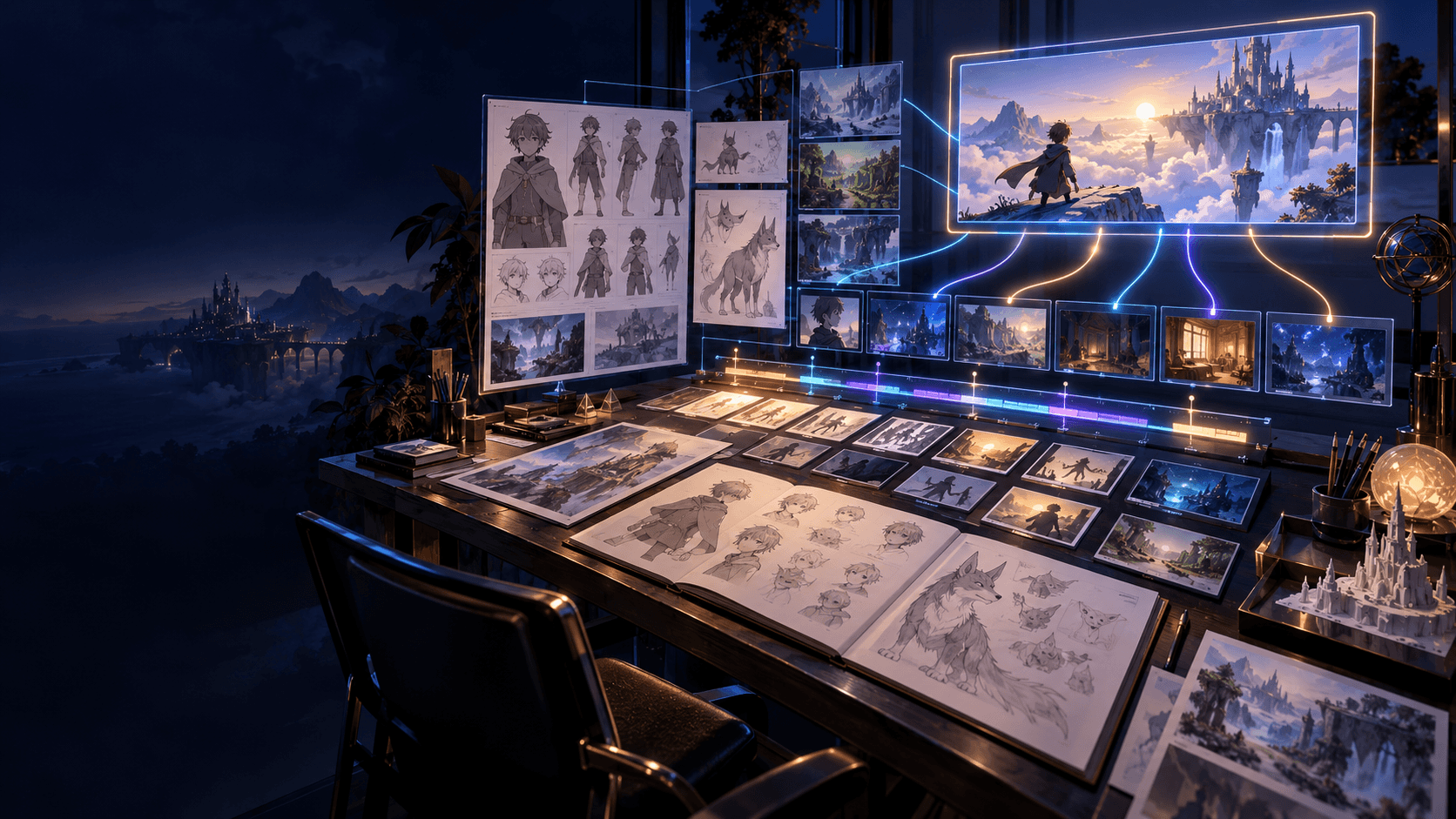
Approve the character silhouette, palette, outfit, key prop and location rules. Store a concise identity description beside the reference image.
Gate 3: Shot logic
For every storyboard panel, record framing, action, emotional beat, approximate duration and required reference. Delete panels that repeat information.
Gate 4: Motion and sound
Animate approved frames, then build voices, ambience, effects and music around the actual cut rather than an imagined runtime.
Try it in your own project: Open a test project with one character and one location before evaluating the full platform. Elser AI gives you a practical place to register and test the smallest viable version.
Who Benefits Most—and Who May Need More
Elser AI is a practical fit for solo storytellers, social-video teams, webcomic creators testing motion, indie game teams building cutscene concepts, and marketers prototyping narrative creative. It lowers coordination cost when one person must move between writing, character design, previsualization and video.
It is not a replacement for every specialist tool. A production requiring frame-by-frame animation, advanced compositing, color-managed finishing, bespoke rigging, or collaborative version control may still finish in professional desktop software. The platform can remain useful for concept development and shot generation without being the only tool in the pipeline.
What “Character Consistency” Should Mean in Practice
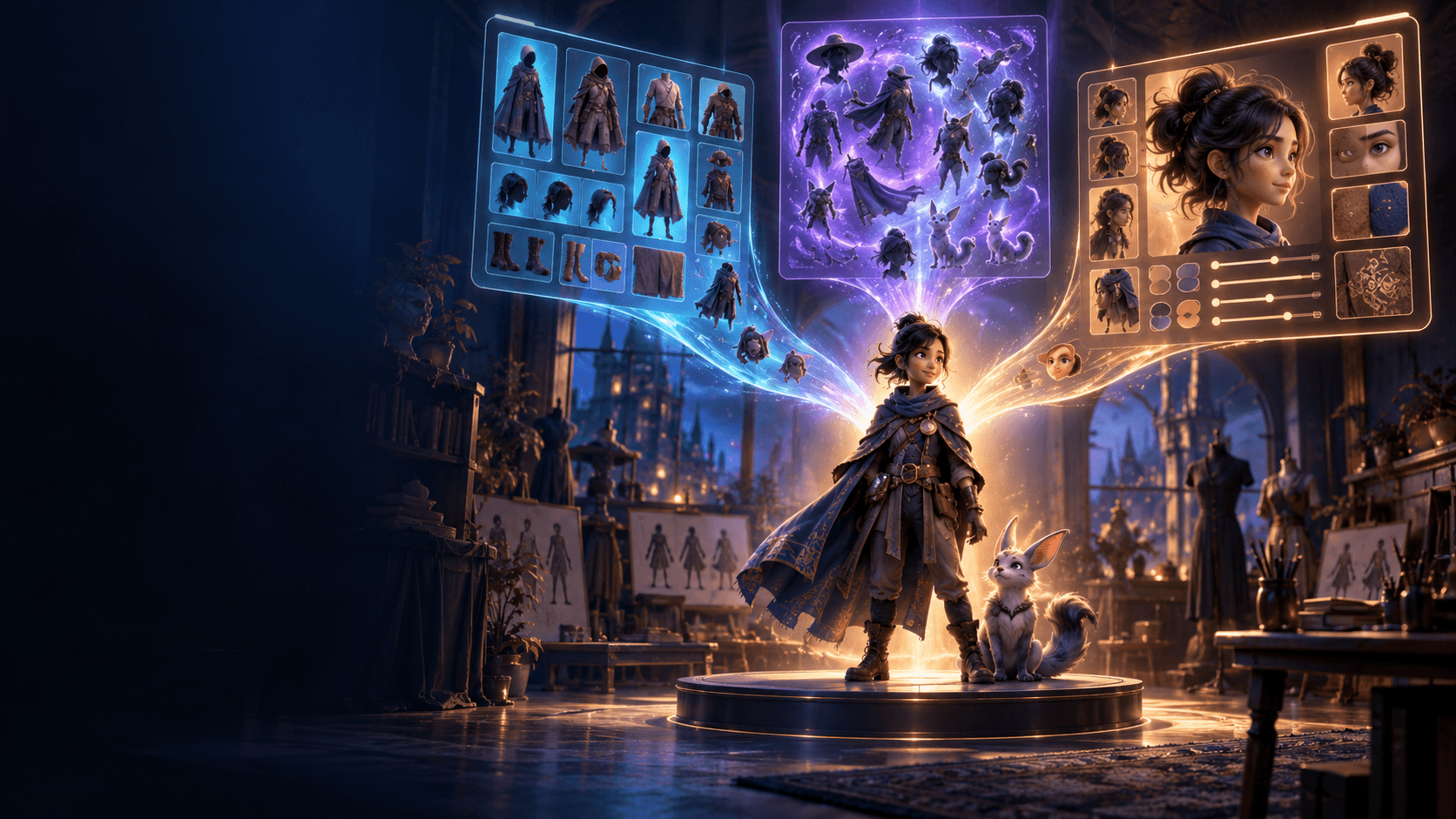
Consistency is not a mystical lock. It is a review discipline across identity, wardrobe, scale, voice, behavior and scene state. Reusing a saved character asset helps, but the creator should still compare every shot with an approved reference.
- Identity: face shape, hairline, eye color, age cues and distinctive marks.
- Costume: garment layers, closures, footwear and accessories.
- Performance: posture, expression range, gesture and speaking rhythm.
- Continuity: which hand holds the prop, whether clothing is wet, and where damage appears.
Use a character sheet and a shot-state ledger. If a scene introduces a new outfit, approve it as a named variant instead of silently changing the base design.
Try it in your own project: Use the storyboard path as a decision checkpoint, not merely a preview. Create an account on Elser AI, run the test, and keep only the assets that pass your review.
How to Evaluate Elser AI Without Wasting a Budget
Run a deliberately small benchmark: a 20–30 second scene, one character, one location, three to five shots and one spoken line. Record the prompt, settings, generation count, usable seconds and corrections. Review narrative clarity, identity stability, motion plausibility, audio fit and time spent.
Do not choose a plan from headline generation counts alone. The current pricing page explains that consumption varies by model, duration and resolution, while availability and throughput can be dynamic. Estimate cost from your own representative shot, then add a revision allowance.
A Sensible First Project
Create a character receiving a mysterious message in a quiet train station. The scene needs an establishing shot, message insert, reaction close-up and exit. It tests text handling, identity, camera variety, emotion and continuity without crowds or combat.
- Write a 60-word script.
- Approve one full-body and one close-up reference.
- Storyboard four shots before motion.
- Animate only approved frames.
- Add station ambience, one notification sound and one short voice line.
- Export, watch without sound, then listen without picture.
The two-pass review reveals whether the edit communicates visually and whether sound is doing narrative work rather than hiding weak images.
Try it in your own project: Compare a manual scene with an automated version and keep the workflow that gives you the right control. You can take this checkpoint into Elser AI and compare the result with the brief before moving forward.
Trust, Rights and Responsible Use
Use only material you created, licensed, or have permission to transform. Do not imitate a living artist deceptively, clone a voice without consent, or present synthetic evidence as real. Keep source files, prompt logs and release records for collaborators.
For commercial work, confirm the current terms and the rights attached to your plan and any third-party model used. “Generated in one platform” does not remove obligations around trademarks, publicity rights, music, reference footage or client approvals.
Define Success for platform evaluation
Before another generation, write three pass conditions for a representative story project. Include one story condition, one continuity or technical condition, and one delivery condition. This converts taste into a reviewable decision. A result can be attractive and still fail if a creator deciding whether the workflow fits cannot understand its purpose. Record the reason for rejection so the next attempt answers evidence rather than mood.
Run a Small Representative Test
Choose the shot or asset that contains the normal difficulty of platform evaluation—not the easiest beauty frame and not the impossible climax. Keep references, format and acceptance criteria fixed. Change one variable, then compare at normal playback size. The test is finished when it produces an approve, revise, redesign or cut decision, not when it produces the largest gallery.
Frequently Asked Questions
Is Elser AI only for anime?
No. The movie page highlights anime but also lists cinematic, cartoon, superhero-comic and other visual directions. Judge suitability with a style test.
Can I start with a finished script?
Yes. The current workflow provides a path for following an existing script as well as expanding a short idea. Review the scene split before generating.
Does it make a whole film automatically?
It can automate more of the pipeline, but a publishable film still needs human selection, continuity review, rights checks and editing.
Do I need drawing skills?
Drawing helps but is not required for the documented workflow. Visual literacy—knowing why a shot works—is more important than manual draftsmanship.
Is there a free plan?
The current pricing page lists a limited free tier. Exact access and generation costs can change, so check the live page.
Conclusion
Elser AI is best understood as a connected story-production workspace, not a magic final-cut button. Its advantage is the continuity of decisions from premise to character, storyboard, generation and edit. Start small, approve each gate, measure real usable output, and expand only after the workflow earns your confidence.