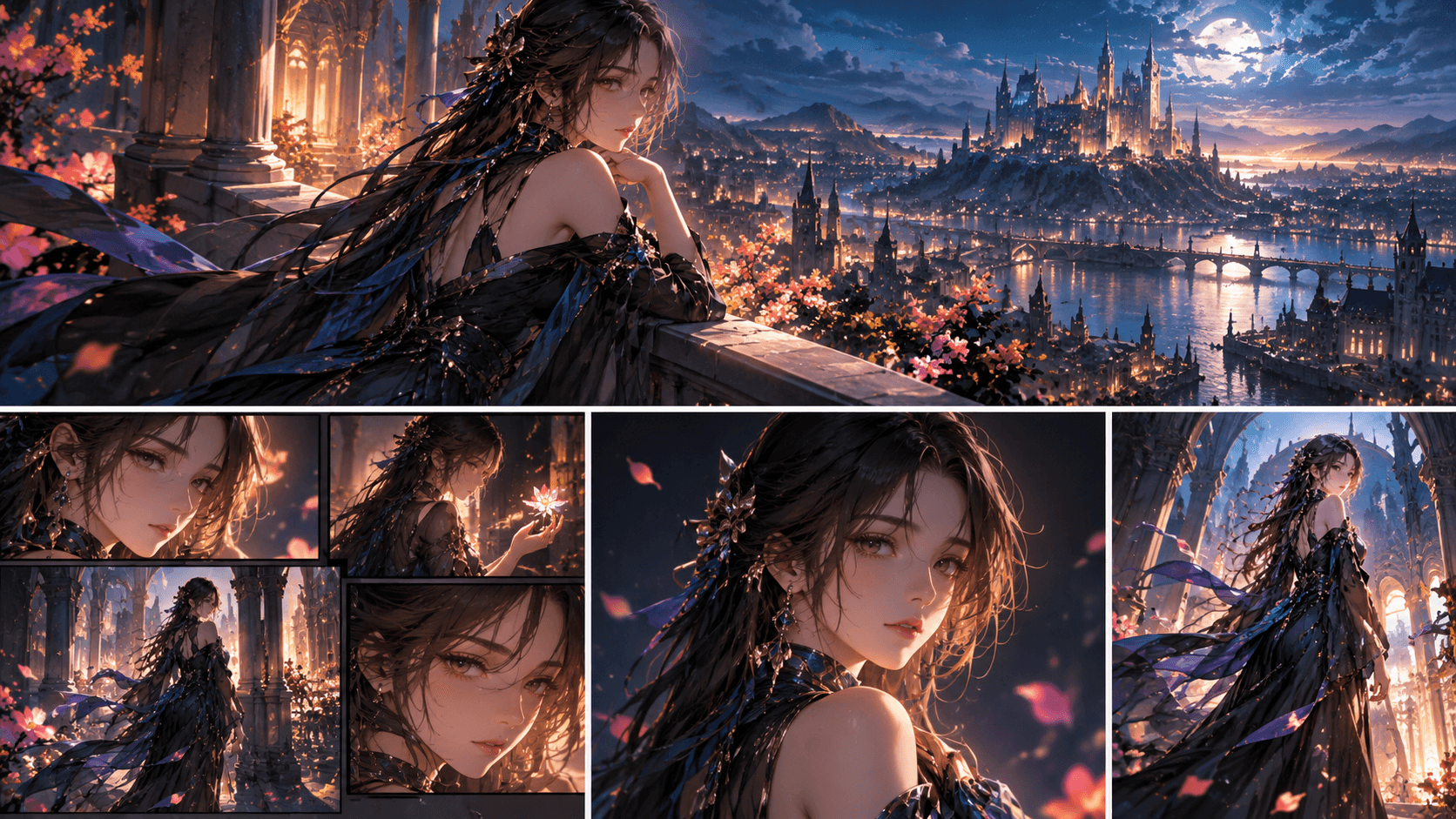
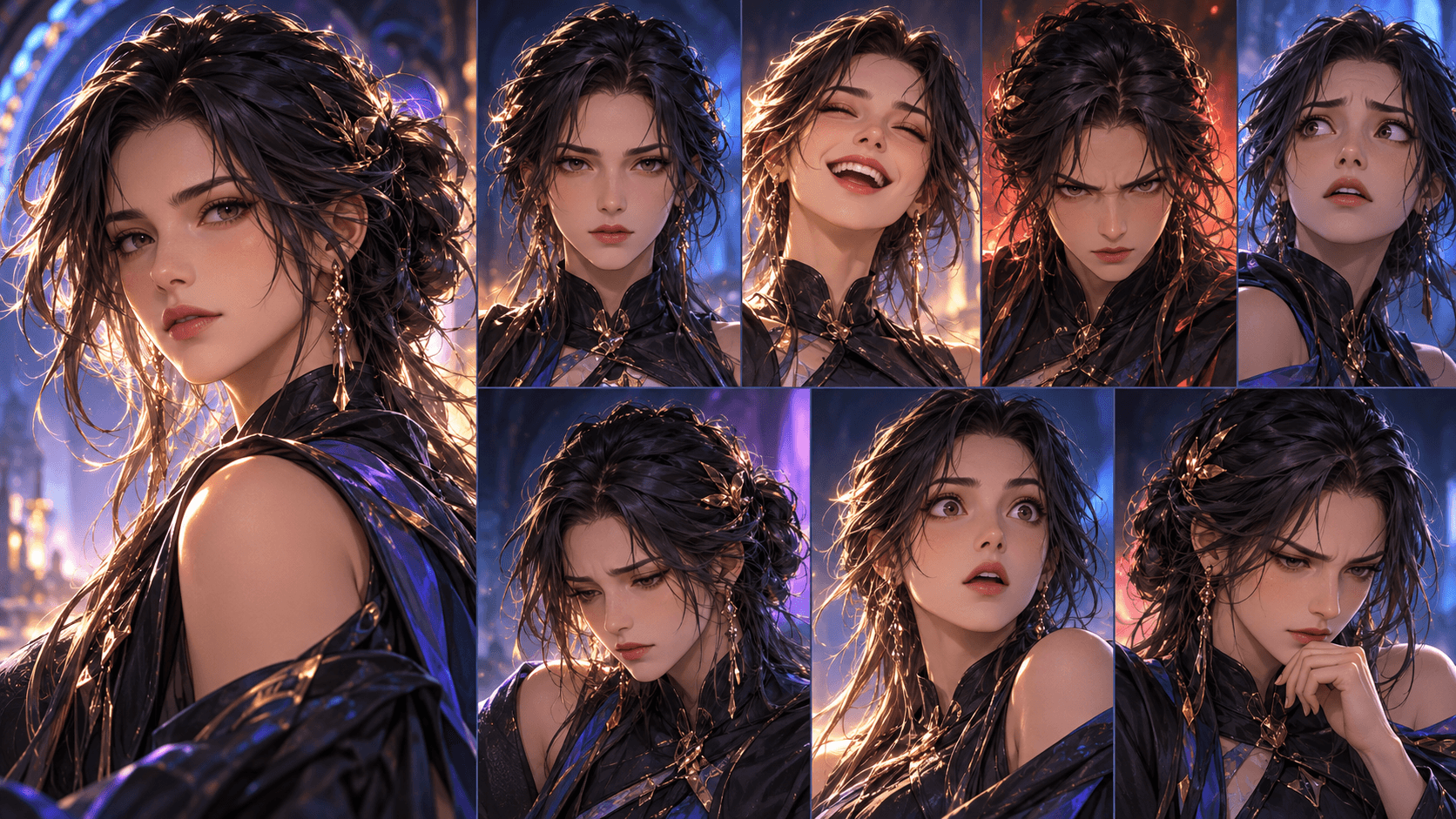
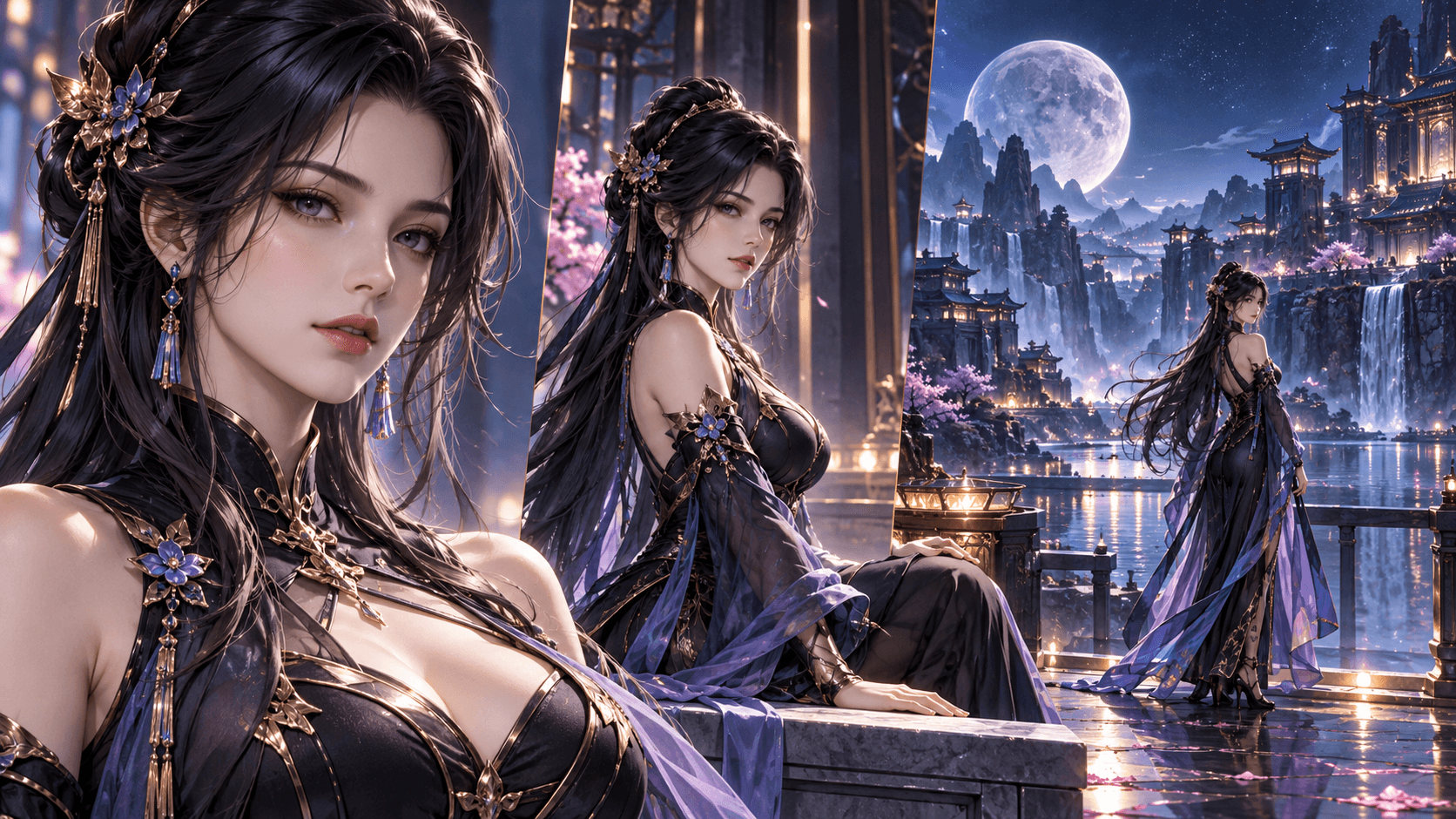
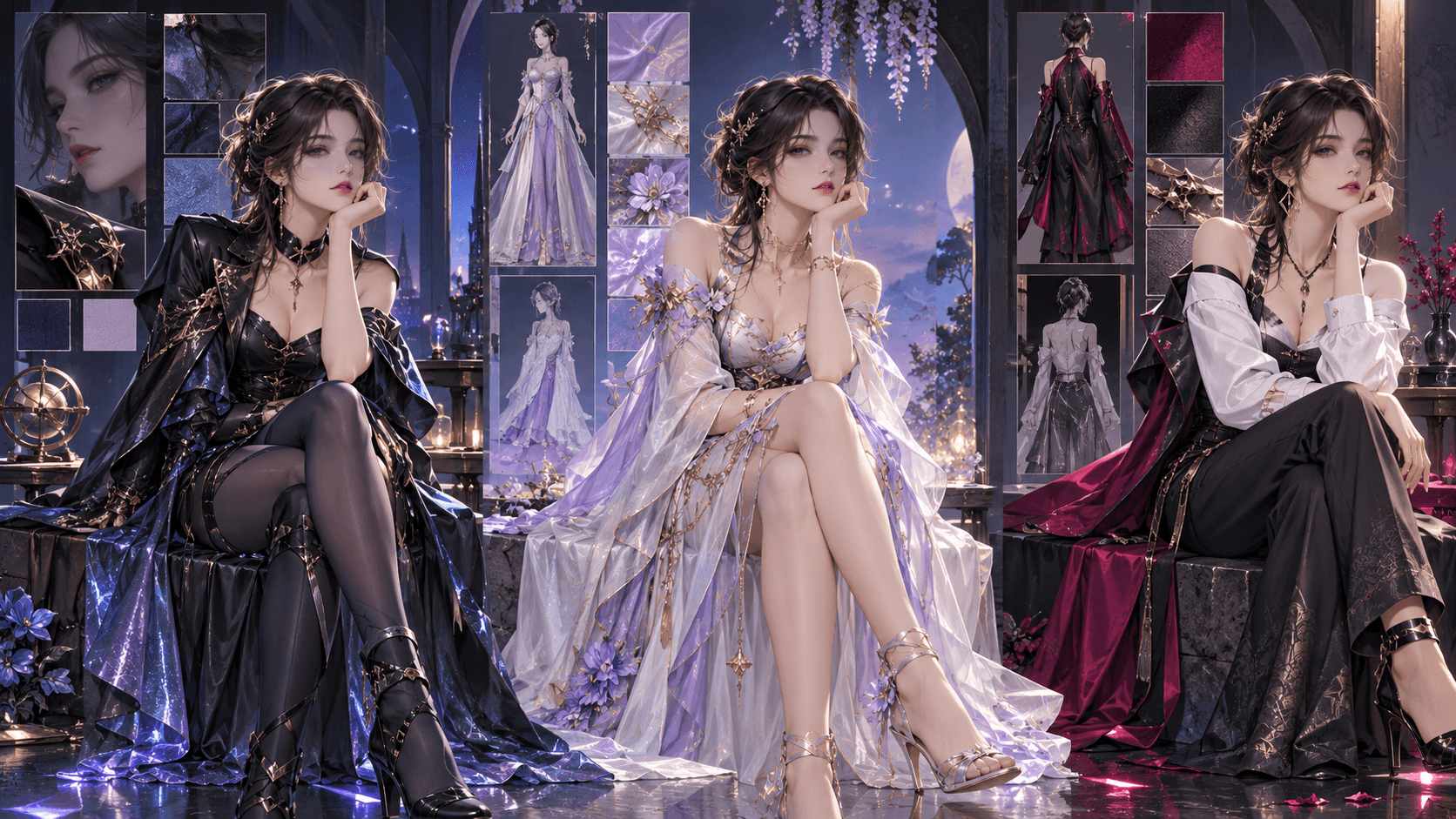
Best AI Tools for Character Creation in 2026: We Tested 15+ OC Makers (Honest Review)
I have a confession that might get me canceled in certain corners of the internet: I‘ve spent over $2,000 on AI subscriptions this year. Not because I‘m rich (I‘m not), but because I run a character design accountability group, and my members demand real-world testing. If I recommend a tool, I need to know it inside and out.
So when someone asks me for the best AI tools for character creation in 2026, I don‘t just glance at a few screenshots. I put them through a brutal, 12-criteria stress test over two months. Today, I‘m sharing the full results — the winners, the losers, and the surprising underdogs.
The Testing Methodology
I evaluated each tool on:
1. Character consistency (can it keep the same face across 50 generations?)
2. Fandom accuracy (does it understand anime vs. western cartoon vs. realistic?)
3. Output resolution (4K ready? Printable?)
4. Ease of use (can a beginner get good results in 10 minutes?)
5. Cost per image (subscription vs. credits)
6. Expression range (can it do subtle sad vs. cartoonish rage?)
7. Turnaround/back view (hardest test for AI)
8. Editing flexibility (inpainting, outpainting, sliders)
9. Export options (PSD layers? Transparent PNG? Vector?)
10. Community/templates (how many presets for specific fandoms?)
11. Speed (seconds per generation)
12. NSFW filtering (does it over-censor?)
I tested with a standard reference prompt across all tools: “Create a young adult female anime-style OC with green eyes, freckles, a scar on her left cheek, messy purple hair in a ponytail, wearing a worn leather jacket and combat boots. She should look tired but defiant.”
Then I generated the same character in:
- A happy expression
- A crying expression
- A running pose (side view)
- A back view
- A chibi variant
- A fantasy armor variant
Let‘s get into the rankings.
Tier 1: The Elite (Best AI Tools for Character Creation)
1. Elser AI (Overall Winner)
Score: 9.6/10
Elser AI isn‘t the flashiest tool, but it‘s the smartest. The character locking feature (which uses a proprietary embedding method) is leagues ahead of everyone else. In my test, after locking the initial portrait, all subsequent generations — including the back view and the crying expression — maintained the same cheek scar placement, eye color, and hair texture.
The fandom-specific templates are a game-changer. Instead of wrestling with prompts to get a Chainsaw Man OC Maker aesthetic, you just select the template and the model automatically biases toward the right line weights, color palettes, and proportions. I tested the One Piece OC Maker template and it correctly elongated the limbs (Oda‘s style) without me typing “extreme proportions.”
The narrative AI is a bonus I didn‘t expect to love. It generated a usable backstory in 15 seconds — not just generic fluff, but a backstory that integrated the visual scar (it suggested she got it protecting a younger sibling, which became the core of her motivation).
Cons: The interface is slightly overwhelming for absolute beginners (too many sliders). The free tier is limited to 30 generations per month.
Best for: Serious OC creators, comic artists, VTubers, and anyone who needs consistency across many images.
2. Leonardo AI (with Character Reference)
Score: 8.9/10
Leonardo has improved massively in 2026. Their “Character Reference” feature now uses a similar (though slightly less accurate) embedding system. In my test, the face stayed consistent about 85% of the time — the scar sometimes migrated from the left cheek to the right in side profiles, but the overall vibe was preserved.
Leonardo‘s real strength is its real-time canvas. You can sketch a rough pose, and it fills in the details instantly. For iterative design, it‘s faster than Elser.
Cons: Fandom-specific styles require extensive prompt engineering. There‘s no Pokemon OC Maker template — you have to describe “Sugimori watercolor style” manually, which rarely works perfectly. Also, the pricing has gotten aggressive; you‘re looking at $30/month for decent limits.
Best for: Artists who want to blend AI with their own sketching.
Tier 2: The Specialists (Best for Specific Use Cases)
3. Perchance AI OC Maker
Score: 8.2/10
Perchance started as a random generator for D&D stats, but their 2026 update added a surprisingly powerful image generation layer. It‘s not as consistent as Elser, but it‘s *unpredictable in exciting ways*. I got some of the most creative, weird OCs from Perchance — things I never would have thought to prompt.
The community has built thousands of custom “generators” for specific niches. Want a Cookie Run Kingdom OC Maker that also generates their cookie ingredient? Perchance has it. Want a Total Drama OC Maker that randomizes their elimination episode? Perchance has it.
Cons: The image quality maxes out at 1024x1024 (not print-ready). Consistency is poor — you‘re using it for inspiration, not production.
Best for: Brainstorming, randomization challenges, and low-stakes TTRPG NPCs.
4. Midjourney v7 (with —cref)
Score: 7.8/10
Midjourney‘s “—cref” (character reference) flag was supposed to fix consistency, but honestly, it‘s still unreliable. In my test, the same —cref image generated three different noses across ten generations. Midjourney remains the king of atmosphere — the lighting, the composition, the “vibe” — but for actual character design where anatomy and identity matter, it‘s frustrating.
Cons: No fandom templates. No inpainting. No web interface (Discord bot is clunky). Expensive at $50/month for commercial terms.
Best for: Generating stunning single promotional images of an already-designed OC, not for designing from scratch.
5. Adobe Firefly (Character Refinement)
Score: 7.5/10
Firefly‘s integration with Photoshop is its superpower. If you already have a rough sketch or a base image, Firefly‘s generative fill can upscale and detail it beautifully. But as a from-scratch character creator? It‘s mediocre. The faces all have a slightly same-y, overly polished “Adobe aesthetic” that screams corporate illustration, not anime or comics.
Cons: The content filtering is extremely aggressive. Even mildly suggestive poses get blocked. If you‘re making a Hazbin Hotel OC Maker character (which is inherently edgy), Adobe will flag half your generations.
Best for: Professional illustrators who want AI as a detailer, not a designer.
Tier 3: The Legacy Tools (Still Useful for Specific Niches)
6. Picrew (Not AI, but relevant)
Score: 6.5/10
Picrew isn‘t AI — it‘s human-made dress-up dolls. But it‘s still the easiest way to get a quick, cute OC if you don‘t care about originality. Thousands of artists have uploaded “makers” for every fandom: Picrew OC Maker searches will find you Sonic OC Maker dress-ups, MLP OC Maker ponies, FNAF OC Maker animatronics, and more.
Cons: You‘re limited to the artist‘s specific parts. Your OC will look like everyone else‘s who used that same Picrew. No consistency across different Picrews.
Best for: Quick reference images for TTRPG tokens or forum avatars.
7. NovelAI (Anime Specialization)
Score: 7.0/10
NovelAI‘s image generator was built specifically for anime waifus, and it shows. The anatomy, the hair rendering, the eyes — all excellent. But it‘s designed for single illustrations, not character sheets. There‘s no consistency lock. If you want the same character across multiple images, you‘re manually copying prompts and praying.
Cons: Very limited to anime. No fandom templates beyond “anime.” The company has focused more on their writing AI than image AI in 2026.
Best for: Visual novel developers who need many standalone anime CGs.
The Honorable Mentions
- DALL-E 4: Amazing for photorealistic OCs, but terrible for anime or cartoons. Also, the censorship is insane (no blood, no weapons, no scars? useless for action OCs).
- Stable Diffusion 4.x (Community): Infinite potential if you‘re a technical user who can install LoRAs and extensions. But for the average person? Too complex. The Perchance AI OC Maker community has some SD-based forks that are easier.
- Krea AI: Great for real-time generation while you draw, but the consistency is poor.
The Surprising Winner for Fandom Creators
If you‘re making an OC for a specific existing universe — and let‘s be honest, most of us are — the best AI tools for character creation are the ones that deeply understand that universe‘s visual language.
That‘s why Elser‘s 50+ fandom templates are such a killer feature. I tested:
- Attack on Titan OC Maker: Correctly added Survey Corps jacket details, ODM gear proportions, and the specific cross-hatching shading of the anime.
- Genshin OC Maker: Generated a Vision that actually looked like the in-game models, not a generic glowing orb.
- Demon Slayer OC Maker: Nailed the gradient eyes and the checkerboard haori patterns.
- Fursona OC Maker: Understood digitigrade leg anatomy (most AI gives furry characters human legs — a cardinal sin).
- Transformers OC Maker: Generated clean mechanical joints and alt-mode hints without melting into a mess of metal spaghetti.
None of the other tools come close to this level of fandom literacy.
The Verdict: Which Tool Should You Actually Pay For?
- If you‘re serious about building a consistent OC for comics, VTubing, or a long-term project: Subscribe to Elser AI. The character lock alone is worth the price.
- If you‘re a digital artist who wants AI to speed up your sketching: Use Leonardo or Adobe Firefly as a supplement.
- If you‘re just messing around with friends for a one-shot D&D campaign: Use Perchance AI OC Maker for free.
- If you‘re rich and only need one stunning image: Midjourney is fine, I guess.
My 2026 Prediction
By the end of 2026, we‘ll see consolidation. The smaller, specialized tools (like Elser) will either get acquired or fade away. But right now, Elser is the only tool that feels like it was built by character creators for character creators, not by AI engineers who‘ve never written a character bio in their lives.
Enough testing. Go make something. Elser AI is offering a 7-day free trial with 200 generations — no credit card required for the first 50. Click here to start your first character today. Whether you‘re building a Sprunki OC, a BFDI OC, a DC OC, or a South Park OC — there‘s a template waiting for you.