Best AI Video Model for Storytelling in 2026: What Actually Makes a Good Storyteller?
Let me ask you something. When was the last time you watched an AI-generated video and thought, "Wow, that was a good story"?
Not "that was a cool visual." Not "that was impressive technology." An actual good story—with characters you cared about, a plot that made sense, and an emotional arc that landed.
If you're struggling to answer that, you're not alone. For years, AI video has been about generating impressive individual clips. A beautiful sunset. A dramatic slow-motion shot. A photorealistic face. But stitching those clips into a coherent narrative? That's been the holy grail.
2026 is the year storytelling finally arrived.
What Makes a Good AI Video Storyteller?
Before we dive into specific models, let's define what we're actually looking for. A good AI video model for storytelling needs:
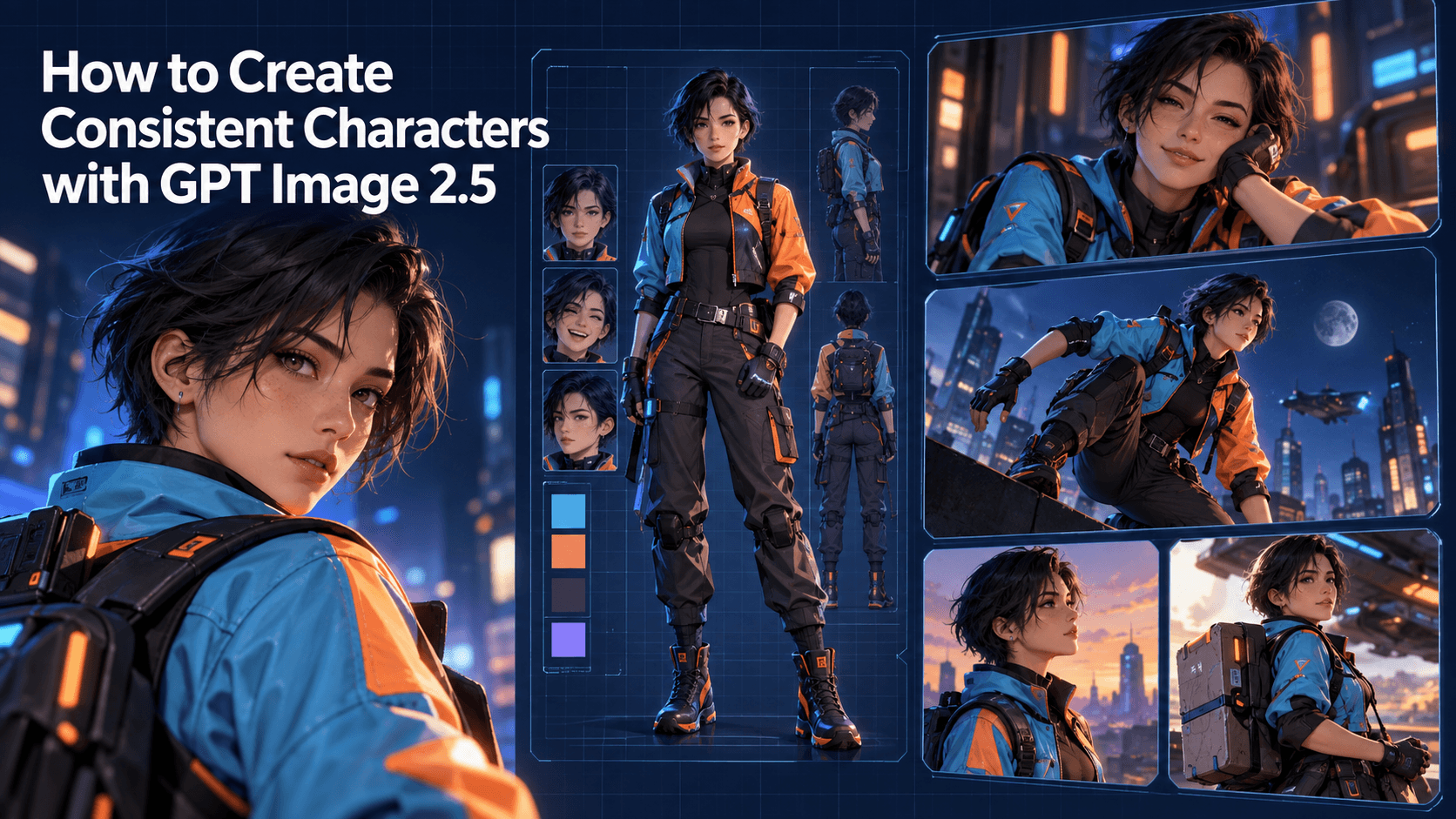
1. Character consistency — Same characters, same faces, same outfits, across every scene
2. Environmental continuity — Backgrounds, lighting, and settings that stay coherent between shots
3. Narrative logic — Understanding cause and effect, chronology, and emotional beats
4. Shot sequencing — The ability to plan and execute multi-shot sequences, not just single clips
5. Audio-visual alignment — Dialogue, sound effects, and music that actually match what's happening on screen
Most AI video models can do one or two of these well. The best can do all five.
The Contenders: Who's Actually Good at Storytelling in 2026?
Kling 3.0 Omni — The Director's Choice
Kling 3.0 Omni is arguably the most storytelling-focused model on the market right now. Kuaishou's February 2026 release emphasizes "narrative control and consistency" as core features. The multi-shot storyboard feature lets you generate up to six shots in a sequence, specifying duration, shot size, perspective, narrative content, and camera movements for each.
The model understands multi-scene, multi-shot instructions and can dynamically adjust camera angles and shots to match creative direction—from classic shot-reverse-shot dialogues to advanced cross-cutting.
What this means in practice: you can plan an entire scene—wide shot establishing the location, close-up on the character's face, reaction shot from another character—and generate it all with consistent characters, consistent environments, and consistent narrative logic.
Seedance 2.0 — The Production Workhorse
ByteDance's Seedance 2.0 (released February 2026) takes a different approach. Instead of storyboarding controls, it focuses on multimodal input depth—up to nine image references, three video references, and three audio references per prompt.
For storytelling, this is powerful because you can feed the model visual direction, movement cues, and sound references directly. You're not describing everything in words and hoping the model interprets correctly—you're showing it exactly what you want. Seedance 2.0 is less of a prompt machine and more of a controllable creative system.
The model has become the default benchmark for fast, production-friendly text-to-video and image-to-video, with strong character consistency (around 95%) and reliable outputs.
Veo 3.1 — The Cinematic Realist
Google's Veo 3.1 is built for cinematic realism. It produces photorealistic output with strong prompt adherence and stable compositions. The January 2026 update added Ingredients to Video (multi-image reference) and native 4K support.
Where Veo shines for storytelling is in its reliability. When you need clips that just work, without weird artifacts or inconsistent outputs, Veo delivers. It's less expressive than Kling or Seedance at peak output, but it's more predictable. For production workflows where you can't afford to regenerate a scene ten times, that reliability matters.
Gemini Omni Flash — The New Multimodal Kid
Google I/O 2026 introduced Gemini Omni Flash, a video-first multimodal model that can combine text, image, audio, and video inputs into a generated clip. The pitch: video becomes an editable, multimodal conversation.
What makes this interesting for storytelling is the mixed context capability. Real creative briefs aren't clean prompts—you might have a product photo, a sample video, brand copy, and an audio reference. Omni Flash is designed to handle that messiness.
So Which Is the Best AI Video Model for Storytelling?
The honest answer: it depends on what kind of storytelling you're doing.
- Kling 3.0 Omni: Best for narrative-heavy projects where you need shot-by-shot control. Episodic content, short films, music videos, trailers.
- Seedance 2.0: Best for high-volume production with consistent quality. Social media content, brand storytelling, b-roll generation.
- Veo 3.1: Best when you need reliable, cinematic-quality clips without fuss. Production workflows where predictability matters more than creative expression.
- Gemini Omni Flash: Best for experimental storytelling with mixed inputs. Early adopter territory, but promising.
The Missing Piece: A Storytelling Workflow
Here's the problem with all these models. They're great at generating pieces of a story. But they don't help you manage a story. They don't track your characters across scenes. They don't maintain environmental continuity across different models or different generation sessions. They don't give you a single place to plan, organize, and produce an entire narrative.
That's where Elser AI changes the game.
Elser AI isn't just another video generator—it's a *storytelling platform*. We provide:
- Character Management: Store reference images, track consistency across scenes
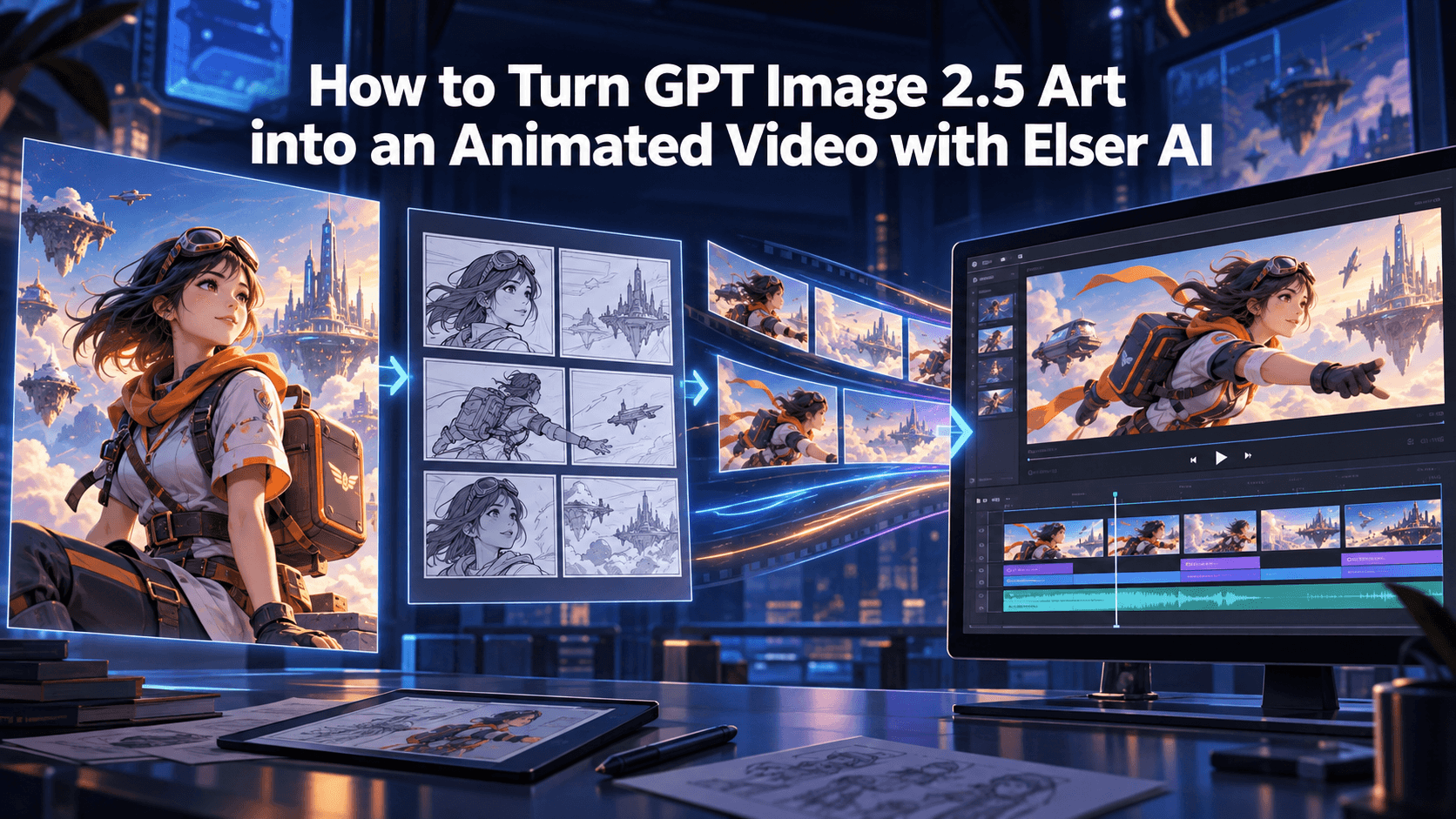
- Storyboard Planning: Plan your entire narrative before generating a single frame
- Multi-Model Integration: Use Kling, Seedance, Veo, or any other model—we handle the consistency
- Project Memory: Maintain visual coherence across your entire production
The best AI video model for storytelling is the one that fits into a complete storytelling workflow. Elser AI gives you that workflow.
Ready to tell stories that actually make sense?
Stop generating isolated clips. Start producing coherent narratives.
👉 Start your storytelling journey with Elser AI at https://www.elser.ai/. Free trial available—no commitment required.