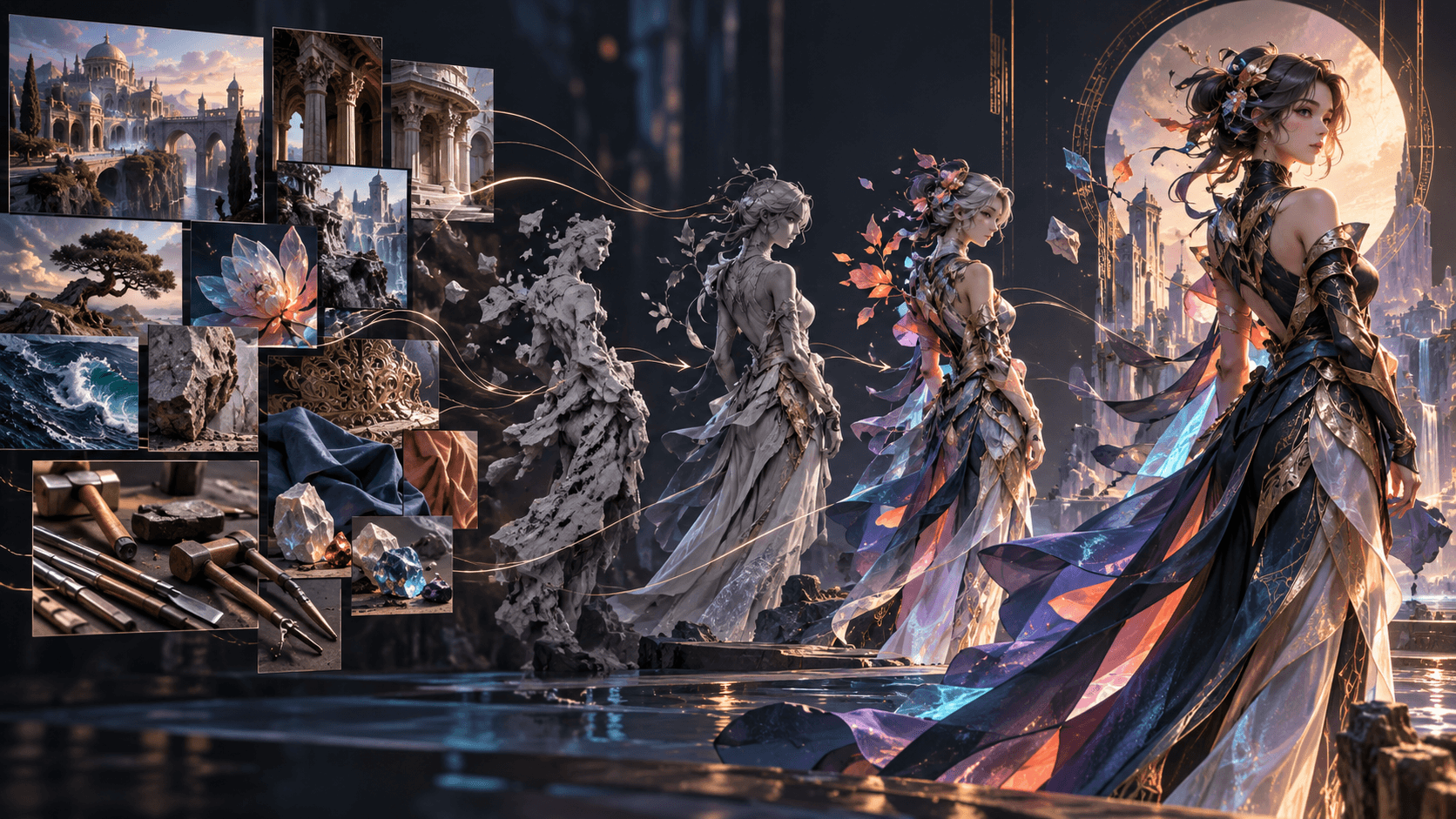
How to Design an Original Character That Stands Out in 2026 (AI-Powered Method)
Why 2026 AI Changes the Design Game
In previous years, if you couldn‘t draw, you were stuck with Picrew or hero forge — fun, but limited. You could only choose from preset options. Your “original” character looked like everyone else‘s.
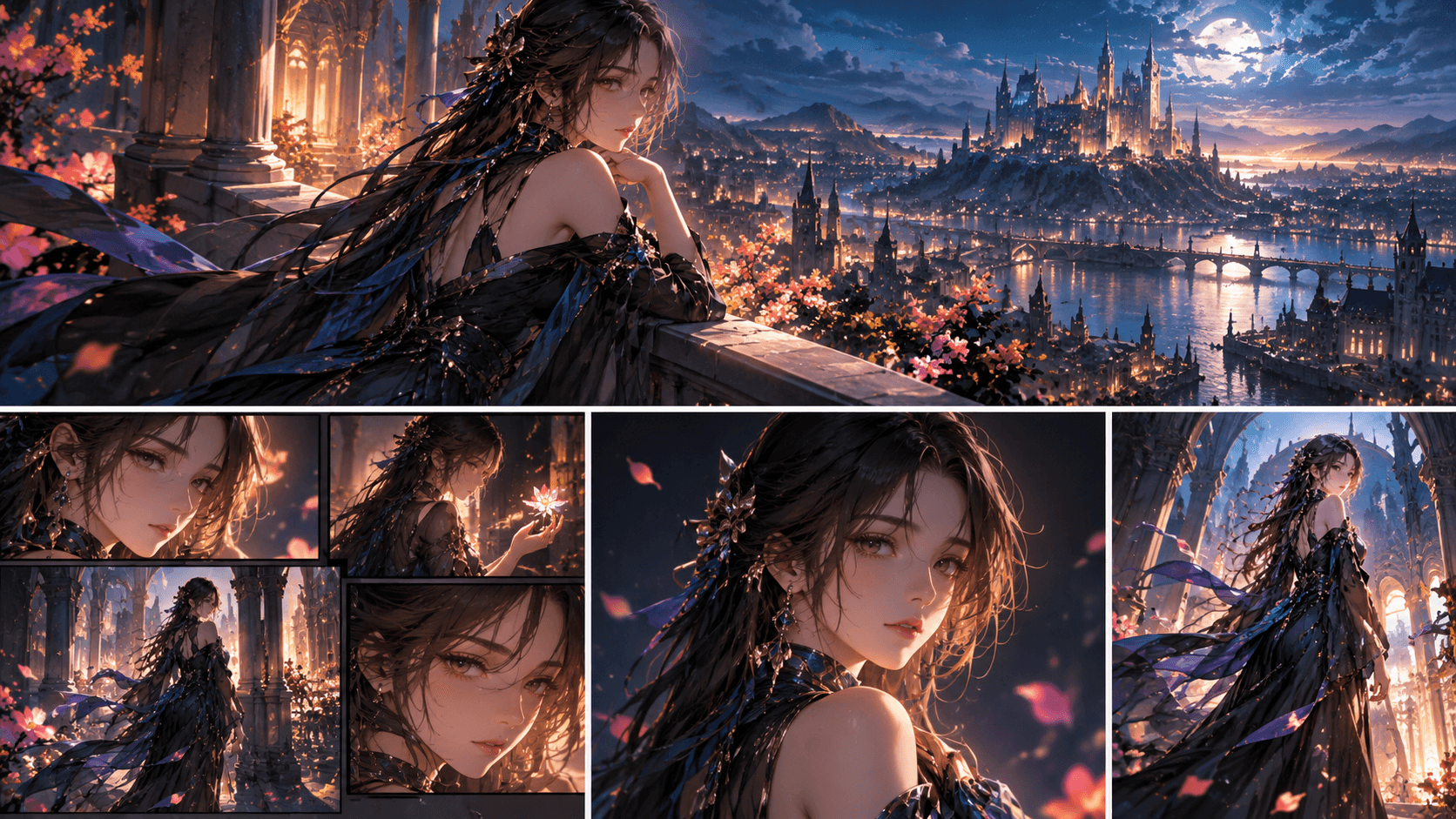
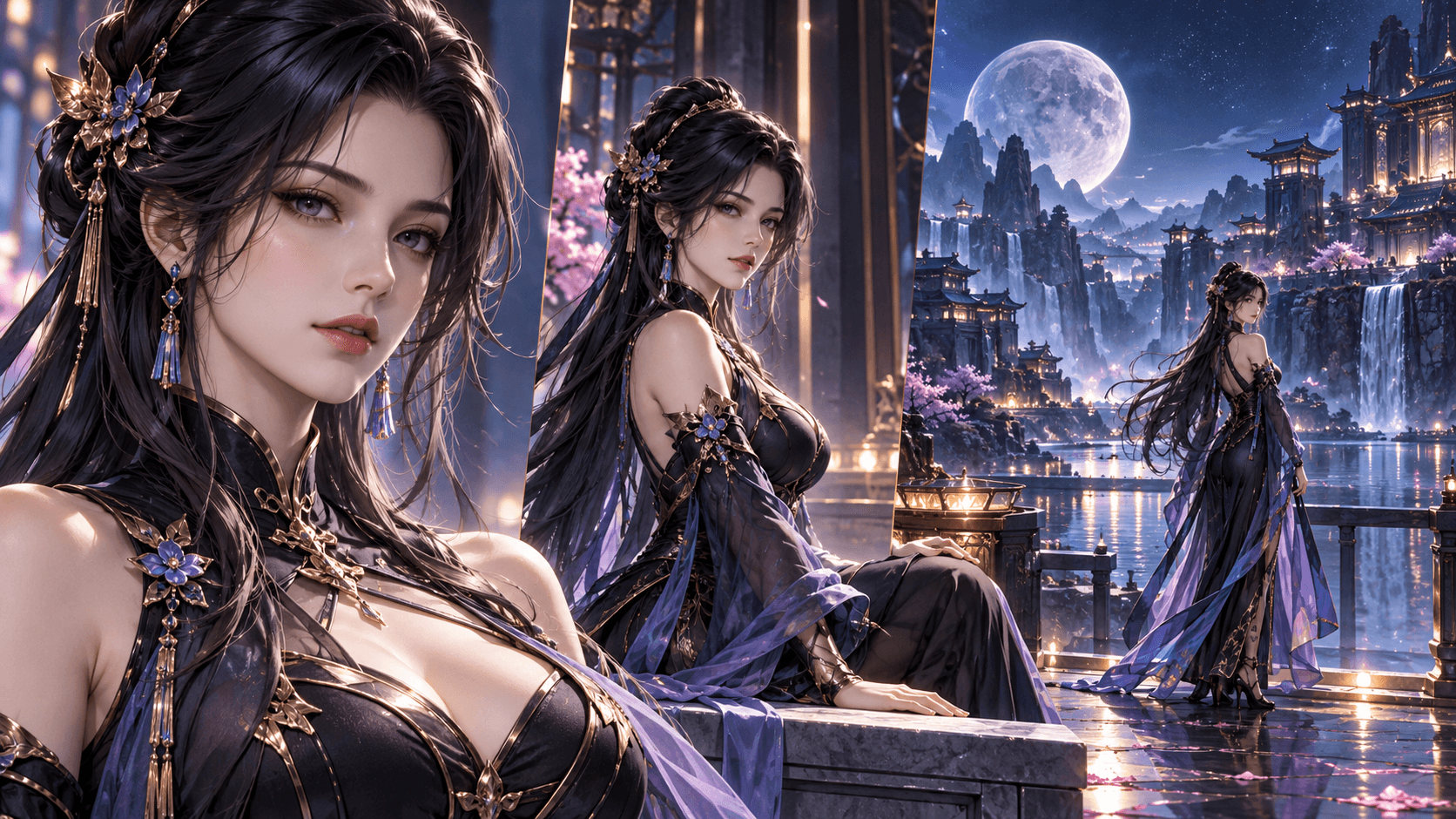
Now, AI has democratized visual design, but it‘s also created a new problem: the generic pretty face. The default outputs from most AI tools are beautiful, symmetrical, youthful, and utterly forgettable. They look like Instagram filters, not characters with history.
That‘s why learning how to design an original character with AI isn‘t about learning better prompts. It‘s about learning constraints — deliberately limiting the AI in ways that force originality.
Step 1: Start With a Silhouette, Not a Face
Here‘s a pro secret that most AI tutorials won‘t tell you: faces are the least important part of character recognition. Silhouette is everything.
Before I generate anything, I open Elser‘s pose sketch tool (available in most templates, including DnD Character Maker OC Maker and Marvel OC Maker). I draw the crudest possible stick figure — but I exaggerate one body part. Huge shoulders. Tiny waist. Massive hands. A tail that‘s longer than their legs. A neck that stretches unnaturally.
Then I let the AI render that silhouette into a full character. Because I started with an unusual silhouette, the result avoids generic anime proportions. I‘ve used this method to create:
- A Transformers OC Maker robot with one arm twice as long as the other (a crane-bot)
- A Monster High OC Maker ghoul with a perpetually hunched back (implied scoliosis from a curse)
- A Warrior Cat OC Maker feline with a missing front leg (they fight three-legged, which changes their fighting style)
Silhouette-first design forces originality because the AI can‘t fall back on its training data of “standard humanoid.”
Step 2: Weaponize the “Flaw” Slider
Elser has a subtle but powerful feature: a flaw intensity slider that affects asymmetry, skin blemishes, posture imperfections, and micro-expressions. Most users ignore it. They set it to zero because they want their OC to look “perfect.”
That‘s a mistake.
Set it to 60-80%. You‘ll get characters with slightly uneven eyes, a crooked smile, bags under their eyes, scars that don‘t look “cool” but look *real*. These imperfections are what make an OC feel like they‘ve lived.
I recently built a Vampire OC Maker character (an ancient vampire who‘s been alive for 800 years). I cranked the flaw slider to 90%. The AI gave me a vampire with a slight tremble in their hands, asymmetrical fang wear, and eyes that didn‘t quite track together. It looked like someone who‘d seen too much, not a glossy Twilight extra. Perfect.
Step 3: Design the Backwards Bio
Here‘s a counterintuitive technique I call backwards bio. Instead of writing “My OC is brave and loyal,” you write the opposite first: “What‘s the one situation where my OC would absolutely chicken out?” “Who is the one person they‘ve betrayed?” “What memory keeps them up at night?”
Once you have the negatives, the positives emerge naturally. A character who betrayed their best friend (negative) might now be pathologically loyal to make up for it (positive). But that loyalty isn‘t pure — it‘s *compensation*. That‘s depth.
I feed these backwards notes into Elser‘s narrative AI. I tell it: “Generate a backstory where the OC‘s greatest strength is actually a reaction to their greatest shame.” The results are consistently more interesting than “brave hero saves village.”
Step 4: Use Fandom Templates as Constraints, Not Crutches
The 50+ templates in Elser are tempting to use as easy buttons. “Oh, I want an anime OC, I‘ll click Anime OC Maker and be done.” But that‘s how you get generic output.
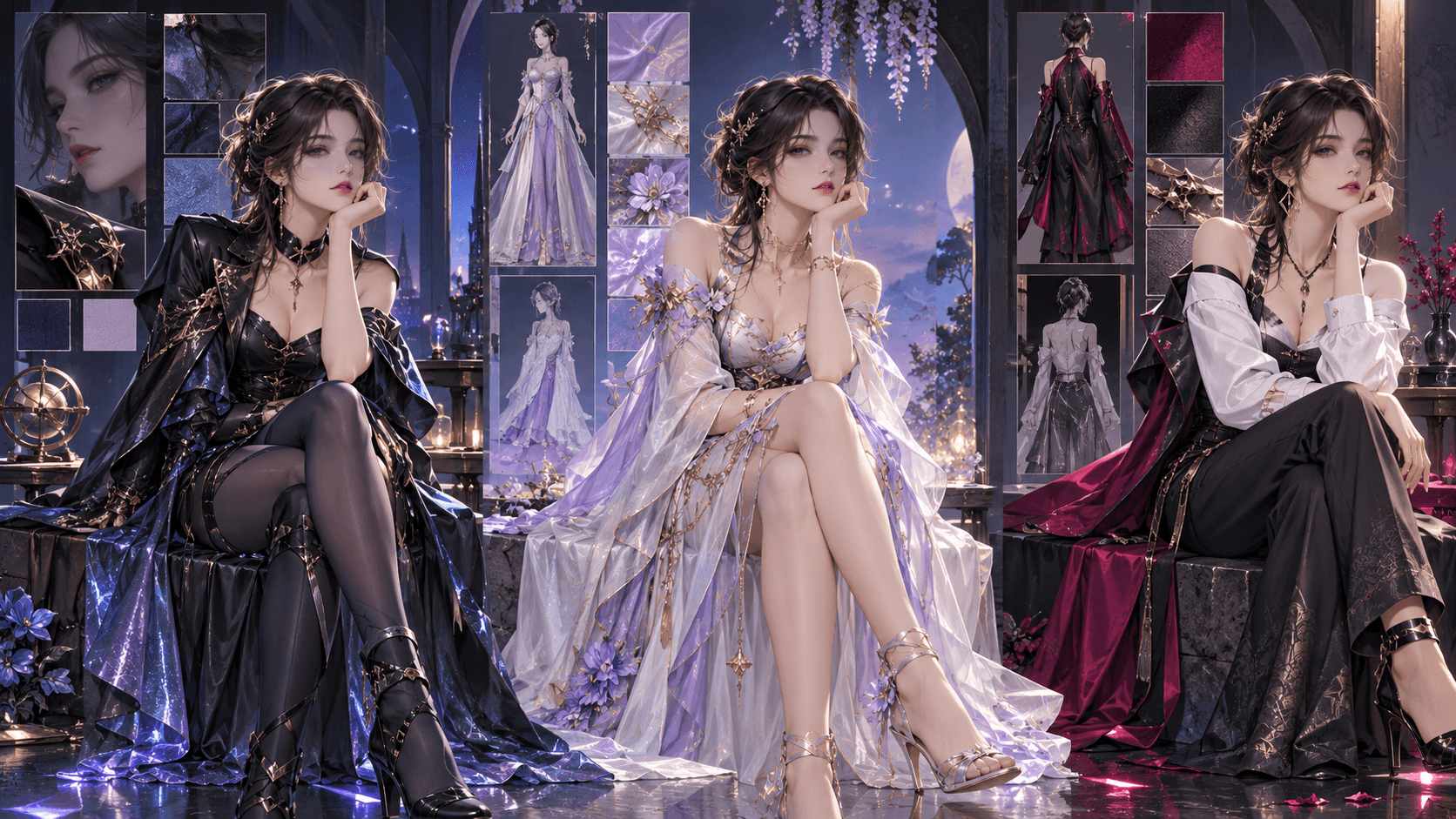
Instead, use templates as constraints to spark creativity. Pick a template that‘s slightly wrong for your idea, and let the friction generate uniqueness.
Example: I wanted a magical girl for a dark psychological story. Instead of using the generic Anime OC Maker, I used Yaelokre OC Maker (which has a folk-horror bias) and blended it with Hazbin Hotel OC Maker (cartoonish but violent). The AI had to reconcile three different visual languages — and the result was a magical girl who looked like she stepped out of a Tim Burton fever dream. Unforgettable.
Try these unexpected combinations:
- MLP OC Maker + Attack on Titan OC Maker = pastel pony with grappling hooks (weird but striking)
- Sonic OC Maker + Dark Fantasy OC = a speedster who‘s also a rotting corpse (think Sonic meets Dark Souls)
- Cookie Run Kingdom OC Maker + Helluva Boss OC Maker = a cookie demon with a sweet exterior and razor-sharp insides
Step 5: Test Your OC in Motion
A still image lies to you. A character can look amazing in a portrait but completely fall apart when you try to imagine them in action.
After I lock my design in Elser (using the character consistency feature), I run a motion test. I generate the same character in three dynamic poses:
1. Running at full speed (does the hair physics hold up?)
2. Falling (do the limbs look natural or broken?)
3. Laughing (does the face stretch in a believable way?)
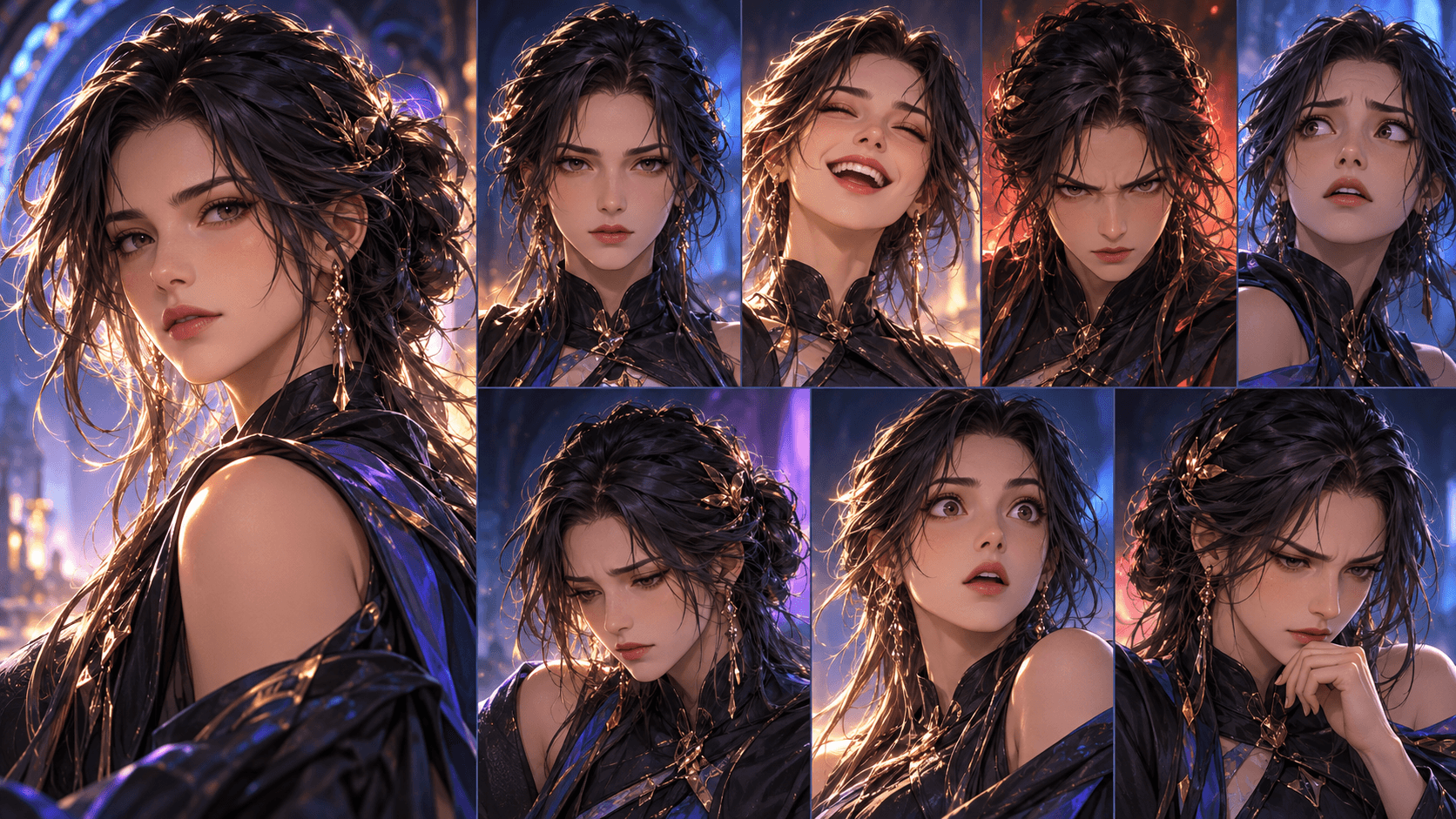
If any of these look bad, I go back and tweak. Maybe the hair was too long and clips through the body. Maybe the smile looked manic instead of joyous. Motion testing reveals design flaws that static art hides.
For VTuber projects, this is essential. I helped a friend use the VTuber OC Creator workflow to build a model for streaming. We ran a full animation test — blinking, talking, surprise, anger — and realized the character‘s eyebrows were set too high, making her look permanently surprised. We adjusted the slider, regenerated, and now she has a model that emotes correctly.
Step 6: The “Stranger Test”
Here‘s the final quality check. Show your OC (both image and bio) to someone who doesn‘t know you. Don‘t explain anything. Ask them three questions:
1. “What do you think their personality is?”
2. “What‘s one secret they might be hiding?”
3. “Would you want to read a story about them?”
If the stranger‘s answers are wildly different from your intention, you‘ve failed to communicate visually. Go back and exaggerate. Make the villain look more villainous. Make the shy character literally shrinking in posture. You need to telegraph who they are in a glance.
I did this test with a Jujutsu Kaisen OC Maker character. The stranger said, “She looks like a mean girl who bullies the protagonist.” I had intended her to be a secret ally. So I regenerated with softer eyes, a slightly open posture, and a warmer color palette — and the next stranger said, “She looks like a worried friend.” Success.
The Ethical Side of AI Character Design
A quick but important note. As AI tools become more powerful, the line between inspiration and theft gets blurry. I never feed copyrighted images of existing characters into Elser as reference. I don‘t ask the AI to “make a character that looks like Gojo but different.” That‘s how you get lawsuits and, more importantly, it‘s creatively bankrupt.
Use the fandom templates as *stylistic guides*, not as copying mechanisms. Demon Slayer OC Maker should help you understand the design language of that universe (gradient eyes, patterned fabrics, water/sun motifs), not recreate specific characters. Your OC should be unrecognizable from any canon character.
The Finished Product: A Case Study
Let me show you the process with a real example. Last month, I built an OC for a Danganronpa OC Maker project — a fan-made killing game.
Pillar 1 (Visual Distinction): I decided on a “clockwork” theme. Her left arm is a visible, ticking mechanical prosthesis with roman numerals on each finger.
Pillar 2 (Contradiction): She‘s a “Ultimate Watchmaker” who is obsessed with precision but is emotionally chaotic and impulsive.
Pillar 3 (Flaw): She cannot stand uncertainty. If she doesn‘t know the exact time, place, and outcome of an event, she has panic attacks. In a killing game (where nothing is certain), she‘s constantly on the verge of breaking.
I used the Danganronpa OC Maker template in Elser, set the flaw slider to 70%, started with a silhouette that emphasized her mechanical arm (one arm thicker than the other), and locked the design. I generated a full expression sheet (her neutral, her “calculating” look, her panic attack face, her rare genuine smile). I used the narrative AI to write her backstory — the accident that cost her her arm, the obsessive personality that developed afterward.
The result? The fan game‘s community voted her “Most Likely to Survive” and “Best Design.” She felt original because she wasn‘t just “anime girl with clock arm” — she had a psychological engine driving every visual choice.
Your Turn
Learning how to design an original character in 2026 isn‘t about mastering art software. It‘s about mastering *intent*. The AI can draw anything. But only you can decide who to draw.
Don‘t waste that power on generic tropes. Dig into the contradictions. Embrace the flaws. Test your designs in motion. And for god‘s sake, use the flaw slider.
Elser AI gives you the canvas and the brush. But you‘re still the painter. Sign up today and start designing characters that readers will remember for years, not seconds. Whether you‘re crafting a Fursona, a Bleach OC, a Naruto OC, or a Dandy‘s World OC — Elser has the templates, the consistency tools, and the narrative AI to bring your vision to life.