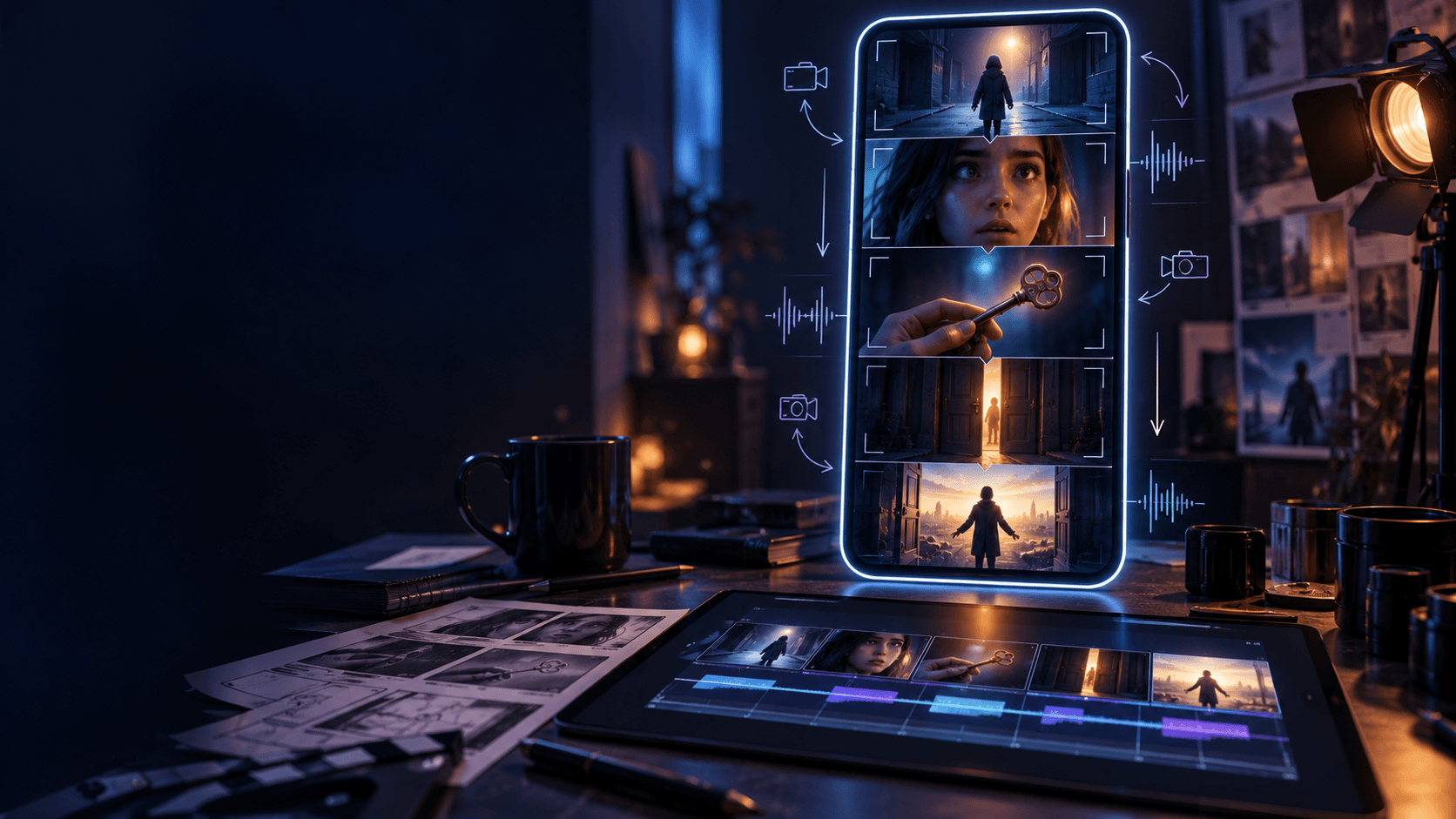
AI Anime in 2026: 5 Trends Every Creator Should Know
Just two years ago, most AI-generated anime clips were easy to recognize. Characters changed appearance between shots, motion looked unnatural, and videos rarely lasted more than a few seconds without obvious artifacts.
That landscape has changed dramatically.
Today's AI models generate smoother movement, better lighting, stronger visual consistency, and longer sequences than earlier generations. More importantly, creators are no longer using AI simply to make isolated clips—they're building recurring characters, serialized stories, educational content, advertisements, and original intellectual property.
The biggest shift isn't that AI has become better at generating animation.
It's that creators have become better at building workflows around AI.
Looking ahead, 2026 isn't likely to be defined by a single breakthrough model. Instead, it will be shaped by how different technologies work together and how creators adapt their production process.
Here are five trends that every AI anime creator should be paying attention to.
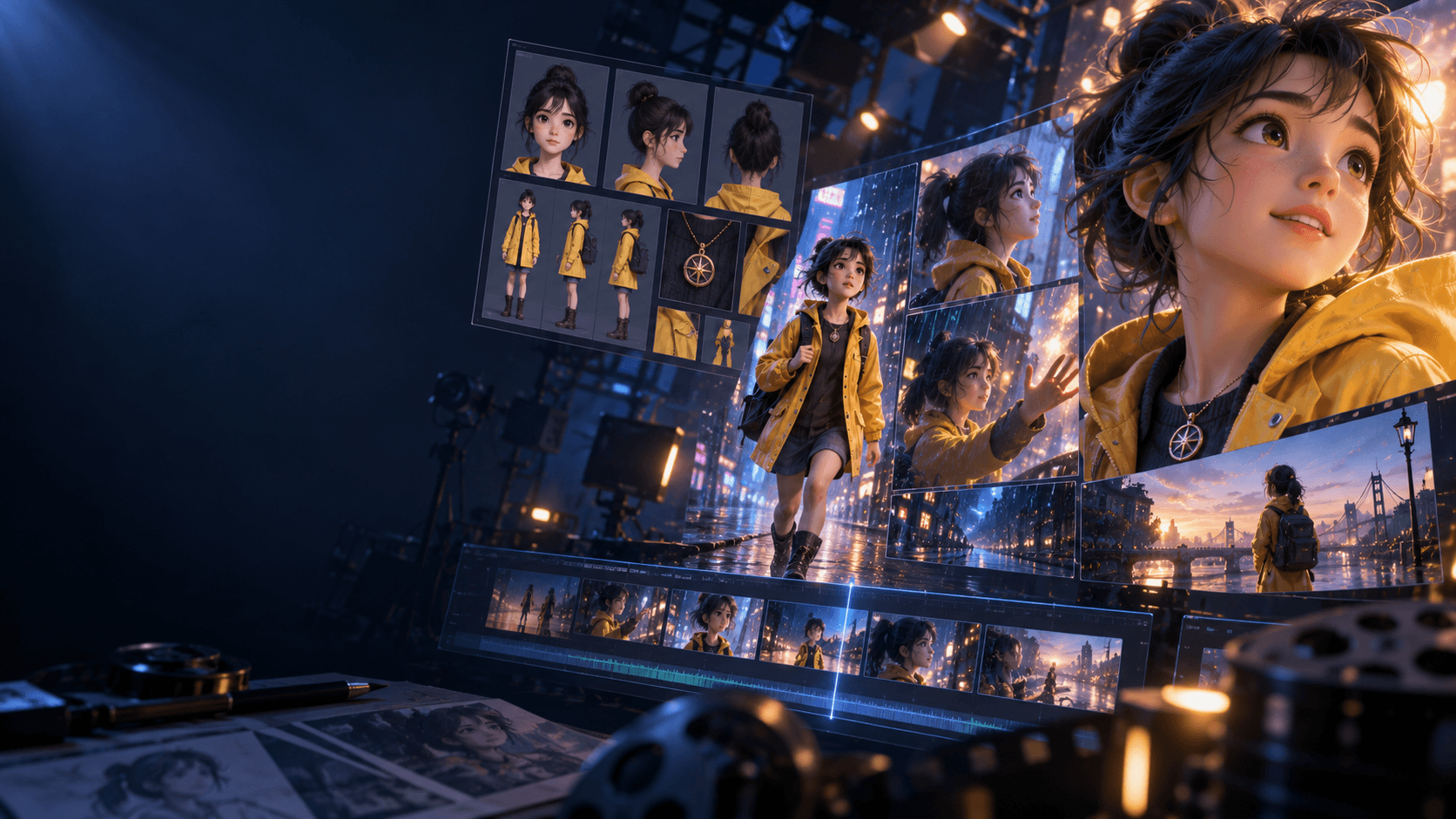
Trend 1: Character Consistency Is Becoming More Important Than Visual Quality
When AI video first became popular, creators focused on realism.
Today, audiences care more about consistency.
A beautifully rendered character means very little if that character has a different face, hairstyle, or outfit in every scene.
This is especially important for creators building series instead of standalone videos.
Recurring characters create familiarity. Familiarity creates audience attachment.
Instead of spending all their time improving visual effects, many successful creators now spend more effort building reusable character references.
That usually includes:
- Appearance
- Clothing
- Personality
- Expressions
- Voice style
- Signature poses
- Color palette
These references become part of every production rather than being recreated from scratch.
As AI models continue improving, consistency is becoming a competitive advantage instead of a technical limitation.
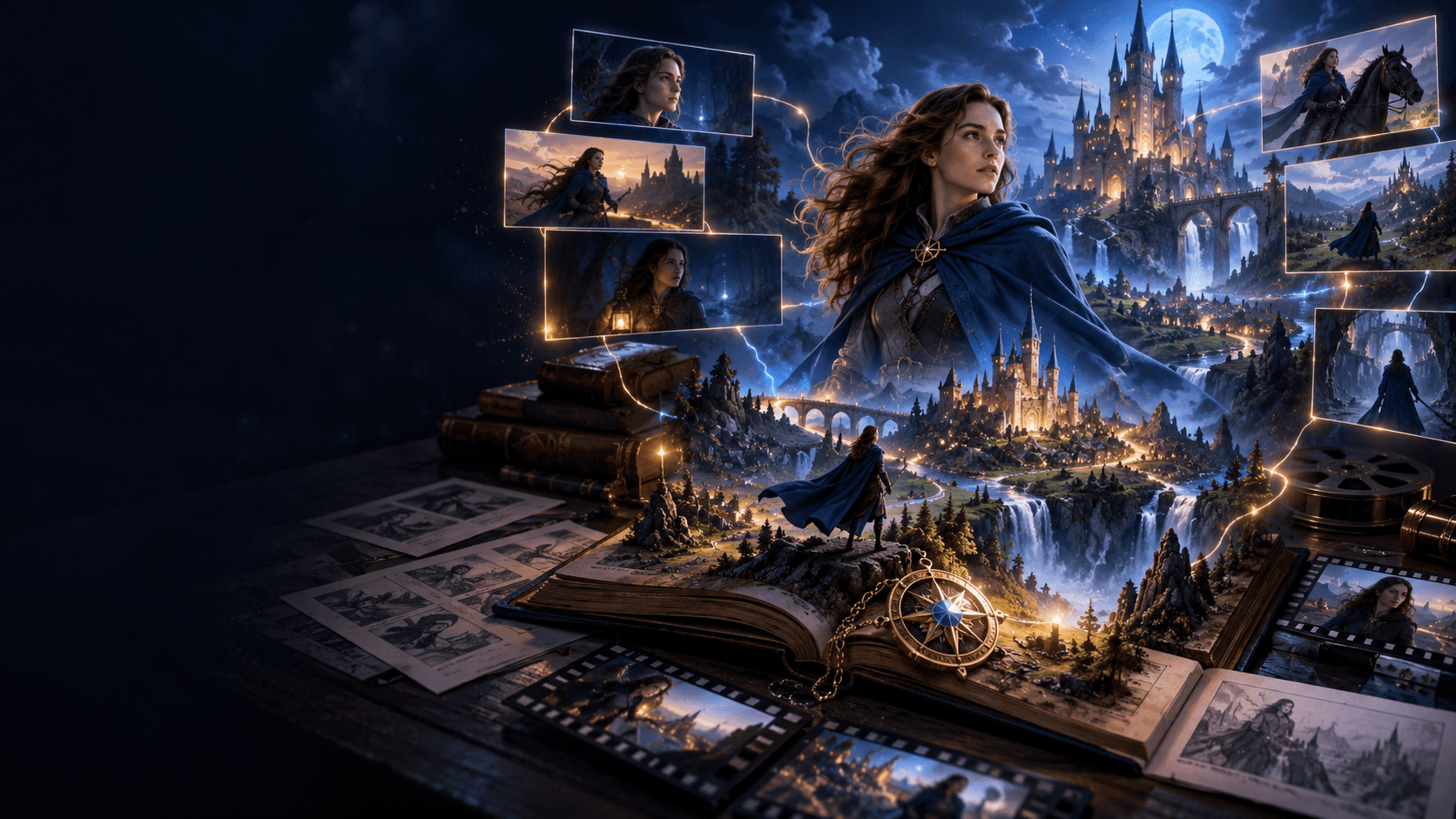
Trend 2: Storytelling Is Replacing Prompt Engineering as the Real Skill
A year ago, discussions around AI animation often revolved around prompts.
People searched for "the perfect prompt" that could generate amazing results.
That mindset is changing.
Most modern AI models already understand detailed instructions surprisingly well.
The bigger challenge is knowing what story to tell.
Creators producing successful AI anime content usually spend more time on:
- Story structure
- Character relationships
- Emotional pacing
- Dialogue
- Episode planning
than they do experimenting with endless prompt variations.
Large language models like GPT-5.6 have accelerated this shift by making brainstorming, outlining, and rewriting significantly easier.
Instead of replacing writers, AI helps creators move from rough ideas to polished scripts more quickly.
The quality of the narrative increasingly determines the quality of the finished video.
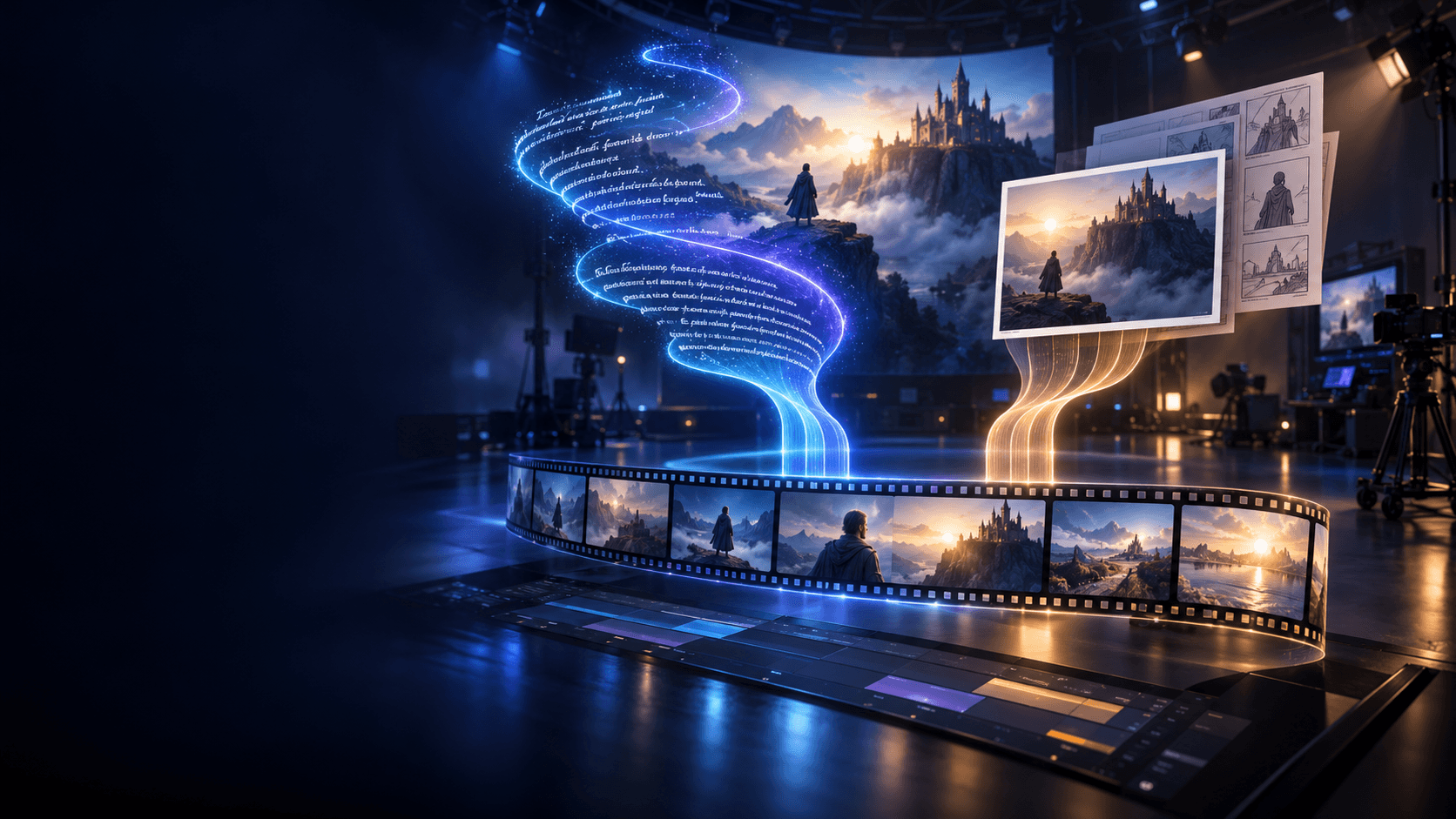
Trend 3: Multi-Model Workflows Are Becoming the Standard
No single AI model excels at every stage of production.
Instead of searching for one perfect solution, experienced creators increasingly combine specialized tools into a single workflow.
For example, a typical production pipeline might look like this:
- Use GPT-5.6 to brainstorm ideas and refine dialogue.
- Generate visual sequences with an AI video model suited to the desired style.
- Improve timing and edit scenes using AI-assisted editing tools.
- Add subtitles, music, and final polish before publishing.
The exact combination varies from creator to creator, but the principle remains the same.
Each tool contributes its strongest capability.
This approach also reduces dependence on any one platform.
As new models appear throughout 2026, creators with flexible workflows will adapt much more easily than those relying on a single solution.
Trend 4: Short Episodes Are Becoming the New Animation Format
Traditional animation was designed around television schedules.
AI animation is being shaped by mobile viewing habits.
Instead of producing twenty-minute episodes, many creators now build stories in 30–90 second chapters.
This format offers several advantages.
It lowers production costs.
Publishing becomes more consistent.
Testing new ideas becomes easier.
Audience feedback arrives almost immediately.
Most importantly, viewers are more willing to commit to a one-minute episode than a twenty-minute pilot from an unfamiliar creator.
That doesn't mean long-form storytelling is disappearing.
Instead, creators are breaking larger narratives into smaller episodes that naturally fit platforms like YouTube Shorts, TikTok, and Instagram Reels.
The result feels less like traditional television and more like an ongoing conversation with an audience.
Trend 5: Workflow Is Becoming the Biggest Competitive Advantage
Perhaps the biggest trend isn't visual quality at all.
It's organization.
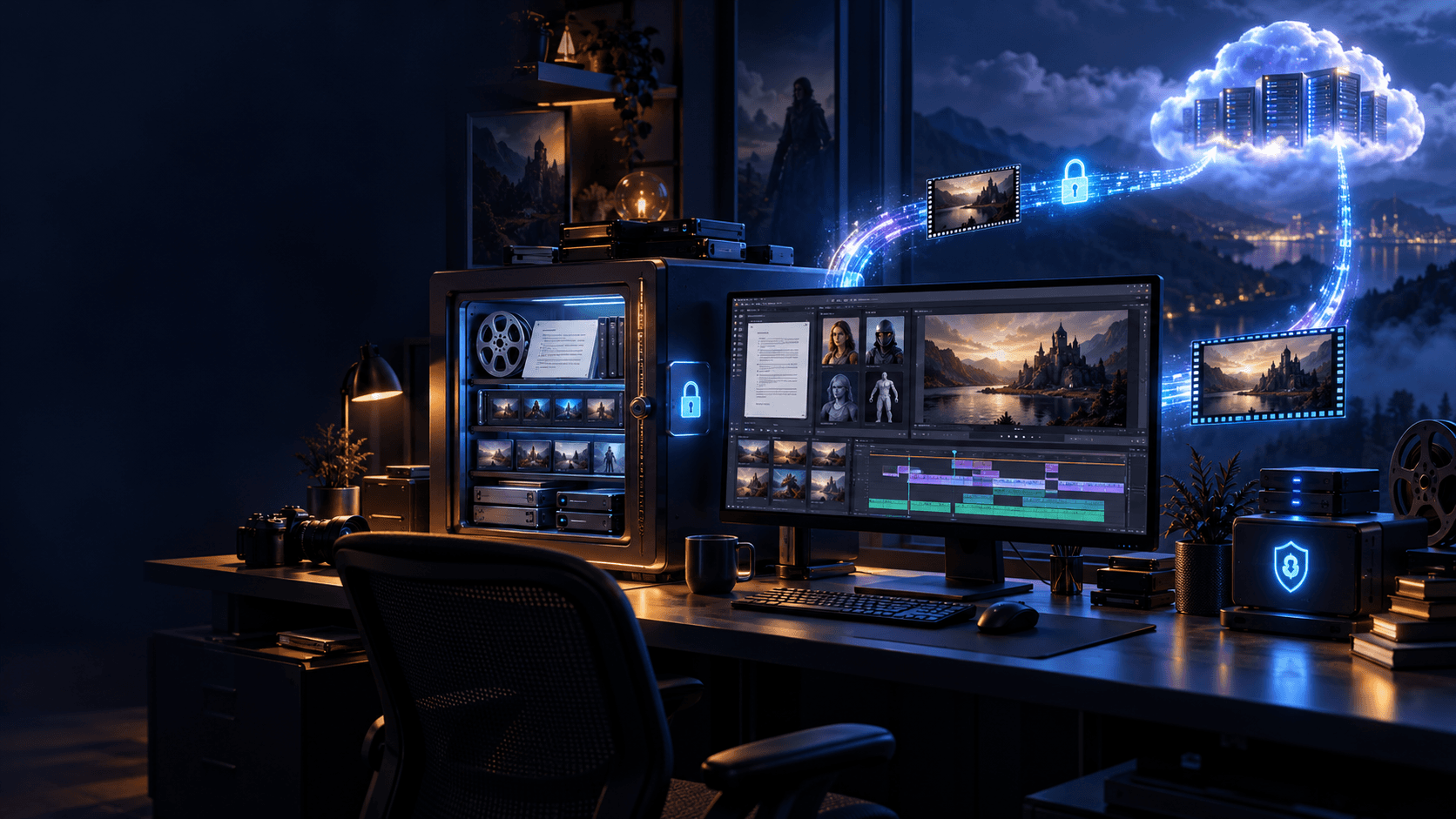
As projects become larger, creators quickly discover that managing scripts, prompts, revisions, subtitles, assets, and exports can consume more time than generating the video itself.
Professional creators increasingly think like production teams.
They organize character references.
Maintain prompt libraries.
Reuse successful scene structures.
Document production decisions.
Review analytics after publishing.
This systematic approach allows them to publish consistently without sacrificing quality.
Integrated production platforms are becoming more valuable because they reduce unnecessary switching between applications. Instead of managing disconnected files across multiple tools, creators can keep planning, scene development, revisions, and production organized in one workflow. For teams publishing AI content regularly, that efficiency often matters more than marginal differences between individual generation models.
What This Means for Independent Creators
The barriers to animation continue falling.
Independent creators who once needed expensive software and specialized production teams now have access to tools that dramatically accelerate the creative process.
That doesn't mean competition is becoming easier.
It means the definition of quality is changing.
Viewers now expect:
- Consistent characters
- Clear storytelling
- Regular publishing
- Strong pacing
- Authentic creative ideas
These qualities are difficult to automate completely.
They come from thoughtful planning rather than technology alone.
For independent creators, this is encouraging.
The playing field increasingly rewards creativity over production budget.
A well-written story with memorable characters can outperform a technically impressive video that lacks emotional connection.
Common Misconceptions About AI Anime
One misconception is that better models automatically produce better content.
In reality, creators with clear workflows often achieve stronger results using familiar tools than creators constantly switching to the newest release.
Another misconception is that AI eliminates the need for artistic direction.
It doesn't.
AI accelerates execution, but creators still decide what story to tell, how scenes should flow, and what emotional response they want from viewers.
Finally, many people assume AI anime is only useful for entertainment.
Increasingly, it's also being used for education, product marketing, social media campaigns, training materials, and branded storytelling.
The technology is becoming more versatile as production workflows mature.
Final Thoughts
AI anime in 2026 is no longer defined by novelty.
It's defined by repeatability.
The creators building successful channels aren't simply generating impressive clips—they're developing recognizable characters, structured production systems, and publishing schedules their audiences can rely on.
Technologies will continue evolving. New models will improve motion, realism, editing, and creative assistance.
But the creators most likely to succeed will be those who combine those advances with strong storytelling and efficient workflows.
Whether you're producing your first animated short or building an ongoing series, focus less on finding the "perfect" AI model and more on creating a process you can repeat every week.
That's how individual experiments become lasting creative projects—and how AI becomes a practical tool for storytelling rather than just a source of interesting demos.
Frequently Asked Questions
Is AI anime ready for professional content?
Yes. Current AI tools are increasingly capable of supporting professional marketing, education, entertainment, and social media production, especially when combined with careful planning and editing.
Which skill is most valuable for AI anime creators in 2026?
Storytelling. As generation quality improves across the industry, compelling narratives and memorable characters become stronger differentiators than visual effects alone.
Should beginners learn multiple AI tools?
Start with a simple workflow and expand gradually. Learning how different tools complement one another is generally more valuable than mastering every new model immediately.
Will AI replace traditional animation?
AI is more likely to expand animation production than replace it. It enables creators and smaller teams to produce work that was previously difficult or prohibitively expensive, while traditional animation continues to play an important role in larger productions.