How to Get Started with Elser AI in 30 Minutes: From Sign-Up to Your First AI Video
Creating high-quality videos used to require expensive software, technical editing skills, and hours—or even days—of production time. Today, AI has dramatically changed that workflow. Instead of managing scripts, voiceovers, animation, editing, subtitles, and rendering separately, modern AI video platforms can handle much of the production process from a single prompt.
However, many beginners still face the same question:
"Where do I actually start?"
With so many AI video tools available—from OpenAI's GPT models for writing, Google's Veo for video generation, Runway for editing, Kling for cinematic animation, and Seedance for consistent motion—it's easy to feel overwhelmed before creating your very first project.
The good news is that you don't need to master every AI tool to begin producing professional videos.
In this guide, we'll walk through how to go from creating an Elser AI account to exporting your first AI video in around 30 minutes. Whether you're a content creator, marketer, educator, or small business owner, you'll learn a simple workflow that you can repeat again and again.
Why AI Video Creation Is Easier Than Ever
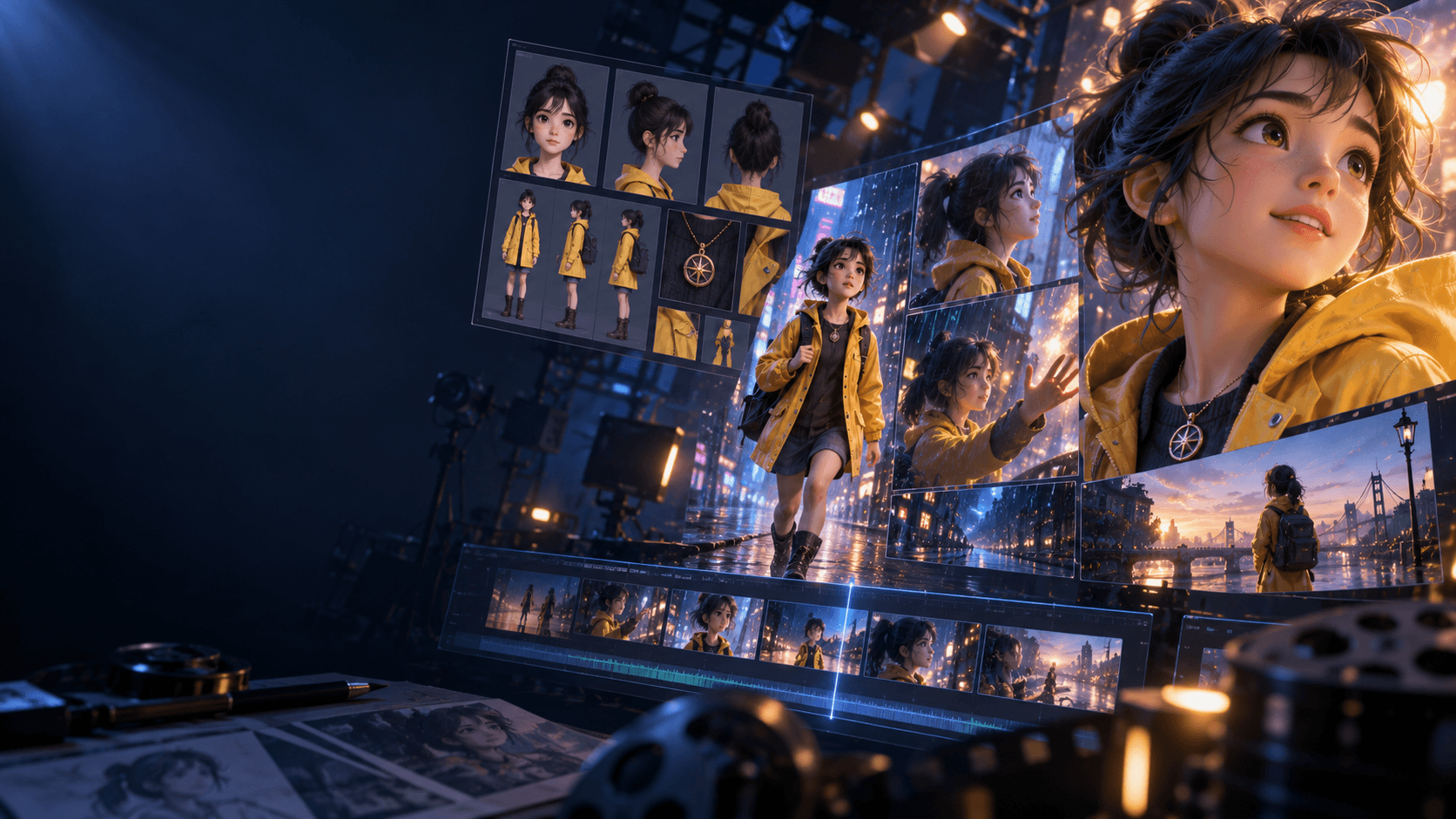
AI video technology has matured rapidly over the past two years. Instead of generating isolated images or short clips, today's leading AI models can understand prompts, maintain visual consistency, generate realistic camera movement, produce synchronized narration, and automate editing.
For creators, that means less time wrestling with software and more time focusing on ideas.
A typical traditional workflow often looks like this:
- Write a script
- Design storyboards
- Create assets
- Record narration
- Edit clips
- Add transitions
- Insert subtitles
- Export multiple versions
Depending on the project, this can take several hours—or several days.
Modern AI platforms simplify that process into just a few guided steps. Elser AI is designed around this idea: reducing technical complexity while giving creators enough control to produce polished, publish-ready videos.
If you're completely new to AI video, the learning curve is much smaller than many people expect.
Step 1: Create Your Elser AI Workspace
The first step is simple: create an account and set up your workspace.
Once you're inside Elser AI, spend a few minutes exploring the interface before generating anything.
You'll typically see sections for:
- Project management
- AI video generation
- Script creation
- Media assets
- Export settings
- Creative templates
Don't worry about understanding every feature immediately.
For your first project, the goal isn't mastering every option—it's successfully completing one end-to-end workflow.
A good beginner project might be:
- A 30-second social media video
- A short product introduction
- A motivational quote animation
- A YouTube Shorts clip
- A simple educational explainer
Starting with a smaller project lets you learn the platform much faster.
Many creators make the mistake of attempting a five-minute animated film as their first experiment. Instead, focus on completing one short, polished video. You'll gain confidence much more quickly.
Step 2: Start With the Script, Not the Video
One of the biggest misconceptions about AI video is that the visuals come first.
In reality, the script drives everything.
A clear script determines:
- Scene pacing
- Visual direction
- Character actions
- Voiceover timing
- Music selection
- Subtitle flow
Fortunately, AI makes script writing significantly easier.
Instead of staring at a blank page, describe your goal:
"Create a 45-second product introduction for a smart home device."
Or:
"Write a short educational video explaining how solar panels work."
From there, refine the tone, audience, and structure until you're satisfied.
Many successful creators spend more time improving prompts than editing videos. Better prompts generally lead to better first-generation results, saving time later in the process.
If you're experimenting with AI video for the first time, Elser AI helps simplify this stage by combining script creation with video generation, reducing the need to switch between multiple applications.
Step 3: Generate Your First AI Video
Once your script is ready, it's time for the fun part.
AI video generation has become remarkably fast, but the quality of the output still depends heavily on your instructions.
Rather than writing:
"A woman walking."
Try something more descriptive:
"A young entrepreneur walking confidently through a modern office with cinematic lighting, slow camera movement, realistic facial expressions, warm morning sunlight, documentary style."
Specific prompts help AI models understand:
- Camera movement
- Lighting
- Environment
- Mood
- Style
- Subject consistency
This is particularly important as modern video models continue improving character consistency and scene coherence.
Don't expect perfection on the first generation.
Professional AI creators often iterate several times before choosing their favorite result. That isn't a limitation—it's part of the creative process.
Step 4: Refine Your Video Like a Professional
Your first generated version is rarely the final version.
Professional-looking videos usually come from small refinements rather than complete rewrites.
Common improvements include:
Adjusting scene timing
Some scenes may feel too slow, while others move too quickly. Shortening unnecessary moments often creates a more engaging final video.
Improving visual prompts
If a character changes appearance or a background looks inconsistent, adding more descriptive context usually improves future generations.
Updating narration
Even a small wording change can dramatically improve pacing.
Enhancing subtitles
Many viewers watch videos without sound.
Clean subtitles improve accessibility while increasing watch time across platforms like YouTube Shorts, Instagram Reels, and TikTok.
Rather than starting over, focus on incremental improvements.
Experienced creators often say that the second or third version becomes dramatically better than the first.
Step 5: Export and Publish Across Multiple Platforms
Once you're happy with the final result, it's time to export.
Before publishing, consider where your audience will watch your content.
Different platforms favor different formats.
For example:
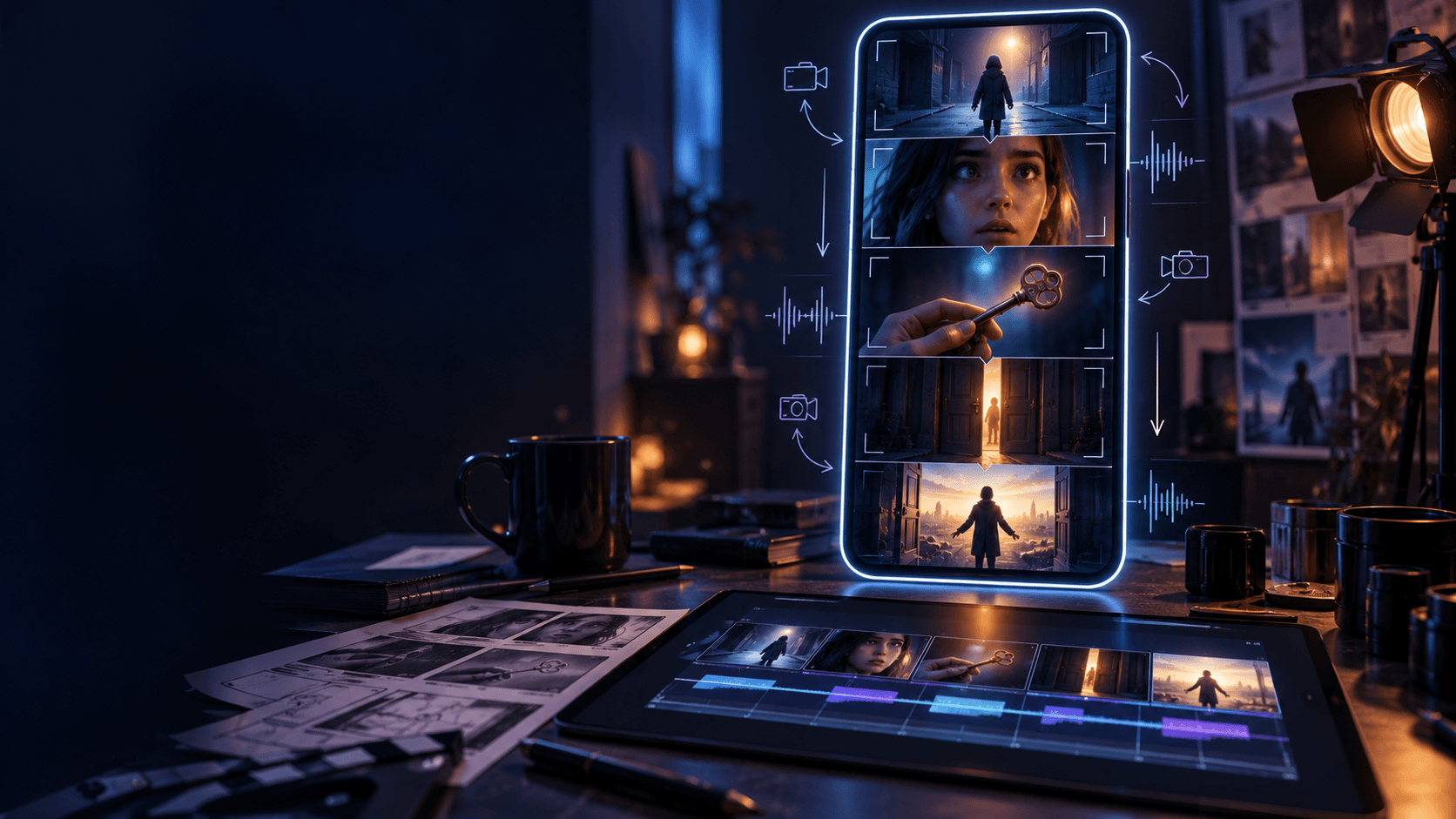
- Vertical videos work well for TikTok, Shorts, and Reels.
- Horizontal videos remain ideal for YouTube and presentations.
- Square videos often perform well on LinkedIn and some Facebook placements.
Also remember to optimize:
- Thumbnail
- Title
- Description
- Captions
- Hashtags
- Call-to-action
Video creation doesn't end when rendering finishes.
Distribution is what ultimately determines whether people discover your content.
If you plan to publish regularly, creating your videos inside a single workflow with Elser AI can make ongoing production significantly more efficient than juggling multiple specialized tools.
Common Beginner Mistakes to Avoid
Nearly every first-time AI creator encounters similar challenges.
The most common mistake is trying to generate an entire production from a single vague prompt. AI works best when given clear goals, descriptive instructions, and room for iteration.
Another mistake is focusing only on visuals while neglecting storytelling. Even the most impressive AI-generated animation won't hold viewers' attention if the narrative lacks structure.
It's also easy to become distracted by every new AI model entering the market. While tools like GPT-5.6 for writing, Google's Veo for video generation, Runway for editing, Kling for cinematic scenes, and Seedance for character consistency each have unique strengths, productivity often comes from building a reliable workflow rather than constantly switching platforms.
Finally, don't wait for perfection before publishing. Every completed project teaches something new, and consistent practice leads to faster improvement than endless experimentation.
Build Your First AI Video Today
The hardest part of AI video creation isn't learning complicated software—it's getting started.
Once you've completed your first project, the overall workflow becomes surprisingly repeatable:
- Start with an idea.
- Turn it into a clear script.
- Generate the video.
- Refine the scenes.
- Export.
- Publish.
- Learn from the results.
- Repeat.
Within just 30 minutes, most beginners can go from a blank screen to a shareable AI-generated video. From there, every new project becomes an opportunity to improve your prompts, refine your storytelling, and produce content more efficiently.
If you're looking for an all-in-one environment that combines scripting, AI video generation, editing, and publishing into a streamlined workflow, Elser AI offers a practical starting point without requiring extensive production experience.
Create one short video today. You'll learn far more by finishing your first project than by spending hours comparing tools—and that first finished video is the foundation for everything you create next.