From a Single Photo to a Full Story: Elser AI’s Image-to-Video Feature Explained
From One Image to Moving Video
A single image can contain the beginning of a story.
A portrait suggests a character. A product photo suggests a commercial. A comic panel suggests the moment before or after an action. A landscape suggests a journey. A family photograph suggests a memory. An album cover suggests the visual identity of a song.
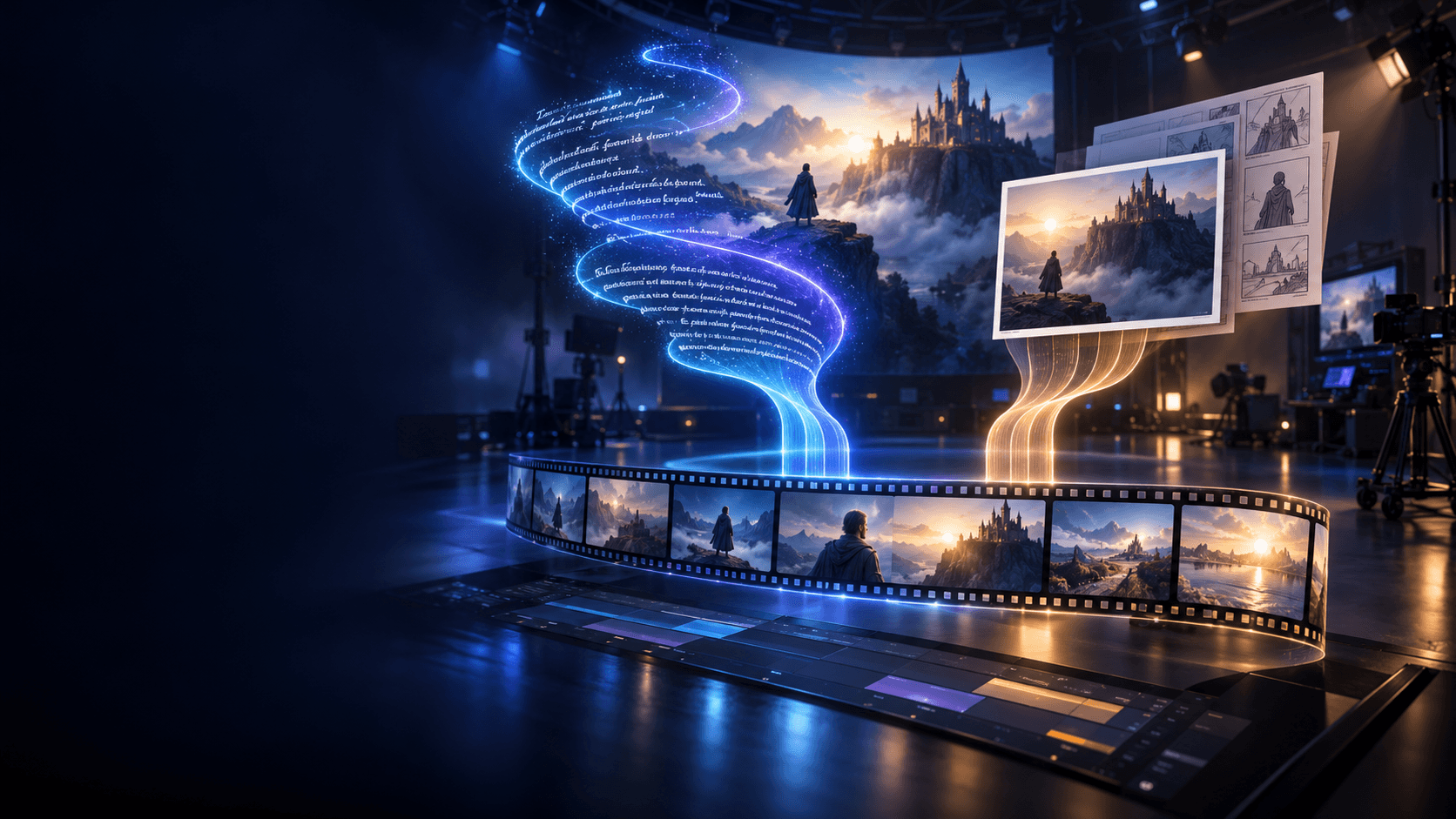
Image-to-video AI adds time and movement to that still image. It can animate the subject, move the camera, introduce environmental motion, add atmosphere, and create a short clip that can become part of a larger video.
Elser AI’s official Image Animator allows users to upload a still photo or illustration and convert it into video. The platform describes support for different visual styles and use cases, including anime scenes, portraits, movie-style shots, products, and illustrated content. It also connects image animation with options such as music, voice, lip sync, and sound.
The important point is that one photograph does not automatically contain a complete film. Image-to-video generation creates a shot. A full story is built by combining that shot with planning, additional scenes, sound, and editing.
What Image-to-Video AI Does
Image-to-video AI begins with the visual information already present in the source image. The system uses that image as the starting frame or primary visual reference, then predicts how the scene might move over time.
Depending on the image and prompt, the generated video may include:
- camera push-in or pull-back
- head or eye movement
- hair and clothing movement
- facial expression
- environmental motion
- object interaction
- light and shadow changes
- rain, smoke, dust, or particles
- product rotation or reveal
- background parallax
The quality of the result depends on how much the requested motion agrees with the source image.
A portrait can support blinking, breathing, a head turn, or subtle expression. A full-body character image may support walking or gesture, although complex motion creates more risk. A product photograph can support camera movement, reflections, and a controlled reveal. A comic panel can support motion lines, environmental effects, and small character actions.
The more the system must invent beyond the image, the less predictable the result becomes.
Choose the Right Source Image
The source image is the foundation of the video. A weak or unsuitable reference limits what the model can preserve.
A strong source image has:
- a clear subject
- readable face or object details
- sufficient resolution
- stable anatomy
- enough space around the subject
- lighting appropriate to the target scene
- a pose compatible with the requested movement
- minimal obstruction
For character animation, avoid using an extreme close crop if the requested video needs full-body movement. If the hands are hidden, the model must invent them. If the character is already in an unstable pose, the motion may become less reliable.
For product animation, the label, logo, shape, and packaging should be clear. The product should not be hidden behind props or strong reflections unless those elements are part of the intended shot.
For comic and anime artwork, use a clean panel or illustration with readable line art. State that the original art style must remain unchanged.
Elser AI’s Character Maker and anime-image tools can be used to create or refine reference visuals before moving into animation. The Character Maker supports both text descriptions and uploaded images and is intended for character-based stories, shorts, and animated content.
Describe One Main Motion
A single image is most likely to produce stable video when the prompt focuses on one clear action.
Weak prompt:
“The character runs through the city, jumps over a vehicle, turns around, waves, transforms, and flies away.”
Stronger prompt:
“The character notices a blue light behind her, slowly turns her head, and reacts with surprise.”
The stronger version gives the model a clear beginning and end. It also preserves more of the original image.
A useful image-to-video prompt should describe:
- what remains unchanged
- what moves
- how the movement begins
- how it ends
- what the camera does
- what the environment does
- what should be avoided
Example:
“Animate the reference anime character while preserving her exact face, short black hair, amber eyes, yellow jacket, body proportions, color palette, and cel-shaded style. Her eyes move toward the glowing package, followed by a subtle head turn and shoulder shift. Hair and jacket move gently in the rain. Camera performs a slow push-in. No face drift, outfit changes, body distortion, or photorealistic style.”
This prompt does not ask the system to redesign the scene. It asks it to reveal the motion already implied by the image.
Use Camera Motion as Part of the Story
Sometimes the most effective image animation does not require large subject movement. Camera movement can create attention, tension, and scale.
A slow push-in can make a portrait feel emotional. A pull-back can reveal the environment. A lateral move can create parallax. A slight tilt can introduce a large object. A stable close-up can make one expression more powerful.
For still artwork, controlled camera motion often preserves the subject better than dramatic physical action.
Examples:
Portrait: slow push-in while the subject blinks.
Product: circular camera move with subtle reflection changes.
Landscape: slow forward movement through atmospheric fog.
Comic panel: layered parallax with moving rain and speed lines.
Album cover: subtle camera drift with animated lighting.
The camera should support the purpose of the shot. Avoid combining aggressive camera motion with complex character movement unless the project specifically needs instability.
Add Environmental Motion
Environmental motion can make a still image feel alive without placing too much pressure on the main subject.
Useful elements include:
- moving clouds
- rain
- snow
- smoke
- dust
- light reflections
- water ripples
- glowing particles
- curtains
- leaves
- hair and clothing
- background traffic lights
Choose one or two. Too much motion can make the scene feel artificial or distract from the subject.
For a comic panel, moving rain and a slow push-in may be enough. For a product shot, moving highlights and soft mist may create a premium feel. For a fantasy landscape, cloud and light movement can establish scale.
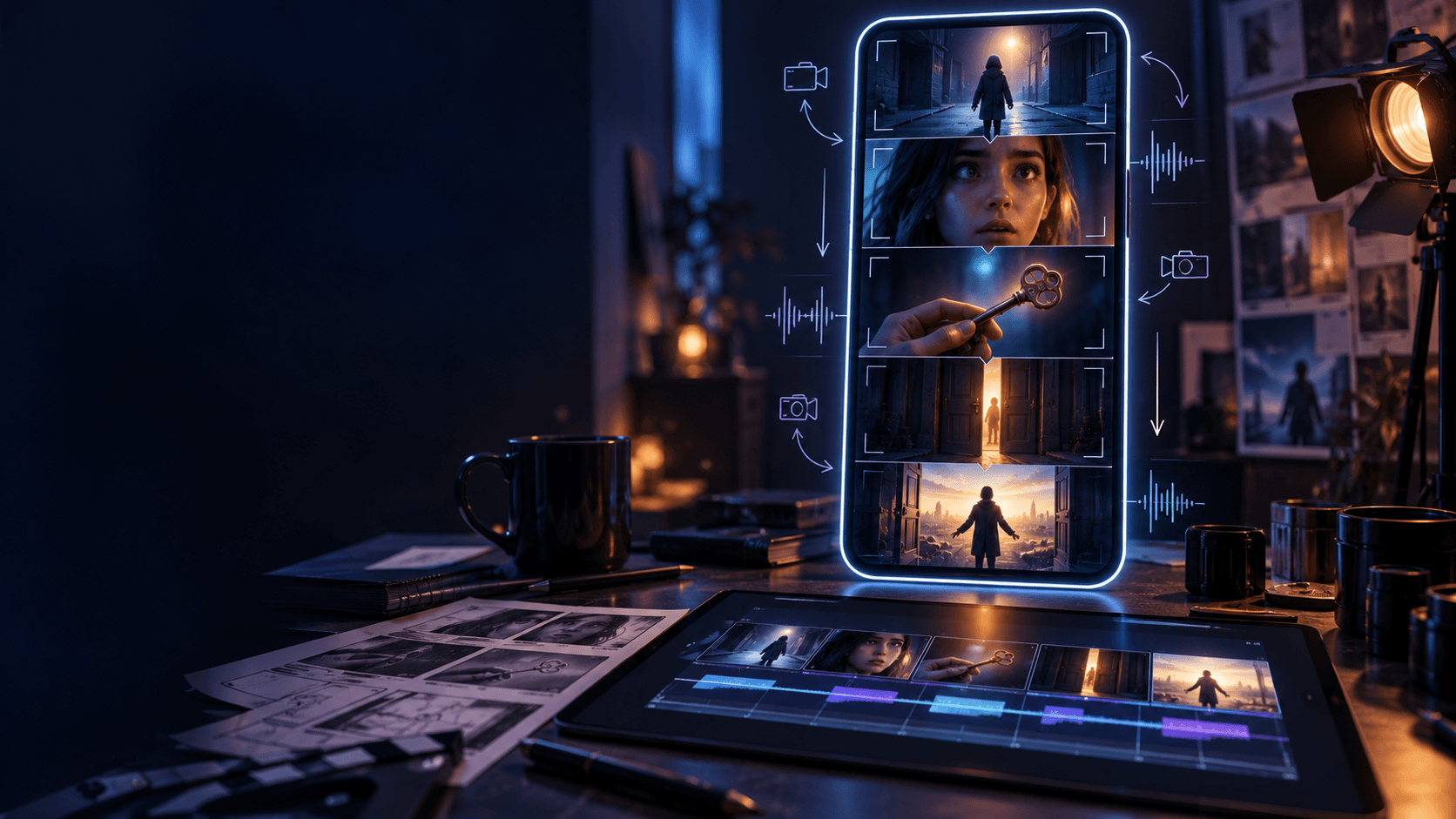
Turn One Photo into Several Story Shots
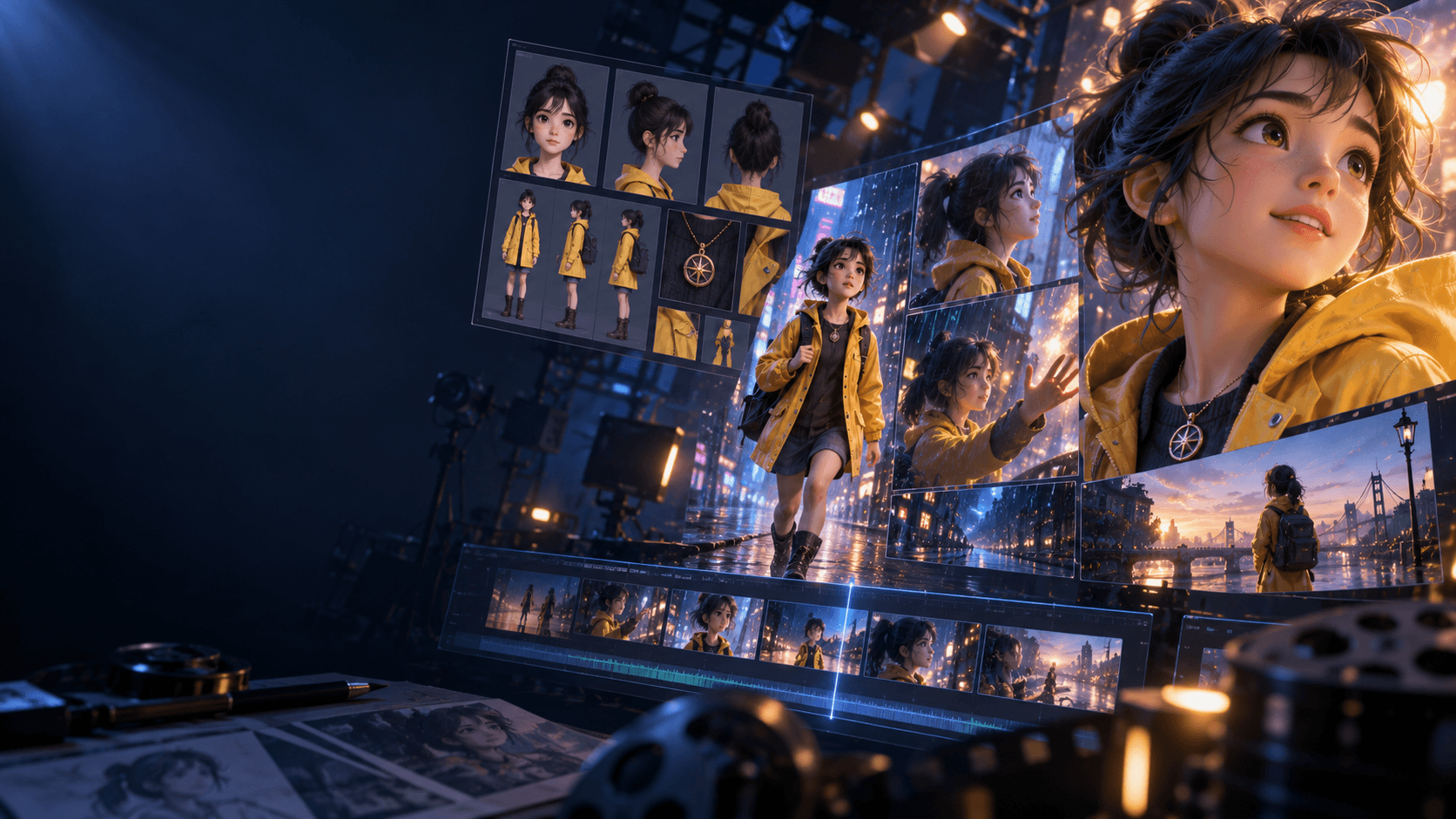
A full story does not require one image to perform every action. Instead, treat the original photo as a visual anchor and create several related shots.
Suppose the source image is a character holding a mysterious object.
The sequence could become:
1. Wide environment shot based on the same style.
2. Medium shot using the original image.
3. Close-up of the object.
4. Character reaction.
5. Light or transformation shot.
6. Final reveal.
The original image establishes the character’s identity. Additional images or reframed variations provide the rest of the story.
Elser AI’s platform includes character creation, anime-image generation, storyboards, image-to-video, text-to-video, music, and sound tools, allowing a still image to become the anchor for a broader project.
This is more reliable than asking one clip to contain an entire narrative.
Use Cases for Elser AI Image-to-Video
Character and anime animation
An anime portrait can become a reaction shot, introduction clip, dialogue close-up, music visual, or recurring social character.
A static panel can gain camera movement, rain, particles, speed lines, lighting, or controlled character motion. Several animated panels can become a chapter trailer.
Product videos
A product photograph can become a hero reveal, social ad, ecommerce clip, or lifestyle transition. The prompt should preserve the exact product shape, label, logo, packaging, material, and color.
Album art or character artwork can become an animated visualizer, lyric-video background, chorus clip, or release teaser.
Portraits and memories
A portrait can be animated with subtle motion. Creators should be careful when using images of real people and ensure they have appropriate permission, especially for public or commercial use.
Educational content
An illustration, diagram, historical image, or character can become part of an explanation. Accuracy should be checked before publication.
Add Voice, Lip Sync, Music, and Sound
Motion is only one layer of a finished video.
Elser AI’s official Image Animator describes adding music, voiceovers, lip sync, or recorded voice to animated images. This allows a still character or portrait to become a talking scene, music clip, narrator, or short promotional asset.
Use audio deliberately:
- narration explains information
- dialogue develops character
- ambience establishes location
- sound effects reinforce physical events
- music controls emotional rhythm
Do not use lip sync in every shot. Reaction shots, environment shots, and object close-ups give the edit variety and reduce the risk of unnatural facial movement.
A Practical Image-to-Video Workflow
Step 1: Select the image
Choose a clear, high-quality image with a visible subject and appropriate framing.
Step 2: Define the purpose
Decide whether the clip is a character scene, product ad, comic trailer, music visual, social hook, or part of a longer story.
Step 3: Protect the important details
Write down the face, outfit, product, colors, composition, or style that must remain unchanged.
Step 4: Choose one main motion
Begin with subtle movement that fits the source image.
Step 5: Control the camera
Select one clear camera direction.
Step 6: Generate variations
Compare subject preservation, motion quality, and usable duration.
Step 7: Trim the strongest section
Do not assume the entire generated clip must be used.
Step 8: Build surrounding shots
Use the original image as the anchor for a larger sequence.
Step 9: Add sound and edit
Complete the story with audio, captions, transitions, and final pacing.
Prompt Templates
Anime character
“Animate the reference anime character into a vertical video. Preserve the exact face, eyes, hairstyle, outfit, body proportions, colors, and cel-shaded art style. The character notices something off-screen and slowly turns her head. Hair and clothing respond gently. Camera performs a subtle push-in. No face drift, redesign, photorealism, or outfit changes.”
Product photo
“Turn the reference product photo into a clean commercial video. Preserve the exact product shape, logo, label, packaging, material, color, and proportions. Add a slow camera move, controlled studio reflections, and soft background light. Do not distort the product, alter printed text, add features, or change the packaging.”
Comic panel
“Animate the comic panel while preserving the original line art, panel composition, character design, color palette, and expression. Add subtle rain, hair movement, background light, and a slow camera push-in. Do not redraw the character or convert the artwork into 3D or photorealistic style.”
What Image-to-Video Cannot Guarantee
Image-to-video AI is probabilistic. It does not guarantee perfect anatomy, exact object interaction, stable text, or unchanged identity in every generation.
Difficult tasks include:
- detailed hand interaction
- long continuous action
- several speaking characters
- readable moving text
- exact product manipulation
- complex transformations
- large camera rotations
- partially hidden bodies
The solution is usually to simplify, divide the event into separate shots, or create a better reference image.
It is also important to distinguish animation from historical truth. When animating old photographs, documentary imagery, or real people, the generated motion is synthetic. It should not be presented as authentic footage of an event that was never recorded.
Free Trial and Paid Plans
Elser AI’s Image Animator advertises a free trial. The Character Maker also states that free users receive limited generations, while premium plans provide more creations, higher-resolution output, and advanced options. The live pricing page currently lists multiple plan levels and quotas, which should be reviewed before purchasing because pricing and promotions may change.
Use free access to test:
- subject preservation
- motion quality
- preferred visual model
- number of generations needed
- whether the workflow suits the project
Upgrade when producing several shots, building recurring characters, generating client assets, or publishing video regularly. The paid plan should support an established workflow, not replace the need to plan one.
Final Thoughts
Elser AI’s image-to-video feature can turn a still portrait, product, character, illustration, or comic panel into a moving video shot. Its broader platform connects that shot with character creation, storyboarding, video generation, music, sound, and story-driven animation.
The best results come from treating the original image as a story anchor. Protect what matters, add one controlled movement, use the camera deliberately, generate variations, and build the larger narrative from several connected shots.
Register for Elser AI and begin with one strong image. Test a subtle animation first. Once the subject remains stable and the motion fits the idea, use a paid plan to expand the image into a longer sequence, campaign, comic trailer, character series, or complete animated story.