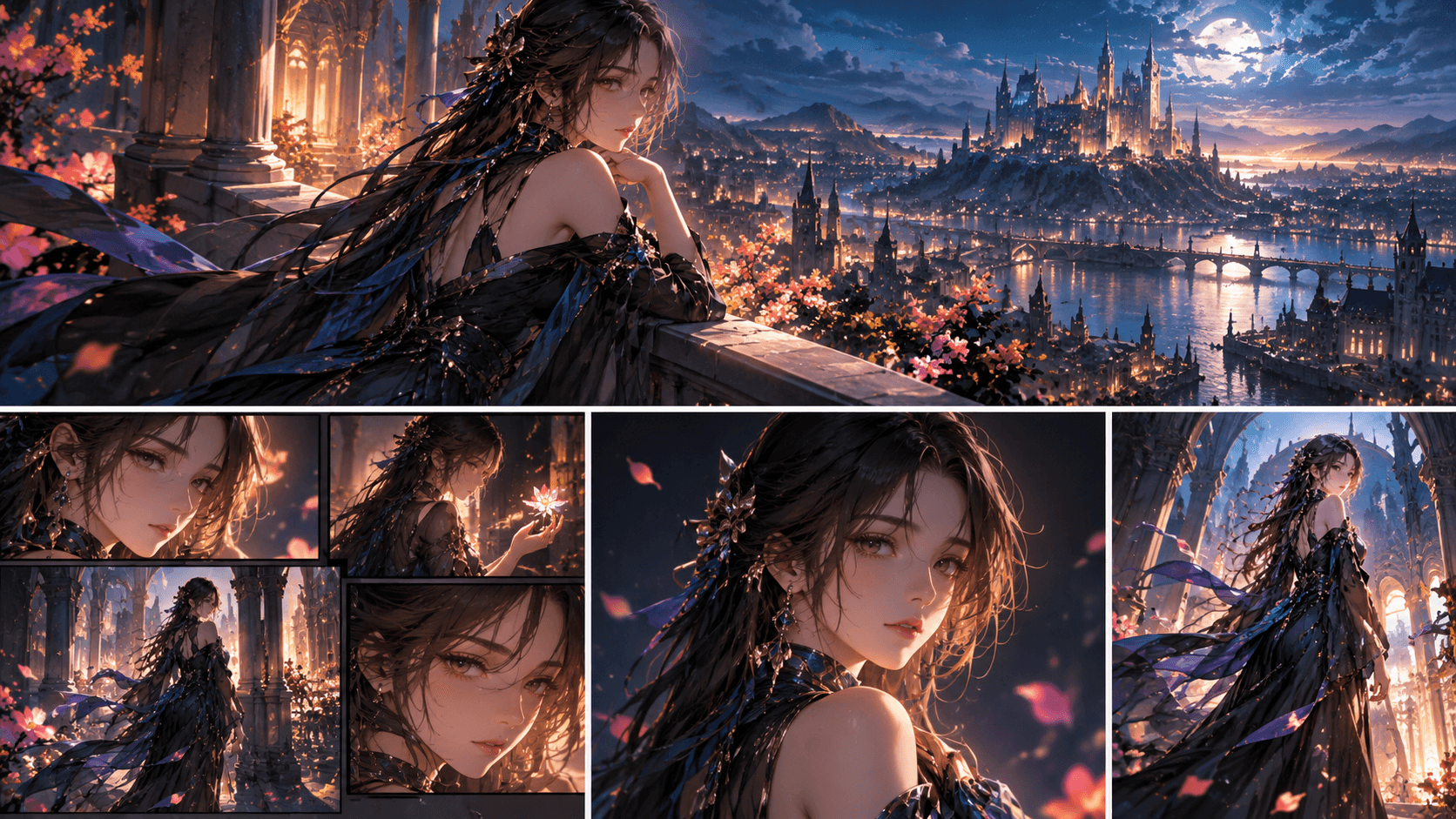
AI Anime Story Generator: How to Turn Ideas Into Full Anime Episodes (No Drawing Required) – 2026 Guide
Let me tell you about something that happened on February 1, 2026.
A Hong Kong-based AIGC company called LAiPIC launched a platform called Doratoon. And here's what it does: you type one sentence describing a story idea, and it generates up to 16 minutes of continuous, story-driven animation—complete with script interpretation, storyboard generation, character design, scene rendering, and synchronized voice acting and background music.
Sixteen minutes. From one sentence.
That's when I realized: the era of true AI anime story generation had officially arrived.
What is an AI anime story generator?
Before 2026, most "AI anime generators" were really just image generators that could produce character portraits or individual scenes. Want a full story? You'd generate each shot manually, then edit everything together in video software.
An AI anime story generator changes that completely. You describe a story—a magical girl discovering her powers, a detective hunting a supernatural killer, a fallen hero seeking redemption—and the AI handles everything else.
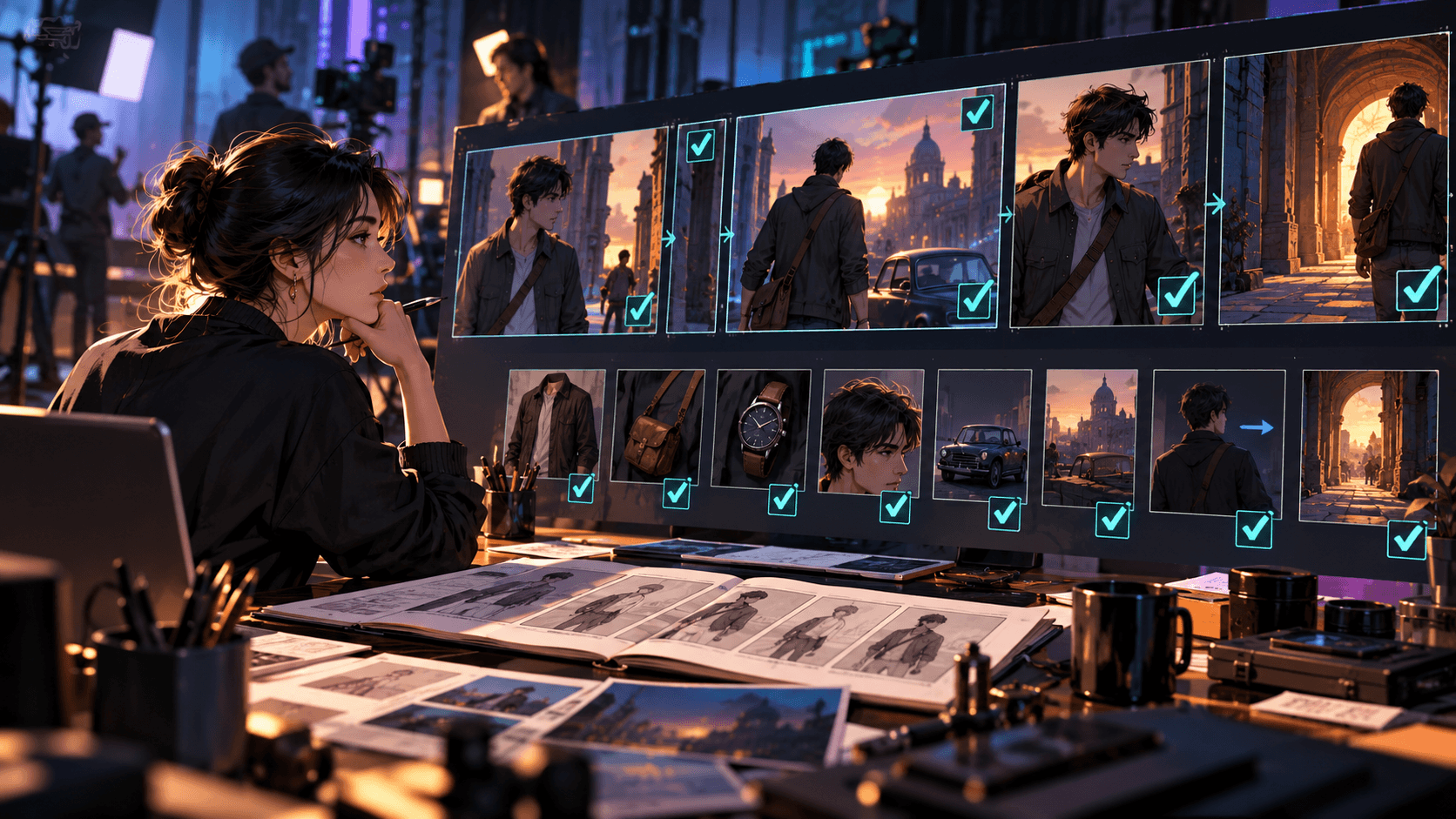
It understands narrative structure. It maintains character consistency across scenes. It handles camera direction, pacing, and even emotional beats.
At least, that's what the good ones do.
The current state of AI story generation (2026 edition)
Let me level with you: not all story generators are created equal. Some are still just prompt-to-video tools with better marketing. But several platforms have genuinely cracked the narrative consistency problem.
Elser AI helps creators turn ideas into full anime story videos. Just enter an idea, and it creates long-form videos with consistent characters, clear story flow, and cinematic styles from a single prompt. In long-form benchmarks, it achieves 30% higher character consistency than other AI video tools across 180+ scenes.
Doratoon pushes AI animation beyond fragmented visuals and toward fully realized narrative content. Built on more than a decade of animation R&D, it's powered by a proprietary Visual Intelligence Engine trained on a library of over 18 million animation assets.
Vidu Q3, unveiled at SXSW 2026, is the world's first AI solution for animated series production. It's specifically optimized for serialized narrative content, addressing challenges like character instability, scene continuity, and audio-visual alignment.
How to use an AI anime story generator
Here's the workflow that actually works for creating longer narrative content:
Start with a logline.
A logline is a one-sentence summary of your story. Think of it as your story's DNA. "A retired magical girl is forced back into action when her former sidekick becomes the villain." "Two rival mecha pilots must team up to stop an invasion that threatens both their nations."
Keep it simple. Keep it focused. The AI will expand from here.
Let the AI build the structure.
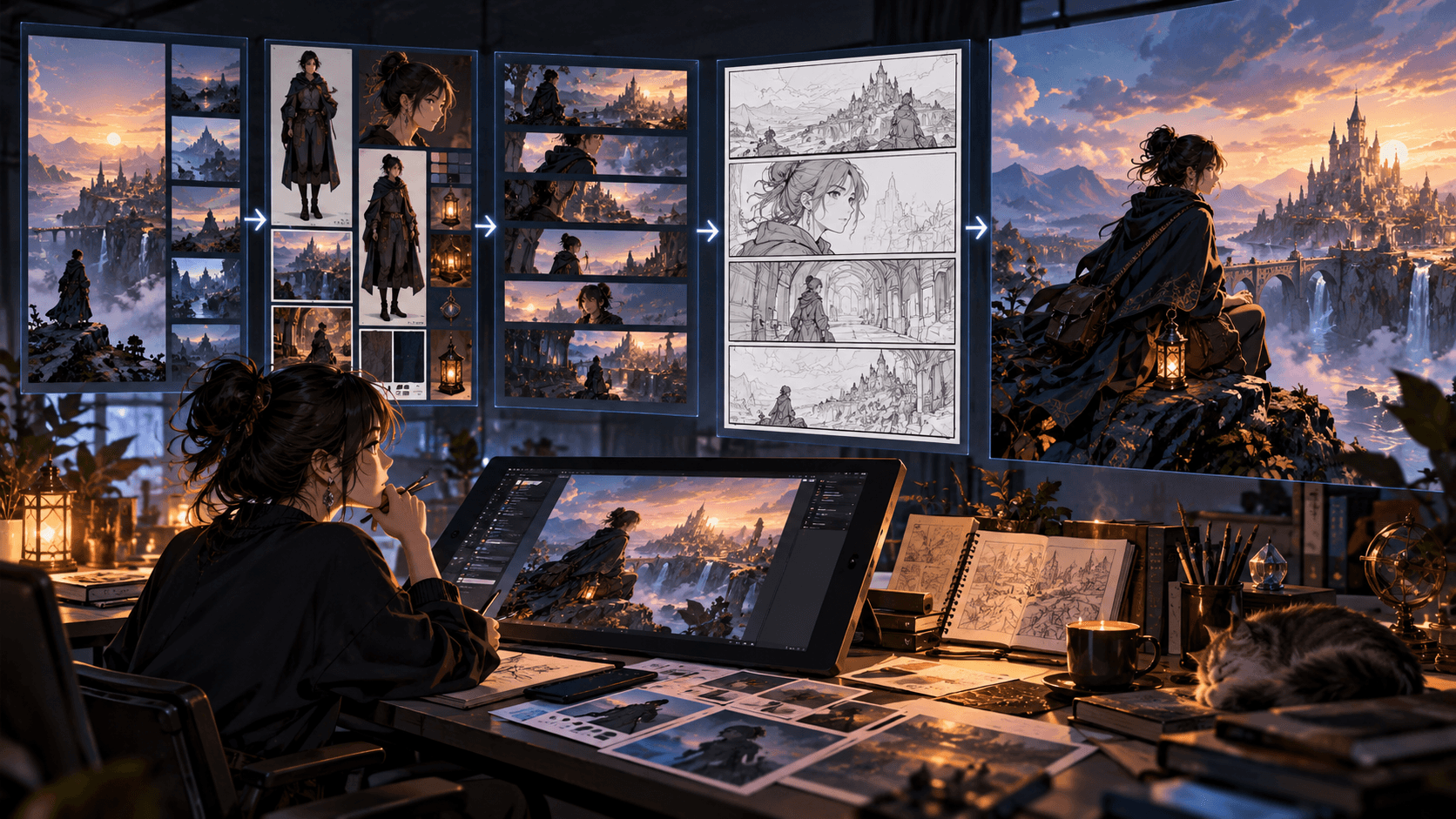
Most story generators will interpret your logline and produce a script structure automatically. Don't overthink this. The AI's first pass is usually good enough for a first draft—you can refine later.
Define your characters.
If your chosen platform supports character storage (and the good ones do), take the time to define each major character. You need a protagonist, an antagonist, and maybe a supporting character or two.
Generate scenes.
Most platforms generate scenes in batches. Doratoon can generate 10 shots in a single pass, scaling up to 99 shots, each lasting up to 12 seconds.
Review and iterate.
Your first generation won't be perfect. Adjust the pacing. Regenerate scenes where the character consistency slipped. Add new scenes where the story needs more development.
The character consistency advantage
Here's the thing that separates good story generators from great ones: character consistency.
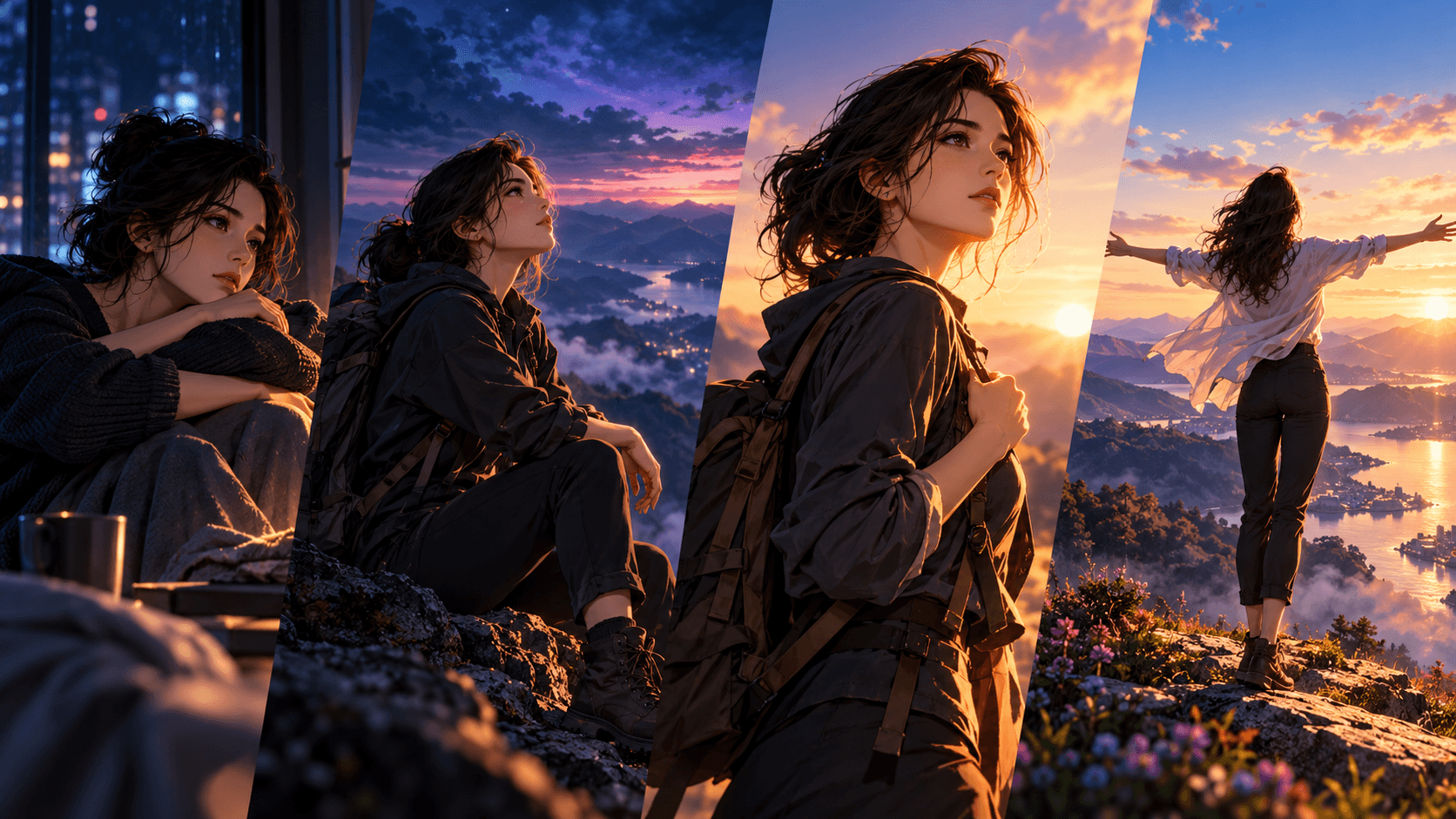
The key problem with most AI video tools for anime is that characters can look completely different from one scene to the next—wrong hair color, different face shape, inconsistent clothing.
For anime specifically, where character identity is everything, this is the feature that actually makes the output look like a show rather than a random collage.
Elser AI solves this with saved characters. You define a character once, and the same design carries through every scene of your video.
What you can actually create right now
Let me give you some real numbers so you know what to expect:
- 30-second anime shorts: Absolutely doable with most story generators. Expect 5-10 minutes of generation time.
- 5-minute episodes: Possible with advanced platforms like Elser AI and Doratoon. Requires more iterative refinement.
- 16-minute stories: Doratoon claims this capability. I've seen demos that look promising, though you'll want to budget time for post-generation editing.
The future of AI anime storytelling
We're still early in this technology's development. Here's what's coming
Better narrative understanding. Current models can follow basic story structures, but they struggle with complex plots, character arcs, and emotional subtlety.
Improved long-form coherence. Most models max out around 15-20 minutes. The teams that crack hour-long narrative generation will change the industry.
More creator control. The best tools will let you adjust every aspect of generation—camera angles, pacing, dialogue length, shot composition.
👉 Ready to generate your own anime story? Elser AI takes your idea and turns it into a complete anime video with consistent characters and a clear story flow. [Try it free today]