25 AI Lip Sync Prompts for Talking and Singing Anime Characters
Good lip sync is not simply “mouth movement that matches audio.” Viewers notice whether jaw motion suits the phonemes, pauses contain breathing, emotion reaches the eyes, and the head remains stable. Singing adds sustained vowels, pitch-driven expression, and musical timing.
These 25 prompts are tool-neutral production briefs. Adapt syntax to your chosen animation or video model, because not every system accepts audio, timestamps, facial references, or negative constraints in the same way.
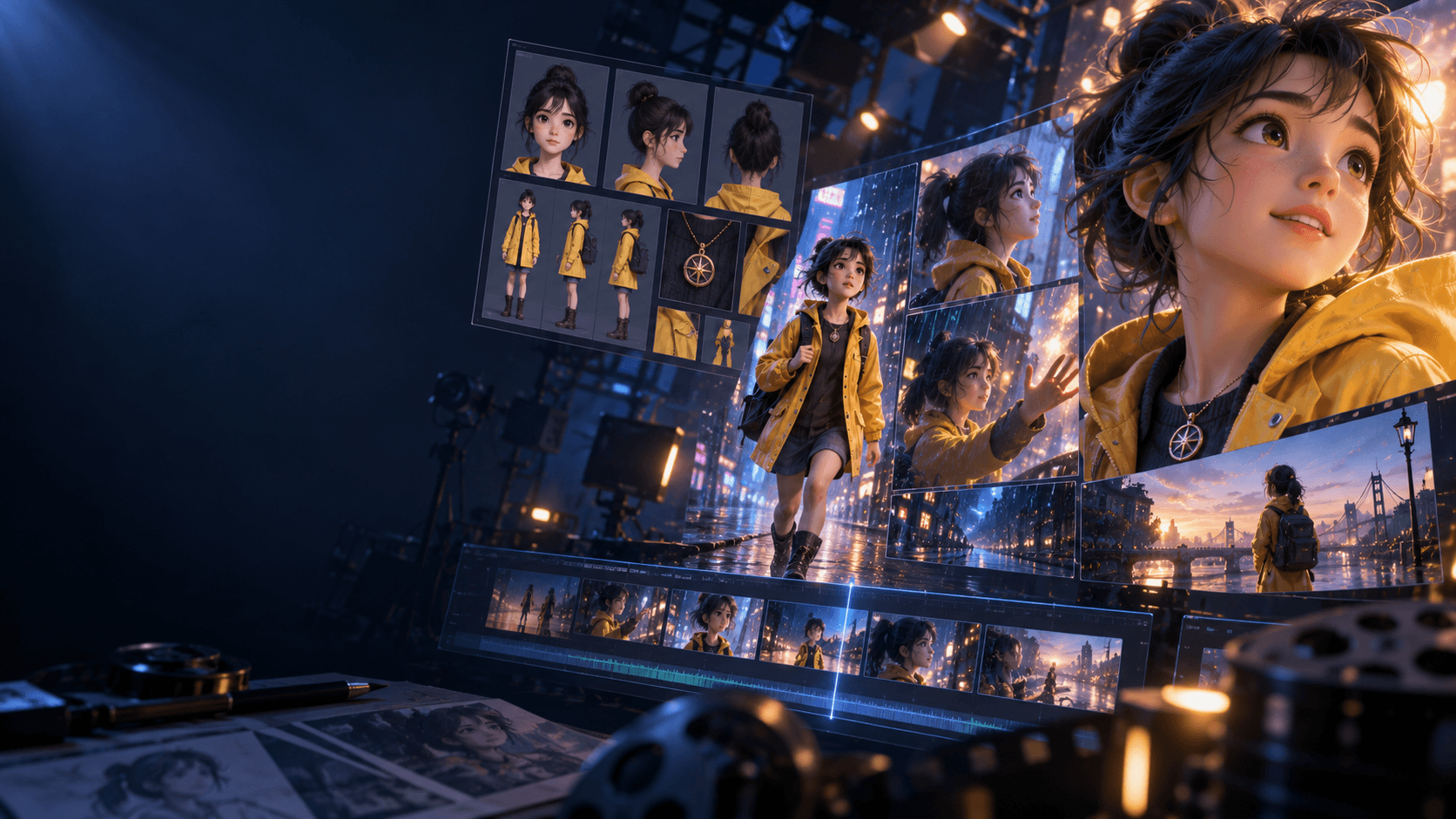
Start with a stable character and a locked line. Elser AI helps creators develop anime characters, scripts, and scenes in one workflow; register and test a close-up before processing an entire episode.
Before You Generate: Prepare Four Inputs
Use clean dialogue without background music, the final written line, a high-resolution face reference, and a short performance description. Trim silence intentionally, but keep natural breaths you want the character to perform.
Frame the face large enough for evaluation. A three-quarter close-up reveals more structural errors than a distant shot, while a perfect frontal face can look unnaturally rigid. Avoid hair or hands covering the mouth during the first test.
Talking Character Prompts
1. Neutral Conversation
Animate this character speaking the supplied dialogue naturally. Accurate phoneme timing, small jaw movement, soft blinks, relaxed brows, one breath before the second sentence. Preserve face shape, hairstyle, costume, and camera.
2. Restrained Anger
Lip-sync the dialogue with controlled anger: clipped consonants, tight jaw, minimal head motion, narrowed eyes. Do not exaggerate the mouth or add shouting; keep identity and lighting unchanged.
3. Excited Discovery
Match the voice exactly. Begin with surprised inhale, widen eyes, then use quick expressive articulation and a slight forward lean. Settle during the final phrase; no extra words or random smiles.
4. Sleepy Morning Line
Create slow sleepy speech with small mouth openings, delayed blink, subtle yawn-like breath before the line, and relaxed shoulders. Maintain intelligibility; do not distort cheeks or change age.
5. Secret Whisper
Perform the line as a close whisper: reduced jaw travel, careful lip articulation, quiet breath, eyes briefly checking off-screen. Keep mouth motion proportional to low volume and preserve the source framing.
6. Tearful Dialogue
Synchronize every word while the character tries not to cry. Slight trembling lower lip only between phrases, shallow breath, wet eyes, one voice-linked swallow. No constant shaking or facial melting.
7. Confident Speech
Deliver the dialogue with measured confidence: clear consonants, steady eye contact, controlled half-smile after the key phrase, one small nod on the final word. No unnecessary body sway.
8. Fast Comedy
Lip-sync rapid comedic dialogue with precise syllables. Use two quick blinks and one reactive eyebrow lift at the punchline. Keep the head readable; avoid frantic mouth cycling or unrelated gestures.
9. Radio Call
Character speaks into a handheld radio. Match the supplied audio, glance toward danger between clauses, maintain firm mouth articulation, and keep the radio near—but not covering—the lips.
10. Profile Dialogue
Animate the side-profile character speaking naturally. Preserve nose, chin, and lip silhouette; use restrained jaw rotation and visible cheek movement. Do not rotate the head toward camera.
Multi-Speaker and Acting Prompts
11. Two-Person Exchange
Speaker A lip-syncs first line while Speaker B listens with closed mouth and a small reaction. At the audio handoff, B speaks and A becomes still. Never animate both mouths simultaneously unless voices overlap.
12. Intentional Interruption
Follow the audio overlap precisely: A begins speaking; B interrupts at [timecode]. Give each character distinct mouth motion and eyeline. Preserve staging and prevent identity blending.
13. Over-the-Shoulder Reply
Foreground listener remains mostly still and out of focus. Background speaker lip-syncs the line with readable jaw and brows. Keep lens focus, composition, wardrobe, and character proportions fixed.
14. Group Reaction
Only the center character speaks. Other characters keep mouths closed and react with timed eyes and posture, not speech motion. Maintain every face and avoid transferring the speaker’s expression.
15. Walking Dialogue
Synchronize dialogue while the character walks at a steady pace. Stabilize facial features, coordinate breaths with steps, and use minimal head bob. Do not let locomotion disrupt lip timing.
Singing Character Prompts
16. Soft Ballad
Lip-sync the vocal track as a restrained ballad. Sustain vowel mouth shapes through long notes, soften consonant closures, breathe at phrase marks, and express emotion through eyes without over-opening the jaw.
17. Energetic Pop Chorus
Match every lyric and beat in the chorus. Clear rhythmic articulation, confident smile where acoustically plausible, two planned head accents, stable facial identity. Avoid repeated generic open-close mouth motion.
18. High Sustained Note
Prepare with a visible breath, open the jaw gradually into the sustained vowel, hold a stable mouth shape, add controlled facial effort, and close naturally at release. No lip flutter or sudden face change.
19. Fast Rap Verse
Track rapid syllables precisely with compact articulation. Prioritize timing over oversized expressions, keep jaw movement economical, add brief breaths only where present, and preserve teeth and lip anatomy.
20. Duet
Singer A performs the first phrase; Singer B answers; both sing only during the marked harmony. Maintain distinct facial identities and individual breath timing. Do not synchronize both mouths outside shared vocals.
21. Emotional Final Chorus
Build expression across the phrase: controlled opening, stronger eye engagement at midpoint, full sustained vowel at climax, then exhausted release. Preserve costume, lighting, and camera throughout.
Difficult-Shot Prompts
22. Extreme Close-Up
Precise close-up lip sync with natural teeth visibility, stable lip edges, subtle cheek and chin deformation, and accurate closures. Preserve skin texture and line art; no flicker around mouth or nose.
23. Stylized Chibi Face
Adapt lip sync to simplified chibi proportions: three to five clean mouth shapes, exact timing, tiny jaw motion, expressive eyes. Preserve graphic line quality; do not introduce realistic teeth or lips.
24. Wind and Hair Motion
Lip-sync the dialogue while wind moves hair and clothing. Treat the face as the stability anchor; keep lips unobstructed, head motion restrained, and secondary animation independent from speech timing.
25. Dubbing Existing Animation
Retarget the mouth to the supplied replacement dialogue while preserving the original head, eyes, camera, and body animation. Modify only necessary lower-face motion; maintain pauses and avoid altering shot duration.
Why Lip Sync Fails—and the Specific Fix
The Audio Is Not Production-Ready
Noise, heavy reverb, music, or overlapping voices obscure phonemes. Use a clean vocal stem. If the delivery is synthetic, generate the final cadence first. ByteDance’s Seed Audio 1.0 documentation highlights prompt-level dialogue timing, but generated output still needs human listening and rights review.
The Prompt Mixes Performance With Redesign
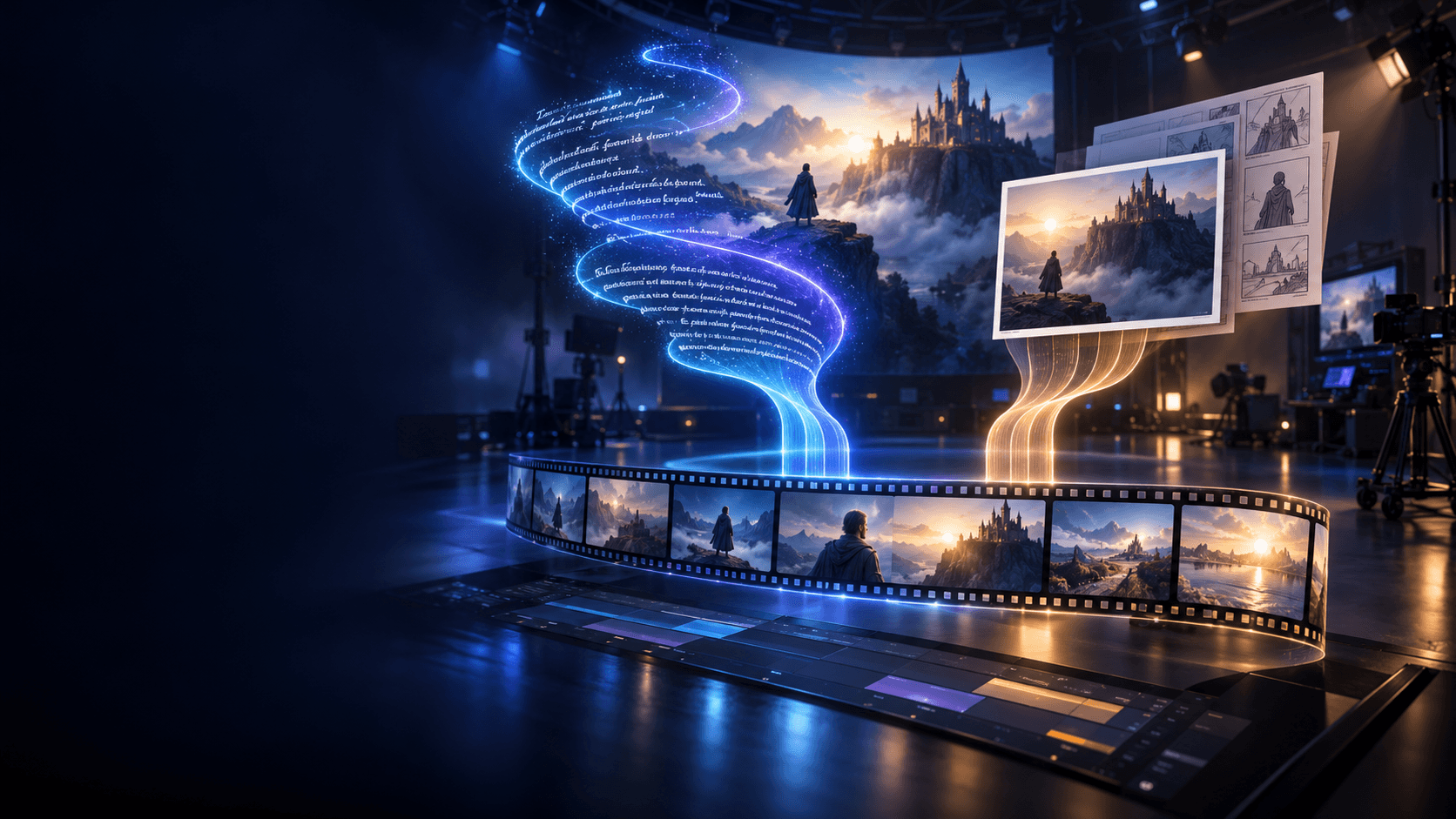
Asking for new clothes, a new camera, dramatic lighting, and lip sync in one pass expands the failure surface. Lock the character and shot first. Elser AI can help establish the character and storyboard so the lip-sync pass has one job.
The Mouth Moves, but the Face Does Not Act
Speech affects jaw, cheeks, breath, eyes, and posture. Add one or two emotional cues tied to exact moments. Too many cues produce restless motion.
The Model Animates Silent Characters
State who speaks, when the handoff occurs, and what listeners do. For overlap, provide timecodes. Render speakers separately when the model cannot isolate faces reliably.
Singing Uses Speech-Style Mouth Shapes
Singing sustains vowels and compresses many consonants. Mark breaths and sustained notes. Judge sync at normal speed first, then inspect problem frames; frame-by-frame viewing alone can overemphasize harmless differences.
A Five-Pass Quality Review
- Timing pass: watch only the mouth against the waveform.
- Identity pass: compare face shape, eyes, hairline, and age with the reference.
- Performance pass: confirm emotion changes at meaningful words.
- artifact pass: inspect teeth, lip edges, chin, and occluding hair.
- context pass: watch the full scene on phone speakers and headphones.
Do not publish an unauthorized imitation of a performer. Secure consent for source voices and character likenesses, document licenses, and disclose synthetic media where required.
A reliable pipeline starts earlier than the mouth pass. Create your character and scene in Elser AI, export a locked visual, and then test the shortest emotionally representative line.
FAQ
What is the best camera angle for AI lip sync?
A frontal or three-quarter close-up is easiest to evaluate. Profiles and distant faces can work, but they provide less visible articulation or fewer pixels.
Should I include the dialogue text as well as audio?
If the tool accepts both, text can clarify words and speaker turns. The audio should remain the timing authority unless the product documentation says otherwise.
How do I lip-sync two characters?
Label speakers, specify handoff timecodes, and instruct listeners to keep mouths closed. For difficult overlap, create separate passes and composite them.
Can AI lip sync singing accurately?
It can produce useful results, but sustained vowels, fast lyrics, harmony, and expressive movement are harder. Use clean stems, lyric timing, and manual review.
How can I keep the face consistent?
Use a strong reference, make lip sync the only major change, keep the shot short, and explicitly preserve facial structure, hairstyle, camera, and lighting.
Conclusion
The most effective lip-sync prompt controls timing, performance, preservation, and exclusions. Begin with clean audio and a stable close-up; add only the acting notes that matter; then review the complete scene instead of trusting a silent preview.
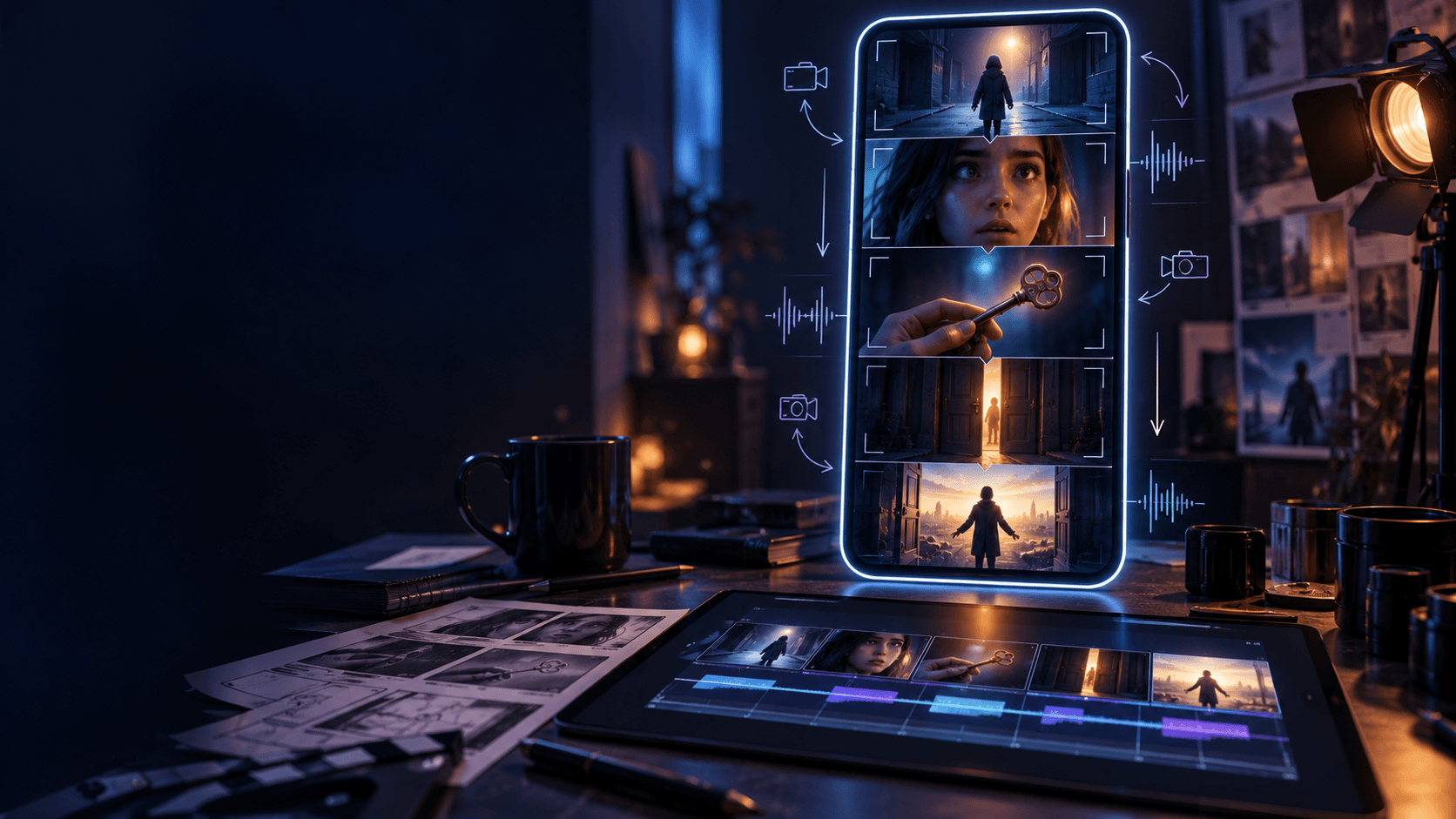
When you are ready to turn a speaking test into an anime sequence, register with Elser AI and carry the same character from script and storyboard into the final scene workflow.