AI Video Generator with Consistent Characters: Finally, Your Characters Stay Who They Are (No More Face Swaps!)
If you've spent any time with AI video generators over the past couple of years, you know the pain. You generate a character in Scene 1—perfect. Same prompt, same settings, Scene 2—suddenly they've got a different nose, different hairstyle, and apparently decided to change outfits mid-conversation. It's frustrating, it's expensive (those generation credits add up!), and it makes serialized storytelling basically impossible.
Well, 2026 is the year that changes.
The Character Consistency Problem, Explained
Here's the thing: most AI video models treat every generation as an independent event. You feed in a prompt, it generates a clip, and that's that. There's no "memory" of what the character looked like in the previous scene. So when you try to generate a second shot with the same character, the model is essentially guessing what they're supposed to look like based on your text description alone.
And text descriptions are terrible at this. Try describing someone's exact face shape, eye spacing, and hair texture in words. Go ahead, I'll wait. You can't—not with the precision needed for visual consistency.
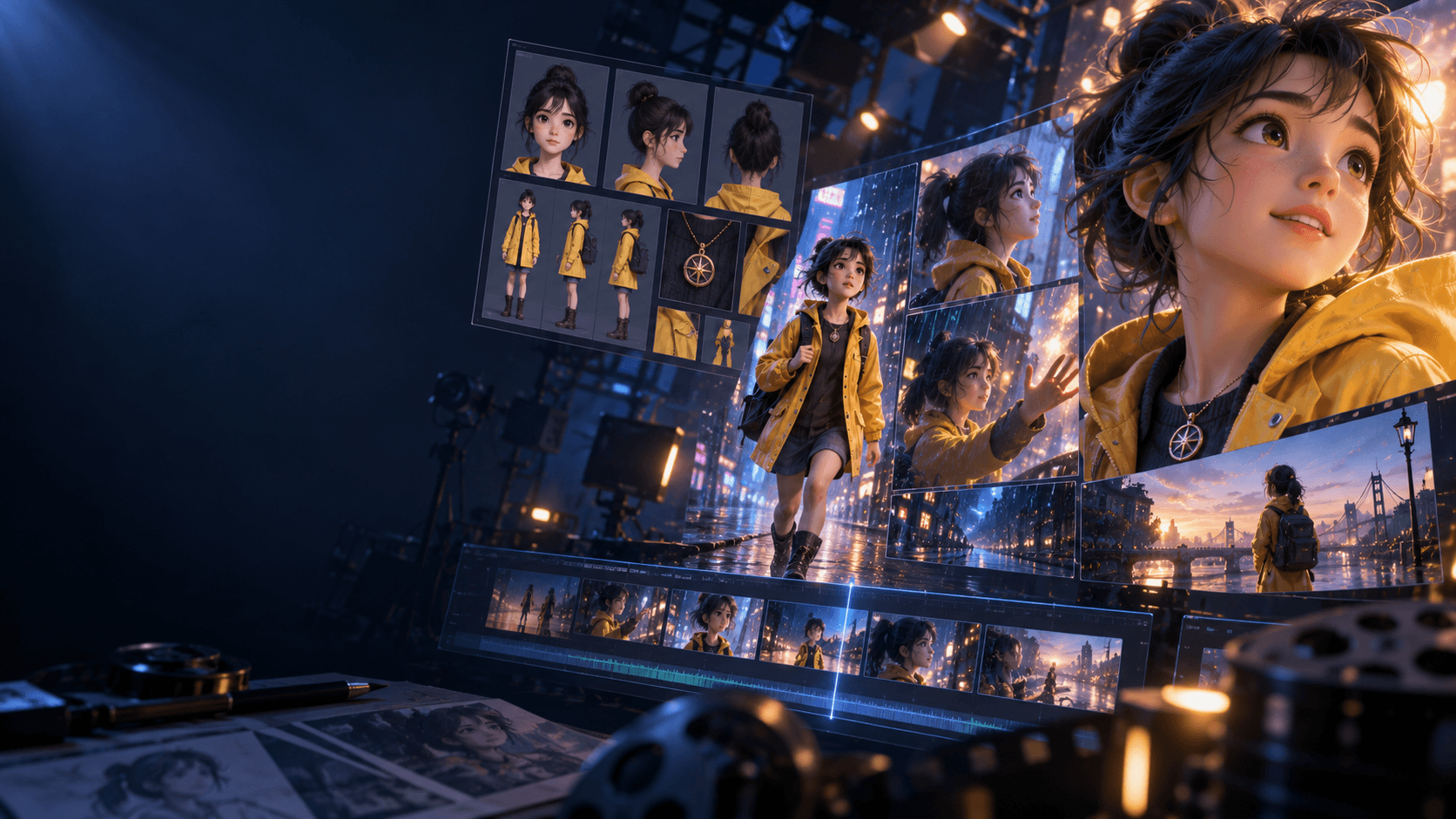
That's why the industry has been racing toward better solutions. Seedance 2.0, for example, now boasts character consistency at around 95% accuracy across shots using a dedicated Character Reference system. You upload a reference image once, and the model locks onto that character's identity—face shape, eye color, hair style, clothing details—and maintains it across generations. Kling 3.0 has taken a similar approach with its "Elements" feature and reference-based generation, allowing creators to upload reference videos so the AI can extract and replicate visual traits faithfully.
But here's what nobody tells you: even the best reference-based systems have limitations. They work great for a single character in isolation. Throw in multiple characters interacting in the same scene? Different lighting conditions? Camera angles that change dramatically between shots? Things start to break.
What the Best AI Video Generators with Consistent Characters Actually Do (in 2026)
The current state of the art in consistent character AI video generation focuses on three key capabilities:
1. Reference-Based Identity Locking
This is the baseline. You upload one or more reference images of your character, and the model uses those as anchor points for generation. The best systems can handle up to nine image references simultaneously, giving the model a rich understanding of what your character looks like from multiple angles.
2. Multi-Shot Storyboarding with Character Continuity
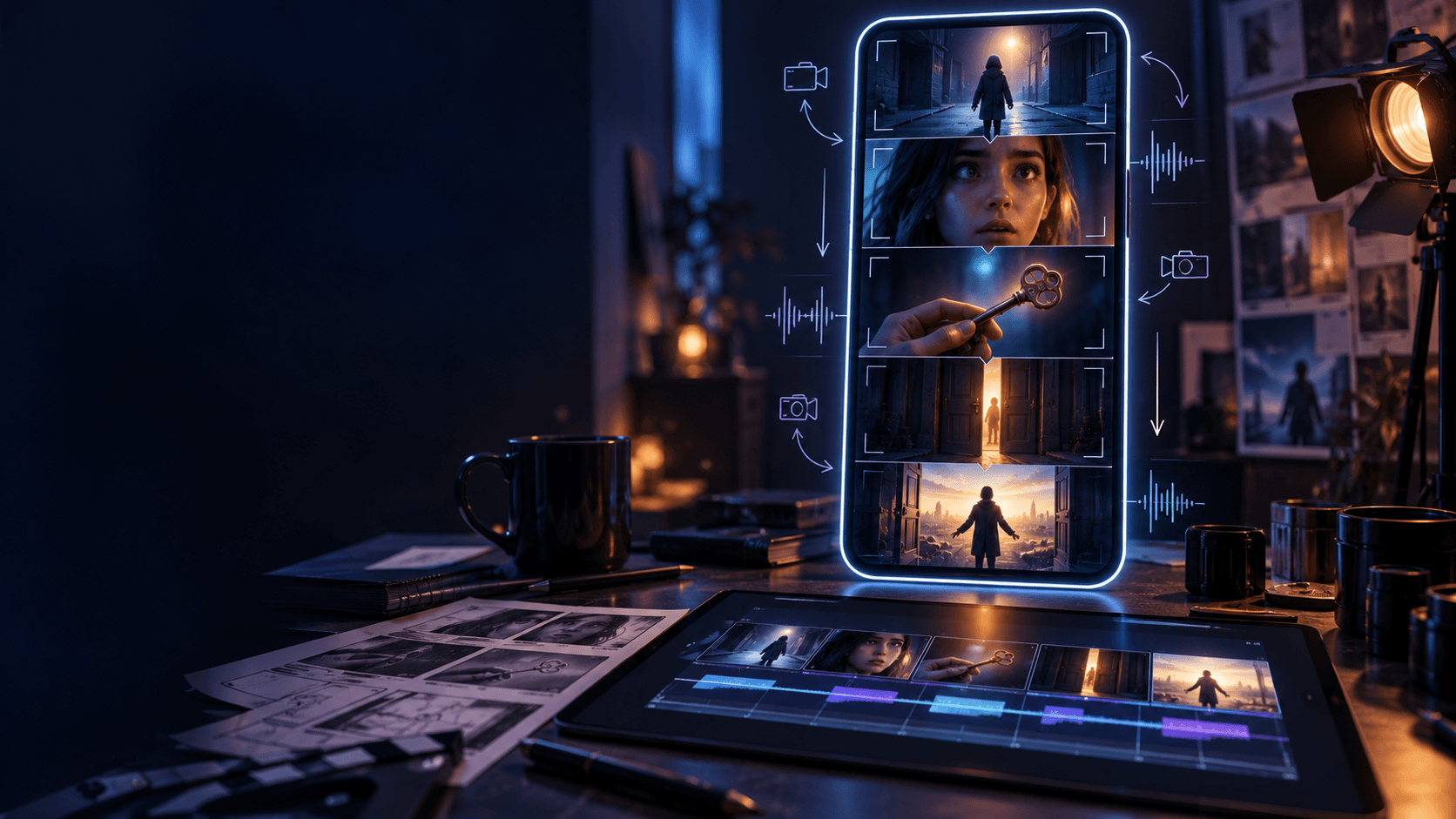
This is where things get interesting. Models like Kling 3.0 Omni now support multi-shot storyboards where you can specify duration, shot size, perspective, and narrative content for each shot—*and* the model maintains character consistency across all of them. It's not just generating individual clips anymore; it's directing sequences.
3. Cross-Character Scene Management
The hardest challenge: multiple characters in the same scene, interacting, with consistent identities for each. This is where the newest research is focused. Frameworks like CANVAS are using multi-agent systems to explicitly plan visual continuity across shots, improving character consistency by nearly 10% over baseline methods.
Where Elser AI Comes In
Here's the thing about all these impressive advancements—they're scattered across different platforms, different pricing tiers, different workflows. Want Seedance's character reference? That's one subscription. Want Kling's multi-shot storyboarding? That's another. Want to actually manage a cast of characters across an entire project? Good luck juggling five different tools.
That's exactly why we built Elser AI.
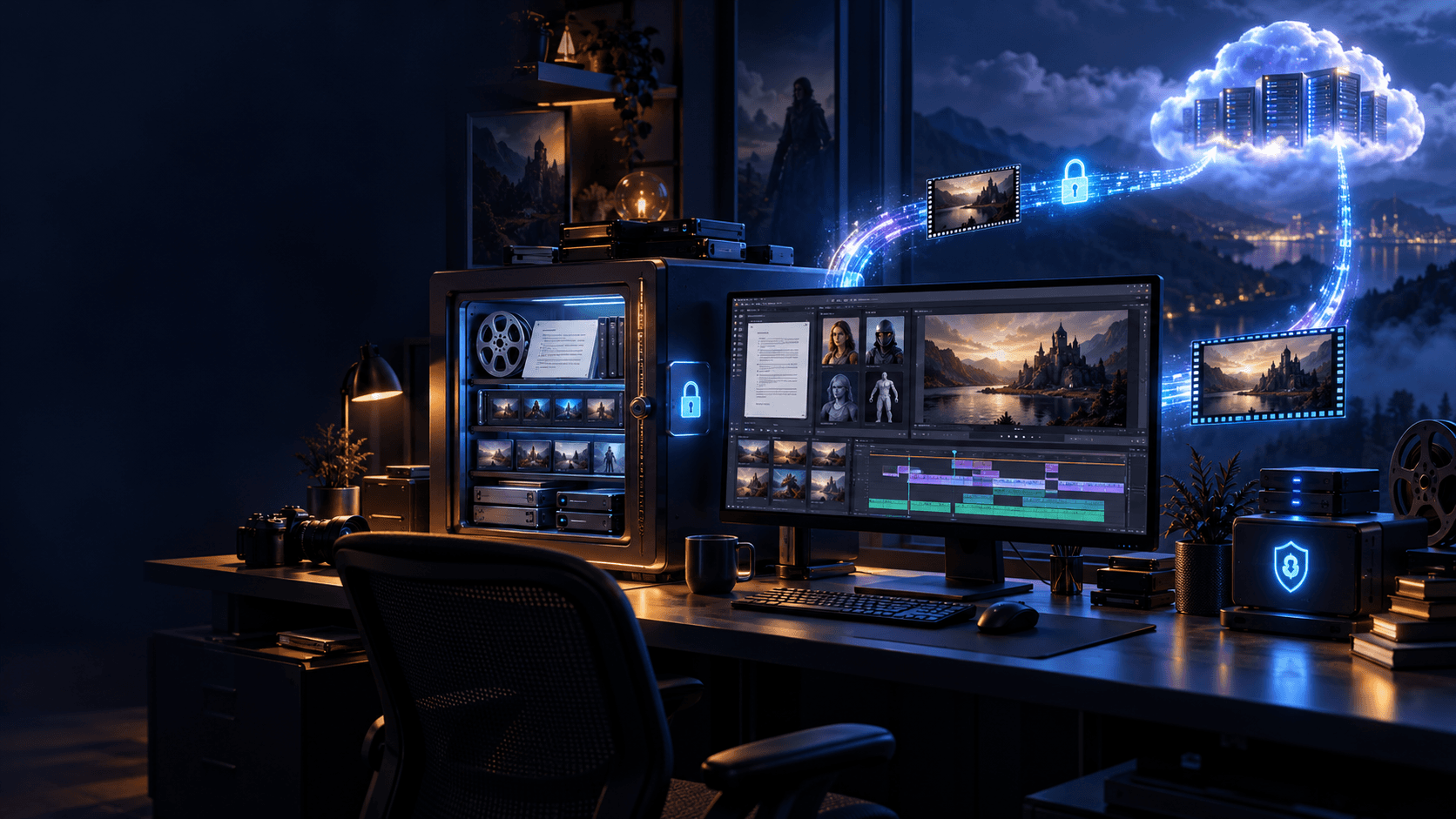
Elser AI brings together the best of consistent character video generation in one unified platform. Our Character Vault lets you upload and store reference images for every character in your project—protagonists, antagonists, supporting cast, even background extras. When you generate a scene, you simply tag which characters appear, and our AI ensures they look identical across every shot, every angle, every lighting condition.
But we didn't stop there. Because consistency isn't just about faces—it's about *everything*. Costumes, props, environments, color palettes. Elser AI's Project Memory maintains visual coherence across your entire production, so your medieval fantasy doesn't suddenly look like a cyberpunk dystopia halfway through.
Why This Matters for Your Workflow
Think about what consistent characters unlock:
- Serialized content: Web series, episodic storytelling, brand mascot campaigns—finally possible with AI
- Professional quality: No more awkward "wait, is that the same person?" moments that scream "amateur"
- Time and cost savings: Regenerating clips because a character's face changed is expensive and demoralizing
- Creative freedom: Focus on story and direction, not wrestling with inconsistent outputs
The AI video landscape in 2026 has moved beyond "can it generate a pretty clip?" to "can it generate a *coherent story*?" And coherence starts with characters who actually look like themselves.
Ready to stop fighting with inconsistent characters?
Stop wasting credits on regenerations. Stop explaining to your audience why the protagonist looks different in every scene. Start creating videos where your characters stay who they are—from the first frame to the last.
👉 Try Elser AI today and see what consistent character video generation actually looks like. Free trial available—no credit card required to get started.