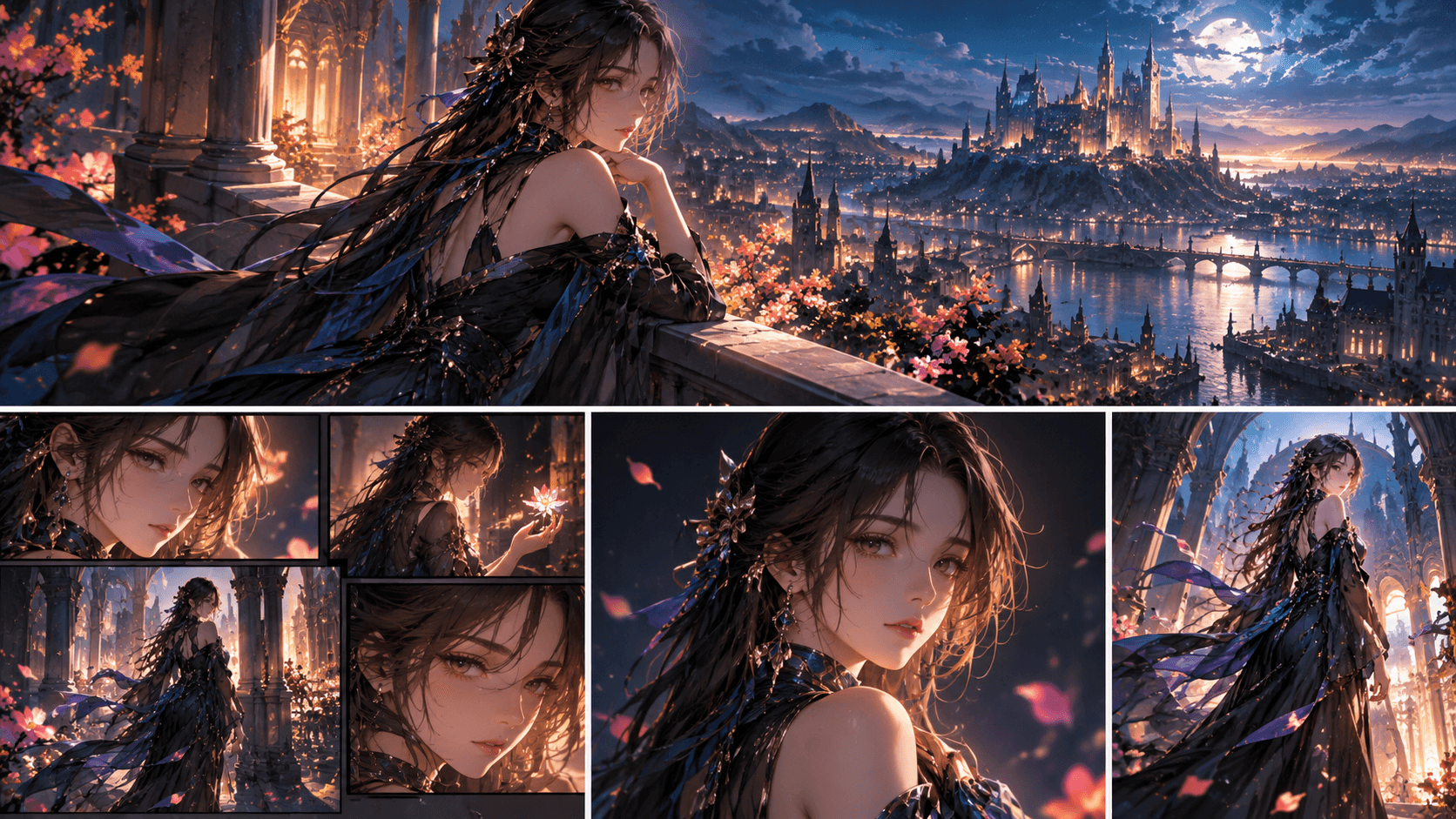
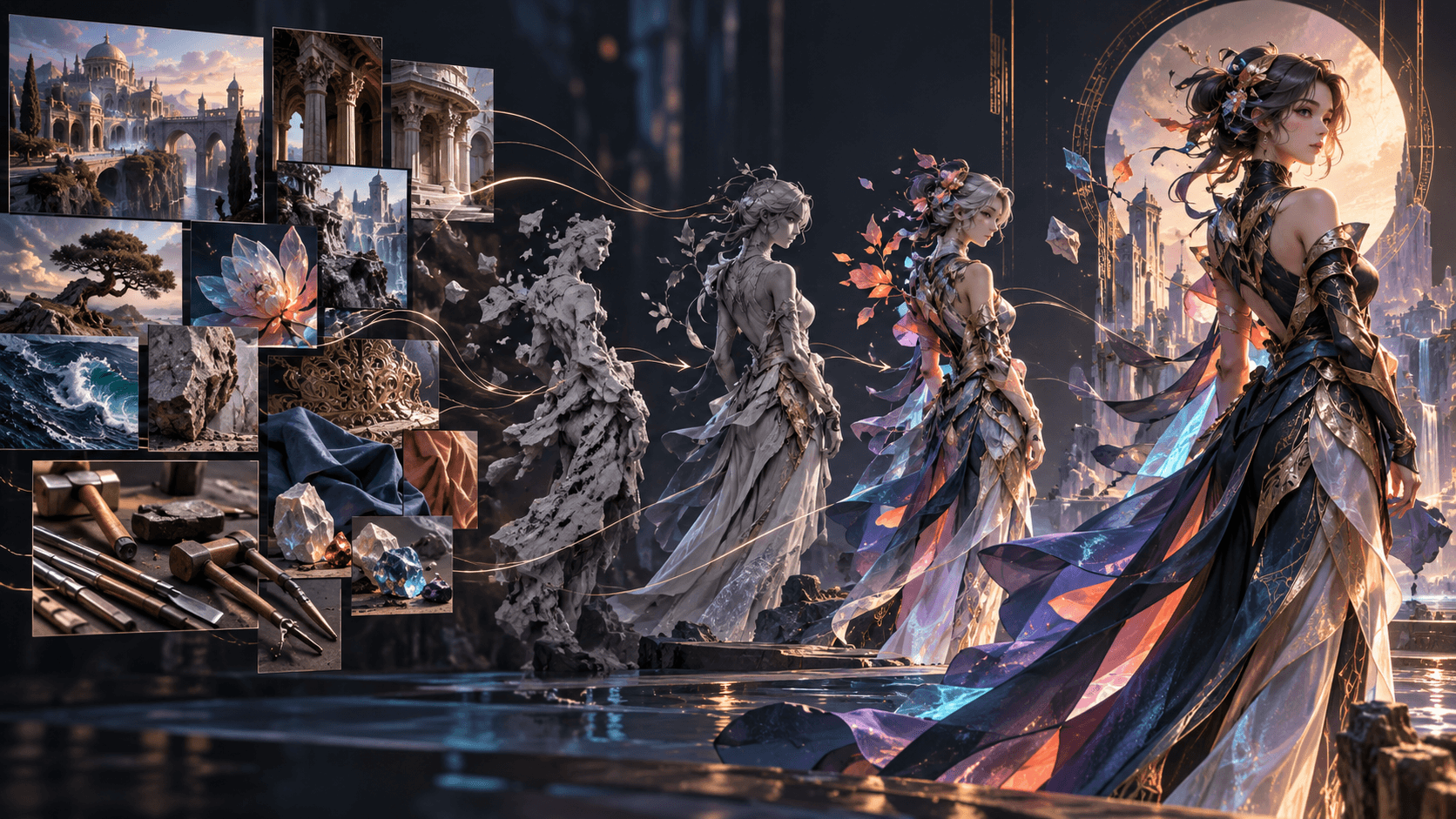
Anime Character Creation with AI: How to Design Consistent Characters for Your Anime Series in 2026
I spent three hours last month trying to get an AI to generate the same character twice.
Same hair color. Same outfit. Same face shape. Every generation looked like a different person. I was pulling my hair out, burning through credits, and honestly starting to question whether consistent anime character creation with AI was even possible.
Then I discovered what the pros are doing in 2026.
The character consistency problem (and why it's finally solved)
Here's the thing about traditional AI image generation: most models treat every prompt as a brand new creation. You describe "a silver-haired warrior with a red scarf" and you get... something. Then you try to generate that same character in a different pose, and suddenly the scarf is blue, the hair is purple, and the face is completely different.
That "identity drift" problem has plagued AI anime creation for years.
But 2026 is different. Several breakthroughs have changed the game entirely.
First, there's academic research like AnimeAdapter, a lightweight appearance adapter for Stable Diffusion that enables controllable and consistent anime character generation under diverse editing conditions using just a single reference image. Instead of requiring per-subject fine-tuning, it injects fine-grained visual features from one image into the diffusion process.
Second, major platforms have built character consistency directly into their workflows. Elser AI lets you define a character once, and the same design carries through every scene of your video—no more wondering if your protagonist will look like a different person from one shot to the next.
Third, reference-to-video technology has matured significantly. Alibaba's WAN 2.6 Reference-to-Video Flash supports up to 5 reference images, maintaining facial features, clothing, body proportions, and distinctive characteristics across every generated frame.
How to create your first AI anime character (the right way)
Let me walk you through the workflow that actually works.
Step 1: Build your reference library.
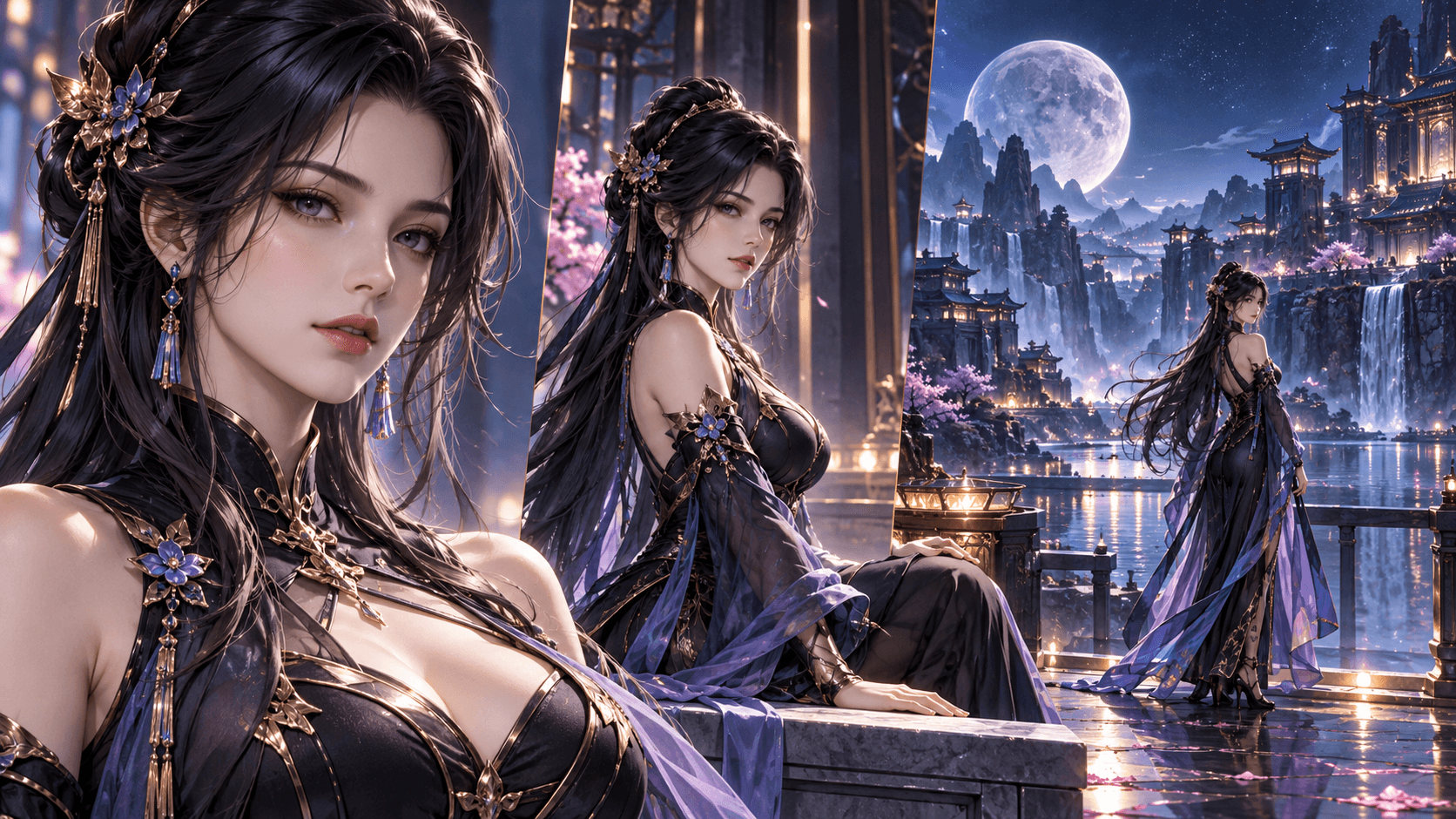
You don't need to be able to draw. You need three to five reference images of your character from different angles—a front view, a three-quarter view, maybe a side profile. You can generate these using any anime image generator, or you can upload photos and let AI transform them into anime style.
PixAI offers an AI illustration tool where you simply describe your vision and the AI handles the rest. Anime, realistic, fantasy—anything goes. You can even train your own LoRA models to teach the AI your unique art style or original characters.
Step 2: Lock in the defining features.
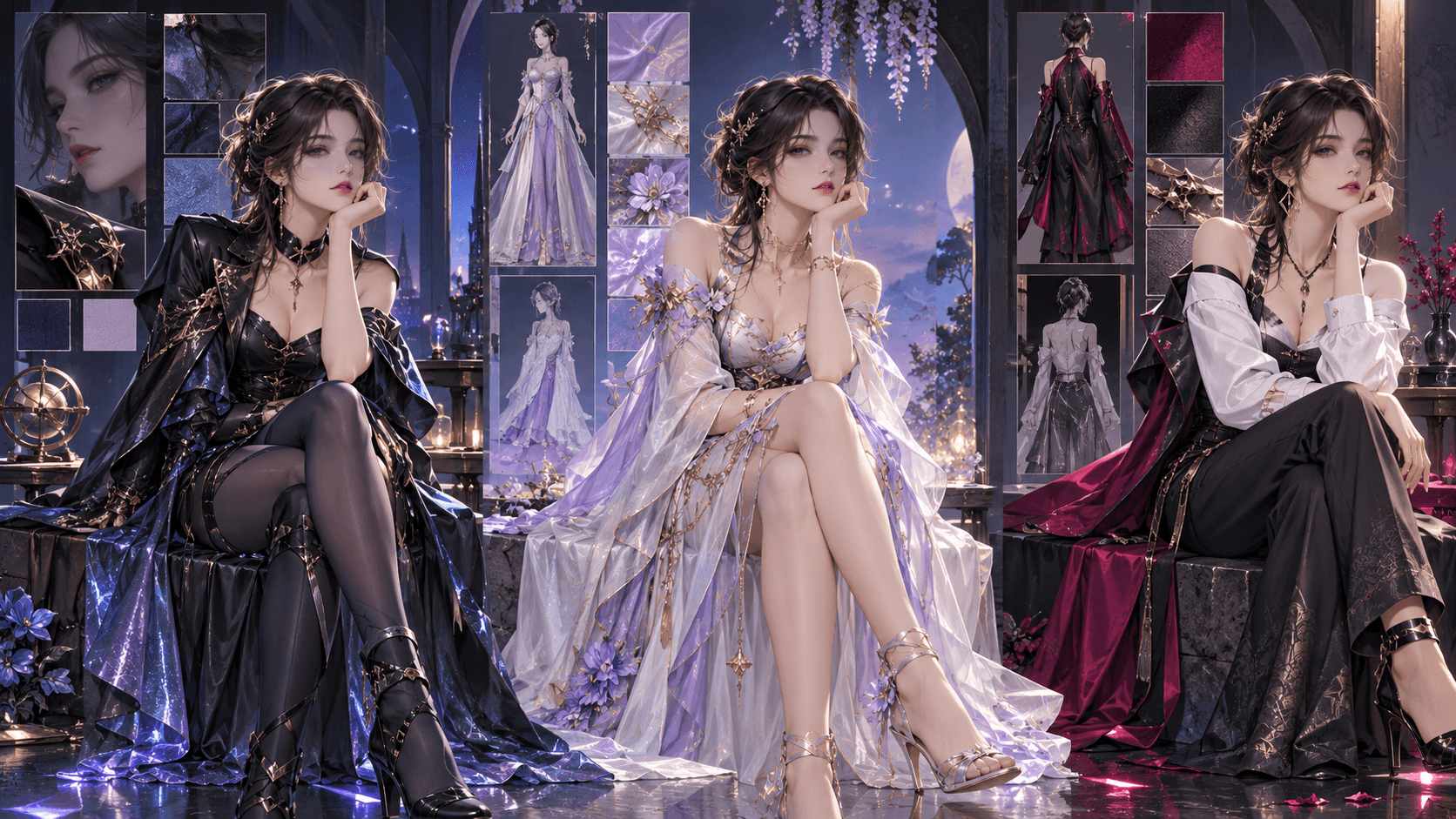
What makes your character recognizable? Their hair style and color. Their outfit. Their face shape. Their distinctive accessories (that magical pendant, those glowing earrings, that specific scar).
When you're using a platform like Elser AI, you establish these features once, and the system ensures they persist across every scene and shot.
Step 3: Test across multiple scenarios.
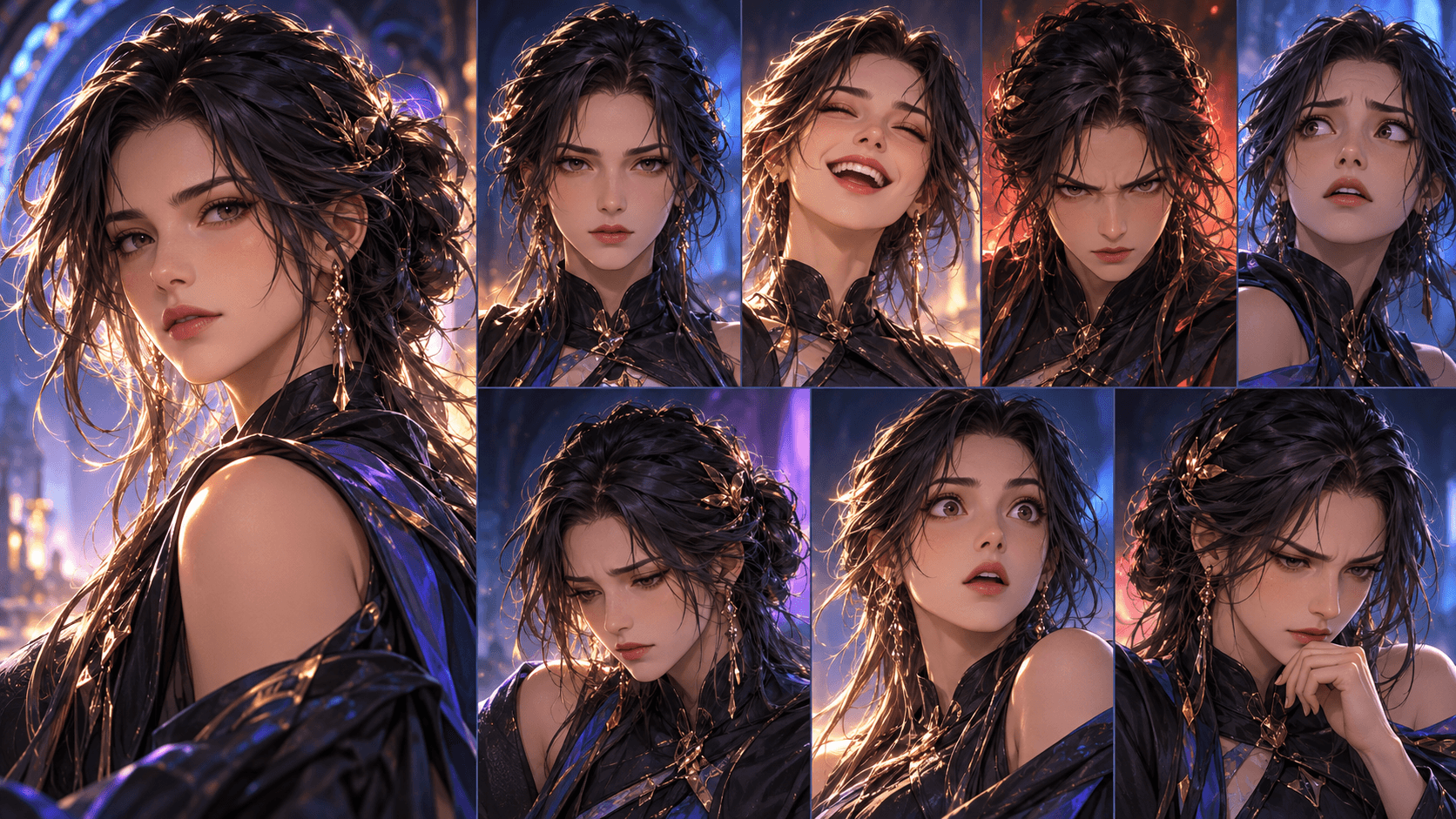
Run your character through different poses, expressions, and lighting conditions. A character who only works in one specific angle isn't ready for production. You want consistency that holds up whether your character is running, laughing, fighting, or standing dramatically in the rain.
According to benchmarks, Elser AI achieves 30% higher character consistency than other AI video tools across 180+ scenes. That's the kind of reliability you need for serialized content.
The best tools for anime character creation in 2026
Here's my honest breakdown of what's actually worth your time:
- Elser AI is purpose-built for storytellers who need consistent characters across multiple scenes. You define your character once, and the system remembers them forever .
- PixAI offers a massive model library and LoRA training, so you can create custom character models with zero technical expertise .
- NovelAI remains one of the most respected tools specifically for anime-style image generation, giving you fine-grained control over art style, pose, expression, and detail.
- VIVERSE offers a free, browser-based anime character creator that builds full-body 3D VRM avatars ready for metaverse, VR, and VTubing use.
Pro tips from someone who's made every mistake
I learned these the hard way so you don't have to:
Don't rely on text alone. Text prompts are great for exploration, but for consistency, you need reference images. The most successful creators build visual libraries first.
Use multiple references when available. Tools like WAN 2.6 support up to 5 reference images, and multiple angles of the same subject yield better identity preservation.
Test before you commit. Run a few test generations across different platforms before you invest heavily in one workflow. What works for someone else's art style might not work for yours.
From character to story
Creating a great character is just the beginning. The real magic happens when you put that character into a story—when they run, fight, laugh, and grow across multiple scenes.
That's where most AI tools fall short. They can generate a beautiful character portrait, but ask them to animate that character telling a coherent story, and things fall apart quickly.
But not all tools.
👉 Ready to create anime characters that stay consistent across your entire series? Elser AI lets you design characters once and generate full anime story videos that keep them looking perfect in every scene. [Start creating today]