What Is an AI Storyboard Agent? The 2026 Guide to Automated Visual Planning
If you've been following the AI video space in 2026, you've probably heard the term "AI storyboard agent" thrown around. But what actually is it? And why should you care?
Let me break it down.
What Is an AI Storyboard Agent?
An AI storyboard agent is an AI-powered assistant that helps you plan, visualize, and organize your video's visual narrative before you generate a single frame.
Think of it as your automated director's assistant. You give it a script or a story concept, and it generates a visual plan for every shot—camera angles, character positions, scene transitions, and narrative flow.
In 2026, these agents are sophisticated enough to convert scripts and content outlines into structured storyboards, scene plans, character instructions, dialogue flows, and production-ready prompts. They're not just generating pretty pictures—they're planning entire productions.
Why Do You Need One?
Here's the problem with most AI video workflows: you generate a bunch of clips, and then you try to stitch them together into a coherent story. But if you didn't plan the visual continuity in advance, you end up with characters that look different from shot to shot, backgrounds that change inexplicably, and scenes that don't flow naturally.
An AI storyboard agent solves this by planning everything upfront. It ensures:
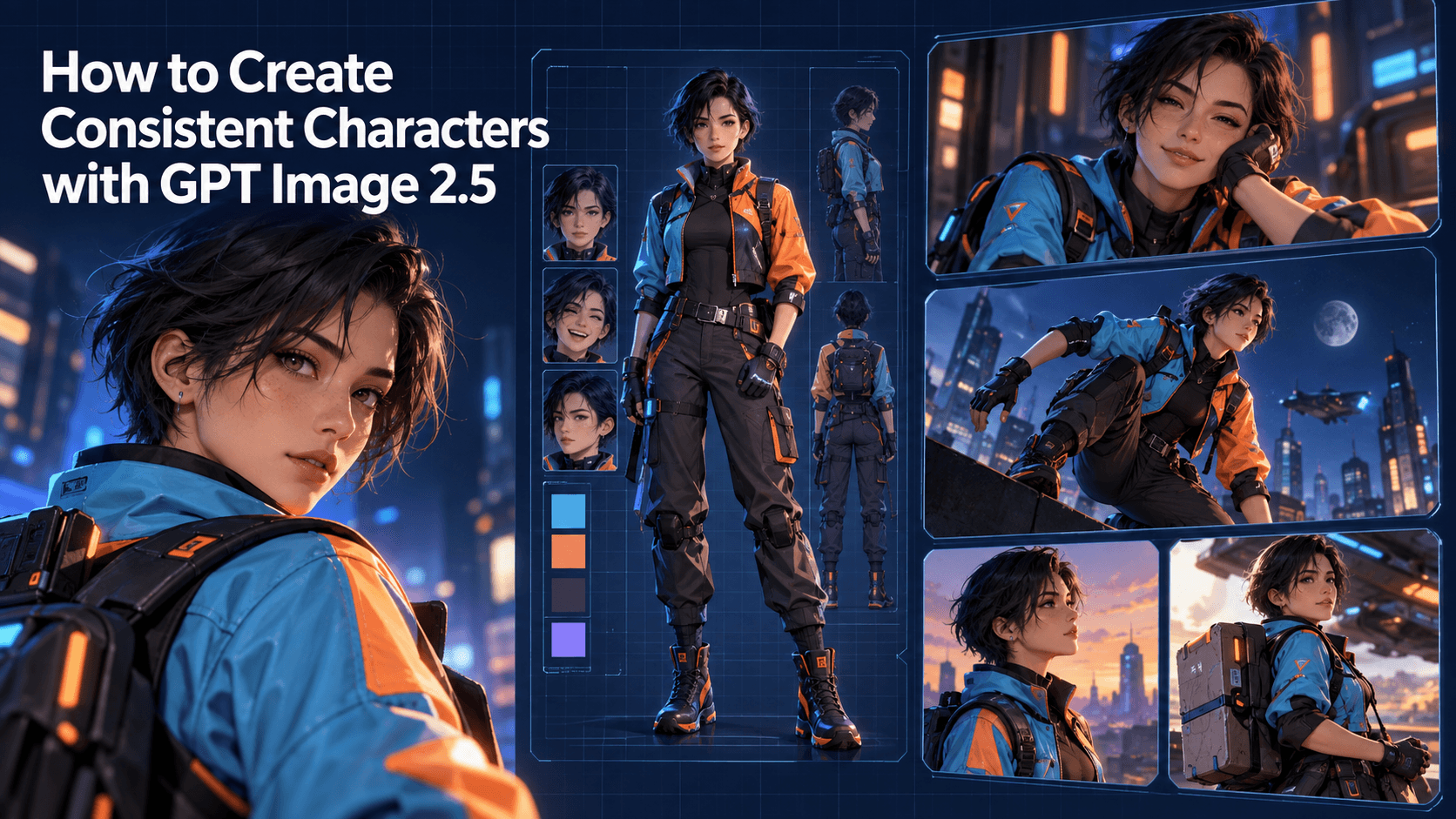
- Character continuity: Same characters, same faces, same outfits, across every shot
- Environmental consistency: Backgrounds and settings that stay coherent between shots
- Smooth scene transitions: No abrupt shifts that jolt the viewer out of the story
- Production efficiency: You know exactly what you're generating before you spend any credits
The State of the Art in 2026: CANVAS and Beyond
The most exciting development in AI storyboarding right now is a framework called CANVAS (Continuity-Aware Narratives via Visual Agentic Storyboarding), introduced in April 2026.
CANVAS is a multi-agent framework that explicitly plans visual continuity in multi-shot narratives. It enforces coherence through character continuity, persistent background anchors, and location-aware scene planning
The results are impressive. CANVAS outperforms the best-performing baseline, improving background continuity by 21.6%, character consistency by 9.6%, and props consistency by 7.6%.
What this means in practice: an AI storyboard agent can now plan entire sequences with a level of consistency that was impossible just a year ago.
How Storyboard Agents Work in Practice
Here's a typical workflow with an AI storyboard agent in 2026:
1. Input Your Script or Concept
You provide a script, a plot summary, or even just a few key ideas. The agent analyzes your narrative and identifies key scenes, characters, and locations.
2. Generate Shot-by-Shot Plans
The agent breaks your story into individual shots, specifying camera angles, shot sizes, and narrative content for each.
3. Plan Character and Environment Consistency
The agent ensures that characters look the same across shots and that environments remain coherent. This is where the real magic happens—the agent isn't just planning shots, it's planning *continuity*.
4. Export Production-Ready Prompts
The agent generates prompts you can use with any AI video model—Seedance, Kling, Veo, or others. This means you can plan in one tool and generate in another.
5. Refine and Iterate
Most storyboard agents allow you to refine the plan with natural language. "Make this shot a close-up." "Change the lighting to sunset." "Add a reaction shot from the other character." The agent adjusts the entire plan accordingly.
Who's Building Storyboard Agents in 2026?
Several major players are investing heavily in this space:
- Utopai Studios' PAI 2.0 (launched June 2026): An agent-first cinematic creation platform that combines a powerful creative agent with a freeform Canvas-based workspace for story, assets, storyboard, and video generation. It reached $11 million in annual recurring revenue less than two months after debut.
- YeeZo (launched May 2026): An AI workflow platform designed to convert scripts and content outlines into structured storyboards, scene plans, and production-ready prompts that can be used across multiple generative AI models.
- WorkRally (launched April 2026): An industrial-grade AI platform for comic-drama production covering the entire pipeline from script analysis to storyboard generation.
Where Elser AI Fits In
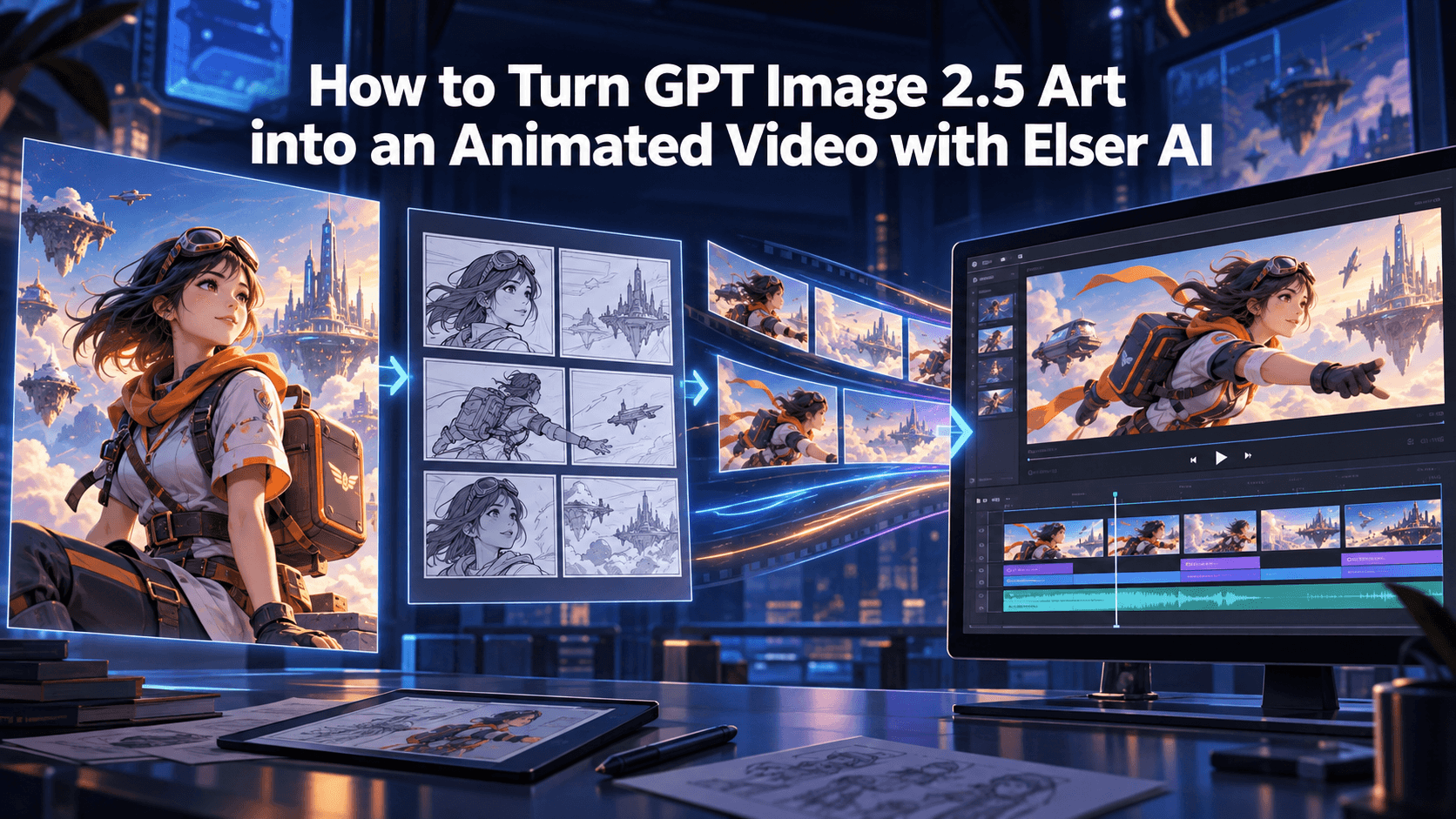
Elser AI has been building storyboard capabilities since its launch. The platform's AI Script and Storyboard Generator can create complete scripts and storyboards in seconds—just provide the plot, and it generates both a complete script and storyboard prompts.
What makes Elser AI different is its integration with the rest of the production pipeline. Your storyboard isn't a standalone document—it's connected to your characters, your project memory, and your video generation workflow. Plan a shot in the storyboard, generate it with one click, and the AI maintains consistency across everything.
Elser AI offers different modes for different users: Basic Mode for beginners and a more professional Studio Mode for advanced creators who want精细化的 control over their storyboards.
The Future of AI Storyboard Agents
We're only at the beginning. In the next year, expect storyboard agents to become:
- More conversational: Like SynClub's AI漫画エージェント, which lets you create comics through natural dialogue
- More integrated: Storyboarding won't be a separate step—it'll be woven into the entire production workflow
- More intelligent: Agents that understand narrative structure, emotional beats, and dramatic tension, not just visual consistency
Ready to Plan Your Next Video with an AI Storyboard Agent?
Stop guessing what your video will look like. Start planning it with AI.
👉 Try Elser AI's storyboard capabilities and see how an AI storyboard agent can transform your creative workflow. Free trial available.